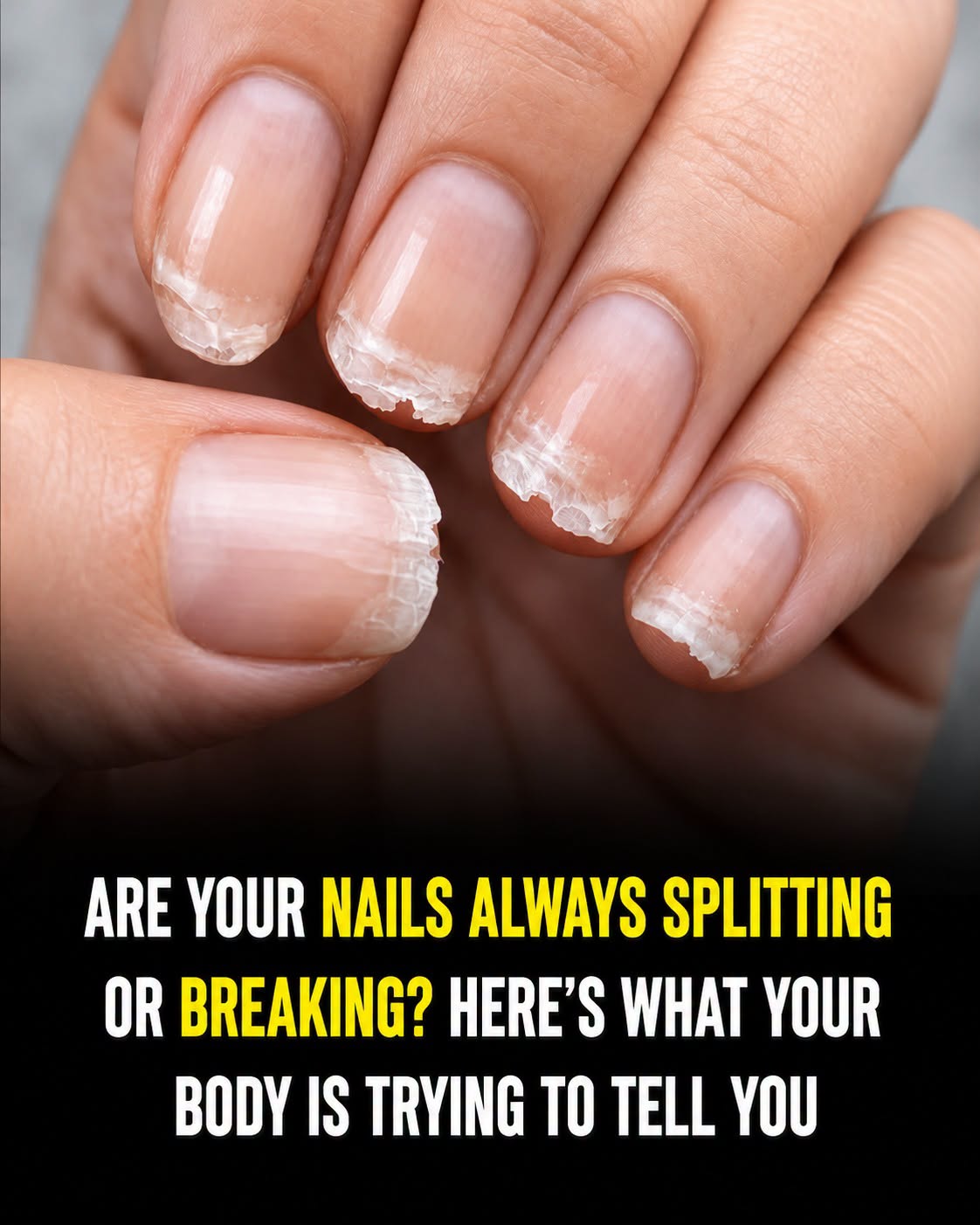
Brittle or Splitting Nails can feel like a minor cosmetic annoyance, especially when a nail catches on clothing or breaks just as it starts to grow. However, persistent peeling, cracking, and splitting can sometimes tell you more about your daily habits, nutrition, environment, or overall health.
Nails naturally change with age and everyday wear. In addition, repeated exposure to water, cleaning products, polish removers, and dry air can weaken them. Nutritional issues and certain health conditions can also affect nail strength.
Fortunately, many common causes respond well to simple changes. Gentle nail care, better protection, regular moisturizing, and balanced nutrition can all support healthier nails. At the same time, sudden or unexplained changes deserve attention, particularly when they affect several nails or occur alongside other symptoms.
I first started paying closer attention to brittle nails after noticing how quickly small changes in everyday routines could affect them. During one particularly busy stretch, frequent hand washing and household cleaning left the nails dry, thin, and constantly peeling at the tips. Applying more polish only covered the problem temporarily. Once protective gloves, regular moisturizer, gentler nail products, and more balanced meals became part of the routine, the difference gradually became noticeable. The experience served as a useful reminder that nails respond to both outside exposure and overall well-being, and persistent changes sometimes deserve more attention than a quick cosmetic fix.
What Brittle or Splitting Nails Can Mean
Common Signs of Nail Brittleness
Brittle or Splitting Nails may look different from person to person. Some nails develop thin layers that peel away from the free edge. Others crack vertically or break with very little pressure. Meanwhile, some people notice that their nails bend easily and struggle to grow beyond the fingertips.
Occasional breakage usually doesn’t signal a serious problem. After all, nails regularly face physical stress from typing, cleaning, gardening, opening containers, and other daily activities. However, repeated splitting across several nails deserves closer attention.
Dryness often plays a major role. Nails contain layers of keratin, and repeated wetting and drying can place stress on those layers. Consequently, people who wash their hands frequently or regularly handle water may experience more peeling.
Furthermore, cold weather and dry indoor air can remove moisture from the nails and surrounding skin. The nail plate may then feel harder but become less flexible, which makes cracking easier.
Pay attention to your cuticles as well. Healthy cuticles help protect the area where new nail growth begins. Therefore, aggressive trimming, picking, or biting can damage this protective barrier.
Rather than focusing only on appearance, look for patterns. Notice when the problem began, how many nails it affects, and whether other changes appeared at the same time.
Nutrition and Stronger Nail Growth
Your body needs adequate nutrition to produce healthy nail tissue. Therefore, consistently poor nutrition can sometimes contribute to weak or slow-growing nails.
Protein matters because nails consist primarily of keratin, a type of protein. Foods such as eggs, fish, poultry, beans, lentils, dairy products, nuts, and seeds can help provide the building blocks your body needs.
Iron also deserves attention. Iron deficiency can affect the nails in some people, particularly when it develops into anemia. However, brittle nails alone cannot diagnose iron deficiency. A healthcare professional may recommend blood testing when other symptoms or risk factors exist.
Likewise, zinc and vitamin B12 support normal body functions that contribute to healthy tissue. Biotin also plays a role in normal metabolism. Still, supplements aren’t automatically necessary for everyone with brittle nails.
Instead, start with a varied diet that includes vegetables, fruit, whole grains, protein-rich foods, and healthy fats. Additionally, avoid taking high-dose supplements simply because your nails break easily. Some supplements can interfere with medications or laboratory tests.
Everyday Causes of Brittle or Splitting Nails
Water, Cleaning Products, and Nail Cosmetics
Your hands encounter more potential irritants than you might realize. Consequently, everyday exposure can contribute significantly to Brittle or Splitting Nails.
Water provides a common example. Nails absorb water and expand slightly when wet. Then, they contract as they dry. When this cycle happens repeatedly throughout the day, the nail layers can become more vulnerable to separation.
For that reason, wear household gloves when washing dishes or cleaning for extended periods. However, keep the inside of the gloves dry because trapped moisture can also irritate your skin.
Cleaning products can make matters worse. Degreasers, detergents, and other household chemicals may remove natural oils from your hands and nails. Therefore, protective gloves provide a simple barrier.
Nail cosmetics can also contribute to dryness. In particular, frequent use of acetone-based polish remover can leave nails feeling dry and rough. Gel manicures and artificial nails may also cause damage when people peel or scrape the coating away.
Instead, remove nail products gently and according to their recommended method. Also, consider giving damaged nails time to grow without repeated cosmetic treatments.
After washing your hands, apply a moisturizing cream or ointment to the hands, nails, and cuticles. This simple habit helps reduce dryness and supports flexibility.
Dehydration, Environment, and Aging
Hydration supports normal body function, but drinking excessive amounts of water won’t necessarily cure Brittle or Splitting Nails. Instead, nail moisture depends on several factors, including external exposure, skin condition, age, and grooming habits.
Dry environments can contribute to the problem. For example, heated indoor air during winter can reduce moisture in your skin and nails. Likewise, frequent exposure to air conditioning may increase dryness for some people.
Therefore, regular external moisturizing often makes a noticeable difference. Apply hand cream after washing and before bed. Additionally, massage a small amount over the nail plate and around the cuticles.
Age also changes nail structure. As people grow older, fingernail growth may slow, and nails can become more brittle. Consequently, gentle care becomes increasingly important.
Keep nails at a manageable length because longer nails experience greater leverage when they bump against objects. File rough edges before they catch on clothing and tear further.
Also, choose a fine nail file and move gently rather than aggressively sawing through the edge.
These small habits may seem insignificant. However, consistently protecting the nail plate gives new growth a better chance to remain intact.
Health Conditions That May Affect Your Nails
Thyroid Problems and Other Possible Causes
Most Brittle or Splitting Nails result from relatively ordinary causes. Nevertheless, persistent nail changes can sometimes occur alongside medical conditions.
Thyroid disorders provide one example. An underactive thyroid can sometimes accompany dry skin, brittle nails, hair changes, fatigue, constipation, increased sensitivity to cold, and unexplained weight changes.
However, nail appearance alone cannot confirm a thyroid disorder. Many of these symptoms have several possible explanations. Therefore, a healthcare professional can determine whether testing makes sense.
Iron-deficiency anemia may also contribute to nail changes in some individuals. Other possible symptoms can include unusual tiredness, weakness, dizziness, shortness of breath, headaches, or pale skin.
Certain skin conditions can affect nails too. Psoriasis, for example, can cause pitting, discoloration, thickening, or separation of the nail from the nail bed.
Meanwhile, fungal infections more commonly cause thickened, discolored, distorted, or crumbly nails. They can affect fingernails or toenails, although toenail infections occur frequently.
Because several conditions can produce similar-looking changes, avoid diagnosing yourself from appearance alone.
Instead, consider the complete picture. If nail changes persist despite careful protection and moisturizing, professional evaluation can help identify the underlying cause.
Warning Signs That Deserve Medical Attention
Brittle or Splitting Nails don’t usually require urgent medical care. However, certain changes deserve professional evaluation.
First, pay attention to sudden changes involving several nails at once. A rapid change differs from the gradual brittleness that commonly develops from dryness, aging, or repeated chemical exposure.
Next, watch for significant discoloration, swelling, warmth, tenderness, drainage, or worsening pain. These symptoms can sometimes indicate infection or another condition requiring treatment.
Also, seek medical advice if a nail begins separating significantly from the nail bed without an obvious injury.
Dark pigmentation under a nail deserves particular attention when it appears without known trauma, changes over time, or extends into surrounding skin. A clinician can examine the area and determine the appropriate next step.
Additionally, consider making an appointment when brittle nails occur alongside persistent fatigue, unexplained weight changes, significant hair loss, unusual cold sensitivity, or other new symptoms.
The goal isn’t to assume the worst. Instead, these signs provide useful reasons to investigate rather than repeatedly covering the problem with polish or artificial nails.
How to Care for Brittle or Splitting Nails
A Simple Daily Nail-Care Routine
A complicated routine isn’t necessary. In fact, gentle consistency often works better than aggressive treatments for Brittle or Splitting Nails.
Start by keeping your nails relatively short while damaged areas grow out. Shorter nails experience less mechanical stress and therefore break less easily.
Next, smooth rough edges with a fine file. A smooth edge won’t catch as easily on hair, clothing, bedding, or other surfaces.
After every hand wash, dry your hands carefully. Then apply moisturizer to the hands, fingertips, nails, and cuticles. A thicker cream or ointment can work especially well before bedtime.
Wear gloves during wet household tasks. Likewise, use appropriate protection when gardening or handling cleaning products.
Avoid using your fingernails as tools. For example, don’t use them to pry open lids, scrape labels, or lift tabs when another tool can do the job.
Furthermore, resist peeling polish, gel, or artificial nail material from the nail plate. Peeling can remove superficial nail layers and leave the nail thinner.
Finally, give improvements time. Fingernails grow gradually, so damaged sections need to move toward the tip before you can trim them away. Consequently, stronger-looking nails won’t appear overnight.
Food and Lifestyle Habits That Support Healthy Nails
Healthy nails benefit from the same balanced habits that support the rest of your body.
Include adequate protein throughout the day. Eggs, fish, poultry, yogurt, tofu, beans, lentils, nuts, and seeds all provide useful options.
Additionally, include iron-containing foods. Meat and seafood provide iron, while beans, lentils, leafy greens, and fortified foods offer plant-based sources. Pairing plant-based iron sources with vitamin C-rich foods can help the body absorb iron more efficiently.
Zinc comes from foods such as meat, shellfish, dairy products, beans, nuts, and seeds. Meanwhile, vitamin B12 occurs naturally in animal foods and appears in some fortified products.
Although biotin supplements often receive attention for nails, don’t assume that a supplement will solve every case of brittleness. Deficiencies require appropriate diagnosis, and unnecessary supplementation may offer little benefit.
Instead, focus on balanced meals and regular hydration.
Most importantly, combine good nutrition with external protection. Even an excellent diet can’t completely protect nails from repeated soaking, harsh chemicals, picking, or improper removal of artificial nail products.
When you address both internal and external factors, you give new nail growth the best possible conditions.
Frequently Asked Questions
Why are my nails suddenly brittle and splitting?
Sudden Brittle or Splitting Nails can develop after increased hand washing, exposure to cleaning chemicals, changes in nail treatments, environmental dryness, or physical damage. Nutritional or medical factors can also contribute. If several nails change suddenly without an obvious explanation, consider discussing the change with a healthcare professional.
Can low iron cause brittle nails?
Iron deficiency can contribute to nail changes, especially when iron-deficiency anemia develops. However, brittle nails alone cannot confirm low iron. If you also experience unusual fatigue, weakness, dizziness, or other symptoms, a clinician can determine whether blood testing is appropriate.
Does drinking more water strengthen brittle nails?
Normal hydration supports overall health, but simply drinking extra water doesn’t guarantee stronger nails. External moisture loss often plays an important role. Therefore, combine adequate fluid intake with regular hand cream, cuticle care, and protection from repeated water exposure.
How long does it take brittle nails to improve?
Improvement takes time because damaged nail tissue must grow outward. Fingernails generally require several months to replace most of the visible nail plate. Therefore, consistent protection and moisturizing matter more than expecting an immediate transformation.
Should I take biotin for Brittle or Splitting Nails?
Don’t automatically start high-dose biotin because your nails break. Although biotin has gained popularity for nail health, not everyone needs supplementation. Furthermore, high doses can interfere with certain laboratory test results. Discuss supplementation with a healthcare professional when you suspect a deficiency or have persistent nail problems.
Conclusion
Brittle or Splitting Nails often develop because of ordinary factors such as repeated water exposure, dry environments, harsh cleaning products, nail cosmetics, or everyday physical stress. Therefore, simple changes can make a meaningful difference.
Keep nails short, file rough edges gently, moisturize your hands and cuticles regularly, and wear gloves during wet or chemical-heavy household tasks. In addition, eat a varied diet that provides adequate protein, iron, zinc, vitamins, and other essential nutrients.
However, don’t ignore persistent or unusual nail changes. If several nails suddenly change, become painful or discolored, separate from the nail bed, or remain brittle despite gentle care, seek professional advice. Likewise, discuss nail changes that appear alongside fatigue, hair changes, unexplained weight changes, or other new symptoms.
Ultimately, your nails can reflect both what happens to your hands every day and what happens elsewhere in your body. Paying attention to those changes can help you protect your nails while recognizing when they may need more than cosmetic care.
More Blog
- Drinking Water on an Empty Stomach — What Science Actually Supports (No Hype, Just Facts)
- Waking Up Between 3 and 5 AM? It Might Be Your Soul Trying to Talk to You
- What a “Bleach” Patch on Your Underwear Really Means — And Why It’s Actually a Good Sign
- This Drink May Weaken Your Bones From The Inside — But Everyone Drinks It Anyway