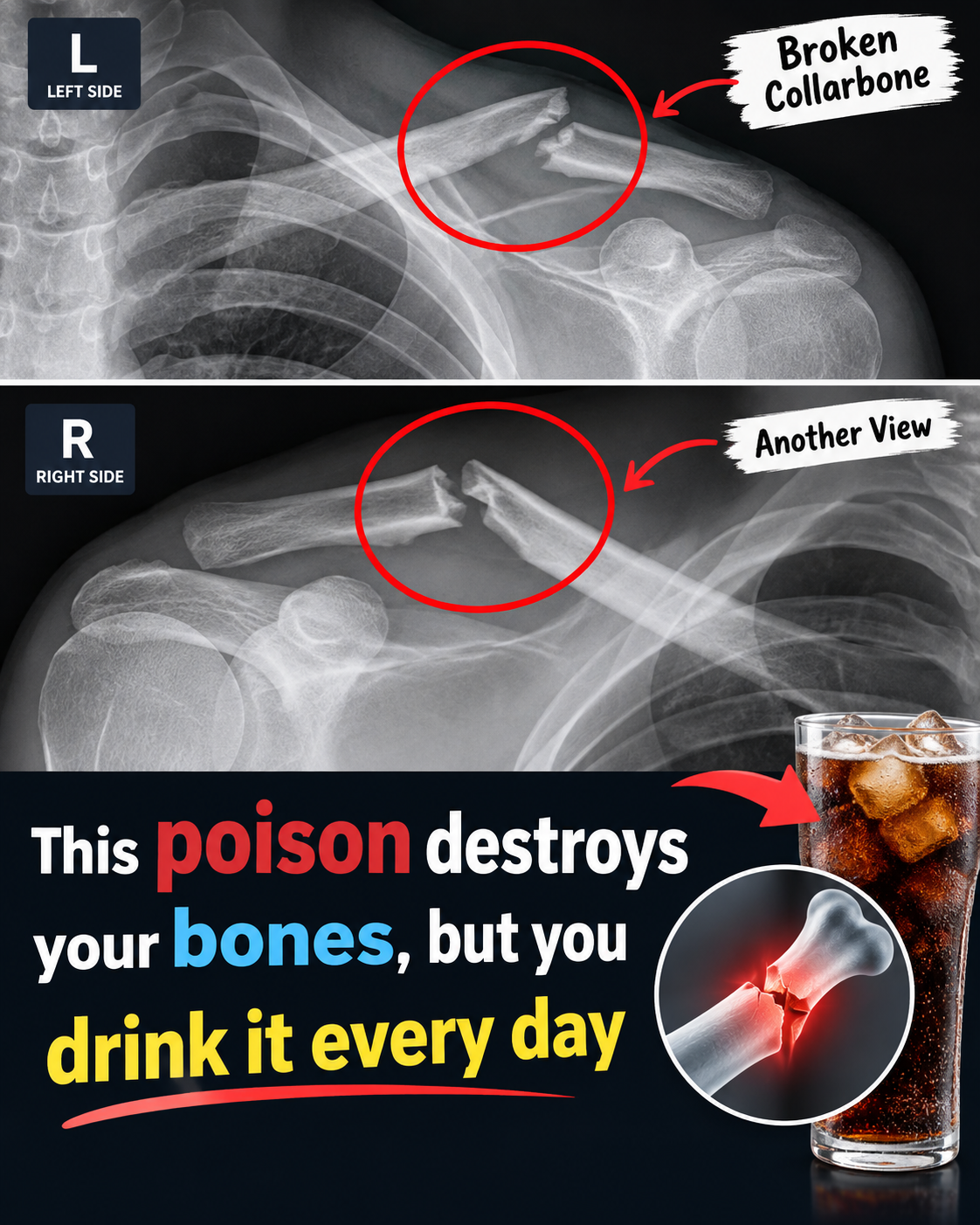
This Drink May Weaken Your Bones From The Inside sounds alarming, but the real story about soda and bone health is more nuanced. Drinking a can of soda does not suddenly pull calcium out of your skeleton or make your bones brittle overnight. However, regularly drinking certain soft drinks can become part of a dietary pattern that leaves your bones with less of what they need.
Researchers have found associations between frequent cola consumption and lower bone mineral density in some groups, particularly women. At the same time, studies have not shown the same relationship consistently with every carbonated beverage. That distinction matters because carbonation itself does not appear to be the main problem.
I used to think the warning about soda and bones was simple: phosphoric acid supposedly entered your body and immediately “dissolved” calcium. Once I looked at the evidence, that explanation fell apart. Bone metabolism is far more complicated. What seemed more convincing was the everyday pattern around soda: a bottle at lunch instead of milk, another with dinner instead of water, and suddenly a drink with almost no calcium had replaced beverages or foods that could have supplied nutrients the skeleton actually uses.
That is why This Drink May Weaken Your Bones From The Inside should not become a fear-based message. An occasional soda is unlikely to determine your bone health. Long-term patterns involving calcium, vitamin D, physical activity, smoking, alcohol, hormones, age, medications, and overall nutrition matter far more.
What Soda Really Does to Bone Health
Cola Has Been Linked With Lower Bone Density in Some Research
One frequently cited study comes from the Framingham Osteoporosis Study. Researchers examined more than 2,500 adults and found that women who consumed cola more often had lower bone mineral density at several hip sites. Daily cola drinkers had lower measurements than women who drank cola less than once a month. Interestingly, researchers did not find the same relationship in men.
The finding does not prove that cola directly caused bone loss. The study was observational, which means researchers identified a relationship but could not establish cause and effect. People who drink more soda may also differ in diet, exercise, smoking, nutrient intake, or other behaviors that influence bone health.
Another important detail often disappears from online summaries. Researchers did not find a significant relationship between non-cola carbonated beverages and bone mineral density in that study. That suggests the carbonation itself is unlikely to explain the association.
So the accurate takeaway is not “all fizzy drinks destroy bones.” Instead, frequent cola consumption has shown an association with lower bone density in some populations, and scientists continue to debate which factors explain that relationship.
Phosphoric Acid Is Not a Simple Bone-Dissolving Chemical
Cola often contains phosphoric acid, which gives the drink acidity and helps create its familiar flavor. Because phosphorus and calcium interact in the body, people sometimes claim that phosphoric acid directly drains calcium from bones.
The biology is not that simple. Phosphorus is actually an essential mineral and forms part of hydroxyapatite, the mineral structure that gives bones and teeth strength. The NIH notes that calcium and phosphorus metabolism are closely regulated by hormones including vitamin D and parathyroid hormone.
Very high phosphorus intake combined with low calcium intake may affect this balance, but evidence connecting phosphorus intake alone with lower bone mineral density remains mixed. In the Framingham cola study, total phosphorus intake was not significantly higher among daily cola drinkers. However, their calcium-to-phosphorus ratio tended to be lower.
Therefore, describing phosphoric acid as something that simply “leaches” calcium from your bones overstates the evidence. The greater concern may involve the overall dietary pattern surrounding frequent cola consumption rather than one ingredient acting alone.
Why What Soda Replaces May Matter Even More
Calcium-Rich Drinks Can Disappear From the Diet
Bones store almost all of the calcium in the human body. Calcium helps maintain skeletal structure throughout life, while vitamin D helps the intestine absorb calcium effectively. Adults generally need around 1,000 to 1,200 milligrams of calcium per day depending on age and sex, while children and adolescents have age-specific needs that can reach 1,300 milligrams during important bone-building years.
That creates a practical concern with soda. If someone regularly chooses soda instead of milk, fortified plant beverages, or other calcium-rich foods and drinks, total calcium intake can fall. Over years, inadequate calcium intake can contribute to weaker bones and osteoporosis risk.
This displacement effect may help explain why soda consumption attracts particular concern during childhood and adolescence. Young people build a substantial amount of their lifetime bone mass during these years. A diet dominated by low-nutrient drinks can crowd out foods that supply calcium, protein, vitamin D, magnesium, and other nutrients needed for development.
The same principle matters later in life. Bone loss accelerates after menopause, while age-related bone loss also affects men. At that stage, maintaining adequate nutrient intake becomes especially important.
Caffeine May Play a Small Role, but Calcium Intake Matters More
Many colas contain caffeine, so researchers have also examined whether caffeine harms bones. The results remain mixed.
A review of human studies found that caffeine can slightly reduce intestinal calcium absorption. However, the effect appears relatively small, particularly in people who consume enough calcium. Some researchers have concluded that the relationship between caffeinated drinks and poorer bone health may partly reflect the fact that people who consume more caffeine sometimes consume less milk and calcium.
A later review similarly found inconsistent results. Some studies linked caffeine with reduced bone mineral density or higher fracture risk, while others found little meaningful effect. The researchers emphasized that dose, age, calcium intake, and other lifestyle factors influence the relationship.
This is an important distinction for This Drink May Weaken Your Bones From The Inside. Moderate caffeine intake does not automatically damage a well-nourished skeleton. Bone health depends on the complete dietary and lifestyle picture.
If a person drinks caffeinated cola throughout the day while consuming little calcium, rarely exercising, and smoking, the risk profile looks very different from someone who occasionally drinks cola while meeting nutritional needs and staying active.
Sugar, Soda, and the Bigger Health Picture
Regular Soda Delivers Large Amounts of Added Sugar
Bone health is only one reason to reconsider frequent soda consumption. Regular soda can contain a substantial amount of added sugar. The CDC estimates that a typical 12-ounce regular soda contains about 10 teaspoons of sugar and roughly 155 calories.
Frequently consuming sugar-sweetened beverages is associated with several health problems, including weight gain, obesity, type 2 diabetes, heart disease, fatty liver disease, cavities, and gout. Sugar-sweetened drinks also remain one of the leading sources of added sugars in the American diet.
These effects do not mean every person who drinks soda will develop those conditions. Associations describe increased risk across populations, not guaranteed outcomes for individuals. Quantity and frequency matter greatly.
Still, liquid sugar can accumulate surprisingly quickly because drinks often provide less satiety than solid food. Someone may consume a large soda alongside a full meal without reducing food intake enough to compensate for those additional calories.
That makes reducing sugary beverages one of the simpler dietary changes available to people who want to lower added sugar without radically changing everything they eat.
Diet Soda Removes Sugar but Does Not Automatically Build Better Bones
Switching from regular soda to diet soda removes most or all of the added sugar and calories, which can be useful for someone specifically trying to reduce sugar intake. However, that does not transform soda into a calcium-rich or nutrient-dense beverage.
The Framingham study found that diet cola also showed an association with lower bone mineral density in women, although observational research cannot establish whether the drink itself caused the difference.
That finding reinforces the broader point: bone health cannot be reduced to sugar alone. If diet soda still replaces calcium-rich drinks, the nutritional displacement issue remains.
You also do not need to view diet soda as inherently toxic. A reasonable approach looks at how often you drink it, what it replaces, and the quality of the rest of your diet.
If you enjoy a diet soda occasionally while drinking plenty of water and meeting your calcium and vitamin D needs, that pattern differs greatly from relying on soda as your main beverage every day.
Smarter Ways to Protect Your Bones Without Giving Up Everything
Build Bone Health Around Nutrients and Movement
Calcium deserves attention because almost all of the body’s calcium is stored in bones. Good dietary sources can include milk, yogurt, cheese, calcium-fortified plant beverages, certain fish with edible bones, tofu made with calcium, and selected leafy greens. Individual needs vary, so people with dietary restrictions may benefit from professional guidance.
Vitamin D also matters because it helps support calcium absorption. Depending on diet, sun exposure, age, skin characteristics, medical conditions, and location, some people may struggle to maintain adequate vitamin D levels. A healthcare professional can advise whether testing or supplementation makes sense.
Physical activity provides another major piece of the bone-health puzzle. Weight-bearing exercise and resistance training place controlled stress on bones and muscles, encouraging the body to maintain strength. Walking, stair climbing, strength exercises, and other suitable activities can contribute to a healthier musculoskeletal system.
Bone health also benefits from avoiding smoking and limiting excessive alcohol. Meanwhile, people with osteoporosis risk factors, long-term steroid use, previous fractures, or certain medical conditions should discuss bone-density screening with a clinician.
No beverage choice can compensate for every other risk factor. Likewise, one soda cannot undo a consistently healthy lifestyle.
Make Soda a Choice Instead of the Default
You do not need a dramatic soda “detox.” Gradual changes often work better because they allow habits and taste preferences to adjust.
Start by noticing how often you drink soda rather than immediately banning it. If you regularly drink three cans per day, replacing just one with water or another unsweetened drink creates a meaningful reduction over time.
Water remains the simplest everyday option. Unsweetened sparkling water can provide carbonation without added sugar, while unsweetened tea offers another alternative. Milk and appropriately fortified plant beverages can contribute calcium and other nutrients, although nutritional content varies between products.
If you genuinely enjoy soda, consider reserving it for meals, social occasions, or specific days instead of keeping it within reach all day. That approach reduces total consumption without turning the drink into a forbidden food.
The most useful lesson behind This Drink May Weaken Your Bones From The Inside is not that everyone should fear soda. It is that beverages become powerful through repetition. What you drink every day matters much more than what you occasionally enjoy.
Frequently Asked Questions
Does soda actually cause osteoporosis?
Research has linked frequent cola consumption with lower bone mineral density in some groups, particularly women, but observational studies do not prove that cola directly causes osteoporosis. Bone health depends on many factors, including calcium and vitamin D intake, age, hormones, activity, smoking, medications, and genetics.
Does carbonation weaken bones?
Current evidence does not show that carbonation itself is the main problem. In the Framingham Osteoporosis Study, cola was associated with lower bone density in women, while non-cola carbonated drinks were not.
Does phosphoric acid remove calcium from bones?
That popular explanation oversimplifies the science. Phosphorus is an essential component of bone itself, and the body tightly regulates calcium and phosphorus metabolism. High phosphorus combined with low calcium may affect bone-related hormones, but evidence that phosphoric acid in cola directly strips calcium from bones remains incomplete.
Is diet soda better for your bones than regular soda?
Diet soda removes the large added-sugar load found in regular soda, but it does not provide the calcium and other nutrients needed for bone health. Some observational studies have also linked diet cola with lower bone density, although that does not prove causation.
What should I drink instead of soda?
Water makes an excellent default beverage. Unsweetened sparkling water and unsweetened tea can also provide variety. Milk and calcium-fortified plant beverages can contribute nutrients important for bone health, provided they fit your dietary needs.
Conclusion
This Drink May Weaken Your Bones From The Inside points toward soda, particularly cola, but the evidence requires more nuance than the headline suggests.
Soda does not simply dissolve your skeleton. Carbonation itself has not emerged as the primary concern, and phosphoric acid should not be described as directly stripping calcium from bones.
However, frequent cola consumption has been associated with lower bone mineral density in women in observational research. At the same time, soda can replace calcium-rich drinks and foods, while regular varieties contribute substantial amounts of added sugar.
Those patterns matter most when they become daily habits.
Your bones need adequate calcium, vitamin D, physical activity, and an overall supportive lifestyle. Almost all of the body’s calcium resides in the skeleton, and chronically inadequate calcium intake can contribute to weaker bones and osteoporosis risk.
So there is no need to panic over the soda you had at lunch.
Instead, look at what happens most days.
If soda has become your default drink, gradually replacing some of it with water or nutrient-rich alternatives can improve the overall quality of your diet. If you already consume soda only occasionally and meet your nutritional needs, there is little reason to treat a single glass as a threat to your skeleton.
Bone health is built over years.
And just like bone loss, the habits that protect your bones usually happen quietly, one ordinary choice at a time.
More Blog
- Drinking Water on an Empty Stomach — What Science Actually Supports (No Hype, Just Facts)
- Waking Up Between 3 and 5 AM? It Might Be Your Soul Trying to Talk to You
- What a “Bleach” Patch on Your Underwear Really Means — And Why It’s Actually a Good Sign
- One Month Before a Heart Attack: 7 Subtle Warning Signs Your Body May Send (And What to Do)