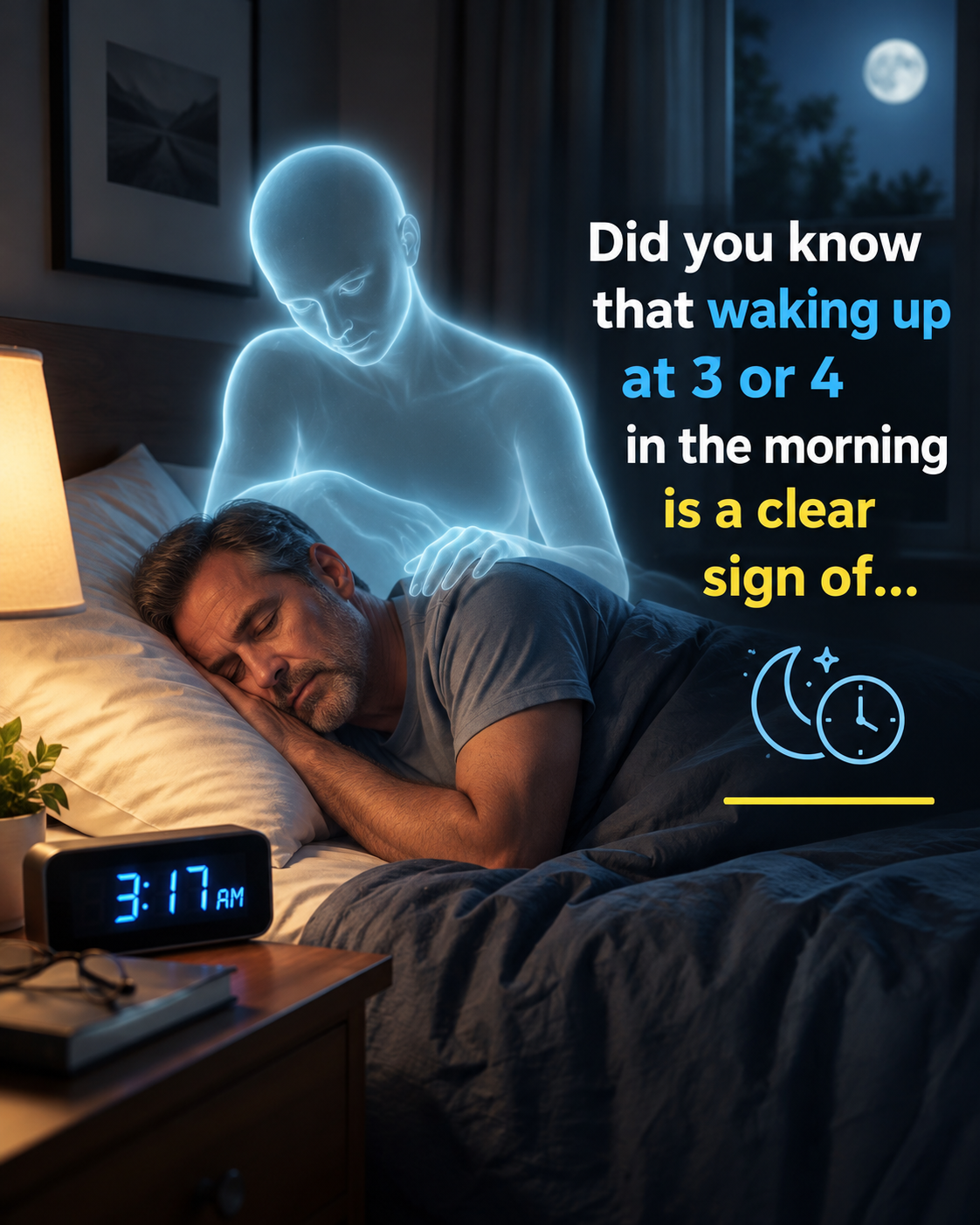
Waking Up Between 3 and 5 AM can feel strangely significant. The house is silent, the world outside seems suspended, and your mind may suddenly feel sharper than it did all day. For some people, that experience feels spiritual. For others, it feels frustrating, especially when the alarm clock will ring only a few hours later.
There is no scientific evidence that waking during this specific window proves that your soul, a spirit guide, or another unseen force is trying to communicate with you. However, many spiritual traditions treat the pre-dawn hours as meaningful for prayer, reflection, meditation, and emotional insight. At the same time, sleep science offers several practical reasons why people often wake in the early morning.
I used to think that waking at 3:30 or 4:00 AM meant I had simply slept badly. Then I noticed something interesting: those quiet wake-ups sometimes came during periods when I felt emotionally overloaded during the day. Nothing supernatural needed to happen for the moment to feel important. The silence simply gave my mind enough space to notice thoughts I had pushed aside. That experience changed how I viewed early waking. Instead of immediately labeling it as a problem, I started asking what my body, habits, stress level, and inner life might be telling me.
The healthiest approach is to hold both possibilities gently. You can honor spiritual meaning if it matters to you while also paying attention to sleep quality, stress, hormones, breathing, medications, and other physical factors.
Why Waking Up Between 3 and 5 AM Feels So Different
The Science of Early-Morning Sleep
Sleep moves through repeating cycles rather than staying equally deep all night. During the earlier part of the night, people generally spend more time in deep sleep. As morning approaches, sleep becomes lighter and rapid eye movement, or REM sleep, takes up a larger share of each cycle.
Because sleep becomes lighter toward morning, brief awakenings can happen more easily. You may wake because of a sound, a change in temperature, the need to urinate, a dream, discomfort, or a shift in your internal clock. Sometimes you notice the awakening because your brain has moved closer to full alertness.
Your circadian rhythm also begins preparing your body for morning before you consciously decide to wake. Hormonal changes gradually support alertness as the night ends. Therefore, waking around 3, 4, or 5 AM can occur without anything being “wrong.”
However, repeated early waking can also happen with insomnia. Stress, anxiety, depression, alcohol, pain, menopause, sleep apnea, and certain medications can all disrupt sleep. If early waking leaves you exhausted during the day, happens frequently, or continues for weeks, it deserves more attention than a spiritual interpretation alone.
Why the Quiet Can Feel Spiritually Powerful
Even without scientific proof of a supernatural cause, the pre-dawn hours can feel different psychologically. Fewer messages arrive. Traffic quiets. Other people stop asking for your attention. Your brain has fewer distractions competing for space.
That stillness can make inner thoughts feel unusually vivid. A concern you avoided during the day may suddenly surface. A creative idea may become clearer. An unresolved emotion may feel more noticeable.
Many spiritual traditions have long used early morning for prayer or meditation for exactly this reason. The value may come partly from the environment itself. Silence, darkness, and solitude create conditions that support reflection.
If Waking Up Between 3 and 5 AM feels spiritually meaningful to you, you do not need to prove that interpretation scientifically for the experience to have personal value. You can use the moment for journaling, prayer, breathing, or quiet reflection while still respecting the physical needs of your body.
The key is to avoid turning every wake-up into a warning or prophecy. Meaning can be helpful. Fear usually is not.
Spiritual Traditions and What They Say About the Pre-Dawn Hours
Traditional Chinese Medicine and the “Lung Time” Idea
Traditional Chinese Medicine, or TCM, describes the day through a system of two-hour cycles associated with different organ networks. Within that traditional framework, the period from roughly 3 to 5 AM is often linked with the lungs.
TCM also connects the lung system with grief, sadness, breathing, and the process of letting go. Because of that tradition, some people interpret repeated waking during this period as a possible sign of unresolved emotional heaviness.
It is important to understand what this claim means scientifically. Modern medical research does not confirm that the lungs become uniquely active between 3 and 5 AM in the way the traditional “organ clock” describes. The concept belongs to a traditional medical philosophy rather than established sleep physiology.
Still, you can use the idea as a reflective prompt rather than a diagnosis. If you consistently wake at this time, you might ask whether grief, stress, sadness, or emotional overload has occupied more of your attention lately.
You can also consider practical respiratory causes. Nasal congestion, allergies, asthma symptoms, dry air, reflux, and sleep apnea can disturb sleep. If breathing feels difficult at night, focus on medical evaluation rather than assuming the cause is purely emotional.
Prayer, Meditation, and the Spiritual Meaning of Dawn
Many religious and spiritual traditions give the pre-dawn period special importance. People have used those hours for prayer, contemplation, chanting, meditation, and ritual for centuries.
The appeal makes sense. Early morning provides solitude, and solitude can make spiritual practice easier. Your mind may feel less crowded before work, responsibilities, notifications, and conversation begin.
Some modern spiritual communities describe 3 to 5 AM as a period when intuition becomes stronger or when communication with a “higher self” feels easier. Others talk about guides, energetic shifts, or a thinner “veil” between spiritual and physical worlds.
Science cannot confirm those metaphysical claims. That does not mean you must dismiss a personal spiritual experience, but it does mean you should avoid treating such ideas as medical facts.
A useful approach is to ask what the experience brings into your awareness. If you wake peacefully and feel inspired, a few minutes of quiet reflection may feel meaningful. If you wake frightened, panicked, gasping, or repeatedly unable to return to sleep, treat the physical symptoms seriously.
Spiritual interpretation works best when it complements self-care instead of replacing it.
What Your 3 to 5 AM Wake-Up May Actually Be Telling You
Stress, Anxiety, Hormones, and Sleep Habits
Stress often becomes louder at night because distractions disappear. You may fall asleep exhausted, then wake several hours later with your thoughts moving quickly. Financial concerns, family conflict, work pressure, grief, or uncertainty can all contribute.
Alcohol can also produce early-morning waking. Although it may make you sleepy initially, alcohol can fragment sleep later in the night. Caffeine taken too late in the day can create a similar problem, especially in people who metabolize it slowly.
Hormonal changes can affect sleep too. People going through perimenopause or menopause may experience night sweats, temperature changes, and repeated awakenings. Pregnancy, menstrual-cycle changes, thyroid problems, and some medications can also influence sleep quality.
Environmental factors matter as well. A room that becomes too warm, a partner who snores, pets moving around, street noise, or early morning light can pull you out of lighter sleep.
If Waking Up Between 3 and 5 AM happens regularly, look at patterns before assigning meaning. Notice bedtime, alcohol intake, caffeine timing, stress levels, bedroom temperature, and whether you snore or wake gasping.
A simple sleep diary can reveal patterns that feel invisible from night to night.
When Early Waking Deserves Medical Attention
Occasional early waking is normal. Persistent early waking that damages daytime functioning deserves more attention.
Speak with a healthcare professional if you wake too early several nights a week and struggle to return to sleep for an extended period. Also seek help if the problem continues for weeks or leaves you exhausted, irritable, unfocused, or unsafe while driving or working.
Breathing symptoms need particular attention. Loud snoring, choking, gasping, morning headaches, dry mouth, and severe daytime sleepiness can suggest sleep apnea. This condition repeatedly interrupts breathing during sleep and can increase long-term cardiovascular risk.
Mood symptoms matter too. Early-morning waking can sometimes occur with depression, especially when it appears alongside persistent sadness, loss of interest, appetite changes, hopelessness, or other emotional symptoms.
Pain, reflux, frequent nighttime urination, restless legs, and medication side effects can also disrupt sleep. Treating the underlying problem often works better than focusing only on the clock.
The goal is not to medicalize every wake-up. It is to recognize when a repeating pattern starts affecting your health and daily life.
How to Respond When You Wake Between 3 and 5 AM
Use the Moment for Reflection Without Feeding Anxiety
If you wake feeling calm, resist the urge to immediately check your phone. Bright screens, notifications, and upsetting news can push your brain toward full wakefulness.
Instead, take a few slow breaths and notice how you feel. You might ask yourself what thought appeared first or whether anything has felt emotionally unfinished lately. Keep the reflection gentle rather than demanding an answer.
If spiritual practice matters to you, this can be a natural moment for prayer, meditation, gratitude, or journaling. You do not need to search for a hidden message every night. Sometimes the value comes from simply being quiet.
Avoid interpreting every repeated wake-up as a sign that something terrible will happen. That kind of thinking can create sleep anxiety, which then makes future awakenings more likely.
If you feel sleepy again, allow yourself to return to bed without forcing the experience to become meaningful.
If your mind keeps racing, write down one or two thoughts and tell yourself you can revisit them in daylight. Giving your brain a place to “store” a concern can make letting go easier.
Build Habits That Make Returning to Sleep Easier
A regular sleep schedule can strengthen your circadian rhythm. Try to keep your bedtime and waking time reasonably consistent, even on weekends.
Create a cool, dark, quiet bedroom. Avoid heavy meals, excessive alcohol, and large amounts of caffeine close to bedtime. If you know caffeine affects you strongly, stop consuming it earlier in the day.
When you wake at night, avoid staring at the clock repeatedly. Clock-checking can turn a simple awakening into a stressful calculation about how many hours remain before morning.
If you stay awake for a long period and begin feeling frustrated, get out of bed and do something quiet in dim light. Read a calm book, practice relaxed breathing, or listen to something gentle. Return to bed when sleepiness returns.
Regular exercise can improve sleep quality, although intense workouts immediately before bed may keep some people alert. Daytime exposure to natural light also helps anchor the body clock.
Most importantly, treat sleep as a health need rather than a personal test. Some nights will be better than others. A single 4 AM awakening does not mean your body has failed, and it does not necessarily carry a hidden message.
Frequently Asked Questions
Is waking up between 3 and 5 AM a spiritual sign?
Some spiritual traditions interpret the pre-dawn hours as meaningful, but science does not show that waking during this window proves spiritual communication. You can still use the moment for reflection or prayer if that interpretation feels personally valuable.
Why do I keep waking up around the same time every night?
Your circadian rhythm, sleep cycles, stress, environmental triggers, alcohol, caffeine, hormones, medications, pain, or breathing problems may all contribute. Repeating patterns often reflect the body’s internal timing combined with consistent triggers.
What does Traditional Chinese Medicine say about waking at 3 to 5 AM?
Traditional Chinese Medicine associates roughly 3 to 5 AM with the lung system and sometimes connects this period with grief and letting go. Modern medical science does not validate the organ-clock concept as a diagnostic system, so treat it as a traditional framework rather than a medical test.
Should I get out of bed if I wake at 4 AM?
If you still feel sleepy, staying in bed and relaxing may work. If you remain fully awake and frustrated for an extended period, getting up briefly for a quiet activity in dim light can help reduce the association between bed and wakefulness.
When should I worry about waking up too early?
Consider medical advice if early waking happens frequently, continues for weeks, causes significant daytime fatigue, or comes with symptoms such as gasping, choking, loud snoring, severe mood changes, persistent pain, or other health concerns.
Conclusion
Waking Up Between 3 and 5 AM can feel mysterious because the world becomes unusually quiet while your mind becomes unexpectedly alert.
For some people, that quiet creates a genuine sense of spiritual connection. Prayer, meditation, journaling, or reflection during the pre-dawn hours can feel deeply meaningful. Many traditions have valued this time for centuries.
However, no scientific evidence shows that waking during this specific window automatically means your soul, a spirit guide, or another unseen force is sending you a message.
Sleep science offers several ordinary explanations. Sleep naturally becomes lighter toward morning. Stress, alcohol, hormones, medications, breathing problems, pain, temperature, and environmental noise can all make early waking more likely.
The best response does not require choosing between spirituality and science.
You can listen inwardly while also paying attention to your body.
You can ask what feels unresolved while checking whether your sleep habits need adjustment.
You can honor a meaningful spiritual practice while seeking medical help if repeated sleep disruption affects your health.
Most importantly, avoid fear.
A 3:47 AM wake-up does not automatically predict something bad, nor does it necessarily indicate that anything is wrong.
Sometimes your body simply reaches a lighter stage of sleep.
Sometimes your mind finally has enough silence to process the day.
And sometimes the quiet itself becomes meaningful because it gives you something modern life rarely offers: a few uninterrupted minutes to listen.
More Blog
- Drinking Water on an Empty Stomach — What Science Actually Supports (No Hype, Just Facts)
- What a “Bleach” Patch on Your Underwear Really Means — And Why It’s Actually a Good Sign
- This Drink May Weaken Your Bones From The Inside — But Everyone Drinks It Anyway
- One Month Before a Heart Attack: 7 Subtle Warning Signs Your Body May Send (And What to Do)