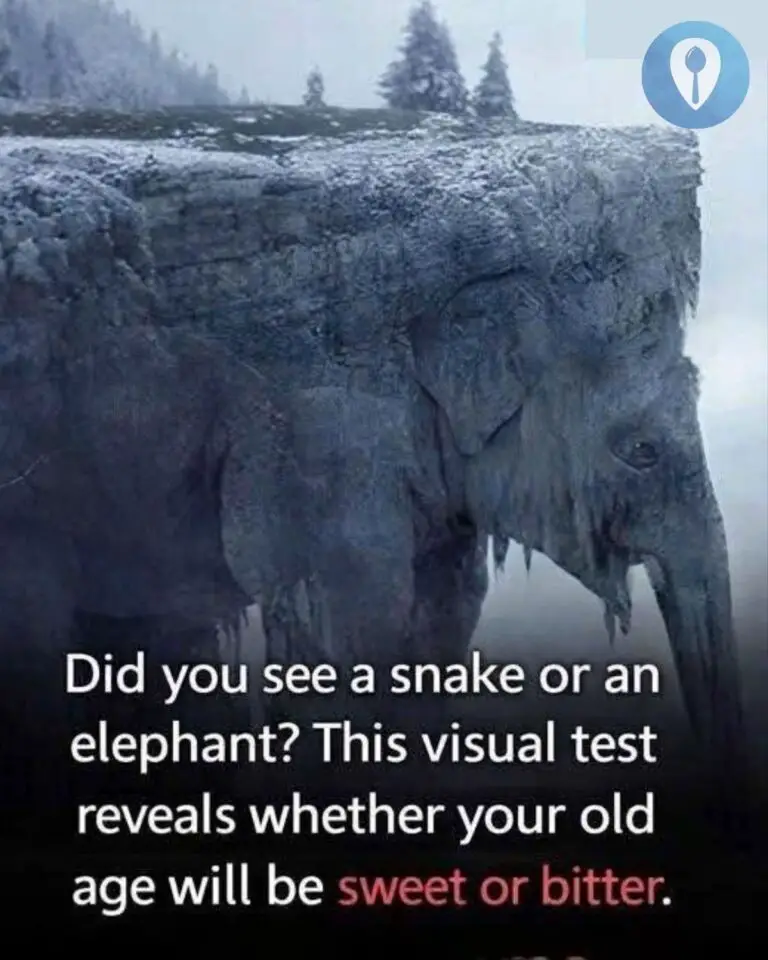
The Hidden Cost of Constant Scrolling is not just that we spend more time on our phones than we planned. The deeper issue is that constant exposure to rapidly changing information can train us to move through the world too quickly. We skim headlines, swipe through videos, glance at photographs, and abandon thoughts before they have time to develop.
Digital tools offer real benefits. They help us communicate, learn, work, navigate, and discover ideas we might never have encountered otherwise. However, endless feeds create a different rhythm of attention. They reward speed, novelty, and immediate reaction, which can make slower forms of noticing feel surprisingly difficult.
I started noticing this in small moments. I would open my phone to check one message, then realize several minutes later that I had watched videos I did not even remember choosing. The strange part was not the time itself. It was how quickly my attention shifted from one thing to another without any moment feeling complete. When I began putting the phone down more intentionally, ordinary details started returning: the sound of rain against a window, a phrase in a conversation, the way afternoon light changed a room. None of these things were new. I had simply stopped noticing them.
That is the heart of The Hidden Cost of Constant Scrolling. It can make life feel full of information while leaving us less aware of what actually deserves attention. Understanding why this happens can help us use technology more deliberately without rejecting it altogether.
Why Our Brains Move So Quickly Through Information
First Impressions Save Energy but Miss Detail
The human brain constantly sorts enormous amounts of information. It has to decide what matters, what looks familiar, what might be dangerous, and what can safely be ignored. To manage that workload, the brain uses mental shortcuts.
Psychologists often describe these shortcuts as heuristics. They help us make fast judgments without analyzing every detail from the beginning. In everyday life, that efficiency is useful. You do not need to study every chair before sitting down or examine every familiar doorway before walking through it.
However, those same shortcuts can limit deeper understanding. When something appears familiar, we may decide we already understand it before looking closely. A headline seems predictable, so we assume we know the article. A person makes one expression, and we assume we know how they feel. A photograph resembles thousands we have already seen, so we stop examining it.
This process becomes especially important in fast digital environments. When every swipe introduces a new image, headline, opinion, or emotional cue, the brain has little incentive to slow down. It categorizes, reacts, and moves on.
As a result, The Hidden Cost of Constant Scrolling can include an increasing reliance on first impressions. We feel informed because we have seen many things, but exposure is not the same as understanding.
Attention Is Selective, Not Unlimited
Attention feels effortless until several things compete for it at once. In reality, the brain cannot fully process every stimulus in the environment simultaneously. It selects certain information and lets other details fade into the background.
This limitation explains why someone can look directly at an object and still fail to notice something obvious about it. Psychologists often study this phenomenon through experiments involving inattentional blindness, where people focus so strongly on one task that they miss an unexpected event happening in plain view.
Daily life creates milder versions of the same effect. You may read a message while walking and barely register the buildings around you. You might scroll during a television program and realize that you missed an important scene. You can even sit across from someone while mentally preparing your reply instead of hearing what they are actually saying.
None of this means attention has permanently disappeared. It simply means attention follows priorities. When digital content constantly presents new stimuli, novelty can become the priority.
That is why deliberate attention matters. The goal is not to notice everything. No one can. The goal is to choose more consciously what deserves sustained attention instead of letting every new stimulus make that decision for us.
How Digital Design Encourages Fast Viewing
Infinite Feeds Remove Natural Stopping Points
Older forms of media often had built-in endings. A newspaper page ended. A television episode finished. A book chapter concluded. Even browsing a store eventually brought you to the end of an aisle.
Many digital platforms remove those natural boundaries.
Infinite scrolling means new content appears as long as you continue moving your thumb. There is no obvious point when the experience tells you to stop. One video becomes another, and one post leads directly into the next.
This design makes continued viewing extremely easy. The next piece of content does not require a deliberate choice. It simply arrives.
That matters because stopping requires more mental effort than continuing. When there is no natural pause, we have to create one ourselves. Without that pause, minutes can pass with little sense of transition.
The Hidden Cost of Constant Scrolling becomes easier to understand in this context. The problem is not simply weak self-control. Digital environments often reduce the friction that would normally help us decide whether we actually want to continue.
Creating small stopping points can help. You might decide to close an app after responding to a message, finish one article before opening another, or move the phone away once a particular task ends. Those tiny boundaries restore a decision that infinite feeds often remove.
Novelty Keeps Pulling Attention Forward
Human beings naturally notice change. A sudden sound, movement, bright color, or new face can capture attention because novelty once had obvious survival value. Something new might represent an opportunity or a threat.
Digital platforms take advantage of that sensitivity to novelty. Every swipe promises something different. The next post could be funny, shocking, useful, irritating, beautiful, or personally relevant. Because we do not know what comes next, the uncertainty itself can keep us engaged.
This pattern resembles what psychologists call variable reinforcement. Rewards do not appear consistently, which can make people keep checking for the next satisfying item. Not every post interests you, but occasionally one does. That unpredictability encourages another swipe.
The problem is that novelty and importance are not the same thing. A new piece of content can feel urgent simply because it is new. Meanwhile, something meaningful may require staying with the same idea long enough for it to become interesting.
That difference explains why reading several pages of a difficult book can initially feel less stimulating than scrolling through dozens of short posts. The book asks attention to remain in one place. The feed constantly refreshes it.
Once you recognize that pattern, you can start separating genuine interest from automatic checking. That shift does not require abandoning digital media. It simply means noticing when novelty has taken control of your attention.
What We Lose When We Stop Looking Closely
Small Details Carry More Meaning Than We Realize
Many important things reveal themselves slowly.
A friend may say “I’m fine,” but their tone suggests otherwise. A child may show you a drawing that seems simple until you notice the tiny details they carefully included. A familiar neighborhood may look completely different when you walk through it without headphones or a phone in your hand.
Slow observation gives these details room to appear.
When attention constantly jumps ahead, we often miss subtle information because subtle information does not demand attention. It waits for attention.
This is one reason photography, drawing, gardening, cooking, woodworking, and similar activities can feel calming. They require looking long enough to notice differences that fast viewing ignores. Texture, proportion, sound, temperature, and small changes become meaningful again.
The Hidden Cost of Constant Scrolling may therefore extend beyond concentration. It can reduce our sensitivity to the ordinary details that make experiences memorable.
Memory also benefits from attention. Events tend to feel richer when we actively notice them. A day filled with constant distraction can feel strangely empty afterward because little received sustained attention long enough to become a clear memory.
Slowing down does not make every moment extraordinary. It simply allows ordinary moments to become more fully experienced.
Relationships Suffer When Attention Becomes Fragmented
Attention communicates value.
When someone speaks and you look at them, listen, and respond thoughtfully, your attention signals that the conversation matters. When you repeatedly glance at a phone, even unintentionally, the interaction can feel divided.
This happens in families, friendships, classrooms, workplaces, and romantic relationships. The phone does not need to dominate the entire conversation to affect it. Even the possibility of an incoming notification can pull part of the mind away.
Fragmented attention also makes misunderstandings more likely. We may hear only part of what someone says and fill in the rest. We may respond quickly instead of asking a clarifying question. We may interpret tone incorrectly because we were only half listening.
The solution is not unrealistic perfection. Everyone gets distracted. The goal is to create moments where attention feels whole.
Putting a phone face down during a conversation can help. Leaving it in another room during dinner can help even more. So can asking a follow-up question before changing the subject.
These gestures seem small, but they restore something important: the experience of being fully present with another person.
That may be one of the most valuable responses to The Hidden Cost of Constant Scrolling. Attention is not just a personal resource. It is something we give to others.
How to Rebuild the Habit of Paying Attention
Practice Slow Looking in Ordinary Life
You do not need meditation retreats or complicated routines to strengthen attention. Start with ordinary situations.
The next time you drink coffee, notice the temperature, smell, and flavor before reaching for your phone. When walking somewhere familiar, look for three details you have never noticed before. When listening to music, let an entire song finish without checking another app.
These practices sound simple because they are simple. Their purpose is not to create another productivity challenge. They remind the brain that staying with one experience can feel rewarding.
You can also experiment with slow reading. Instead of scanning several articles, choose one and finish it. Afterward, ask yourself what the main idea was. That small reflection encourages deeper processing.
Another useful habit involves photographs. Before taking a picture, spend a few seconds simply looking. Notice what made you want to photograph the scene in the first place. Sometimes the act of seeing matters more than collecting another image.
Over time, these small habits can counter the automatic urge to move immediately to the next thing.
Build Digital Friction on Purpose
Technology becomes easier to manage when you make unwanted habits slightly less convenient.
Turn off nonessential notifications. Move frequently used social apps away from the first screen of your phone. Remove shortcuts that encourage reflexive opening. Some people find grayscale mode helpful because it reduces the visual intensity of app icons and feeds.
You can also decide where scrolling belongs in the day rather than allowing it to fill every empty moment. For example, you might check social media during a specific break but leave short waiting periods unfilled.
Those empty moments can initially feel uncomfortable. Reaching for a phone has become so automatic that boredom can feel like a problem that needs immediate correction.
However, boredom has value. It creates space for wandering thoughts, observation, and reflection. It may also encourage creativity because the mind begins generating its own stimulation instead of constantly receiving it.
Most importantly, avoid turning digital boundaries into another source of guilt. You do not need a perfect screen-time record. You simply need enough awareness to notice when technology supports your goals and when it quietly replaces them.
The aim is balance, not withdrawal.
Frequently Asked Questions
Does scrolling really shorten your attention span?
The relationship is more complicated than saying that scrolling permanently damages attention. Fast, frequently changing digital content can encourage habits of rapid switching and make sustained tasks feel less immediately rewarding. However, attention remains adaptable, and people can strengthen sustained focus through practice and environmental changes.
Why do I open my phone without thinking?
Habit plays a major role. Repeatedly checking a phone in response to boredom, waiting, stress, or notifications can create automatic behavior. Eventually, the cue alone may trigger the action before you consciously decide to check anything.
Is social media always bad for attention?
No. Social media can support learning, connection, creativity, and community. Problems are more likely when use becomes automatic, highly fragmented, or replaces activities that require deeper attention. How you use a platform matters more than simply having an account.
How can I stop scrolling so much without deleting everything?
Start by adding friction. Disable unnecessary notifications, move apps off your home screen, create specific checking times, and keep your phone out of reach during focused activities. Small environmental changes often work better than relying entirely on willpower.
How long does it take to improve attention?
There is no single timeline because attention depends on habits, sleep, stress, environment, mental health, and the type of task. However, even small changes can make a noticeable difference quickly. Consistency matters more than dramatic digital detoxes.
Conclusion
The Hidden Cost of Constant Scrolling is not that technology has made us incapable of paying attention. It is that many digital environments make rapid attention switching extremely easy and sustained attention comparatively difficult.
When every idle moment becomes an opportunity to refresh a feed, we can lose practice in simply observing. We skim instead of reading. We react instead of reflecting. We collect images without fully seeing the moments they capture.
The good news is that attention remains flexible.
You can rebuild the habit of noticing by slowing down in small ways. Finish one article. Listen through an entire song. Leave the phone alone during a conversation. Walk somewhere without filling every second with audio or notifications.
These actions may seem insignificant, but they change the texture of everyday life.
You begin noticing expressions.
You hear pauses in conversations.
You recognize familiar places in new ways.
You remember more.
Most importantly, you become less likely to rush past experiences simply because something newer waits one swipe away.
The world has not become less interesting. In many cases, we have simply become accustomed to moving through it too quickly.
Sometimes the most surprising thing is already in front of us.
We only have to stay long enough to see it.
More Blog
- Drinking Water on an Empty Stomach — What Science Actually Supports (No Hype, Just Facts)
- Waking Up Between 3 and 5 AM? It Might Be Your Soul Trying to Talk to You
- What a “Bleach” Patch on Your Underwear Really Means — And Why It’s Actually a Good Sign
- This Drink May Weaken Your Bones From The Inside — But Everyone Drinks It Anyway