Severe Constipation and Toxic Megacolon: Causes, Warning Signs, and When to Seek Help addresses two digestive problems that people sometimes confuse online. Constipation is extremely common, while toxic megacolon is rare and potentially life-threatening. Although both conditions can involve abdominal swelling and changes in bowel function, they usually develop for very different reasons.
Constipation generally means having fewer than three bowel movements a week, passing hard or difficult stools, or feeling that stool remains after a bowel movement. Most cases do not progress to a medical emergency. However, persistent or severe constipation can sometimes cause fecal impaction and other complications that require medical treatment.
Toxic megacolon is fundamentally different. It involves severe inflammation of the colon, significant colonic dilation, and signs that the entire body has become seriously ill. Inflammatory bowel disease and severe infections, particularly Clostridioides difficile infection, rank among its most important causes.
I once heard someone describe toxic megacolon as what happens when ordinary constipation simply “builds up too long.” That explanation sounds intuitive, especially when you imagine stool accumulating inside the bowel. However, it misses the defining feature of toxic megacolon: severe colonic inflammation accompanied by systemic toxicity. Learning that distinction changes how you look at symptoms. Instead of becoming frightened whenever you miss a bowel movement, you can focus on the specific warning signs that actually require urgent attention.
Understanding Severe Constipation and Toxic Megacolon
What Severe Constipation Actually Does to the Bowel
Constipation can take several forms. Some people have infrequent bowel movements, while others pass small, dry stools or strain significantly. Additionally, a person can have a bowel movement and still feel as though the rectum has not emptied completely.
Several factors can contribute to constipation. A low-fiber diet, inadequate fluid intake, reduced physical activity, changes in routine, and certain medications can play a role. Medical conditions that affect the digestive tract, nerves, muscles, hormones, or metabolism can also interfere with normal bowel movements.
When severe constipation continues, stool may become increasingly dry and difficult to remove. Eventually, a large mass can become stuck in the rectum or colon, producing fecal impaction. Interestingly, people with significant stool retention can sometimes experience watery leakage because liquid stool passes around the hardened mass.
Persistent straining can also contribute to hemorrhoids and anal fissures. Therefore, long-lasting constipation deserves attention even when it does not represent an emergency. A clinician can help identify medications, dietary factors, pelvic-floor problems, or underlying diseases that may contribute to the symptoms.
What Makes Toxic Megacolon Different
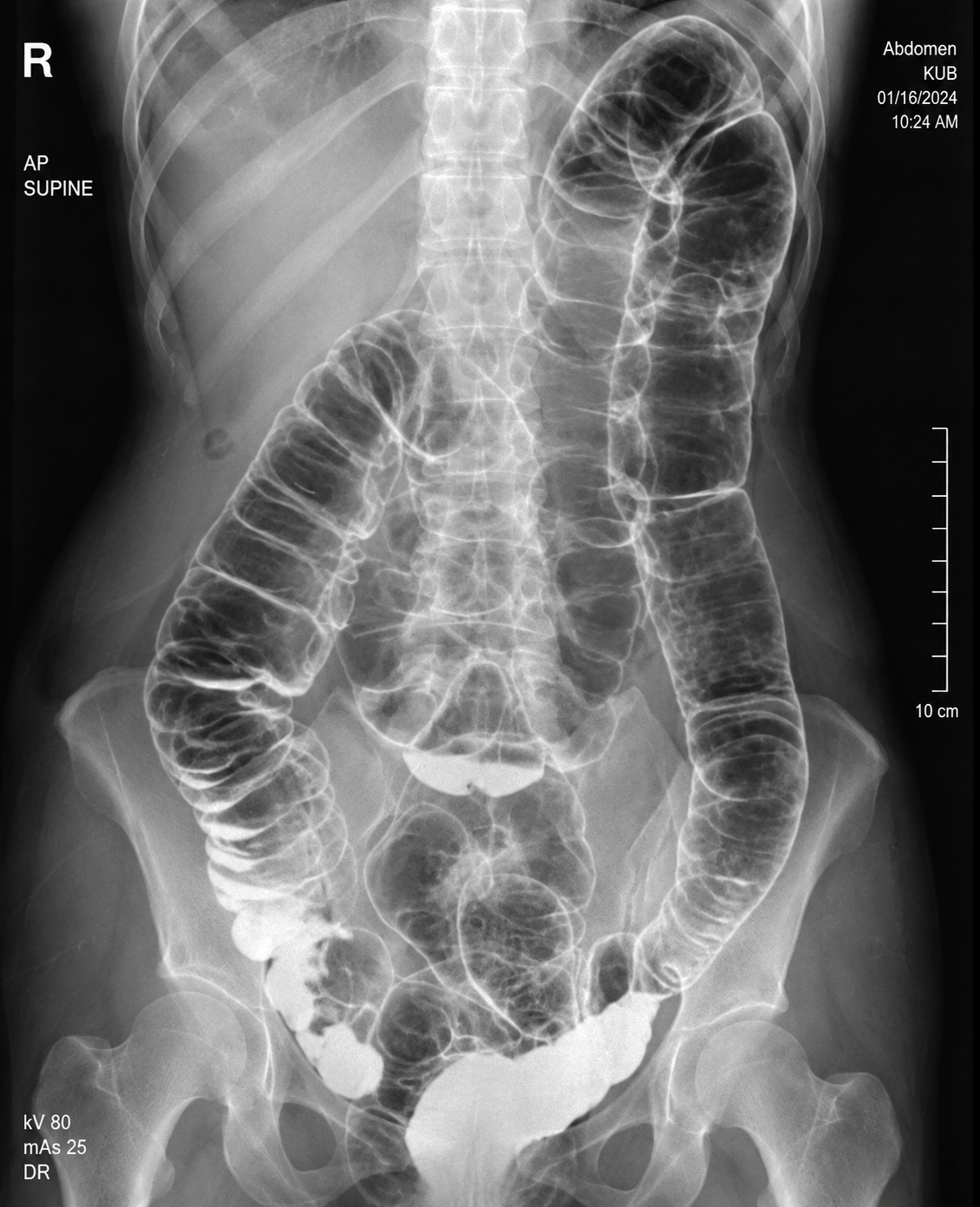
Toxic megacolon does not simply mean an unusually full colon. Doctors use the term for severe, nonobstructive dilation of the colon occurring together with systemic toxicity. In other words, the patient is not merely constipated or bloated; the patient is seriously ill.
The condition most commonly develops as a complication of severe inflammation. Ulcerative colitis represents an important underlying cause, although Crohn disease affecting the colon can also lead to it. Furthermore, severe infectious colitis can trigger toxic megacolon, with C. difficile representing a particularly important infectious cause.
Clinicians generally look for substantial colonic dilation on imaging together with signs such as fever, a very rapid heart rate, abnormal white blood cell counts or anemia, and additional evidence of systemic illness. Low blood pressure, dehydration, altered mental status, and electrolyte abnormalities can accompany the condition.
Therefore, ordinary constipation and toxic megacolon should not be treated as different stages of the same routine problem. Severe constipation can become medically serious, but toxic megacolon usually arises from severe colonic inflammation rather than everyday stool retention.
Causes and Complications You Should Understand
Why Constipation Can Become Severe
Constipation often develops because several smaller factors occur together. For example, someone may drink less water, eat fewer fiber-rich foods, become less active, and begin taking a medication that slows intestinal movement. The combined effect may become much stronger than any individual factor.
Medications deserve particular attention. Some opioid pain medicines and drugs with anticholinergic effects can slow bowel movement considerably. Supplements and medications can also affect bowel habits, so persistent constipation should prompt a review of everything a person takes rather than an assumption that diet caused the problem.
However, treatment should match the cause. Simply adding large amounts of fiber does not solve every form of constipation, especially when a person has a suspected bowel obstruction, severe abdominal pain, vomiting, or significant fecal impaction. Those symptoms require medical assessment rather than aggressive home treatment.
Severe stool retention can cause substantial discomfort, abdominal bloating, rectal pain, and difficulty passing stool. Meanwhile, prolonged straining can aggravate hemorrhoids or create small tears around the anus. Consequently, persistent symptoms should not be ignored simply because constipation is common.
If constipation repeatedly returns or does not improve with appropriate self-care, a clinician can investigate further. The goal is not only to produce a bowel movement but also to understand why normal bowel function has changed.
What Can Trigger Toxic Megacolon
Toxic megacolon develops when severe inflammation interferes with the colon’s normal muscular activity. The bowel loses tone and begins to dilate. As the condition progresses, patients can develop dangerous systemic illness and complications such as perforation, peritonitis, sepsis, and organ failure.
Inflammatory bowel disease represents a major risk factor. Severe ulcerative colitis has a particularly well-established connection, while Crohn colitis can also produce the condition. Additionally, infections from C. difficile and several other organisms can cause sufficiently severe inflammation to trigger toxic megacolon.
Certain circumstances can worsen colonic dilation in someone who already has severe colitis. For example, opioids and medications with anticholinergic effects can reduce intestinal motility. Low potassium and some procedures involving an already inflamed colon may also contribute to deterioration.
Importantly, toxic megacolon occurs inside the abdominal cavity. Online descriptions sometimes claim that the enlarged colon rises into the chest and directly compresses the heart. That description oversimplifies the anatomy because the diaphragm separates the abdominal and thoracic cavities.
Nevertheless, severe abdominal distension can affect breathing and circulation when illness becomes critical. The danger comes from severe inflammation, dilation, infection, perforation, sepsis, and related complications rather than from an ordinary constipated colon simply pushing directly against the heart.
Warning Signs and When Constipation Becomes an Emergency
Symptoms That Require Prompt Medical Attention
Most occasional constipation does not require emergency treatment. However, the symptoms accompanying constipation matter as much as the number of days since the last bowel movement.
According to the National Institute of Diabetes and Digestive and Kidney Diseases, someone with constipation should seek medical attention promptly for rectal bleeding, blood in the stool, constant abdominal pain, inability to pass gas, vomiting, fever, lower-back pain, or unintentional weight loss.
An inability to pass either stool or gas combined with increasing abdominal swelling and vomiting deserves particular attention because those symptoms can occur with intestinal obstruction. A blockage differs from ordinary constipation and may require imaging and urgent treatment.
Likewise, severe or worsening abdominal pain should not automatically lead to taking more laxatives. Abdominal pain can have many causes, including conditions unrelated to constipation. Therefore, rapidly worsening symptoms require professional evaluation.
Persistent constipation without emergency symptoms still deserves a conversation with a healthcare professional when self-care fails. New constipation that represents a major change from someone’s usual bowel pattern also warrants evaluation, especially when other concerning symptoms occur.
Warning Signs of Toxic Megacolon
Toxic megacolon usually produces a much more dramatic illness than uncomplicated constipation. Common symptoms include severe abdominal pain, pronounced abdominal distension, fever, nausea, vomiting, diarrhea that may contain blood, and a general feeling of being extremely unwell.
A rapid heart rate can accompany the illness. As the condition worsens, dehydration, low blood pressure, confusion, and electrolyte disturbances can develop. These systemic findings help distinguish toxic megacolon from simple abdominal bloating or occasional difficulty passing stool.
Doctors confirm the diagnosis using clinical findings, laboratory tests, and imaging. One commonly used set of diagnostic criteria includes colonic dilation greater than 6 centimeters on imaging together with several indicators of systemic toxicity.
Toxic megacolon requires hospital treatment. Clinicians may provide intravenous fluids, correct electrolyte abnormalities, treat the underlying inflammatory or infectious disease, and monitor the colon closely. They may also involve surgeons early because perforation, worsening sepsis, ischemia, or failure to respond to medical treatment can make surgery necessary.
Therefore, anyone experiencing severe abdominal distension with significant pain, fever, rapid heart rate, bloody diarrhea, faintness, confusion, or rapidly worsening illness should seek emergency medical care rather than attempting to manage the problem at home.
Supporting Healthy Bowel Function Safely
Everyday Steps That Can Help Prevent Constipation
For uncomplicated constipation, basic daily habits can support regular bowel movements. Adequate hydration helps stool maintain an appropriate consistency. Meanwhile, fiber from vegetables, fruits, legumes, and whole grains can add bulk and help stool move through the digestive system.
However, people should increase fiber gradually. A sudden large increase can cause uncomfortable gas and bloating, particularly in someone whose digestive system has adapted to a low-fiber diet. Drinking enough fluids becomes especially important as dietary fiber increases.
Regular movement can also support normal bowel function. Even simple activities such as walking can complement other healthy habits. Additionally, responding to the natural urge to have a bowel movement may help prevent unnecessary stool retention.
Some people need laxatives or other treatments. However, the appropriate choice depends on the situation, medications, medical history, and type of constipation. Persistent symptoms deserve individualized guidance rather than repeated experimentation with increasingly aggressive remedies.
Most importantly, home constipation strategies apply to otherwise stable people with uncomplicated symptoms. They should not replace medical assessment when someone has severe pain, fever, vomiting, inability to pass gas, significant bleeding, or rapidly increasing abdominal distension.
Why Diagnosis Matters More Than a Quick Home Remedy
Constipation describes a symptom pattern rather than one single disease. Consequently, two people with similar bathroom difficulties may have completely different underlying causes.
One person may simply need more dietary fiber and fluid. Another may have medication-induced constipation. Someone else may have pelvic-floor dysfunction, slow movement through the colon, fecal impaction, or an intestinal obstruction. Treating every case identically can therefore delay appropriate care.
The same principle applies even more strongly to toxic megacolon. Because the condition represents a medical emergency, home remedies cannot safely treat it. Patients need evaluation to identify the underlying inflammatory or infectious cause and to detect dangerous complications.
Additionally, clinicians may avoid medications that slow the bowel in patients with toxic megacolon. StatPearls specifically notes that opioids and anticholinergic medications can aggravate the condition.
Therefore, the safest approach combines reasonable prevention with attention to warning signs. Occasional mild constipation often responds to everyday measures. Persistent constipation warrants medical discussion, while severe systemic symptoms require urgent evaluation.
Understanding those categories reduces unnecessary fear while also making it easier to recognize a genuine emergency.
Frequently Asked Questions
Can severe constipation turn into toxic megacolon?
Ordinary constipation does not typically progress into toxic megacolon. Toxic megacolon most often develops because severe colonic inflammation disrupts normal bowel function, particularly in inflammatory bowel disease or severe infectious colitis.
How long is too long to go without a bowel movement?
There is no single number of days that defines an emergency for everyone. Constipation generally includes having fewer than three bowel movements per week, but symptoms such as severe pain, vomiting, fever, bleeding, or inability to pass gas matter more when deciding whether urgent evaluation is necessary.
Can constipation cause a swollen abdomen?
Yes. Stool and gas retention can cause bloating, fullness, and visible abdominal distension. However, severe or rapidly increasing swelling accompanied by pain, vomiting, fever, or inability to pass gas requires medical assessment because obstruction or another serious condition may be present.
Does toxic megacolon always cause constipation?
No. In fact, diarrhea, including bloody diarrhea, commonly occurs with toxic megacolon because severe inflammatory or infectious colitis often causes the underlying disease.
When should I go to the emergency department for bowel symptoms?
Seek urgent medical care for severe or constant abdominal pain, marked or rapidly worsening distension, vomiting, inability to pass gas, significant rectal bleeding, fever with serious abdominal symptoms, fainting, confusion, or other signs of severe illness. These symptoms require evaluation rather than additional home laxatives.
Conclusion
Severe Constipation and Toxic Megacolon: Causes, Warning Signs, and When to Seek Help comes down to one essential distinction: constipation and toxic megacolon are not simply mild and severe versions of the same condition.
Constipation commonly involves infrequent bowel movements, hard stools, straining, or incomplete evacuation. Although severe constipation can cause complications such as fecal impaction, most cases do not develop into toxic megacolon.
Toxic megacolon, by contrast, involves dangerous colonic dilation together with systemic illness. Severe inflammatory bowel disease and infectious colitis, especially C. difficile, represent important causes. Without prompt treatment, complications can include perforation, sepsis, and organ failure.
For ordinary constipation without warning signs, gradual improvements in fiber intake, hydration, activity, and bathroom habits can often support healthier bowel function. Persistent or recurrent problems, however, deserve medical evaluation so the underlying cause can be identified.
Above all, pay attention to the symptoms surrounding constipation. Severe or constant abdominal pain, vomiting, fever, inability to pass gas, bleeding, confusion, or rapidly worsening abdominal swelling should never be dismissed as “just constipation.”
Recognizing that difference allows you to approach common constipation calmly while taking truly dangerous symptoms seriously.
More Blog
- Drinking Water on an Empty Stomach — What Science Actually Supports (No Hype, Just Facts)
- Waking Up Between 3 and 5 AM? It Might Be Your Soul Trying to Talk to You
- What a “Bleach” Patch on Your Underwear Really Means — And Why It’s Actually a Good Sign
- This Drink May Weaken Your Bones From The Inside — But Everyone Drinks It Anyway