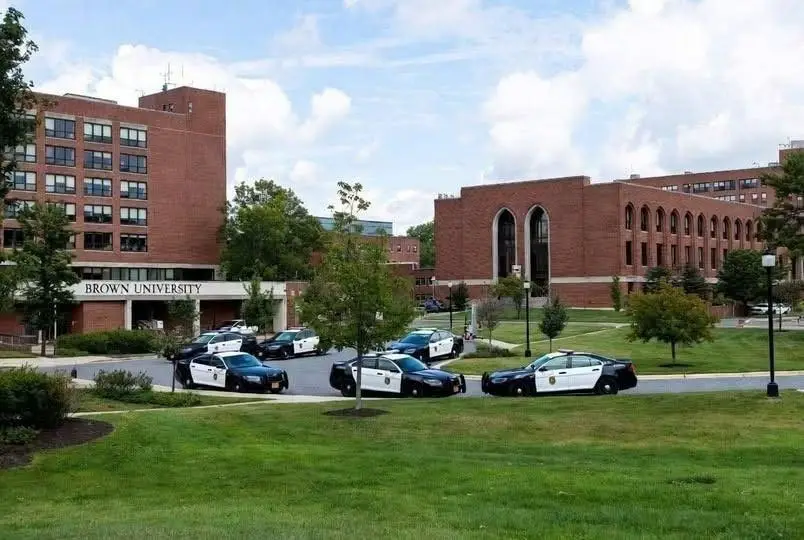
Some headlines stop the world for a moment.
Phones go silent.
Classrooms feel heavier.
Parents hold their children a little tighter.
Communities pause, searching for words that never seem big enough for the grief unfolding around them.
When violence enters a school, it shakes something deep inside all of us.
Schools are supposed to represent safety, growth, friendship, and possibility. So when tragedy interrupts those spaces, the emotional impact spreads far beyond one building or one town. Students, teachers, parents, first responders, and even strangers carrying the story from afar can experience fear, heartbreak, anger, and helplessness all at once.
And after the sirens fade and news alerts slow down, a quieter reality begins:
People are left trying to figure out how to keep going.
The Weight of Collective Grief
In moments like these, grief rarely arrives in a neat or predictable way.
Some people cry immediately.
Others feel numb.
Some obsessively follow updates online.
Others avoid every headline because it hurts too much.
All of these responses are human.
Trauma affects people differently depending on:
- Personal experiences
- Age
- Emotional history
- Proximity to the event
- Previous exposure to violence or loss
There is no “correct” way to process collective tragedy.
And one of the most important things we can do for ourselves and others is stop judging emotional responses that look different from our own.
For Students: Fear Does Not Make You Weak
Young people often struggle to explain the emotional impact of traumatic events.
A student may suddenly experience:
- Trouble sleeping
- Difficulty concentrating
- Anxiety at school
- Irritability
- Emotional withdrawal
- Physical symptoms like headaches or stomach pain
Even students far from the event can feel shaken because school violence disrupts a basic sense of safety.
Adults sometimes underestimate how deeply children absorb fear through:
- Social media
- Group chats
- News coverage
- Conversations overheard at home
That’s why reassurance matters.
Not false promises.
Not forced positivity.
Just calm, honest support:
“You are safe right now.”
“I’m here with you.”
“We will get through this together.”
Those words matter more than many people realize.
For Parents: Your Calm Presence Matters
Parents often feel pressure to have perfect answers after traumatic events.
But children rarely need perfect answers.
They need emotional safety.
One of the healthiest things a caregiver can say is:
“I don’t know everything yet, but we’ll face this together.”
That honesty builds trust while reducing fear.
Experts often recommend:
- Limiting nonstop news exposure
- Encouraging children to ask questions
- Keeping routines as stable as possible
- Watching for behavioral changes
- Reassuring children repeatedly, not just once
Because children often revisit fear in waves.
A calm conversation tonight may need repeating tomorrow.
And that’s okay.
For Teachers and School Staff: The Emotional Burden Is Real
Educators carry an enormous emotional weight during and after school crises.
Teachers are not only processing their own fear and grief — they are also expected to support frightened students while maintaining stability inside classrooms that may suddenly feel emotionally unfamiliar.
Many educators experience:
- Emotional exhaustion
- Hypervigilance
- Secondary trauma
- Guilt
- Burnout
Yet teachers often suppress their own emotions because they feel responsible for staying strong for students.
That pressure can become overwhelming.
Supporting educators means recognizing that they are human beings first — not emotional machines expected to absorb trauma endlessly without support themselves.
The Role of Community During Crisis
After tragedy, communities naturally want to help.
And honestly, that instinct matters.
But meaningful support usually looks quieter than social media suggests.
Real support may include:
- Delivering meals
- Offering childcare
- Donating through verified channels
- Providing transportation
- Sitting silently beside someone grieving
- Respecting privacy
Small acts of steadiness become lifelines during chaotic moments.
Sometimes healing begins not through grand speeches, but through ordinary kindness repeated consistently.
The Danger of Rumors and Speculation
One of the hardest parts of modern tragedies is how quickly misinformation spreads online.
In the absence of full information, people often rush to:
- Share rumors
- Speculate about motives
- Post graphic content
- Spread unverified screenshots
- Repeat inaccurate details
Unfortunately, this can deepen trauma for survivors and families.
It can also interfere with investigations and create unnecessary panic.
Compassion means slowing down before sharing information.
Not every detail needs to circulate immediately.
Not every theory deserves attention.
And not every tragedy should become public entertainment.
Talking to Children About Violence
Children process frightening events differently depending on age and personality.
Young children may:
- Ask repetitive questions
- Become clingy
- Fear separation
- Regress behaviorally
Teenagers may:
- Withdraw emotionally
- Express anger
- Spend excessive time online
- Hide anxiety behind humor or silence
Helpful conversations often focus on:
- Safety
- Emotional honesty
- Stability
- Open-ended listening
Instead of overwhelming children with details, simple grounding statements help:
“The helpers are working.”
“You are cared for.”
“We can talk anytime you need.”
Children do not always need explanations first.
Sometimes they need emotional regulation modeled by the adults around them.
Healing Does Not Happen Quickly
After public tragedies, attention fades faster than grief does.
But survivors and communities often continue carrying emotional wounds for months or years afterward.
Healing is rarely linear.
Some days may feel manageable.
Others may suddenly reopen fear unexpectedly.
A sound.
A headline.
A school hallway.
An anniversary date.
Trauma often returns in fragments.
That’s why long-term support matters more than temporary attention.
The Importance of Mental Health Support
Seeking emotional support after traumatic events is not weakness.
It is care.
Therapists, grief counselors, crisis workers, school psychologists, and support groups exist because trauma affects both mind and body.
People may benefit from:
- Counseling
- Peer support groups
- Community healing events
- Faith-based support
- Trauma-informed care
And importantly:
Healing does not require someone to “have it worse” before they deserve help.
Pain is not a competition.
Choosing Compassion Over Chaos
Tragedies often leave people desperate for certainty, blame, or immediate solutions.
But while conversations about prevention and policy matter deeply, the first human response should always be compassion.
Not arguments.
Not spectacle.
Not politicized shouting over fresh grief.
Just compassion.
Compassion for:
- Students
- Parents
- Educators
- Survivors
- First responders
- Entire communities trying to make sense of unbearable moments
Final Thoughts
In the wake of school violence, there are no perfect words.
There is only the choice of how we respond to one another afterward.
We can choose patience instead of panic.
Care instead of cruelty.
Listening instead of noise.
We can choose to protect grieving families from further harm.
We can choose to support children gently through fear.
We can choose to show up quietly and consistently for those carrying unimaginable pain.
Because while tragedy can fracture a community, compassion helps hold it together.
And sometimes healing begins with something as simple as reminding another human being:
“You do not have to carry this alone.”
More Blog
- Drinking Water on an Empty Stomach — What Science Actually Supports (No Hype, Just Facts)
- Waking Up Between 3 and 5 AM? It Might Be Your Soul Trying to Talk to You
- What a “Bleach” Patch on Your Underwear Really Means — And Why It’s Actually a Good Sign
- This Drink May Weaken Your Bones From The Inside — But Everyone Drinks It Anyway