The Hidden Meaning Behind Purple Paint
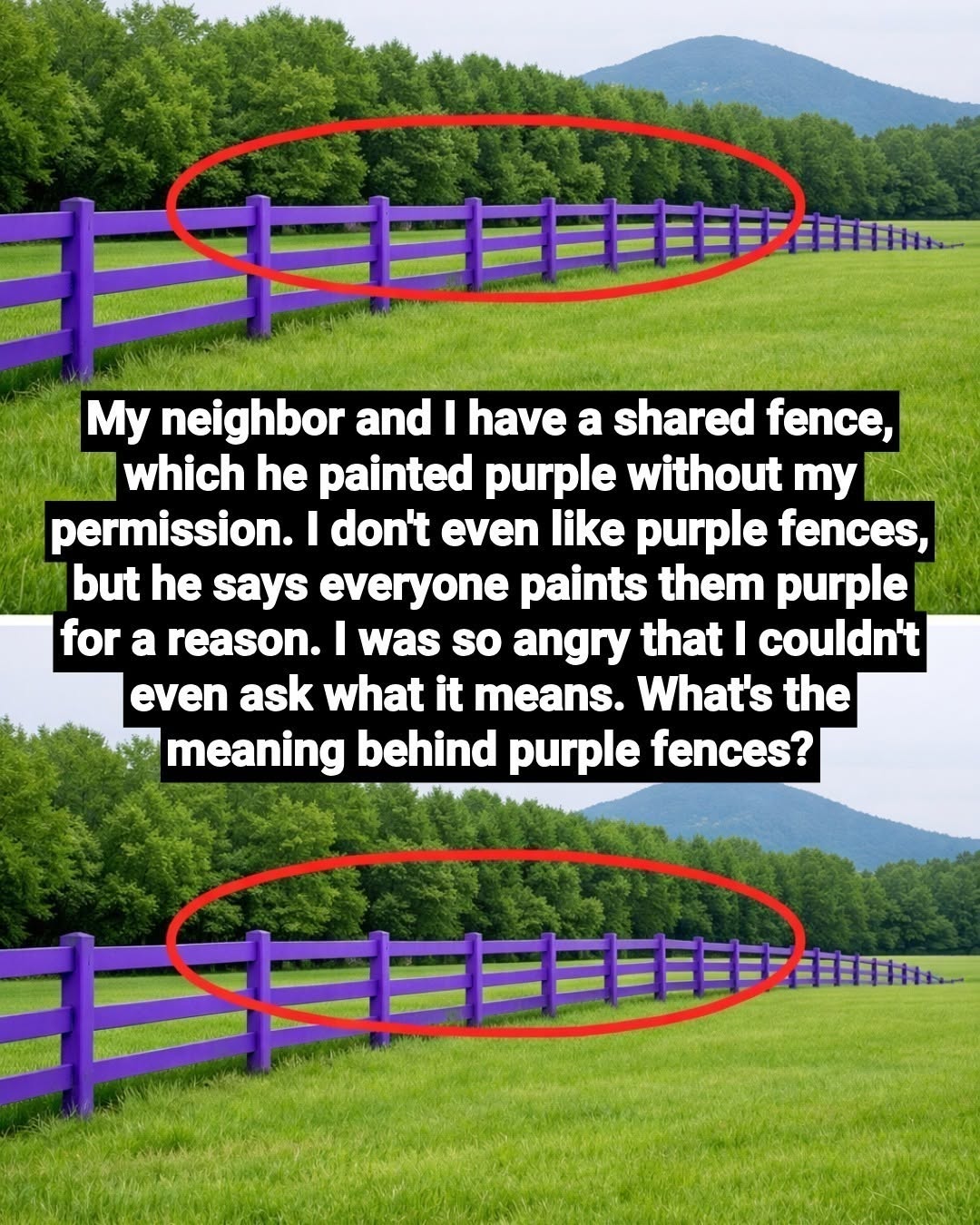
Imagine you’re hiking along a wooded trail, driving through the countryside, or exploring a rural area when you suddenly notice a bright purple stripe painted on a fence post or tree trunk.
At first glance, it may seem like a random splash of color. Perhaps it’s a survey marker, an artistic choice, or even a prank.
In reality, that purple paint may be sending a very important legal message.
Across many parts of the United States, especially in rural regions, purple paint serves as an official “No Trespassing” notice. In states that recognize Purple Paint Laws, those simple marks can carry the same legal authority as traditional signs that read “Private Property” or “No Trespassing.”
For outdoor enthusiasts, hunters, hikers, and travelers, understanding this unusual property marker can help avoid misunderstandings, legal problems, and conflicts with landowners.
Let’s explore what purple paint means, why it is used, where it applies, and what you should do if you encounter it.
What Is the Purple Paint Law?
The Purple Paint Law is a legal system that allows landowners to mark property boundaries using purple paint instead of posting traditional signs.
The concept was created to solve a practical problem.
Large farms, ranches, forests, and timber properties often contain miles of property lines. Posting and maintaining hundreds of signs can be expensive and time-consuming. Signs can also become damaged by weather, vandalized, stolen, or hidden by vegetation.
Purple paint offers a durable and inexpensive solution.
Instead of placing signs every few hundred feet, property owners simply apply highly visible purple paint marks to:
- Trees
- Fence posts
- Wooden stakes
- Rocks
- Boundary markers
In states where the law applies, those markings legally communicate that entry is prohibited without permission.
Why Was Purple Chosen?
Many people wonder why lawmakers selected purple rather than another color.
There are several practical reasons.
Highly Visible
Purple stands out against most natural backgrounds.
Whether the surroundings are:
- Green forests
- Brown soil
- Gray tree bark
- White snow
Purple remains easy to spot from a distance.
Rare in Nature
Unlike red, yellow, or orange, purple is relatively uncommon in natural outdoor environments.
This reduces confusion and makes the markings more noticeable.
Not Commonly Used for Utilities
Different colors are often reserved for utility markings.
For example:
- Red indicates electrical lines
- Yellow indicates gas lines
- Blue indicates water lines
- Orange indicates communication cables
Purple remains distinct and avoids confusion with these important markers.
Durable and Long-Lasting
Exterior-grade purple paint withstands weather conditions well.
Unlike paper or metal signs, paint cannot easily blow away, rust, or be removed.
How Purple Paint Markings Are Typically Applied
Although regulations vary from state to state, most Purple Paint Laws follow similar guidelines.
Typically, paint marks must be:
Vertical
The paint is usually applied as a vertical stripe rather than a horizontal line.
This creates a consistent appearance that is easily recognized.
Clearly Visible
Most states require the paint to be positioned at eye level or close to it.
Common placement ranges between three and five feet above the ground.
Large Enough to Be Seen
Many laws specify dimensions such as:
- Eight to twelve inches long
- At least one inch wide
This ensures visibility from a reasonable distance.
Repeated Along Property Boundaries
Landowners generally place multiple markings along property lines.
The spacing varies depending on state regulations and terrain.
In some locations, markers may appear every 100 feet, while others allow greater distances between marks.
States That Recognize Purple Paint Laws
Purple Paint Laws are not federal laws.
Instead, each state decides whether to adopt them.
States that have recognized some form of Purple Paint Law include:
- Arkansas
- Florida
- Illinois
- Indiana
- Iowa
- Kansas
- Maine
- Missouri
- Montana
- North Carolina
- Pennsylvania
- South Carolina
- Tennessee
- Texas
- Virginia
Additional states have adopted similar legislation or continue to consider it.
Because laws can change, it is always wise to check local regulations before entering private rural property.
Texas: One of the Best-Known Examples
Texas is often cited as one of the strongest examples of Purple Paint Law enforcement.
In Texas, properly placed purple paint carries the same legal significance as a posted no-trespassing sign.
Property owners can legally mark boundaries with paint rather than signs.
Anyone crossing those boundaries without permission may face:
- Criminal trespass charges
- Fines
- Court appearances
- Possible arrest
Many rural Texans rely on purple paint because ranches and agricultural properties often cover thousands of acres.
Why Landowners Prefer Purple Paint
Landowners appreciate purple paint for several reasons.
Lower Cost
Purchasing and installing hundreds of signs can become expensive.
Paint is far more affordable.
Reduced Maintenance
Signs can be damaged by:
- Wind
- Rain
- Snow
- Animals
- Vandalism
Paint generally requires less maintenance.
Better Visibility
Overgrown vegetation can hide signs.
Paint applied directly to trees and fence posts often remains visible even when vegetation changes with the seasons.
Improved Property Protection
Clear boundary markers help prevent accidental trespassing and reduce disputes between landowners and visitors.
What Should You Do If You See Purple Paint?
If you encounter purple paint on a fence post, tree, or rock, the safest approach is simple.
Stop and Assess
Recognize that the marking may indicate private property.
Do Not Continue Forward
Unless you have permission from the landowner, avoid crossing the marked boundary.
Look for Additional Information
Many properties also display:
- Gates
- Fences
- Written signs
- Contact information
These may provide further guidance.
Respect Private Property
Even if you believe the area is unoccupied, respect the owner’s rights and privacy.
Common Misconceptions About Purple Paint
Myth: Purple Paint Means Dangerous Animals
False.
Purple paint has nothing to do with wildlife warnings.
Myth: Purple Paint Is Used Nationwide
False.
The law only applies in states that have adopted it.
Myth: Purple Paint Always Means You Will Be Arrested
Not necessarily.
However, entering marked property without permission could expose you to legal consequences.
Myth: It’s Just Decoration
Usually not.
In rural areas, purple paint often serves a specific legal purpose.
Outdoor Activities and Purple Paint
If you enjoy outdoor recreation, understanding Purple Paint Laws is especially important.
Hunters
Hunters frequently travel near private property boundaries.
Recognizing purple paint helps avoid accidental trespassing violations.
Hikers
Trails may pass near private land.
Purple markers help identify where public access ends.
Campers
Remote camping areas can contain a mix of public and private land.
Knowing boundary markers prevents conflicts.
Off-Road Enthusiasts
ATV riders and off-road vehicle users should remain alert for property markings to avoid crossing onto restricted land.
How Property Owners Benefit
Purple Paint Laws do more than protect landowners.
They also create clearer communication.
Benefits include:
- Reduced disputes
- Improved safety
- Better privacy
- Stronger property rights
- Easier enforcement
When boundaries are clearly marked, misunderstandings become less likely.
The Future of Purple Paint Laws
As rural development increases and outdoor recreation becomes more popular, many states continue evaluating property-marking laws.
Purple paint remains attractive because it is:
- Cost-effective
- Easy to maintain
- Highly visible
- Legally recognizable
Some experts believe additional states may adopt similar laws in the future.
Final Thoughts
A purple stripe on a fence, tree, or post may seem insignificant, but in many states it carries an important legal message.
Rather than serving as decoration, those bright markings often indicate private property and function as a legally recognized “No Trespassing” notice.
Whether you’re hiking, hunting, camping, exploring back roads, or simply enjoying nature, paying attention to purple paint can help you stay safe, avoid legal trouble, and respect the rights of property owners.
The next time you spot a purple-painted fence or tree, you’ll know exactly what it means—and why it’s worth taking seriously.
More Blog
- Drinking Water on an Empty Stomach — What Science Actually Supports (No Hype, Just Facts)
- Waking Up Between 3 and 5 AM? It Might Be Your Soul Trying to Talk to You
- What a “Bleach” Patch on Your Underwear Really Means — And Why It’s Actually a Good Sign
- This Drink May Weaken Your Bones From The Inside — But Everyone Drinks It Anyway