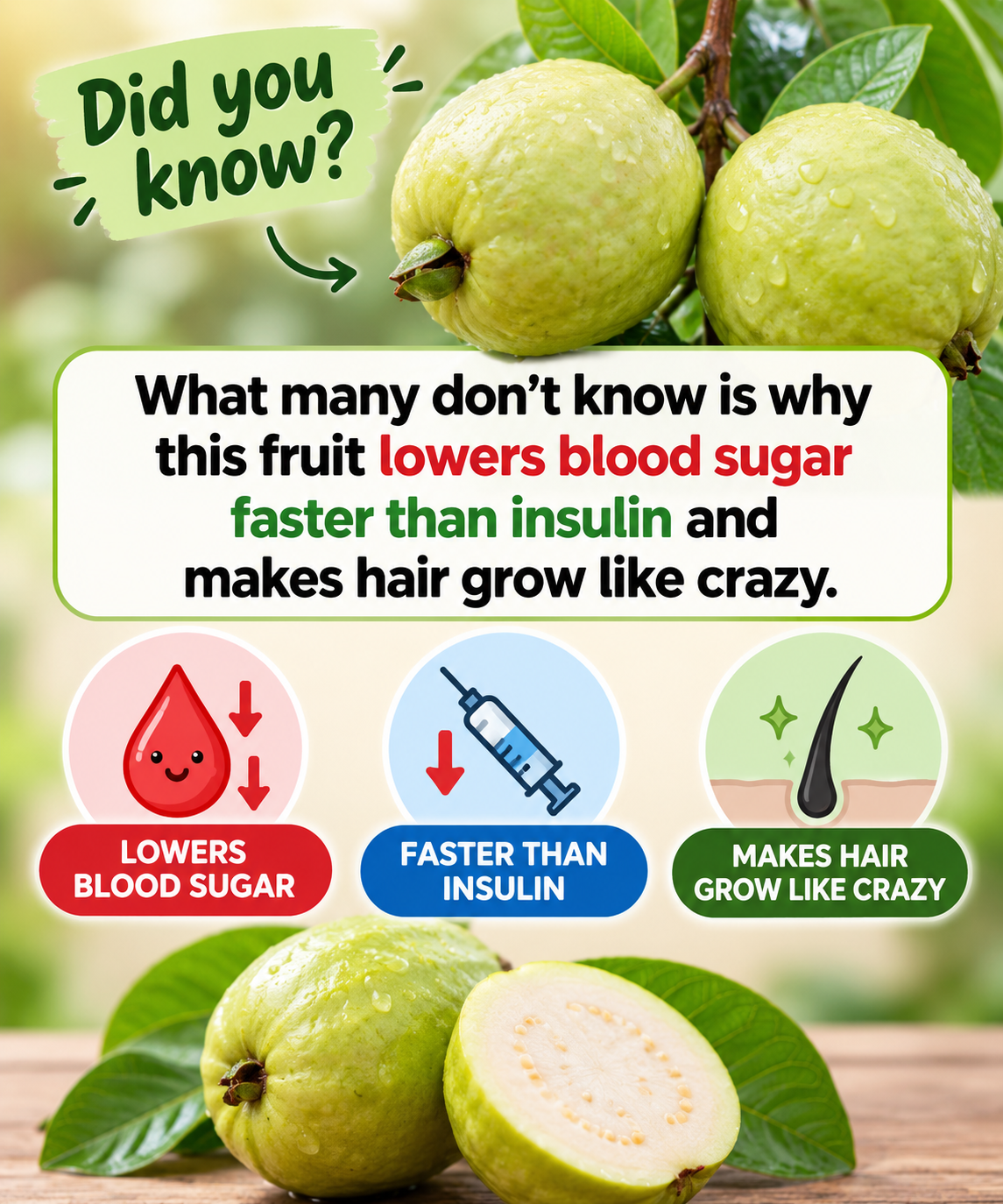
Fruit That May Help Keep Blood Sugar in Check may sound like a bold promise, especially because fruit naturally contains sugar. However, guava has several qualities that make it a practical option for people who want to build a more blood-sugar-conscious diet. It provides fiber, vitamin C, potassium, and plant compounds while delivering natural sweetness in a whole-food form.
Guava should not be treated as a diabetes cure or a replacement for medication. Still, whole fruit can fit into a balanced eating pattern, and research on fruit intake suggests that fruit does not need to disappear from the menu simply because someone is watching glucose levels. Some studies have also explored guava fruit and guava-derived extracts for possible effects on post-meal blood sugar, although the evidence remains limited.
What makes guava especially interesting is its combination of sweetness and fiber. Fiber slows digestion and can help make carbohydrate absorption more gradual compared with highly refined foods or sugary drinks. Therefore, eating whole guava generally makes more nutritional sense than drinking a sweetened guava beverage.
I first became interested in guava as a blood-sugar-friendly fruit because it does not feel like a “diet food.” It tastes fragrant and sweet, yet the seeds, flesh, and edible skin give it a substantial texture that encourages slower eating. I also noticed how differently it feels compared with drinking fruit juice, which disappears in a few sips. That contrast is a useful reminder that the form of a food matters. Whole fruit brings fiber and structure that processed drinks often lose, which can make a meaningful difference when building meals around steadier energy.
Why Guava May Support Better Blood Sugar Management
Fiber Helps Slow the Absorption of Carbohydrates
One of guava’s strongest nutritional advantages comes from its fiber content. Fiber adds bulk to food and slows the digestive process, which can reduce how quickly carbohydrates move through the digestive system. As a result, glucose may enter the bloodstream more gradually than it would after consuming a highly refined carbohydrate.
That does not mean guava prevents blood sugar from rising. Any carbohydrate-containing food can affect glucose levels. However, whole fruits generally offer fiber, water, vitamins, and plant compounds alongside their natural sugars, making them very different from candy, soda, or sweetened fruit drinks.
Research examining fruit consumption in people with diabetes has found modest improvements in fasting blood glucose in some randomized trials, although the effects on long-term markers such as HbA1c have been less consistent. Therefore, researchers continue to view whole fruit as part of a broader dietary pattern rather than as a stand-alone treatment.
Guava also has an advantage because you can eat the flesh, seeds, and skin when the fruit is properly washed and ripe enough for your preference. Keeping the edible skin generally preserves more of the fruit’s fiber than peeling it away.
For someone managing blood sugar, portion size still matters. A reasonable serving of whole guava can fit into a balanced meal or snack, especially when paired with foods that provide protein or healthy fats.
Guava Contains Nutrients Beyond Natural Sugar
Guava offers much more than carbohydrates. It provides vitamin C, potassium, fiber, and numerous plant compounds. These nutrients support overall health, which matters because blood-sugar management works best when it forms part of a larger approach to nutrition.
Vitamin C acts as an antioxidant and supports immune function, while potassium plays a role in normal muscle and nerve function. Meanwhile, guava contains natural phytochemicals that researchers continue to study for possible metabolic effects.
Some laboratory and animal research has produced promising findings around guava compounds and glucose metabolism. However, results from animal experiments do not automatically translate into the same benefits for people. Human research remains much more important when deciding whether a food can meaningfully improve diabetes outcomes.
A small randomized human study also investigated a specially prepared guava fruit extract. Participants who consumed the extract with a glucose solution had a smaller rise in post-meal glucose at certain measured time points than participants receiving glucose alone. However, the study involved only 31 healthy adults and tested a concentrated extract rather than ordinary servings of fresh guava.
Therefore, fresh guava remains best viewed as a nutritious fruit rather than a medical treatment. Its value comes from how well it can fit into an overall eating pattern rich in minimally processed foods.
How Guava Could Fit Into a Blood-Sugar-Conscious Diet
Whole Guava Is Usually a Better Choice Than Sweetened Juice
The form in which you eat guava can make a major difference. Whole guava retains its natural fiber and requires chewing, which generally slows consumption. In contrast, fruit juice can deliver carbohydrates much faster because much of the fiber has been removed or disrupted.
Sweetened guava drinks create an even bigger concern. Manufacturers may add sugar, syrup, or other sweeteners that significantly increase the carbohydrate load. Therefore, a product labeled “guava drink” may behave very differently from fresh fruit.
If you want Fruit That May Help Keep Blood Sugar in Check to become part of your routine, start with the whole fruit. Wash it thoroughly, slice it, and eat the edible skin if you enjoy the texture. The skin contributes additional fiber and gives the fruit a more satisfying bite.
You can also add diced guava to plain yogurt, cottage cheese, chia pudding, or an unsweetened oatmeal bowl. These combinations create a more balanced snack or meal by pairing carbohydrate with protein, fat, or additional fiber.
Portion awareness still matters. Even nutritious foods can affect blood sugar when eaten in large quantities. People who monitor glucose can learn how their own body responds by checking readings according to the plan recommended by their healthcare team.
Pairing Guava With Protein or Healthy Fat
Combining carbohydrate-rich foods with protein, fat, and fiber can make meals more satisfying and may help create a slower digestive response. Therefore, guava works well alongside foods such as unsweetened Greek yogurt, nuts, seeds, eggs, or cottage cheese.
For example, eating guava by itself can make a refreshing snack. However, adding a small handful of nuts gives the snack protein and fat as well as the fruit’s carbohydrates and fiber. That combination may help you feel satisfied longer.
Similarly, guava can work in a breakfast bowl with plain yogurt and chia seeds. The yogurt adds protein, while chia provides additional fiber and fat. Meanwhile, guava contributes sweetness without requiring added sugar.
The goal does not involve creating a “perfect” blood sugar meal. Instead, it involves combining foods in ways that support balanced nutrition and reasonable carbohydrate intake.
People who take insulin or glucose-lowering medications should not assume that eating guava will automatically lower their glucose enough to change medication needs. Medication adjustments require professional guidance because diet, activity, illness, sleep, and medication timing can all influence blood sugar.
Guava can support a healthy eating pattern, but it should remain one part of a larger plan that includes appropriate medical care.
What Research Says About Guava and Glucose Control
Early Findings Are Interesting but Not Conclusive
Researchers have studied different parts of the guava plant, including fruit extracts and leaves. Some results suggest possible effects on glucose absorption and post-meal blood sugar, but the overall evidence remains incomplete.
One small randomized clinical trial tested a specially prepared guava fruit extract in healthy adults. Researchers found a smaller increase in post-meal glucose at certain points after participants consumed the extract alongside a glucose solution. However, the trial did not test ordinary fresh guava, and the small sample size limits how broadly scientists can apply the findings.
Other research examining fruits more broadly has found modest reductions in fasting blood glucose in some people with diabetes. However, the same research did not show a clear improvement in HbA1c across all studies. That result suggests that fruit can fit into diabetes management without proving that one particular fruit acts like a glucose-lowering medication.
Recent reviews of plant-based interventions from the same botanical family as guava have also emphasized uncertainty. A 2026 systematic review found modest effects on fasting glucose across several Myrtaceae interventions but did not find consistent improvements in post-meal glucose or HbA1c. The authors rated the evidence as low or very low certainty because studies differed substantially in design and preparation.
Therefore, headlines that describe guava as a natural diabetes treatment go beyond what current research can confidently support. The evidence remains promising enough for continued study but not strong enough to replace established medical care.
What About Guava Leaf Tea?
Guava leaf tea has a long history of traditional use, and researchers have investigated it for possible metabolic effects. Some studies suggest that compounds in guava leaves may influence carbohydrate digestion or post-meal glucose responses.
One published study examined guava leaf tea taken with meals and reported effects on postprandial blood glucose. However, research on guava leaf preparations remains much more limited than the evidence supporting standard diabetes treatments.
It is also important to distinguish guava fruit from guava leaf products. Eating fresh fruit as food differs from drinking concentrated herbal preparations or taking extracts. The dose, chemical composition, and potential interactions can vary substantially.
People who take diabetes medication should therefore speak with a healthcare professional before using concentrated guava leaf products specifically to lower blood sugar. Combining supplements or herbal preparations with glucose-lowering medication could potentially complicate glucose management.
In addition, supplements do not always undergo the same level of testing and standardization as prescription medications. Two products labeled “guava leaf extract” may contain different concentrations or additional ingredients.
Fresh guava presents a simpler situation. Most people can treat it as a nutritious whole fruit and fit it into a balanced diet according to their individual nutritional needs.
Smart Ways to Eat Guava Without Overcomplicating Your Diet
Choose Fresh Fruit and Watch Added Sugars
The easiest way to enjoy Fruit That May Help Keep Blood Sugar in Check is also the simplest: eat fresh guava. Choose fruit that feels slightly soft when ripe, wash the surface thoroughly, and slice it into manageable pieces.
You do not need to remove the skin unless you dislike its texture. Keeping the skin can help preserve fiber. Likewise, many people eat the seeds, although you can remove them if the texture feels uncomfortable.
Be more cautious with guava jams, candies, syrups, sweetened purees, and bottled drinks. These products can contain substantial amounts of added sugar and may offer much less fiber than the whole fruit.
Smoothies require some thought as well. Blending fruit keeps more fiber than juicing, but smoothies make it easy to consume several servings quickly. Adding juice, honey, sweetened yogurt, or syrup can increase the carbohydrate content further.
For a more balanced option, blend a modest amount of guava with unsweetened yogurt, ice, and chia seeds. Avoid adding extra sugar when the fruit already provides sweetness.
Ultimately, the healthiest preparation usually requires the least transformation. Fresh guava delivers flavor, texture, fiber, and nutrients without unnecessary additions.
Keep Expectations Realistic
Guava can support a nutritious diet, but no fruit can independently control diabetes. Blood glucose depends on many factors, including total carbohydrate intake, medications, physical activity, sleep, stress, hormones, illness, and individual metabolism.
Therefore, adding guava while keeping every other habit unchanged will not necessarily produce a measurable improvement. The bigger benefit comes from using nutritious foods like guava to replace less helpful choices.
For example, swapping a sweetened dessert for a serving of fresh guava may reduce added sugar while increasing fiber. Replacing a sugary beverage with water and eating whole fruit on the side can also create a more balanced meal.
Consistency matters more than searching for a miracle ingredient. A dietary pattern built around vegetables, whole grains, legumes, lean proteins, healthy fats, and appropriately portioned fruits offers far more value than relying on any single “superfood.”
People with diabetes should continue following their individualized treatment plan. That may include medication, glucose monitoring, physical activity, and guidance from a physician or registered dietitian.
Guava can be a useful addition to that plan, especially for people who enjoy its flavor. However, its role remains supportive rather than curative.
Frequently Asked Questions
Is guava good for people with diabetes?
Guava can fit into a diabetes-friendly eating pattern because it provides fiber and nutrients in a whole-food form. However, individual glucose responses vary, and portion size still matters. People with diabetes should include guava within their overall carbohydrate plan rather than treating it as a glucose-lowering medicine.
Does guava lower blood sugar?
Current evidence does not prove that ordinary servings of fresh guava reliably lower blood sugar in people with diabetes. Small studies of guava extracts and guava leaf products have produced interesting results, but researchers need larger and better-controlled human trials before making strong conclusions.
Is guava juice as healthy as whole guava?
Whole guava usually offers an advantage because it retains more fiber and encourages slower eating. Juice can deliver carbohydrate more quickly, and commercial guava drinks may contain added sugar. Therefore, fresh whole fruit generally makes the better everyday choice for blood-sugar-conscious eating.
Should I eat guava with the skin?
You can eat guava with the skin after washing it thoroughly. Keeping the edible skin helps preserve fiber and other plant compounds. However, removing the skin remains a reasonable choice if you dislike the texture or have been advised to limit certain types of fiber.
Can guava leaf tea replace diabetes medication?
No. Guava leaf tea should not replace prescribed diabetes medication or medical care. Although some research has explored its effect on post-meal glucose, the evidence remains limited. People taking glucose-lowering medication should discuss concentrated herbal products with a healthcare professional before using them regularly.
Conclusion
Fruit That May Help Keep Blood Sugar in Check does not need to mean a magical fruit that lowers glucose overnight. In the case of guava, the real advantage comes from its nutritional profile, whole-food structure, fiber content, and ability to satisfy a desire for sweetness without relying on added sugar.
Research around guava remains interesting but preliminary. Small human studies have found possible effects from guava extracts and leaf preparations, while broader research suggests that whole fruit can fit comfortably into blood-sugar-conscious diets. However, scientists have not established fresh guava as a treatment for diabetes.
The most practical approach involves eating fresh guava in sensible portions and pairing it with protein, healthy fat, or other fiber-rich foods when appropriate. Meanwhile, limiting sweetened juices, jams, candies, and heavily processed guava products helps preserve the advantages of choosing whole fruit.
Most importantly, keep expectations realistic. Good blood-sugar management rarely depends on one food. It comes from consistent eating habits, activity, appropriate medical care, and an overall lifestyle that supports metabolic health.
Guava can certainly earn a place in that routine. Its combination of flavor, fiber, nutrients, and convenience makes it a smart tropical fruit to enjoy, especially when you choose the whole fruit instead of a heavily sweetened version.
More Blog
- Drinking Water on an Empty Stomach — What Science Actually Supports (No Hype, Just Facts)
- Waking Up Between 3 and 5 AM? It Might Be Your Soul Trying to Talk to You
- What a “Bleach” Patch on Your Underwear Really Means — And Why It’s Actually a Good Sign
- This Drink May Weaken Your Bones From The Inside — But Everyone Drinks It Anyway