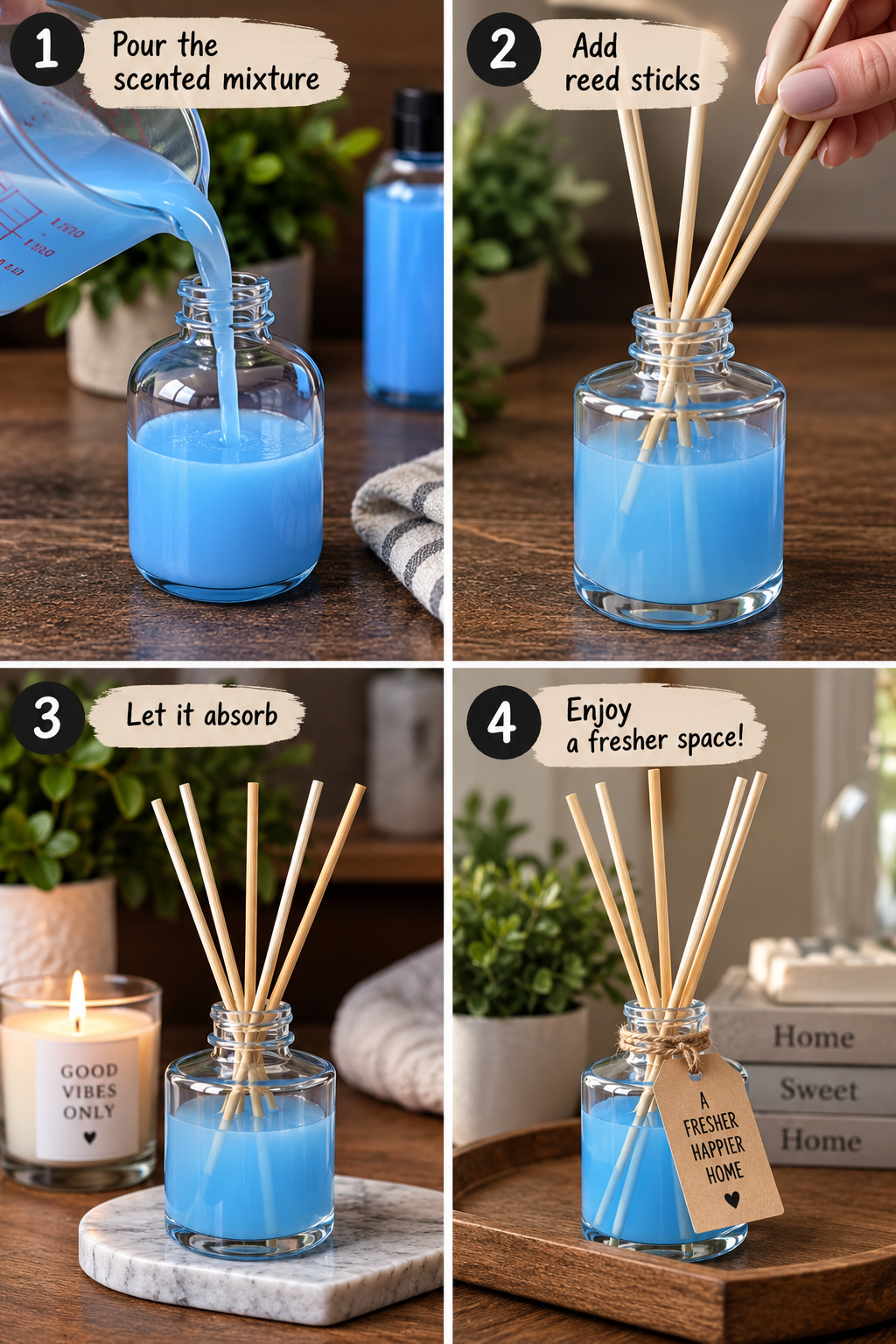
Thanks to This Trick, Your House Will Never Stop Smelling Amazing may sound like one of those too-good-to-be-true home hacks, but there really is a simple way to make your space smell warm and inviting without relying on heavy sprays or plug-in fragrances. The secret is not a complicated mixture. In fact, you can create a pleasant home fragrance with just water and one aromatic ingredient.
The simplest method uses a stovetop simmer pot. You add water to a small saucepan, then choose one fragrant ingredient such as orange peel, lemon peel, cinnamon sticks, rosemary, cloves, or another kitchen-safe aromatic. As the water warms, gentle steam carries the scent into the surrounding room.
I started using this method on days when the house felt a little stale after cooking. I expected a huge burst of fragrance, but what surprised me was how subtle it felt. The kitchen slowly picked up a fresh citrus aroma instead of smelling like a spray had just been released into the air. That gentler effect made the space feel cleaner and more comfortable without turning the scent into the main event. It also reminded me that a good-smelling home does not need to smell intensely perfumed.
The important part is to use the trick safely. A simmer pot should never be left unattended, and it should never be allowed to boil dry. The goal is low, gentle heat for a limited period, with enough water in the pan at all times.
So while Thanks to This Trick, Your House Will Never Stop Smelling Amazing makes a catchy headline, the realistic promise is even better: you can make your home smell pleasant with a simple two-ingredient method and a few common-sense precautions.
Why Simple Home Fragrance Often Works Best
Water and One Aromatic Ingredient Are Enough
A basic simmer pot needs only two components: water and one aromatic ingredient. That second ingredient can be as simple as orange peel, lemon slices, cinnamon sticks, rosemary, cloves, or even a few apple peels. You do not need to combine several spices unless you want a more complex scent.
The method works because warm water releases volatile aromatic compounds into the air. These compounds create the scent you notice as steam rises from the pot. That is why citrus peel smells brighter when warmed and why cinnamon becomes more noticeable in hot water than when it sits dry in a jar.
A simple combination also makes it easier to control intensity. If the scent feels too strong, add more water or turn the heat lower. If it feels too weak, use a little more of the aromatic ingredient or let the mixture warm for a bit longer.
This approach works especially well in kitchens, dining areas, and open-plan spaces. However, remember that it does not “clean” the air or remove contaminants. It simply adds fragrance, which is a different goal.
Why Stronger Is Not Always Better
Many people assume that a fresh-smelling home needs a powerful fragrance. In reality, strong scents can become overwhelming, especially in small rooms. Some people also experience headaches, throat irritation, or discomfort around heavily fragranced products.
That is one reason a light simmer pot can feel more pleasant than an intense aerosol or plug-in. You control the concentration, and you can stop the process immediately by turning off the heat and moving the pan to cool.
The same principle applies to essential oils. A few drops can create a strong scent, but “natural” does not automatically mean harmless. Essential oils contain concentrated plant compounds and can irritate some people or pets, particularly when used in large amounts.
Therefore, Thanks to This Trick, Your House Will Never Stop Smelling Amazing should not become a challenge to create the strongest possible aroma. The goal is a comfortable background scent that makes the room feel inviting.
A lighter fragrance also prevents scent fatigue. When the aroma remains subtle, you are more likely to notice it pleasantly rather than becoming completely accustomed to it within minutes.
The Best Two-Ingredient Scent Combinations
Citrus and Water for a Fresh, Clean Aroma
One of the easiest combinations uses citrus peel and water. Orange, lemon, lime, and grapefruit peels all contain fragrant oils in their outer skin. Instead of throwing the peels away after using the fruit, you can place them in a small saucepan with water.
Bring the mixture just to a gentle simmer, then immediately reduce the heat. You do not need a rolling boil. Low heat releases the fragrance more slowly and reduces the chance of the water disappearing too quickly.
Orange peel creates a warmer, sweeter scent, while lemon tends to smell brighter and sharper. Grapefruit can add a slightly bitter citrus note, and lime has a crisp aroma that works well in warm weather.
You can use fresh or recently refrigerated peels. Avoid using peels that have started to mold or spoil. Once you finish, discard the mixture rather than storing it for long periods, since wet organic material can quickly become unpleasant.
This citrus method fits the idea behind Thanks to This Trick, Your House Will Never Stop Smelling Amazing better than many complicated recipes because it truly uses only two ingredients.
Cinnamon, Herbs, and Other Easy Options
Cinnamon sticks create a warm, cozy fragrance that works especially well during cooler months. Add one or two sticks to water and warm them gently on the stove. The scent develops gradually and can make a kitchen feel especially inviting.
Fresh rosemary also works surprisingly well. Its fragrance feels herbal and clean without becoming overly sweet. A small sprig in water can create enough aroma for a nearby room, especially when the pan stays at a gentle simmer.
Whole cloves offer another option, although they smell much stronger than many other ingredients. Use only a small amount. If the aroma becomes overpowering, dilute the pot with more water.
You can also use one type of fruit peel, one herb, or one spice at a time. Simplicity helps you identify which fragrances you actually enjoy. Once you know your favorites, you can experiment with combinations later.
However, avoid adding unknown household products simply because they smell good in the bottle. Laundry products, cleaners, and fabric softeners are not designed to simmer on a stove, and heating them may release irritating vapors.
Home-Fragrance Hacks to Avoid
Why Fabric Softener Spray Is Not the Best Choice
A popular online trick combines fabric softener and water in a spray bottle, then recommends misting the mixture throughout the home. The idea sounds convenient because fabric softener contains strong fragrance that lingers.
However, fabric softener is formulated for laundry, not as an air freshener. Spraying it into the air can create airborne droplets that people and pets may inhale. It can also settle on flooring, counters, upholstery, and other surfaces where the product was never intended to remain.
Some fabric softeners contain fragrance mixtures and conditioning agents that may bother sensitive people. Therefore, using the product outside its labeled instructions offers little advantage when safer, simpler alternatives exist.
If you already own a commercial air freshener and enjoy using it, follow the label directions and ventilate the room appropriately. If you want a minimalist approach, stick with ingredients that are actually intended for food or room fragrance.
That keeps Thanks to This Trick, Your House Will Never Stop Smelling Amazing practical rather than turning it into an unsafe DIY experiment.
Essential Oils Still Need Caution
Essential oils often appear in “non-toxic home” advice, but that label can be misleading. Essential oils are highly concentrated plant extracts, and concentration matters. A substance can come from a plant and still cause irritation, allergic reactions, or toxicity when used incorrectly.
If you use a diffuser, follow the manufacturer’s instructions and avoid adding excessive amounts of oil. Run the diffuser for reasonable periods rather than continuously, especially in small or poorly ventilated rooms.
Pets deserve special consideration. Some essential oils can create problems for cats, dogs, birds, and other animals, depending on the oil, concentration, exposure method, and pet’s health. If you have pets, check with a veterinarian before using concentrated fragrance oils around them.
People with asthma, migraines, scent sensitivities, or respiratory conditions may also prefer fragrance-free spaces. A home should smell comfortable to the people who live there, not meet an artificial standard of constant perfume.
In many cases, the best scent strategy starts with ventilation and cleaning, then adds a small amount of fragrance only if desired.
How to Make Your Home Smell Better Without Covering Odors
Remove the Source Before Adding Fragrance
A pleasant scent cannot solve every odor problem. If a room smells musty, sour, smoky, or unusually stale, first look for the source. Trash, food spills, damp towels, pet bedding, clogged drains, mildew, and forgotten leftovers can all create persistent odors.
Open windows when weather and outdoor air quality allow. Fresh airflow can reduce stale indoor smells faster than adding fragrance. Washing fabrics and cleaning soft surfaces also makes a noticeable difference because upholstery, curtains, and rugs can hold odors for long periods.
Kitchen odors often improve after cleaning grease from the stovetop, backsplash, range hood, and nearby cabinets. Likewise, refrigerator smells usually need source removal rather than fragrance. Throw out spoiled food, wipe spills, and clean removable shelves.
Only after the odor source disappears should you add fragrance if you still want it. This approach prevents Thanks to This Trick, Your House Will Never Stop Smelling Amazing from becoming simply a way to mask an underlying problem.
A genuinely fresh home usually smells mild because the source of unwanted odor has been removed.
Use Simmer Pots Safely
A simmer pot is easy, but you still need to treat it like any other cooking process. Never leave it running when you leave the house, go to sleep, or become distracted in another part of the home.
Use a stable saucepan on a working burner. Add enough water to cover your aromatic ingredient generously. Warm the mixture until it begins to release fragrance, then lower the heat to the gentlest simmer your stove allows.
Check the water regularly. If the level drops, add more water before the pan gets close to dry. A pot that boils dry can overheat, scorch the ingredients, damage cookware, or create a fire hazard.
Keep saucepan handles turned away from the edge of the stove, especially around children. Also keep pets away from the hot pan and steam.
When you are finished, turn off the burner and let the liquid cool before discarding it. Do not leave the pot simmering “all day” unattended, even if an online hack recommends doing so.
Used responsibly, a simmer pot offers an easy and inexpensive way to create a pleasant scent without complicated ingredients or constant spraying.
Frequently Asked Questions
What are the best two ingredients for making a house smell good?
Water plus one aromatic ingredient provides the simplest method. Citrus peels, cinnamon sticks, rosemary, or cloves can all work. Choose the scent you enjoy most and simmer it gently on the stove while you remain nearby.
How long can I leave a simmer pot running?
There is no need to run it continuously. Use it only while you are awake, nearby, and able to monitor the water level. Turn the heat off before leaving the house, going to sleep, or moving somewhere you cannot safely supervise the stove.
Can I mix fabric softener with water and spray it around the house?
Fabric softener is designed for laundry, not for use as an airborne room spray. Spraying it can create inhalable droplets and leave product residue on surfaces. A simmer pot or properly labeled room-fragrance product provides a better option.
Are essential oils safer than air fresheners?
Not automatically. Essential oils are concentrated substances and can irritate some people or cause problems for certain pets. Use them in small amounts, follow diffuser instructions, ventilate the room, and avoid assuming that “natural” means risk-free.
How can I make my house smell fresh without adding fragrance?
Start with ventilation, regular trash removal, clean fabrics, dry towels, clean drains, and attention to damp or musty areas. Often, removing the odor source creates a fresher home than adding perfume on top of it.
Conclusion
Thanks to This Trick, Your House Will Never Stop Smelling Amazing does not require expensive sprays, complicated recipes, or a cabinet full of fragrance products. The simplest version uses only water and one aromatic ingredient.
Try citrus peel for a bright scent, cinnamon for warmth, rosemary for a fresh herbal note, or a small amount of whole cloves when you want something richer. Keep the mixture at a gentle simmer, monitor the water closely, and turn the stove off whenever you cannot supervise it.
At the same time, remember that fragrance should complement a clean home rather than hide odors. Open windows when practical, wash odor-holding fabrics, clean drains and kitchen surfaces, and remove anything causing a persistent smell.
Avoid heating laundry products or spraying diluted fabric softener into the air. Likewise, use essential oils thoughtfully rather than assuming every plant-based fragrance is harmless.
The best-smelling homes usually do not smell overwhelmingly scented. They smell clean, comfortable, and familiar.
That is what makes this two-ingredient trick so useful.
It is simple.
It is inexpensive.
And when you use it safely, it can make an ordinary room feel warmer and more welcoming in just a few minutes.
More Blog
- Drinking Water on an Empty Stomach — What Science Actually Supports (No Hype, Just Facts)
- Waking Up Between 3 and 5 AM? It Might Be Your Soul Trying to Talk to You
- What a “Bleach” Patch on Your Underwear Really Means — And Why It’s Actually a Good Sign
- This Drink May Weaken Your Bones From The Inside — But Everyone Drinks It Anyway