What Your Legs Can’t Say, Your Vagina Can — The Truth About the Female Body Most People Don’t Know sounds provocative, but the useful message behind it is simple: changes in vaginal and vulvar health can sometimes provide clues about hormones, infections, irritation, pregnancy, menopause, and other aspects of health.
The vagina naturally produces discharge, responds to hormonal changes, and supports its own microbial environment. Therefore, not every change means something has gone wrong. Normal discharge can vary throughout the menstrual cycle, while pregnancy, sexual activity, medications, contraception, and menopause can also affect vaginal symptoms.
At the same time, persistent changes in odor, discharge, bleeding, itching, pain, or sores deserve attention. These symptoms cannot diagnose a specific condition by themselves, but they can provide a good reason to speak with a healthcare professional.
I used to think vaginal health was straightforward: anything unusual must mean an infection, while the absence of obvious symptoms meant everything was fine. However, learning more about normal hormonal changes made that picture much more nuanced. Discharge can change around ovulation. Menopause can cause dryness and irritation. Meanwhile, several infections can produce overlapping symptoms. That distinction matters because guessing at the cause can lead to unnecessary or ineffective treatments. Paying attention to what is normal for your own body, then getting persistent or concerning changes evaluated, offers a much more practical approach.
What Normal Vaginal Changes Can Tell You
Discharge naturally changes throughout the cycle
Healthy vaginal discharge does not need to look exactly the same every day.
The cervix and vagina produce fluids that help maintain a healthy environment. Consequently, the amount and consistency of discharge can change as hormone levels rise and fall throughout the menstrual cycle.
Around ovulation, for example, cervical mucus often becomes clearer, wetter, and more slippery. Some people describe it as resembling raw egg white. This change helps create an environment that supports sperm movement.
At other points in the cycle, discharge may appear white or cream-colored and feel thicker. Additionally, the amount can vary from one person to another.
Therefore, the presence of discharge alone does not indicate poor hygiene or infection.
Normal vaginal secretions generally should not cause persistent burning, significant itching, pelvic pain, or a strong unpleasant odor. A sudden combination of these symptoms deserves more attention than discharge alone.
Pregnancy can also increase vaginal discharge. Hormonal contraception may change it as well. Meanwhile, sexual activity and semen can temporarily affect vaginal secretions.
Rather than comparing yourself with an arbitrary standard, learn what usually happens in your body. A noticeable departure from your normal pattern provides more useful information.
Hormones can affect comfort and moisture
Hormonal changes influence vaginal and vulvar tissues throughout life.
Estrogen helps maintain vaginal tissue thickness, elasticity, moisture, and other characteristics. Therefore, changing estrogen levels can alter how the vagina feels.
Menopause provides an important example. As estrogen levels decline, vaginal tissue can become thinner, drier, and more easily irritated. Some people experience burning, itching, discomfort during sexual activity, or urinary symptoms.
Healthcare professionals may describe this collection of symptoms as genitourinary syndrome of menopause.
However, menopause is not the only situation that can affect vaginal moisture. Breastfeeding, certain medications, some medical treatments, and hormonal changes can also contribute to dryness.
Furthermore, temporary dryness can occur for reasons unrelated to disease.
Because several conditions produce similar symptoms, persistent dryness or pain deserves an individualized assessment. Depending on the cause, treatment options can range from nonhormonal moisturizers and lubricants to prescription therapies.
You do not have to assume vaginal discomfort is simply something you must tolerate because of age or hormonal changes. Effective options may be available once a healthcare professional identifies the likely cause.
Changes in Odor, Discharge, and Irritation
Odor and discharge can point toward different causes
Vaginal odor naturally varies to some degree. Menstruation, sweating, sexual activity, and other everyday factors can temporarily change how the genital area smells.
However, a persistent strong or unusual odor combined with a change in discharge can signal a problem.
Bacterial vaginosis, commonly called BV, results from an imbalance among vaginal bacteria. It can cause thin vaginal discharge and a noticeable fish-like odor. However, some people with BV experience few or no symptoms.
A yeast infection can produce itching, soreness, redness, and thicker discharge. Yet symptoms alone cannot always distinguish yeast from other causes of vaginal irritation.
Certain sexually transmitted infections can also change vaginal discharge or cause irritation. Trichomoniasis, for example, may cause discharge, genital discomfort, or an unusual odor, although some people have no noticeable symptoms.
Therefore, appearance alone cannot reliably identify the cause.
If vaginal symptoms persist, recur frequently, or follow a new sexual exposure, professional evaluation and appropriate testing can help determine what is happening.
That approach becomes particularly important when over-the-counter treatments repeatedly fail.
Itching and burning do not always mean infection
Many people automatically associate vulvar itching with yeast infections. However, infection represents only one possibility.
Fragranced soaps, detergents, sprays, wipes, bubble baths, and other products can irritate sensitive vulvar tissue. Tight or damp clothing may also contribute to irritation in some people.
Additionally, skin conditions can affect the vulva just as they affect other areas of the body.
Therefore, repeatedly treating unexplained itching as a yeast infection may delay the correct diagnosis.
Gentle care usually provides a better foundation. Clean the external vulvar area gently and avoid putting cleansers inside the vagina. The vagina cleans itself through normal secretions, so routine douching is unnecessary and can disrupt its natural environment.
Likewise, avoid heavily fragranced products when they cause irritation.
Persistent burning during urination also deserves attention. A urinary tract infection may cause painful urination, urgency, and frequency. However, vaginal irritation and some sexually transmitted infections can produce similar discomfort.
Consequently, testing may become necessary when the cause remains unclear.
Seek medical care for severe symptoms, significant swelling, fever, pelvic pain, or symptoms that continue despite reasonable self-care.
Bleeding, Pain, and Other Signs You Should Notice
Unexpected bleeding deserves proper evaluation
Menstrual bleeding varies considerably between individuals. However, bleeding outside your expected pattern can provide important health information.
For example, some people experience light spotting around ovulation or after starting certain hormonal contraceptives. Additionally, pregnancy can sometimes involve spotting.
Bleeding after sexual activity may result from irritation or cervical changes. However, recurrent bleeding after sex should receive medical evaluation because infections, cervical abnormalities, polyps, and other conditions can also cause it.
Similarly, unusually heavy menstrual bleeding deserves attention, especially if it interferes with normal activities or contributes to symptoms such as fatigue, weakness, or shortness of breath.
Bleeding after menopause requires medical assessment. Although several noncancerous conditions can cause it, healthcare professionals need to rule out more serious causes.
Pregnancy changes the situation as well. Vaginal bleeding during pregnancy can have multiple explanations, and some require urgent care.
Therefore, contact an appropriate healthcare professional for guidance if you experience bleeding while pregnant.
Your menstrual cycle provides useful health information, but no single bleeding pattern identifies a specific diagnosis. Instead, record when unexpected bleeding happens, how long it lasts, and whether pain or other symptoms accompany it.
Pelvic pain, sores, and lumps need attention
Occasional minor discomfort can occur for many reasons. Persistent pelvic or genital pain, however, should not simply be ignored.
Pain during sexual activity can have several causes. Vaginal dryness, infections, pelvic floor problems, endometriosis, hormonal changes, and other conditions can contribute.
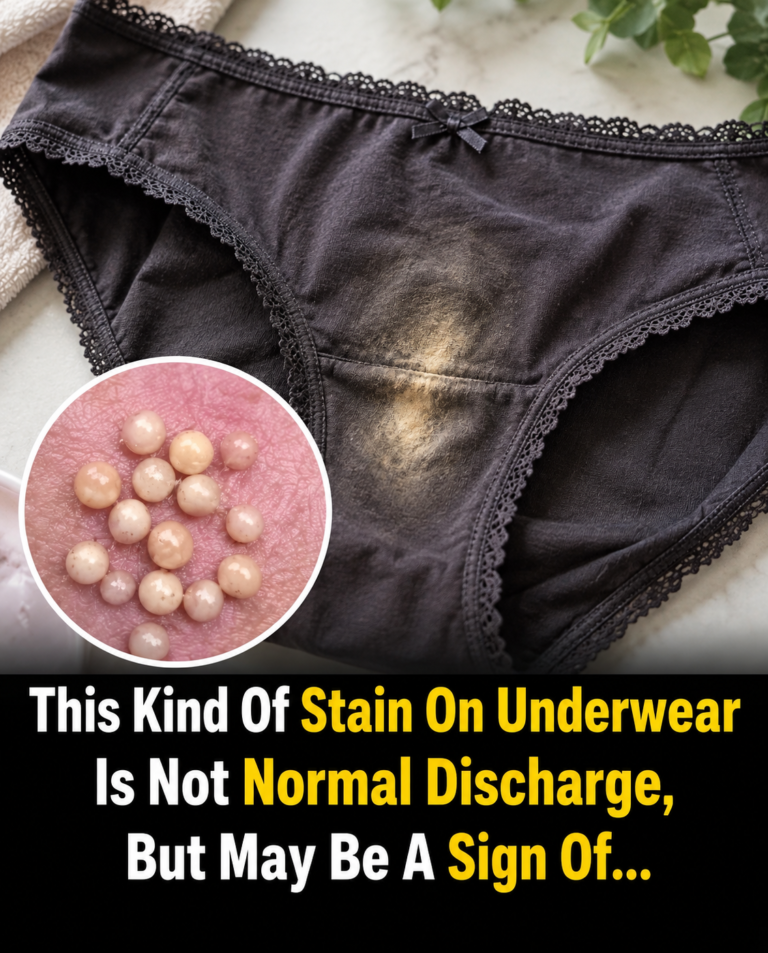
Meanwhile, new genital sores, blisters, ulcers, or unexplained lesions deserve medical assessment. Some sexually transmitted infections can cause visible lesions, but irritation and noninfectious skin conditions can also produce changes.
A new vulvar lump also has several possible explanations. For example, blocked glands and cysts can cause localized swelling. Nevertheless, a healthcare professional should evaluate a persistent, painful, growing, or otherwise unusual lump.
Additionally, pay attention to pelvic pain accompanied by fever, unusual discharge, vomiting, dizziness, or significant bleeding.
Sudden severe pelvic or lower abdominal pain may require urgent medical care, particularly during pregnancy or when pregnancy remains possible.
The key principle remains consistent: genital symptoms often overlap. A photograph, online symptom list, or description cannot reliably distinguish every infection, skin condition, hormonal problem, or gynecologic disorder.
Professional examination and testing provide much better answers when symptoms persist.
How to Protect Vaginal and Vulvar Health
Keep intimate care surprisingly simple
The vagina does not require elaborate cleaning routines.
In fact, putting cleansing products inside the vagina can disrupt its normal environment. Therefore, avoid routine douching unless a healthcare professional specifically instructs otherwise.
For external care, gentle washing usually provides enough hygiene. Avoid products that trigger burning, dryness, itching, or irritation.
Also, change out of wet or sweaty clothing when practical. Breathable clothing may improve comfort if you frequently experience moisture-related irritation.
During sexual activity, adequate lubrication can reduce friction and discomfort. If dryness continues despite using lubricant, discuss it with a healthcare professional because hormonal or other factors may contribute.
Safer-sex practices also matter. Condoms can reduce the risk of many sexually transmitted infections when used correctly, although they do not eliminate every risk.
Testing provides another important layer of protection. Many sexually transmitted infections can occur without obvious symptoms. Consequently, feeling completely normal does not always rule them out.
A healthcare professional can recommend appropriate testing based on age, sexual history, pregnancy status, symptoms, and other individual factors.
Know when to schedule an appointment
What Your Legs Can’t Say, Your Vagina Can — The Truth About the Female Body Most People Don’t Know should ultimately encourage awareness rather than anxiety.
Contact a healthcare professional when you develop a persistent change in discharge, strong unusual odor, significant itching, burning, unexplained sores, recurrent bleeding after sex, persistent pelvic pain, or other symptoms that differ substantially from your usual pattern.
Additionally, seek evaluation if symptoms repeatedly return after treatment.
Some situations require faster attention. Severe pelvic or abdominal pain, heavy bleeding, fainting, significant dizziness, or concerning symptoms during pregnancy may require urgent medical assessment.
Fever combined with pelvic pain or unusual discharge also deserves prompt attention.
Meanwhile, bleeding after menopause should always receive medical evaluation rather than being dismissed as a normal hormonal change.
Regular preventive healthcare remains important even when you have no symptoms. Depending on your age and circumstances, that may include cervical cancer screening, sexually transmitted infection testing, contraception discussions, pregnancy care, or conversations about menopause.
Most importantly, do not feel embarrassed about describing vaginal or vulvar symptoms accurately. Healthcare professionals routinely evaluate these concerns, and clear information helps them determine which examinations or tests may provide useful answers.
Frequently Asked Questions
Is vaginal discharge normal every day?
It can be. The amount of normal discharge varies between individuals and throughout the menstrual cycle. Hormonal changes, pregnancy, contraception, and sexual activity can also affect it. A sudden change accompanied by strong odor, itching, burning, or pain deserves medical attention.
What does a strong vaginal odor mean?
A temporary change does not necessarily indicate a medical problem. However, persistent strong or unusual odor, particularly alongside altered discharge, may occur with conditions such as bacterial vaginosis or certain infections. Testing can identify the cause more reliably than odor alone.
Does vaginal itching always mean a yeast infection?
No. Yeast can cause itching, but irritation from personal-care products, skin conditions, other infections, and hormonal changes can cause similar symptoms. Recurrent or persistent itching should receive proper evaluation.
Why does vaginal dryness happen?
Lower estrogen levels around menopause commonly contribute to vaginal dryness. However, breastfeeding, medications, hormonal changes, inadequate arousal, and other factors may also play a role. Persistent dryness or pain deserves discussion with a healthcare professional.
When should vaginal bleeding become concerning?
Seek medical advice for unexplained recurrent bleeding between periods, bleeding after sex, unusually heavy bleeding, or any bleeding after menopause. Bleeding during pregnancy also warrants appropriate medical guidance. Heavy bleeding with severe pain, fainting, or significant dizziness may require urgent care.
Conclusion
What Your Legs Can’t Say, Your Vagina Can — The Truth About the Female Body Most People Don’t Know highlights a valuable principle: paying attention to changes in your body can help you recognize when something deserves further investigation.
Normal vaginal discharge, moisture, and odor can fluctuate. Hormones, menstruation, pregnancy, menopause, sexual activity, and medications can all influence these changes.
However, persistent unusual discharge, strong odor, itching, burning, pain, unexpected bleeding, sores, or swelling should not simply be ignored or repeatedly self-treated.
These symptoms do not automatically indicate a serious condition. Still, they cannot reliably diagnose themselves either.
Learn what feels normal for your body, use gentle intimate-care practices, follow appropriate preventive screening recommendations, and seek professional advice when something changes significantly.
Your body can provide useful signals. Understanding those signals without jumping to conclusions can help you make informed decisions about your health.
More Blog
- Drinking Water on an Empty Stomach — What Science Actually Supports (No Hype, Just Facts)
- Waking Up Between 3 and 5 AM? It Might Be Your Soul Trying to Talk to You
- What a “Bleach” Patch on Your Underwear Really Means — And Why It’s Actually a Good Sign
- This Drink May Weaken Your Bones From The Inside — But Everyone Drinks It Anyway