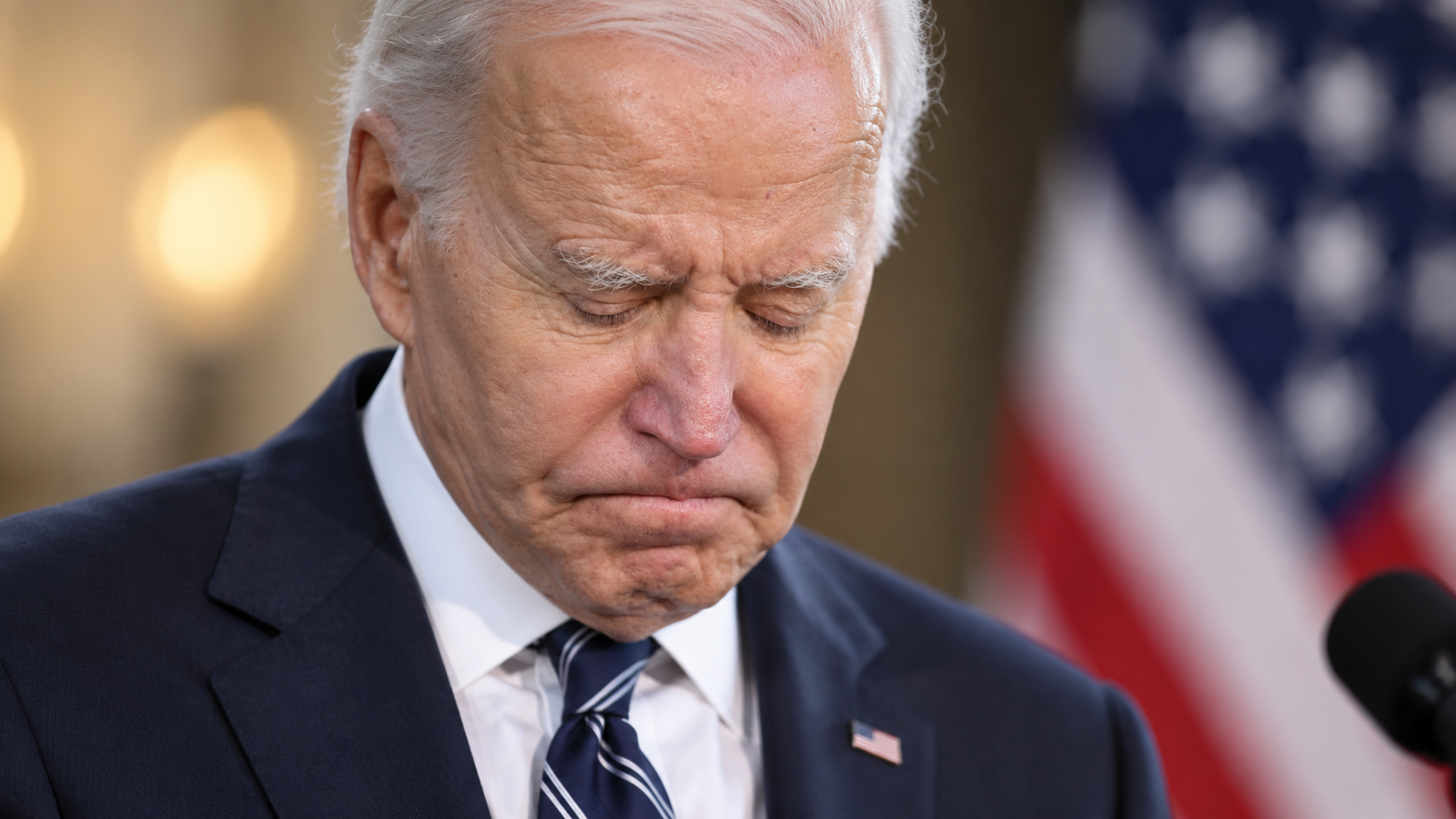
The headline Joe Biden Hospitalized in Critical Condition is the kind of claim that can spread rapidly because it combines the health of a former U.S. president with the possibility of a national crisis. However, dramatic political-health claims require careful verification before anyone treats them as fact.
As of September 19, 2026, reliable current reporting does not establish that former President Joe Biden has been hospitalized in critical condition. Biden publicly said on September 8 that radiation treatment for his prostate cancer had “worked as intended” and that he continued doing activities important to him, including finishing his memoir. He did not say he was cancer-free or in remission.
Biden does have a serious documented health condition. His prostate cancer was publicly disclosed in 2025 and had spread to his bones by the time doctors diagnosed it. Recent reporting has described the effects of that illness, while Biden’s own September 2026 statement said doctors had helped control his cancer. Those facts warrant accuracy and context rather than speculation about an unconfirmed hospitalization.
I have seen how easily political health headlines can blur together three completely different questions: What actually happened to the person? Is the person currently president? What would the Constitution require if a sitting president became unable to serve? Those questions may sound related, but they require different answers. Separating them makes the story much clearer and prevents an unverified medical claim from turning into a false constitutional crisis.
The 25th Amendment remains important to understand, but it does not apply to Biden’s current health because he is no longer president. Donald J. Trump is the current president of the United States, and JD Vance is the vice president.
What We Actually Know About Joe Biden’s Current Health
The “Critical Condition” Claim Is Not Currently Verified
A headline saying Joe Biden Hospitalized in Critical Condition makes a very specific medical claim. To report it responsibly, credible sources would need to establish both that Biden had entered a hospital and that medical professionals or his representatives had described his condition as critical.
Current reliable information does not establish those facts. Instead, Biden issued a public health update on September 8, 2026, saying the radiation treatment he underwent the previous fall had “worked as intended.” He thanked his medical team and said doctors had helped control his cancer.
That update should not be exaggerated in the opposite direction either. Biden did not announce that he had become cancer-free. Reporting in 2026 continues to describe his prostate cancer as metastatic because it had spread to his bones before diagnosis. Therefore, the accurate summary is that he has a serious cancer diagnosis and has said his treatment produced the intended result, not that he has either fully recovered or entered an unverified critical condition.
This distinction matters because health information about a public figure can change quickly. A responsible article should identify the date of the latest verified information instead of leaving readers with a frightening headline that may no longer reflect reality.
Biden Is a Former President, Not the Sitting President
The constitutional framing in the supplied article also creates another major problem. Joe Biden left the presidency in January 2025. As of September 2026, Donald Trump serves as the 47th president, while JD Vance serves as vice president.
Therefore, even if Biden were hospitalized, the 25th Amendment would not transfer presidential authority because Biden currently holds no presidential powers to transfer. The amendment addresses vacancies or inability involving the sitting president and vice president.
A former president’s serious illness can certainly become major national news. Former presidents remain historically significant public figures, and their health often generates broad public interest. However, their hospitalization does not create a vacancy in the presidency or place the vice president in charge.
That simple timeline correction changes the entire premise. An article about Biden’s health in 2026 should focus on verified medical updates and his status as a former president. An article explaining presidential incapacity should discuss the 25th Amendment as a separate constitutional topic rather than suggesting that Biden’s present health could activate it.
How the 25th Amendment Actually Works
Sections 1 and 2 Deal With Vacancies
The 25th Amendment became part of the Constitution in 1967 and provides clearer rules for presidential and vice-presidential vacancies and presidential inability. Its four sections address different circumstances, so phrases such as “invoke the 25th Amendment” can be misleading without identifying the relevant section.
Section 1 addresses the most permanent scenario. If a sitting president dies, resigns, or is removed from office, the vice president becomes president. The vice president does not merely perform the duties temporarily under this section.
Section 2 deals with a vacancy in the vice presidency. When that office becomes vacant, the president nominates a new vice president, who takes office after receiving majority approval from both houses of Congress. This procedure has been used historically to fill vice-presidential vacancies.
Neither provision requires doctors to make a political judgment about someone’s fitness. Section 1 responds to an actual vacancy, while Section 2 provides a mechanism to refill the vice presidency. They form part of the broader constitutional system designed to prevent uncertainty about who holds executive authority.
Sections 3 and 4 Address Presidential Inability
Section 3 covers a voluntary temporary transfer of presidential powers. A sitting president can send written notice to the president pro tempore of the Senate and the speaker of the House stating that the president cannot discharge the powers and duties of the office. The vice president then serves as acting president until the president sends another declaration saying the inability has ended.
This process can be useful for predictable temporary incapacity, such as sedation during a medical procedure. It does not remove the president from office. The president remains president while the vice president temporarily exercises presidential powers as acting president.
Section 4 handles a more complicated circumstance in which the president does not or cannot voluntarily declare an inability. The vice president and a majority of the principal officers of the executive departments can send the required declaration to congressional leaders. The vice president then assumes the presidential powers and duties as acting president.
If the president disputes that declaration, Section 4 establishes a further constitutional process involving Congress. Congress may ultimately need a two-thirds vote in both chambers to keep the vice president exercising the powers of acting president when the president contests the finding of inability. Section 4 has never been used.
What Previous Presidential Health Events Teach Us
Presidents Have Temporarily Transferred Power for Medical Procedures
Presidential medical treatment does not automatically create a constitutional emergency. In fact, Section 3 has provided an orderly method for handling short periods when presidents expected to undergo sedation or otherwise become temporarily unable to perform their duties.
George W. Bush transferred his powers to Vice President Dick Cheney while undergoing colonoscopies. Congressional constitutional materials also describe Ronald Reagan’s 1985 transfer of authority during cancer surgery as an implicit use of Section 3, although Reagan’s letter reflected uncertainty about the amendment’s application to such a short period.
Joe Biden himself used Section 3 while president on November 19, 2021, when he underwent a routine colonoscopy. Presidential authority temporarily passed to Vice President Kamala Harris while he was under anesthesia and returned to Biden afterward.
These examples demonstrate why a medical procedure and a permanent presidential succession are different constitutional events. A temporary inability can make the vice president acting president for a limited period without changing who officially occupies the presidency.
They also show that hospitalization by itself does not answer the constitutional question. What matters is whether the sitting president can discharge the powers and duties of the office and which constitutional procedure, if any, applies.
Being in a Hospital Does Not Automatically Trigger the Amendment
A president can receive hospital treatment and remain fully capable of exercising presidential authority. The Constitution does not state that entering a hospital automatically transfers power to the vice president. Instead, Sections 3 and 4 focus on inability to discharge the powers and duties of the presidency.
That distinction prevents people from treating every presidential medical event as an automatic succession crisis. A president might undergo testing, receive medication, recover from an injury, or spend time under observation while remaining fully capable of working.
Conversely, a serious inability could theoretically arise outside a hospital. The physical location of the president does not determine whether the 25th Amendment applies.
The amendment also does not offer the public a simple medical checklist for determining presidential inability. Section 3 places the voluntary determination with the president. Section 4 assigns a specific constitutional role to the vice president and a majority of the principal executive-department officers, with Congress potentially resolving a dispute.
For that reason, news coverage should avoid independently declaring a president constitutionally unable to serve based on photographs, speculation, age, isolated public appearances, or incomplete medical information.
What Would Happen During a Real Presidential Health Crisis Today?
The Current Offices Matter More Than an Old Headline
Any discussion of a presidential health crisis in September 2026 must begin with the current administration. Donald Trump is president, and JD Vance is vice president. Therefore, a hypothetical 25th Amendment scenario today would concern their constitutional offices, not former President Biden’s.
If the current president voluntarily became temporarily unable to perform his duties and used Section 3, the current vice president would become acting president until the president formally resumed the powers and duties of the office.
If a sitting president died, resigned, or were removed, Section 1 would make the vice president president. That situation differs from temporary incapacity because the succession would be permanent rather than an acting arrangement.
These procedures exist precisely so executive authority does not depend on improvisation during a crisis. The public may experience uncertainty about a president’s health, but the constitutional system establishes mechanisms for maintaining continuity.
That is also why current dates and titles matter so much in political reporting. Calling Biden “the President” in a 2026 health story without explaining that he is a former president can leave readers with a completely inaccurate understanding of the constitutional consequences.
Accurate Reporting Matters During Health Scares
Political health stories combine privacy, public interest, medical uncertainty, and constitutional responsibility. Those factors make accuracy especially important.
A credible report should identify the source of medical information. Statements from the individual, authorized representatives, treating medical teams when permitted, and well-sourced reporting carry far more evidentiary weight than anonymous viral posts.
Writers should also distinguish facts from interpretations. “Biden said his radiation treatment worked as intended” is a verifiable statement based on his September 8 update. Saying that he has completely recovered would go beyond what he publicly stated. Likewise, current credible evidence does not support the headline Joe Biden Hospitalized in Critical Condition.
The same caution applies when describing constitutional consequences. A medical diagnosis does not automatically determine inability, hospitalization does not automatically transfer power, and a former president’s illness does not activate presidential succession.
Careful reporting may sound less dramatic than a viral headline, but it gives readers something much more useful: a clear understanding of what has actually happened and what the Constitution actually says.
Frequently Asked Questions
Is Joe Biden currently hospitalized in critical condition?
Current reliable reporting available as of September 19, 2026 does not confirm that claim. Biden’s September 8 public health update said his prostate-cancer radiation treatment had “worked as intended” and that doctors continued caring for him. He did not say he was cancer-free, but the available update does not support the supplied “critical condition” headline.
Is Joe Biden currently president of the United States?
No. Biden is a former president. Donald Trump currently serves as president, and JD Vance serves as vice president.
Would Biden’s hospitalization activate the 25th Amendment now?
No. The 25th Amendment concerns the sitting president and vice president. Because Biden is no longer president, his current medical condition does not transfer presidential authority under the amendment.
Has the 25th Amendment ever temporarily transferred presidential power?
Yes. Section 3 has been used when presidents temporarily transferred their powers during medical procedures. Congressional constitutional materials identify uses involving George W. Bush and Joe Biden, and describe Ronald Reagan’s 1985 medical transfer as an implicit invocation.
Has Section 4 ever been used?
No. Congress’s Constitution Annotated states that Section 4 has never been invoked. It would allow the vice president and a majority of the relevant executive-department leaders to initiate a temporary transfer when they declare that the sitting president cannot discharge the powers and duties of the office.
Conclusion
The headline Joe Biden Hospitalized in Critical Condition should not be presented as established fact without reliable evidence. As of September 19, 2026, the latest verified information located for this article shows former President Biden publicly reporting that his prostate-cancer radiation treatment had “worked as intended.” His metastatic cancer remains a serious documented health issue, but current credible sources do not substantiate the specific critical-hospitalization claim.
The constitutional discussion also needs an important correction. Biden is no longer the sitting president. Donald Trump currently holds that office, with JD Vance serving as vice president. Therefore, Biden’s present health cannot activate the 25th Amendment or presidential succession procedures.
The 25th Amendment nevertheless provides an important framework for genuine presidential health emergencies. Section 1 covers a permanent presidential vacancy, Section 2 provides a method for filling a vacant vice presidency, Section 3 permits a president to transfer powers voluntarily during temporary inability, and Section 4 establishes a process for situations in which the president does not make that declaration.
History shows that temporary transfers of authority can happen calmly and routinely. Presidents have used Section 3 around medical procedures, including Biden himself during a 2021 colonoscopy. Section 4, by contrast, has never been used.
That context offers a useful lesson whenever a frightening political-health headline appears. Check the date. Check whether the person still holds the office mentioned. Look for reliable confirmation of the medical claim, and do not confuse hospitalization with constitutional incapacity.
Presidential continuity is too important for guesswork, and a serious illness is too important for sensationalism. Accurate dates, verified facts, and the actual constitutional text provide a much clearer picture than an alarming headline alone.
More Blog
- Drinking Water on an Empty Stomach — What Science Actually Supports (No Hype, Just Facts)
- Waking Up Between 3 and 5 AM? It Might Be Your Soul Trying to Talk to You
- What a “Bleach” Patch on Your Underwear Really Means — And Why It’s Actually a Good Sign
- This Drink May Weaken Your Bones From The Inside — But Everyone Drinks It Anyway