Few household surprises are as unsettling as spotting a spider scurrying across the floor when you least expect it. Whether you live in a modern apartment or a century-old home filled with creaky floorboards and drafty windows, spiders seem to have a way of appearing exactly where you don’t want them.
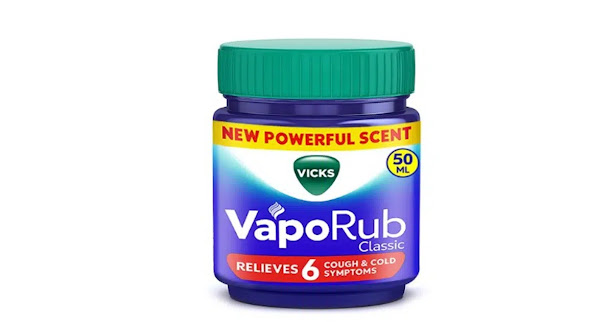
For many homeowners, the first reaction is to reach for chemical sprays or call pest control. However, not everyone wants to fill their living space with harsh chemicals. As a result, natural remedies have become increasingly popular, and one unusual solution continues to attract attention: Vicks VapoRub.
Known primarily as a remedy for coughs and congestion, Vicks contains powerful aromatic ingredients that some people believe can help keep spiders away. But does it really work? More importantly, is it a safe and practical solution for your home?
Let’s explore the science, benefits, limitations, and best practices behind this surprising household trick.
Why People Are Turning to Natural Spider Deterrents
Many people prefer natural pest-control methods because they offer a gentler alternative to traditional pesticides.
Chemical sprays can sometimes leave lingering odors, create concerns around children and pets, and require careful application. In contrast, natural deterrents focus on making an area less appealing to pests rather than killing them outright.
This approach aligns with a growing desire for eco-friendly and humane home maintenance solutions.
Spiders themselves play an important role in controlling other insect populations. They consume mosquitoes, flies, moths, and many other nuisance pests. While most homeowners don’t necessarily want spiders inside their living rooms, many appreciate methods that encourage relocation rather than extermination.
What Is Vicks VapoRub Made Of?
Understanding why Vicks might influence spider behavior begins with its ingredients.
The classic formula contains:
- Menthol
- Camphor
- Eucalyptus oil
- Petrolatum base
These ingredients create the strong medicinal scent most people instantly recognize.
While humans often find the smell comforting, spiders appear to experience it very differently.
How Spiders Sense Their Environment
Many people assume spiders rely heavily on vision, but that’s only partially true.
Most spiders navigate their surroundings using highly specialized sensory hairs located on their legs and bodies.
These microscopic hairs detect:
- Vibrations
- Air movement
- Chemical signals
- Environmental changes
Unlike humans, spiders do not “smell” through a nose. Instead, they interpret chemical information through these sensory structures.
When exposed to intense aromatic compounds such as menthol and camphor, these receptors may become overwhelmed, making the environment less desirable.
As a result, spiders often choose to avoid areas saturated with strong odors.
Why Menthol Appears to Repel Spiders
Menthol is perhaps the most important ingredient in Vicks when it comes to spider deterrence.
This compound produces a cooling sensation in humans, but for spiders it creates an unpleasant sensory experience.
Researchers studying arthropods have found that many insects and spider species avoid strong volatile compounds because they interfere with normal behavioral patterns.
Potential effects include:
- Difficulty navigating
- Reduced ability to locate prey
- Disruption of scent trails
- Avoidance of treated areas
Although scientific research specifically focused on Vicks and spiders remains limited, anecdotal reports consistently suggest that menthol-rich environments discourage spider activity.
The Role of Camphor
Camphor has a long history as a natural pest deterrent.
Historically, it was commonly used to:
- Protect clothing from moths
- Repel insects
- Preserve stored items
Like menthol, camphor releases strong aromatic compounds into the surrounding environment.
These vapors can create a sensory barrier that spiders prefer to avoid.
The combination of menthol and camphor may explain why many homeowners report positive results after applying Vicks around windows, doors, and corners.
Does Vicks Actually Work?
The honest answer is: sometimes.
Vicks is best described as a deterrent rather than a solution.
It may help:
- Reduce spider activity
- Discourage new webs
- Make certain areas less attractive
However, it will not:
- Kill spiders
- Eliminate eggs
- Solve a major infestation
- Prevent all spider species from entering
Success often depends on factors such as:
- Spider species
- Home conditions
- Moisture levels
- Availability of prey insects
- Frequency of application
Many homeowners report noticeable reductions in spider sightings within a few days of use.
Others see little change.
Results vary significantly.
How to Use Vicks as a Spider Deterrent
If you decide to try this method, proper application can improve effectiveness.
Step 1: Identify Spider Activity
Look for common spider hotspots:
- Window frames
- Window sills
- Door thresholds
- Basements
- Attics
- Storage closets
- Behind furniture
- Utility openings
Step 2: Clean the Area
Remove:
- Existing webs
- Dust
- Dead insects
- Debris
Spiders prefer undisturbed spaces. Cleaning alone often reduces activity.
Step 3: Apply Small Amounts
Use:
- Cotton swabs
- Gloves
- Paper towels
Place small dabs of Vicks near likely entry points.
Avoid excessive amounts.
A little goes a long way.
Step 4: Monitor and Reapply
The scent gradually weakens over time.
Most users find reapplication necessary every one to two weeks.
Best Places to Apply Vicks
Strategic placement increases effectiveness.
Popular locations include:
Around Windows
Windows remain one of the most common entry points for spiders.
Apply a thin layer along:
- Window tracks
- Window corners
- Sills
Near Doors
Place small amounts near:
- Door frames
- Thresholds
- Weather stripping
Basements and Attics
These quiet, dark areas often attract spiders.
Apply around:
- Access doors
- Utility penetrations
- Foundation cracks
Behind Furniture
Large furniture pieces create ideal hiding spots.
Target:
- Behind sofas
- Behind bookshelves
- Behind entertainment centers
Safety Considerations
Although Vicks is widely used by humans, it still requires responsible handling.
Keep Away From Pets
Dogs and cats may react differently to concentrated essential oils.
Avoid placing Vicks where pets can:
- Lick
- Chew
- Directly contact it
Avoid Children’s Reach
Young children may accidentally touch or ingest the product.
Place applications in inaccessible areas.
Test Surfaces First
The petrolatum base may stain:
- Fabric
- Upholstery
- Certain paints
- Unfinished wood
Always test a small hidden area first.
Keep Away From Heat Sources
Vicks contains ingredients that should not be placed near:
- Open flames
- Space heaters
- Candles
- Hot appliances
Alternative Natural Spider Repellents
If Vicks isn’t appealing, several other options may help.
Peppermint Oil
Perhaps the most popular natural spider deterrent.
Mix:
- 10–15 drops peppermint oil
- 1 cup water
Spray around entry points.
Vinegar Solution
Combine:
- Equal parts white vinegar
- Equal parts water
Apply to windows and corners.
Citrus Peels
Many spiders dislike citrus compounds.
Place:
- Lemon peels
- Orange peels
- Grapefruit peels
Near entry points.
Cedar
Cedar contains natural oils that repel various pests.
Use:
- Cedar blocks
- Cedar chips
- Cedar sachets
In closets and storage areas.
Long-Term Spider Prevention
Repellents work best when combined with prevention.
Seal Entry Points
Inspect your home for:
- Cracks
- Gaps
- Openings around pipes
Use caulk and weather stripping where necessary.
Reduce Clutter
Spiders love hiding places.
Keep storage areas organized.
Control Other Insects
Spiders stay where food is abundant.
Reducing insect populations naturally reduces spider activity.
Manage Outdoor Lighting
Bright lights attract insects.
Insects attract spiders.
Consider:
- Yellow bug lights
- Motion sensors
- Relocating fixtures away from windows
Trim Landscaping
Branches touching your home create easy access routes.
Keep vegetation trimmed.
Are House Spiders Dangerous?
The vast majority of house spiders are harmless.
Most species:
- Avoid humans
- Rarely bite
- Help control pests
In fact, many spiders provide free pest control services.
However, homeowners should remain cautious if they suspect potentially dangerous species.
If you encounter unfamiliar spiders and are uncertain about identification, consult a local pest professional.
Final Thoughts
The idea of using Vicks VapoRub as a spider deterrent may sound unusual, but it highlights an important truth: sometimes the simplest solutions come from unexpected places.
While Vicks is not a miracle cure for spider problems, its powerful combination of menthol, camphor, and eucalyptus oil may help discourage spiders from settling in your favorite corners.
More importantly, it offers a non-toxic, affordable option for homeowners who prefer natural approaches to pest management.
For best results, combine Vicks with proper cleaning, sealing entry points, reducing clutter, and managing moisture throughout the home.
Remember, spiders are often harmless visitors rather than dangerous invaders.
Whether you choose Vicks, peppermint oil, cedar, or another natural remedy, the goal is the same: creating a comfortable home environment where both you and the local wildlife can maintain healthy boundaries.
A small jar of Vicks may not solve every spider problem.
But for many homeowners, it might just provide a little extra peace of mind.
More Blog
- Drinking Water on an Empty Stomach — What Science Actually Supports (No Hype, Just Facts)
- Waking Up Between 3 and 5 AM? It Might Be Your Soul Trying to Talk to You
- What a “Bleach” Patch on Your Underwear Really Means — And Why It’s Actually a Good Sign
- This Drink May Weaken Your Bones From The Inside — But Everyone Drinks It Anyway