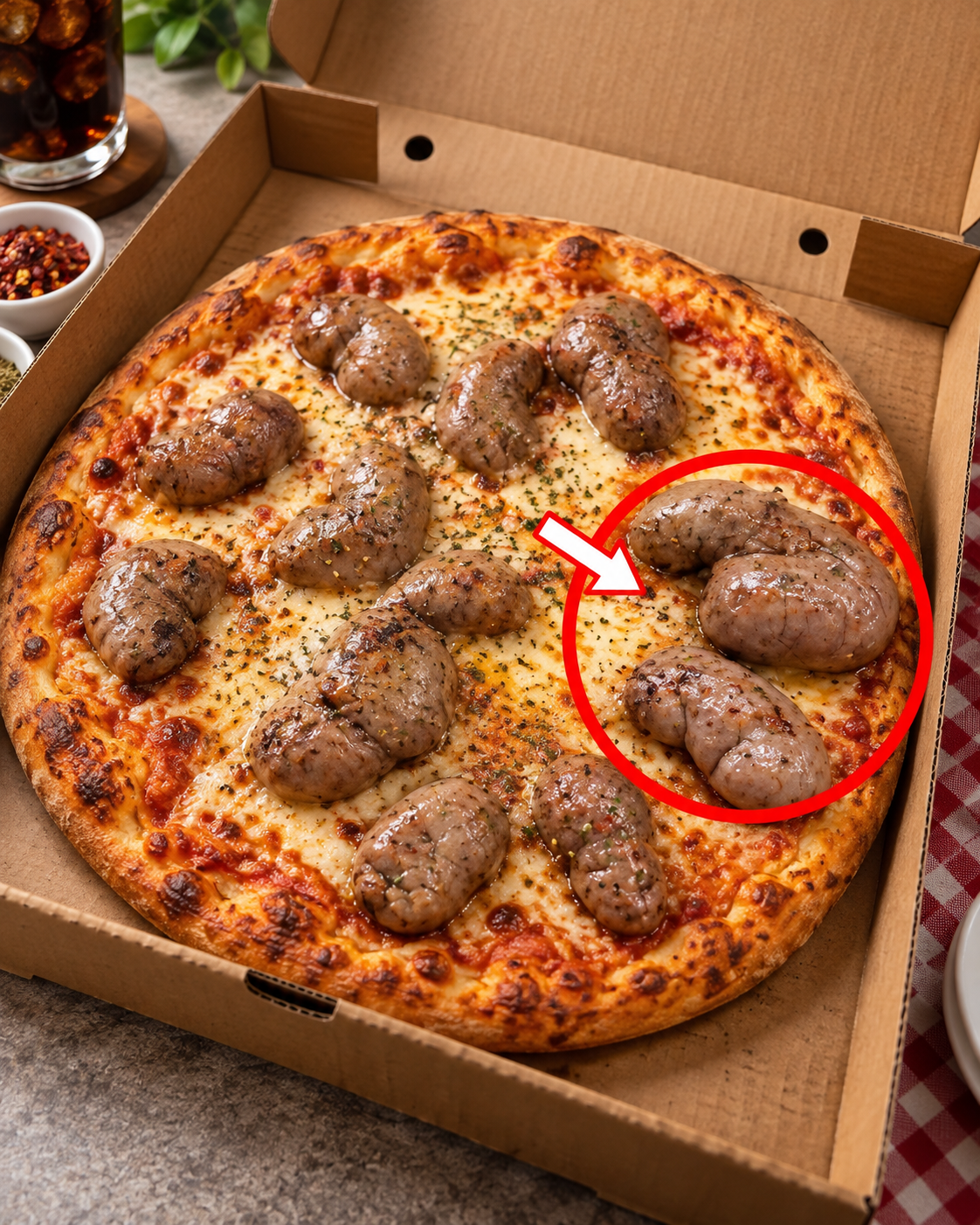
I ordered a pizza in the evening and noticed something strange as soon as I opened the box. The cheese wasn’t perfectly smooth. Instead, several raised bubbles covered the surface, and a few looked like small blisters. Some areas had browned more than others, too.
At first, that appearance can make anyone hesitate. Is bubbly cheese normal? Did something go wrong during cooking? Could those strange spots mean the pizza spoiled?
Fortunately, bubbles on freshly cooked pizza usually have a simple explanation. Heat, moisture, cheese composition, and trapped steam can all create them. In many cases, those bubbles actually show what happened inside the cheese and dough as the pizza baked.
I had a similar reaction after opening a pizza box one evening. Everything smelled great, but one section of cheese had puffed into several large bubbles. One had even browned across the top. I stared at it longer than I would like to admit because the rest of the pizza looked completely normal. Once I looked more closely, though, the explanation became much less mysterious. The pizza was still hot, the cheese smelled fresh, and the raised spots had formed where moisture and steam expanded during baking. What initially looked suspicious turned out to be a normal result of intense oven heat.
Why Pizza Cheese Develops Strange Bubbles
Moisture Turns Into Steam During Baking
If you ordered a pizza in the evening and noticed something strange on the cheese, moisture may provide the simplest explanation.
Cheese contains water. However, different cheeses contain different amounts of it. When a pizza enters a hot oven, the temperature rises quickly. As a result, some moisture inside or underneath the cheese turns into steam.
That steam needs somewhere to go.
Sometimes it escapes easily through gaps in the melted cheese. However, melted cheese can also stretch across the surface and temporarily trap steam underneath. As pressure builds, the cheese rises and creates a bubble.
Eventually, the bubble may collapse. Alternatively, it may remain inflated long enough for the oven’s heat to brown its surface.
This process can create small blisters, large bubbles, or uneven patches across the pizza.
Therefore, bubbles do not automatically indicate a problem with the cheese. They often reflect normal changes that occur when moisture meets intense heat.
The dough can behave similarly. Pizza dough contains both moisture and gases produced during fermentation. As the crust heats, those gases expand. Steam also develops inside the dough.
Consequently, you may see bubbles in both the crust and cheese.
In fact, the high temperatures commonly used for pizza make these changes happen quickly. That rapid transformation helps create the contrasting textures people enjoy in freshly baked pizza.
High Heat Changes the Cheese Quickly
Heat does much more than simply make cheese warm.
As cheese heats, its structure changes. The cheese softens, melts, releases fat, and loses moisture. Meanwhile, steam and gases can become temporarily trapped beneath its surface.
Higher oven temperatures can make these changes especially noticeable.
For example, a bubble may rise rapidly and move closer to the hottest part of the oven. Its thin surface then receives intense heat, so it can brown faster than the surrounding cheese.
That explains why some pizza bubbles have golden, brown, or slightly charred tops.
The effect can look dramatic. However, browning itself is a normal part of cooking.
Different sections of the same pizza can also cook somewhat differently. One area may contain more cheese. Another may hold more sauce or moisture. Likewise, a section closer to an intense heat source may brown more quickly.
Therefore, a pizza does not need a perfectly uniform surface to be properly cooked.
Instead, expect some variation.
Small blisters, browned cheese spots, and raised bubbles can all develop naturally during baking. Unless other signs suggest spoilage or contamination, their appearance alone usually provides little reason for concern.
How Cheese Type Affects Pizza Bubbles
Different Cheeses Melt Differently
Not every cheese reacts to heat in the same way.
Mozzarella remains one of the most popular pizza cheeses because it melts and stretches particularly well. However, even mozzarella varies considerably.
Fresh mozzarella contains relatively high moisture. Therefore, it can release more water during cooking. Low-moisture mozzarella behaves differently and may produce a firmer, more consistent layer.
Other cheeses introduce additional variables.
Cheddar, provolone, Parmesan, Monterey Jack, and various cheese blends contain different levels of moisture, fat, protein, and salt. Those differences affect how each cheese melts, browns, stretches, and releases oil.
Consequently, two pizzas cooked at the same temperature can develop very different surfaces simply because they use different cheeses.
The size and thickness of the cheese pieces also matter.
Finely shredded cheese spreads differently from large slices or thick pieces. If one area contains a thicker layer, moisture and steam may have more opportunity to become trapped beneath the melted surface.
Therefore, one pizza might develop dozens of tiny bubbles while another develops only a few large ones.
Neither appearance automatically means something went wrong.
Instead, those differences often reflect the ingredients and cooking method.
Brown Spots Can Be Completely Normal
Brown spots on cheese sometimes cause more concern than bubbles themselves.
However, browning commonly occurs when pizza cooks at high temperatures.
The surface of a raised cheese bubble receives concentrated heat. Because the bubble pushes upward, that thin layer can brown rapidly. In some ovens, it may even develop a dark blister.
Meanwhile, the surrounding cheese remains pale or golden.
This contrast can look unusual, especially when you open a delivery box and see the pizza under bright light.
Still, normal browning usually has a toasted appearance rather than the fuzzy, spreading appearance associated with mold.
Smell also provides useful context. A freshly cooked pizza should generally smell like its ingredients: baked dough, cheese, sauce, herbs, meat, or vegetables. A toasted or slightly smoky aroma may accompany browned sections.
However, a strongly sour, rotten, or otherwise abnormal odor deserves attention.
Likewise, consider when you received the pizza. Bubbles and brown spots on a pizza that just came from the oven have an obvious cooking-related explanation.
Therefore, appearance needs context.
A raised golden blister on hot mozzarella differs considerably from an unexplained patch that develops after improper storage.
Is Bubbly Pizza Safe to Eat?
Normal Cooking Bubbles Are Usually Harmless
Seeing an unexpected bubble does not automatically make a pizza unsafe.
If the pizza arrived freshly cooked and the bubble simply consists of raised or browned cheese, normal cooking processes likely created it.
The same principle applies to bubbles in the crust.
Pizza dough often develops air pockets as gases and steam expand in the oven. Some pizza styles intentionally feature blistered, uneven crusts because intense heat produces their characteristic texture.
Therefore, bubbles themselves provide little information about food safety.
Instead, evaluate the pizza as a whole.
Does it smell normal? Does it look freshly cooked? Did it arrive hot or appropriately handled? Do the toppings have their expected appearance and texture?
If the answers seem normal, cheese bubbles alone generally should not create alarm.
However, you should distinguish cooking bubbles from obvious foreign material, mold, or signs of spoilage.
For example, a browned bubble has a smooth or blistered cooked surface. Mold usually looks very different and may appear fuzzy or irregular.
Similarly, melted cheese can release oil. Small pools of oil on certain pizzas can occur naturally, particularly when fatty cheeses or meat toppings cook.
Understanding these normal changes can prevent unnecessary worry.
The key is to identify whether the unusual feature clearly resulted from cooking or whether other warning signs accompany it.
Know When Something Really Looks Wrong
Although bubbles often have an innocent explanation, not every unusual pizza should automatically be eaten.
Pay attention to strong warning signs.
A distinctly rotten or unexpectedly sour smell deserves caution. Likewise, visible mold, foreign objects, or obviously spoiled toppings provide good reasons to stop eating the pizza.
Temperature and storage also matter.
Freshly prepared pizza should not remain at room temperature indefinitely. Once leftovers cool, proper storage becomes important. Refrigerating them promptly helps slow microbial growth.
Later, inspect leftovers before reheating them.
Cheese may look firmer after refrigeration because the fats have cooled. Sauce can also thicken, and the crust may lose some crispness. Those changes can occur normally.
However, obvious mold or a seriously unpleasant odor tells a different story.
When evaluating a freshly delivered pizza, therefore, separate normal cooking marks from actual spoilage signs.
Bubbles, blisters, browned cheese, and charred crust spots commonly develop because of oven heat. They do not automatically indicate bad ingredients.
If something genuinely seems contaminated or spoiled, however, avoid tasting it merely to find out.
Why Some Pizzas Bubble More Than Others
Cooking Temperature Makes a Major Difference
One pizza can emerge almost completely flat while another comes out covered in bubbles.
Oven temperature helps explain the difference.
Pizza often cooks at relatively high heat. Some styles cook especially quickly because their ovens reach temperatures far above those used for many everyday baked foods.
When dough and cheese experience intense heat, moisture converts to steam rapidly. Meanwhile, gases already present inside the dough expand.
That combination encourages bubbling.
A lower-temperature bake may create a different result because the pizza heats more gradually. Steam can escape differently, while cheese melts and browns at another rate.
Commercial pizza ovens also vary.
Some use stone surfaces. Others use conveyor systems or specialized high-temperature ovens. The position of the pizza within the oven can affect its exposure to heat as well.
Therefore, the exact appearance of your pizza depends partly on how the restaurant cooks it.
This variation explains why one order may have prominent cheese bubbles while another order from somewhere else looks smoother.
Neither appearance necessarily indicates better or worse quality.
Instead, the bubbles tell you something about the interaction between heat, moisture, dough, and cheese.
Pizza Makers Can Control Excessive Bubbling
Pizza makers have several ways to manage bubbles when they become excessive.
For dough, they can gently remove oversized air pockets during shaping. Some styles also use docking, which involves making small holes in the dough to reduce large bubbles during baking.
However, not every pizza style benefits from this technique. Many styles intentionally preserve air in the dough because those pockets contribute to a light, airy crust.
Cheese selection also makes a difference.
Choosing cheese with an appropriate moisture level can help control the amount of water released during cooking. Likewise, distributing cheese evenly can reduce unusually thick areas that trap steam.
Temperature and cooking time matter too. Pizza makers can adjust their process depending on the crust, sauce, cheese, toppings, and oven they use.
Still, eliminating every bubble is not necessarily desirable.
Those irregularities often give pizza its characteristic appearance. Small cheese blisters can add toasted flavor, while airy crust bubbles can create a pleasant contrast between crisp and tender areas.
So, the strange feature you noticed after opening the box may actually be evidence of a very ordinary transformation.
Heat simply turned moisture into steam, expanded gases in the dough, melted the cheese, and browned the exposed surface.
Frequently Asked Questions
Why does my pizza cheese have bubbles?
Heat causes moisture inside and underneath the cheese to turn into steam. Melted cheese can temporarily trap that steam, creating raised bubbles or blisters across the surface.
Is bubbly pizza cheese safe to eat?
Bubbles caused by normal cooking do not automatically make pizza unsafe. Check the pizza’s overall condition instead. Fresh smell, normal-looking ingredients, and proper handling provide more useful information than bubbles alone.
Why do some pizza bubbles turn brown?
A bubble rises above the surrounding cheese and receives intense oven heat. Therefore, its thin surface can brown faster than flatter sections of cheese. This creates golden, brown, or sometimes dark blistered spots.
Can pizza dough develop bubbles too?
Yes. Gases from fermentation and steam expand when pizza dough heats. As a result, pockets can inflate in the crust. Some pizza styles intentionally preserve these airy sections.
How can pizza makers reduce large bubbles?
They can manage dough fermentation, remove oversized pockets during shaping, use docking when appropriate, distribute toppings evenly, select suitable cheese, and adjust oven temperature. However, some bubbling remains a normal and desirable part of many pizza styles.
Conclusion
If you ordered a pizza in the evening and noticed something strange, those raised bubbles on the cheese probably have a straightforward explanation. Moisture, steam, intense heat, cheese composition, and the cooking process can all create bubbles and browned blisters.
Different cheeses react differently in the oven. Likewise, different pizza styles, doughs, and oven temperatures create different surfaces. As a result, one pizza may look smooth while another develops dramatic bubbles.
Most importantly, a cooking bubble alone does not indicate spoilage. Instead, consider the pizza’s overall condition. Check its smell, appearance, freshness, handling, and storage.
Normal cheese bubbles can simply be part of what happens when a pizza meets a very hot oven. What initially looks strange may actually be one of the most ordinary parts of baking a pizza.
More Blog
- Drinking Water on an Empty Stomach — What Science Actually Supports (No Hype, Just Facts)
- Waking Up Between 3 and 5 AM? It Might Be Your Soul Trying to Talk to You
- What a “Bleach” Patch on Your Underwear Really Means — And Why It’s Actually a Good Sign
- This Drink May Weaken Your Bones From The Inside — But Everyone Drinks It Anyway