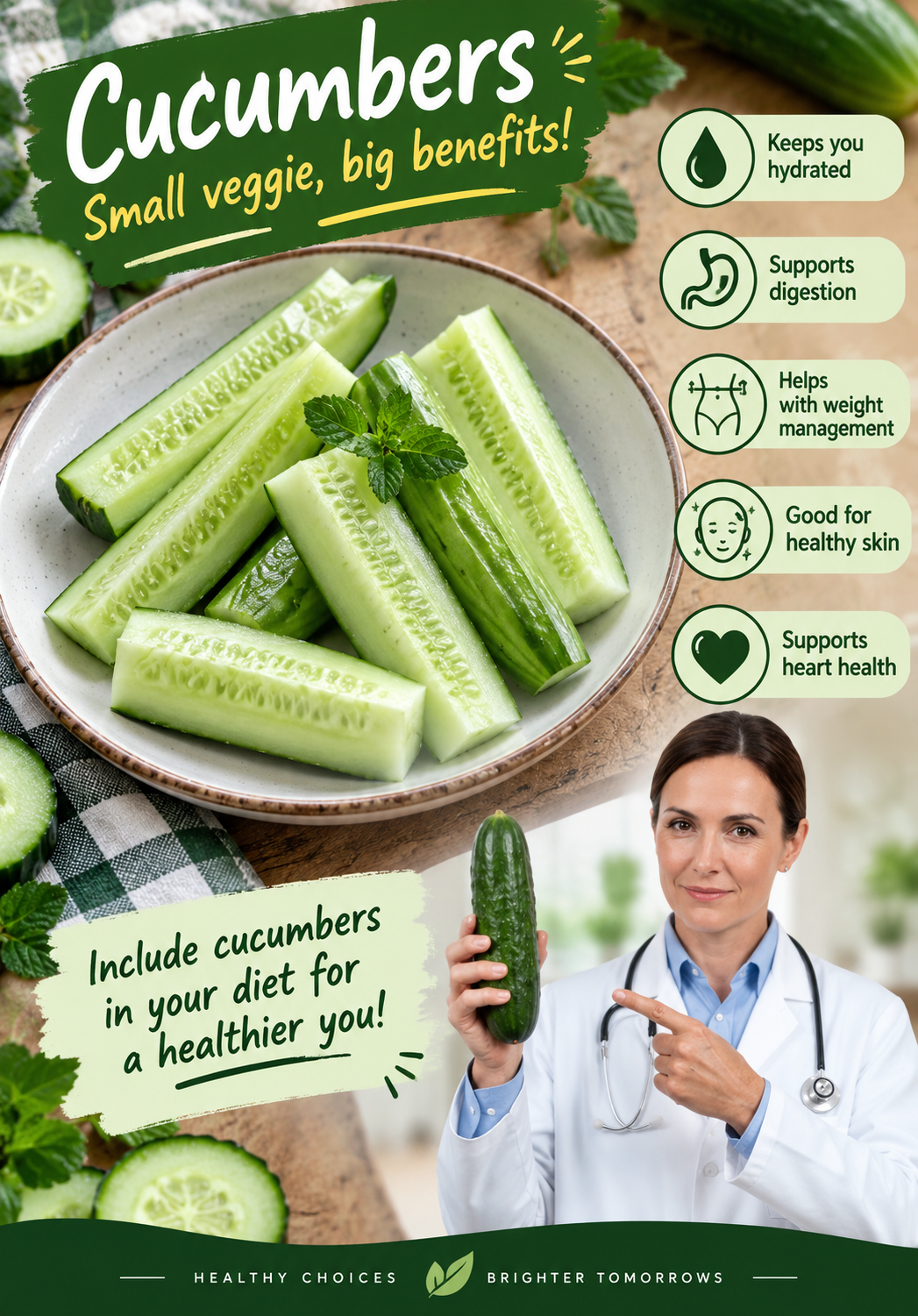
Eat Cucumbers Every Day and you may notice several small but meaningful changes in how your meals feel and how easily you meet certain nutritional needs. Cucumbers contain plenty of water, very few calories, some fiber, vitamin K, and modest amounts of several other nutrients. Because they taste mild and refreshing, they also fit easily into salads, sandwiches, snacks, and side dishes.
However, cucumbers do not act like a miracle food. Eating them daily will not detox your body, melt away fat, or cure health problems. Instead, their value comes from something much simpler. They make it easier to add more vegetables, water-rich foods, and fresh texture to your daily meals.
I started paying more attention to cucumbers after realizing how often I reached for heavier snacks simply because I wanted something crisp. Keeping sliced cucumber ready in the refrigerator changed that habit almost immediately. I started adding it to lunches, pairing it with hummus, and tossing it into salads. Nothing dramatic happened overnight. Still, my meals felt lighter and fresher, and I found it easier to eat more vegetables without much planning. That simple experience showed me why everyday foods can matter even when they do not promise extraordinary results.
If you eat cucumbers every day, the effects will depend on the rest of your diet, your hydration habits, and how you prepare them. Still, several potential benefits make cucumbers worth including regularly.
Why Eating Cucumbers Daily Can Support Hydration and Fullness
Their High Water Content Adds Extra Fluid to Meals
Cucumbers consist mostly of water, which explains their cool, crisp texture. Because of this high water content, they can contribute to your overall fluid intake.
Water supports nearly every major system in the body. It helps regulate body temperature, transport nutrients, support circulation, lubricate joints, and keep digestion moving normally. Although drinking water remains the most direct way to stay hydrated, foods also contribute fluid.
Therefore, when you eat cucumbers every day, you add a water-rich food to your routine.
This can feel especially useful during warm weather. A cucumber salad, chilled cucumber slices, or cucumber mixed with tomatoes and leafy greens can make a meal feel more refreshing.
However, cucumber should not replace water. If you rely only on water-rich foods and rarely drink fluids, you may still fall short of your needs.
Your hydration requirements also change with activity, climate, pregnancy, illness, and other factors. For that reason, use cucumber as an extra source of fluid rather than your main hydration strategy.
Cucumber also combines well with other water-rich foods. Tomatoes, lettuce, watermelon, oranges, strawberries, and celery can all increase the amount of fluid you get from meals.
As a result, eating cucumbers every day can support a broader pattern of choosing fresh foods that naturally contain water.
You may notice the biggest difference when cucumber replaces a dry, highly processed snack. For example, cucumber slices with a protein-rich dip offer a completely different combination of water, nutrients, and volume than crackers or chips.
The change does not need to feel dramatic to be useful.
Small choices repeated regularly can shape the overall quality of your diet.
Cucumbers Can Add Volume Without Many Calories
Cucumbers also contain relatively few calories for their size.
That makes them useful when you want a generous portion of food without adding a large amount of energy to the meal.
Volume matters because people often respond to both the amount and weight of food they eat. Water-rich vegetables can fill space on the plate and make meals feel more substantial.
Therefore, if you eat cucumbers every day, you may find it easier to create larger salads, wraps, bowls, and side dishes without turning them into calorie-heavy meals.
Still, cucumber alone may not keep you satisfied for very long.
It contains little protein and only a modest amount of fiber. Because of that, eating a bowl of plain cucumber may leave you hungry again fairly quickly.
The better approach involves pairing cucumber with foods that provide protein, healthy fats, or additional fiber.
For example, combine cucumber with Greek yogurt, hummus, beans, tuna, chicken, eggs, avocado, nuts, seeds, or whole grains.
These combinations create a more balanced snack or meal.
Preparation also matters.
A fresh cucumber salad can stay relatively light. However, adding large amounts of creamy dressing, cheese, sugary sauces, or fried toppings can dramatically change the meal.
That does not mean you must avoid dressing. Instead, use enough for flavor while keeping the vegetables at the center of the dish.
If your goal involves maintaining or managing body weight, cucumbers can help make meals more filling by increasing volume.
However, no vegetable automatically causes weight loss.
Your total food intake, activity, sleep, stress, and long-term habits still matter much more.
So, eating cucumbers every day works best as one practical habit within a balanced lifestyle.
How Cucumbers May Support Digestion and Nutrient Intake
The Peel Provides Fiber That Supports Regularity
Cucumbers contain some fiber, particularly when you eat the peel.
Fiber supports normal digestive function by adding bulk to stool and helping food move through the digestive tract. It also contributes to a healthy eating pattern that includes vegetables, fruits, beans, nuts, seeds, and whole grains.
If you eat cucumbers every day with the peel, you can add a small amount of fiber to your daily total.
However, cucumbers do not rank among the highest-fiber vegetables.
That distinction matters.
Someone struggling with constipation should not expect cucumber alone to solve the problem. Foods such as beans, lentils, berries, pears, oats, chia seeds, vegetables, and whole grains can contribute much larger amounts of fiber.
Still, cucumber brings both water and fiber together.
That combination can support comfortable digestion, especially as part of a varied diet.
If you currently eat very little fiber, increase fiber-rich foods gradually. A sudden jump can sometimes cause bloating or gas.
Also, remember that hydration matters when you increase fiber intake.
Some people peel cucumbers because they dislike the texture or find the skin harder to digest. That choice remains perfectly reasonable. You still receive water and other nutrients from the flesh.
However, keeping the peel adds fiber and reduces food waste.
Wash the cucumber thoroughly before eating it, especially if you plan to leave the peel on.
You can also slice cucumber thinly if you find thicker pieces difficult to chew or digest.
Ultimately, eating cucumbers every day may support digestive regularity, but the effect will remain modest unless your overall diet contains enough fiber.
Think of cucumber as one contributor rather than the whole solution.
Cucumbers Supply Vitamin K and Small Amounts of Other Nutrients
Cucumbers look simple, but they still provide several useful nutrients.
Vitamin K stands out as one of the more notable nutrients in cucumber, especially when you eat the peel. Your body uses vitamin K for normal blood clotting and bone-related processes.
Cucumbers also provide small amounts of potassium, magnesium, vitamin C, and several plant compounds.
However, cucumbers do not contain massive amounts of most vitamins and minerals.
That makes dietary variety important.
If you eat cucumbers every day, continue eating darker leafy greens, colorful vegetables, fruit, beans, nuts, seeds, whole grains, and protein-rich foods.
Each food contributes a different mix of nutrients.
For example, spinach provides much more folate and vitamin K. Red peppers contain much more vitamin C. Sweet potatoes provide substantial beta-carotene. Beans contribute protein, fiber, iron, and other minerals.
Cucumber brings hydration, crunch, freshness, and some micronutrients to that larger mix.
This variety also makes meals more enjoyable.
A salad built only from cucumber may taste refreshing, but a salad containing cucumber, tomatoes, leafy greens, chickpeas, peppers, seeds, and a simple dressing offers far more nutritional diversity.
There is one additional consideration for people who take certain medications.
Because vitamin K affects blood clotting, people who use warfarin or similar vitamin K-sensitive medications often need to keep their vitamin K intake consistent rather than making sudden changes.
That does not automatically mean avoiding cucumber.
Instead, follow the dietary guidance given by your healthcare professional.
For everyone else, eating cucumbers every day can provide a small nutritional boost while helping you include more vegetables in your meals.
The real strength of cucumber comes from how easy it is to use.
You do not need special equipment, complicated cooking, or a long recipe.
Simply wash, slice, and add it to your plate.
What Daily Cucumbers May Mean for Heart and Skin Health
Cucumbers Can Fit Into a Heart-Friendly Eating Pattern
No single vegetable can protect your heart by itself.
However, vegetables form an important part of eating patterns associated with cardiovascular health.
If you eat cucumbers every day, you may naturally replace some foods that contain more sodium, saturated fat, or refined carbohydrates.
For example, cucumber slices can replace chips beside a sandwich. A cucumber and tomato salad can replace a heavier side dish. Cucumber can also add crunch to wraps without relying on fried ingredients.
These substitutions may matter more than any special compound in the cucumber itself.
Cucumbers contain some potassium, a mineral that plays a role in normal blood pressure regulation. However, many other foods provide considerably more potassium.
Beans, potatoes, leafy greens, bananas, yogurt, lentils, and several fruits and vegetables can all make important contributions.
Therefore, do not depend on cucumber alone for potassium.
Instead, consider it part of a broader vegetable-rich diet.
The way you season cucumber also matters.
Pickles begin as cucumbers, but many commercially prepared pickles contain substantial sodium. They do not provide the same nutritional profile as fresh cucumber.
Likewise, a cucumber salad drenched in salty dressing can add far more sodium than plain cucumber.
If heart health matters to you, use herbs, vinegar, lemon juice, yogurt-based dressings, and modest amounts of salt for flavor.
You can also pair cucumber with foods rich in unsaturated fats, such as avocado, olive oil, nuts, and seeds.
When you eat cucumbers every day as part of this kind of eating pattern, the benefit comes from the total combination.
Fresh vegetables contribute volume and nutrients. Whole grains add fiber. Beans and other proteins increase satisfaction. Healthy fats add flavor and support a balanced meal.
That complete picture matters far more than any viral claim about one vegetable.
Hydration and Nutrient-Rich Meals Can Support Healthy Skin
Cucumbers have a long association with skin care.
People often place cucumber slices over their eyes or use cucumber extracts in skin products. However, eating cucumber and placing it on your skin are very different things.
When you eat cucumbers every day, the most relevant skin benefit comes from hydration and overall nutrition.
Your skin needs adequate fluid and a range of nutrients to function normally. Water helps maintain normal hydration, while protein, healthy fats, vitamins, and minerals support skin structure and repair.
Because cucumbers contain plenty of water, they can contribute a small amount toward your daily hydration.
They also contain vitamin C and plant compounds, although not in exceptionally large amounts.
Still, eating cucumber alone will not erase wrinkles, clear acne, or dramatically change your complexion.
Skin appearance depends on many factors.
Genetics, age, sun exposure, smoking, sleep, hormones, medications, skincare habits, hydration, and total diet all play roles.
Therefore, treat cucumber as one supportive food rather than a beauty treatment.
You can strengthen the nutritional value of a cucumber-based meal by adding foods that contain healthy fats and protein.
For example, make a cucumber salad with avocado and salmon. Mix cucumber with Greek yogurt and herbs. Add cucumber to a bowl with chickpeas, olive oil, tomatoes, and seeds.
These combinations provide nutrients that cucumber alone cannot supply.
Sun protection also remains one of the most important steps for maintaining healthy-looking skin.
No amount of cucumber can replace sunscreen, protective clothing, or appropriate medical care for skin concerns.
Still, eating cucumbers every day can become part of a fresh, produce-rich diet.
That type of diet supports general health, which includes the normal function of your skin.
What to Know Before You Eat Cucumbers Every Day
Variety Matters More Than Eating One Food Repeatedly
Daily cucumber can certainly fit into a healthy diet, but variety remains more important than repetition.
Different vegetables contain different nutrients and plant compounds.
Therefore, if you eat cucumbers every day, do not let them replace other vegetables.
Aim for different colors and types throughout the week.
Dark leafy greens bring folate and carotenoids. Orange vegetables provide beta-carotene. Tomatoes contain lycopene. Cruciferous vegetables such as broccoli and cabbage contribute different plant compounds. Beans and peas add fiber and protein.
Cucumber fills another role.
It contributes water, freshness, mild flavor, and crunch.
Because it has such a neutral taste, you can pair it with many foods.
Add cucumber to sandwiches, wraps, grain bowls, salads, yogurt dips, cold soups, or simple side dishes.
You can also combine it with herbs such as dill, mint, cilantro, parsley, or basil.
However, eating large quantities of any one vegetable can crowd other foods out of your diet.
If your lunch consists only of cucumber because you want to eat fewer calories, you may miss protein, healthy fats, iron, calcium, and many other nutrients.
A better meal might combine cucumber with lentils, chicken, tofu, eggs, fish, or beans.
Add a whole grain such as quinoa, brown rice, or whole-grain bread. Then include a source of healthy fat.
This approach creates balance.
It also helps prevent the common mistake of equating “low calorie” with “nutritionally complete.”
Cucumber offers useful qualities precisely because it works well with other foods.
So, eating cucumbers every day can become a healthy habit when it expands your vegetable intake rather than narrowing your diet.
A Few People May Need to Pay Attention to Preparation or Digestion
Most people can eat cucumber without problems.
However, a few practical issues may matter.
Some people notice burping or digestive discomfort after eating cucumber. Removing the peel or seeds may make cucumber easier for them to tolerate.
Others may react to cucumbers because of an allergy, although true cucumber allergy remains uncommon.
People with pollen-related oral allergy syndrome may also experience itching or tingling after eating certain raw fruits and vegetables. Anyone who develops swelling, breathing difficulty, or another serious allergic reaction needs prompt medical attention.
Food safety matters as well.
Wash fresh cucumbers under running water before cutting them. Keep cut cucumber refrigerated and avoid leaving sliced vegetables at room temperature for long periods.
Preparation can also change the nutritional picture dramatically.
Fresh cucumber contains very little sodium. Pickled cucumber, however, can contain much more because manufacturers or home cooks often use salty brine.
Therefore, someone who watches sodium intake should compare labels and portion sizes.
Dressings create another difference.
A salad filled with cucumber and vegetables can quickly become much higher in calories, sodium, or added sugar when you pour on a large amount of dressing.
You do not need to eat cucumber plain.
Instead, use flavorful ingredients strategically. Lemon juice, vinegar, fresh herbs, garlic, pepper, yogurt, tahini, and modest amounts of olive oil can create satisfying dressings.
When you eat cucumbers every day, preparation determines whether the habit remains simple and balanced.
Most importantly, listen to your body.
If cucumber causes persistent digestive symptoms, you do not need to force yourself to eat it just because it has a healthy reputation.
There are plenty of other vegetables that can provide water, fiber, vitamins, and minerals.
Healthy eating should offer flexibility.
Frequently Asked Questions
What happens if I eat cucumbers every day?
If you eat cucumbers every day, you may increase your intake of water-rich vegetables, vitamin K, and small amounts of fiber and other nutrients. Cucumbers can also add volume to meals without many calories. However, the effects depend on the rest of your diet, and cucumbers will not cause dramatic changes by themselves.
Can eating cucumbers every day help with weight loss?
Cucumbers can support weight-management meals because they contain plenty of water and relatively few calories. However, they do not burn body fat. Long-term weight changes depend on overall food intake, activity, sleep, and many other factors. Pair cucumber with protein and fiber-rich foods to create more satisfying meals.
Is it better to eat cucumber with or without the peel?
Eating the peel provides additional fiber and nutrients. Therefore, leaving the peel on can make sense if you enjoy the texture and tolerate it well. Wash the cucumber thoroughly first. If the peel bothers your digestion or you dislike it, removing it remains perfectly fine.
Can I eat too much cucumber?
Most healthy people can eat cucumber regularly without trouble. However, extremely large portions may cause bloating or digestive discomfort in some people. Eating huge amounts can also crowd more nutrient-dense foods out of your diet. Variety remains the better approach.
Are pickles as healthy as fresh cucumbers?
Pickles still come from cucumbers, but the brining process changes their nutritional profile. Many pickles contain a large amount of sodium. Therefore, fresh cucumber and pickled cucumber are not nutritionally identical. People who need to limit sodium should pay particular attention to pickle labels and serving sizes.
Conclusion
If you eat cucumbers every day, you may gain several simple benefits from adding a fresh, water-rich vegetable to your routine.
Cucumbers can contribute to hydration, add volume to meals, provide modest amounts of fiber, and supply nutrients such as vitamin K. They can also make salads, wraps, sandwiches, and snacks feel fresher without adding many calories.
However, cucumbers cannot transform your health on their own.
They do not replace drinking water. They do not burn fat. They do not cure digestive problems, heart disease, or skin conditions. Instead, they work best as one part of a varied eating pattern.
The biggest advantage may come from what cucumber helps you do consistently.
When cucumber replaces chips, adds vegetables to lunch, or turns a simple snack into something fresh and satisfying, it can improve the overall quality of your meals.
Pair it with protein, whole grains, healthy fats, and other colorful vegetables. Keep preparation simple. Watch excessive sodium in pickles and heavy dressings. Most importantly, continue eating a wide variety of foods rather than relying on one ingredient.
In that context, eating cucumbers every day can become an easy, refreshing habit that supports a balanced lifestyle without requiring complicated rules or exaggerated promises.
More Blog
- Drinking Water on an Empty Stomach — What Science Actually Supports (No Hype, Just Facts)
- Waking Up Between 3 and 5 AM? It Might Be Your Soul Trying to Talk to You
- What a “Bleach” Patch on Your Underwear Really Means — And Why It’s Actually a Good Sign
- This Drink May Weaken Your Bones From The Inside — But Everyone Drinks It Anyway