A skin rash with breathing trouble is very different from an ordinary itchy rash. While many skin reactions remain mild, the combination of hives, swelling, wheezing, throat tightness, dizziness, or difficulty breathing can signal anaphylaxis, a severe allergic reaction that can become life-threatening.
Anaphylaxis can develop rapidly. Therefore, recognizing the warning signs matters. A person may first notice itching, flushing, or raised welts. Soon afterward, the lips or tongue may swell, breathing may become difficult, or the person may feel weak and dizzy. When those symptoms occur together, waiting to see whether they disappear can be dangerous.
I once watched someone develop what initially looked like a simple patch of hives after a meal. At first, everyone focused on the rash because it seemed like the most obvious problem. However, within minutes, the person said their throat felt strange and breathing became uncomfortable. The situation suddenly looked completely different. Emergency help became the priority, not treating the itching. That experience made one lesson especially memorable: the appearance of a rash matters, but the symptoms happening alongside it can matter much more. When breathing, swallowing, circulation, or consciousness changes, a seemingly ordinary allergic reaction requires immediate attention.
Why a Skin Rash With Breathing Trouble Can Be Dangerous
Understanding What Happens During Anaphylaxis
Anaphylaxis is a severe allergic reaction that can affect several parts of the body at the same time. The immune system reacts strongly to a substance it identifies as a threat. As a result, the body releases chemical mediators that can affect the skin, airways, digestive system, heart, and blood vessels.
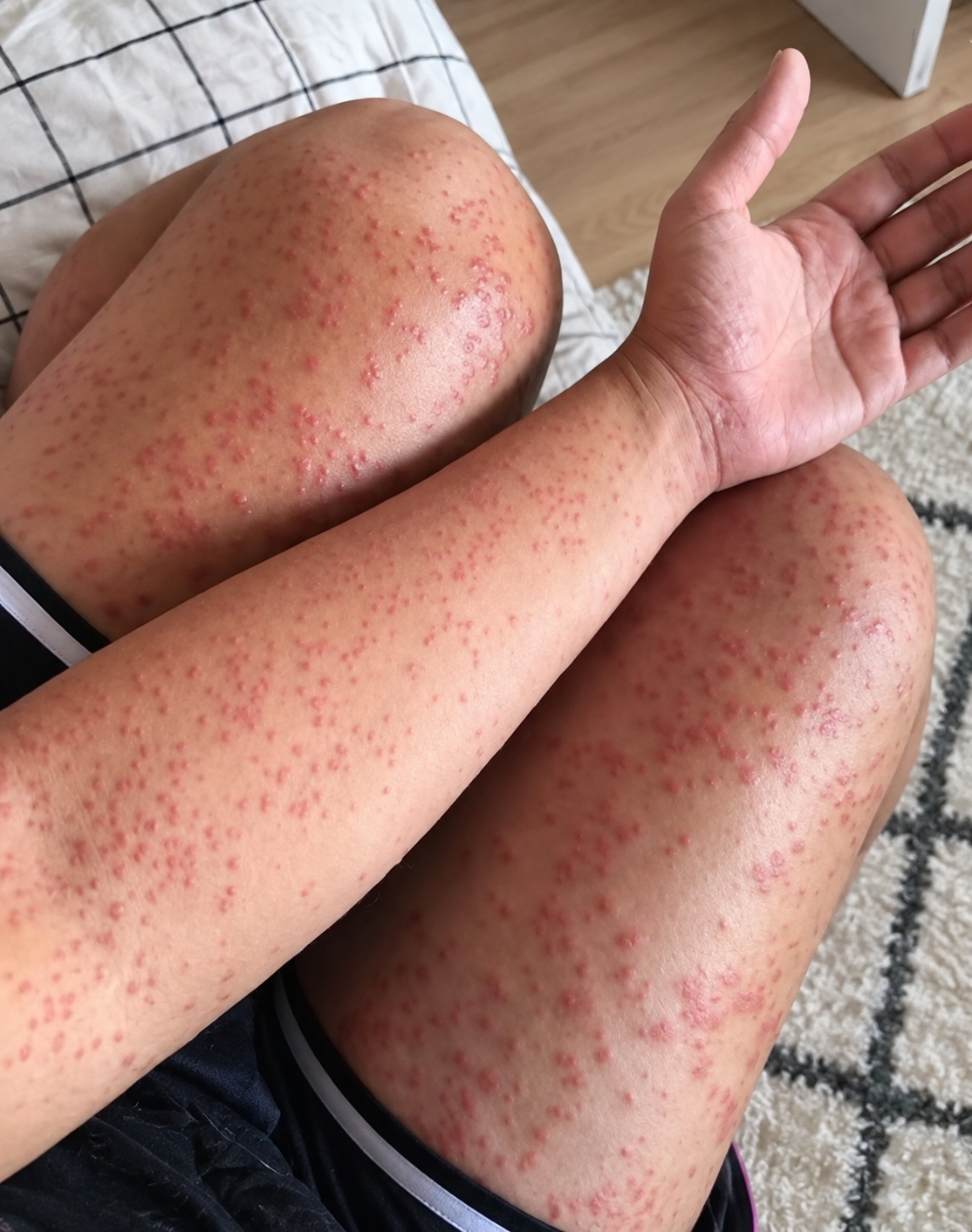
The skin may show some of the earliest visible changes. Hives can develop suddenly. They usually look like raised, itchy welts and may spread across the arms, legs, chest, back, face, or other areas. The skin may also become flushed, itchy, or swollen.
However, anaphylaxis becomes particularly dangerous when the airways or circulation become involved.
Swelling may develop around the lips, tongue, mouth, or throat. Meanwhile, the airways can narrow, which may cause wheezing, coughing, chest tightness, or shortness of breath.
Blood pressure can also fall. Therefore, a person may become dizzy, weak, confused, or faint.
Digestive symptoms can occur as well. Some people develop nausea, vomiting, diarrhea, or abdominal discomfort during a serious reaction.
Importantly, anaphylaxis does not always follow one predictable pattern. One person may develop widespread hives followed by wheezing. Another may experience throat swelling and dizziness with only minor skin changes.
That is why a skin rash with breathing trouble deserves immediate attention. The breathing symptoms suggest that the reaction may extend well beyond the skin.
Warning Signs That Should Never Be Ignored
Some allergic reactions cause nothing more than mild itching or a few localized bumps. However, certain symptoms indicate that the situation may have become an emergency.
Difficulty breathing stands among the most important warning signs. A person may feel unable to take a full breath. Alternatively, breathing may become noisy, fast, or labored.
Wheezing can occur when the lower airways narrow. Meanwhile, throat tightness or a sensation that the throat is closing may signal swelling around the upper airway.
Changes in the voice can also matter. A suddenly hoarse voice, difficulty speaking normally, or trouble swallowing may accompany swelling in the throat.
Watch the face and mouth as well. Rapid swelling of the lips or tongue requires urgent attention, particularly when it occurs with breathing problems.
Circulation symptoms provide another warning. Severe dizziness, fainting, confusion, weakness, pale or clammy skin, or a rapid weak pulse may indicate that blood pressure has dropped.
Therefore, treat a skin rash with breathing trouble, throat swelling, fainting, or severe dizziness as a possible emergency rather than assuming it represents a minor allergy.
Anaphylaxis can worsen quickly. Consequently, the safest response involves getting emergency medical help immediately.
Common Triggers Behind Severe Allergic Reactions
Foods, Medicines, and Insect Stings
Many different substances can trigger anaphylaxis in susceptible people. However, foods rank among the most familiar causes.
Peanuts and tree nuts can cause severe reactions in people with allergies to them. Shellfish, fish, milk, eggs, wheat, soy, and sesame can also trigger food allergies. Still, almost any food can potentially cause a reaction if someone has developed an allergy to it.
Symptoms often begin after eating the triggering food. However, the timing can vary. A person might first notice itching around the mouth, hives, facial swelling, nausea, or stomach discomfort. Then breathing symptoms may develop.
Medications can also trigger serious allergic reactions. Antibiotics represent one potential cause. Additionally, certain pain relievers and other medications may produce reactions in susceptible individuals.
Never assume that a medication reaction will remain mild simply because it begins with a rash. If breathing difficulties, facial swelling, severe dizziness, or other serious symptoms develop, emergency evaluation becomes necessary.
Insect stings provide another well-known trigger. Bees, wasps, hornets, and similar insects can cause local pain and swelling in almost anyone. However, someone with a venom allergy can develop symptoms throughout the body.
For example, hives may appear far away from the sting site. The lips or throat may swell. Breathing may become difficult. Dizziness or fainting can also occur.
In this situation, the reaction has moved beyond normal swelling around an insect sting.
Latex and Other Possible Allergens
Latex can trigger allergic reactions in some individuals. Products that contain natural rubber latex may include certain medical gloves, balloons, and other items.
People who have developed latex sensitivity may experience skin symptoms after contact. In severe cases, however, a systemic allergic reaction can occur.
Other exposures can trigger anaphylaxis as well. Therefore, doctors often review what a person ate, touched, inhaled, or received shortly before symptoms began.
Sometimes the trigger remains unclear during the initial episode. That uncertainty should not delay emergency treatment when dangerous symptoms are present.
A skin rash with breathing trouble needs attention based on the symptoms, even when nobody knows what caused them.
After the emergency passes, a healthcare professional may help investigate the possible trigger. A detailed history often becomes extremely useful. Information about foods, medicines, supplements, insect stings, occupational exposures, exercise, and previous reactions may reveal a pattern.
People who have experienced anaphylaxis may also receive advice about avoiding known triggers and preparing for future emergencies.
Importantly, not every rash that appears after a meal or medication proves an allergy. Skin conditions can have many causes. However, recurring reactions after the same exposure deserve professional evaluation.
The goal involves identifying a meaningful pattern without dismissing serious symptoms or unnecessarily avoiding large numbers of foods and medicines.
What to Do When Breathing Problems Begin
Immediate Steps During a Suspected Emergency
When someone develops a skin rash with breathing trouble, the first priority involves treating the situation as a possible medical emergency.
Contact emergency medical services immediately. Do not rely on a home remedy or simply wait for the rash to fade.
If the person has a prescribed epinephrine auto-injector and their symptoms match the emergency plan provided by their healthcare professional, use it according to those instructions. Epinephrine serves as the primary emergency treatment for anaphylaxis.
Do not substitute an antihistamine for prescribed emergency epinephrine when anaphylaxis is suspected. Antihistamines may help itching or hives, but they do not reliably reverse dangerous airway swelling or severe circulation problems.
After epinephrine use, emergency medical care remains necessary. Symptoms can persist, worsen, or occasionally return after initially improving.
Keep the person under close observation while emergency help is on the way.
If the person feels faint or weak, avoid having them suddenly stand or walk. A sudden change in position can create additional problems when blood pressure has fallen.
If vomiting occurs, positioning should help reduce the risk of choking. If breathing stops and the person becomes unresponsive, begin appropriate emergency resuscitation if you know how and follow instructions from emergency dispatchers.
Never give food or drinks to someone who has severe throat swelling or significant difficulty swallowing.
Most importantly, do not become distracted by trying to identify the allergen during the emergency. Stabilizing the person comes first.
Why Waiting for the Rash to Improve Is Risky
One of the most dangerous mistakes involves focusing only on the skin.
A person may say, “It is just hives,” because hives commonly occur without serious complications. However, the situation changes when respiratory or cardiovascular symptoms begin.
A skin rash with breathing trouble suggests that more than one body system may be involved. Therefore, the severity of the reaction cannot be judged by the size or color of the rash alone.
In fact, someone can experience a severe allergic reaction without dramatic skin symptoms. Consequently, a small amount of redness does not guarantee a mild reaction.
Likewise, the disappearance of some hives does not necessarily mean that airway symptoms will resolve.
Another common mistake involves waiting for an oral antihistamine to work before seeking help. While antihistamines may relieve some skin symptoms, they should not delay emergency care for suspected anaphylaxis.
People can also underestimate throat symptoms. A scratchy or tight feeling may initially seem minor. However, rapidly increasing difficulty swallowing, voice changes, tongue swelling, or breathing difficulty demands urgent attention.
Time matters because serious allergic reactions can progress quickly.
Therefore, base your response on the most concerning symptom, not the least concerning one. If breathing becomes difficult, the emergency involves breathing. The rash becomes secondary.
Acting early gives emergency professionals the best opportunity to assess the reaction and provide appropriate treatment.
Distinguishing Mild Rashes From Emergency Symptoms
When a Rash May Be Less Urgent
Many rashes have nothing to do with anaphylaxis.
Contact dermatitis, for example, can cause redness, itching, dryness, or small bumps after the skin touches an irritating or allergenic substance. New cosmetics, soaps, fragrances, plants, metals, or cleaning products may cause this type of reaction.
Eczema can also produce red, inflamed, itchy skin. Unlike rapidly changing hives, eczema may persist in the same areas and may become dry, cracked, or scaly.
Insect bites commonly produce small, itchy bumps with localized swelling. Heat rash can develop after heavy sweating, particularly in hot and humid conditions.
Hives themselves can also remain limited to the skin. Someone may develop itchy welts without breathing problems, fainting, significant facial swelling, or other systemic symptoms.
However, even a seemingly mild rash deserves attention if it behaves unusually.
Seek medical advice when lesions become painful, blistered, infected-looking, or persistent. A rash accompanied by fever or other concerning illness symptoms also deserves professional assessment.
Recurring hives may require evaluation, particularly when the trigger remains unknown or the condition interferes with sleep and daily activities.
Still, the critical distinction remains simple: isolated itching and mild skin changes usually carry a different level of urgency than a skin rash with breathing trouble, throat swelling, or fainting.
Preparing After a Serious Allergic Reaction
Someone who experiences a severe allergic reaction should discuss future prevention with a qualified healthcare professional.
The first goal involves identifying the likely trigger whenever possible. A clinician may review the circumstances surrounding the episode and decide whether referral to an allergy specialist or additional testing makes sense.
Keep a detailed record of the event. Write down foods consumed, medications taken, recent insect stings, new exposures, and the approximate timing of every symptom.
For example, note when the rash appeared, when breathing problems began, and what treatment was used. This information can help clinicians reconstruct what happened.
If a healthcare professional prescribes an epinephrine auto-injector, learn how and when to use it. Check its expiration date regularly and store it according to its instructions.
Family members, caregivers, coworkers, teachers, or other appropriate people may also benefit from knowing about a serious allergy and understanding the emergency plan.
Avoiding an identified trigger becomes important, but preparation matters too. Accidental exposures can happen.
Medical identification jewelry may also help communicate a serious allergy when someone cannot speak for themselves.
Finally, do not assume that one reaction predicts exactly how every future reaction will unfold. Symptoms and severity can vary.
Therefore, anyone with a history of anaphylaxis should follow the personalized advice provided by their healthcare professional.
Frequently Asked Questions
1. Can a skin rash and breathing trouble really be life-threatening?
Yes. A skin rash with breathing trouble can occur during anaphylaxis, which is a potentially life-threatening allergic reaction. Difficulty breathing, throat swelling, severe dizziness, or fainting alongside a sudden allergic reaction requires immediate emergency medical attention.
2. What does an anaphylaxis rash usually look like?
Anaphylaxis may cause hives, itching, flushing, or swelling. Hives often appear as raised welts that can vary in size and may spread rapidly. However, a severe allergic reaction can sometimes occur with little or no obvious rash. Therefore, breathing and circulation symptoms remain especially important.
3. Should I take an antihistamine if I have hives and trouble breathing?
Do not depend on an antihistamine when anaphylaxis may be occurring. If breathing difficulty, throat or tongue swelling, fainting, or other severe symptoms occur, contact emergency medical services immediately. If you have been prescribed an epinephrine auto-injector, follow your emergency action plan. Antihistamines may help skin symptoms, but they should not delay emergency treatment.
4. How quickly can anaphylaxis develop?
Anaphylaxis can begin rapidly after exposure to an allergen, although the timing varies. Symptoms can also worsen quickly. Therefore, do not wait for a skin rash with breathing trouble to become more severe before seeking emergency help.
5. Can anaphylaxis happen without hives?
Yes. Hives commonly occur during allergic reactions, but they are not required for anaphylaxis. Someone may develop serious throat swelling, breathing problems, vomiting, dizziness, or circulation problems without noticeable hives. Always pay attention to the full set of symptoms.
Conclusion
A skin rash with breathing trouble should never be dismissed as “just an allergy.” Hives and itching often remain mild when they occur alone. However, breathing difficulty, wheezing, throat tightness, tongue swelling, severe dizziness, fainting, or other serious symptoms can signal anaphylaxis.
Anaphylaxis requires rapid action. Contact emergency medical services immediately when serious symptoms develop. If the affected person has prescribed emergency epinephrine, they should use it according to their medical emergency plan and still receive emergency evaluation.
Avoid waiting for an antihistamine to solve breathing problems. Likewise, do not spend valuable time trying to identify the exact trigger during the emergency.
Afterward, professional evaluation can help determine what may have caused the reaction and how to reduce the risk from future exposure.
Not every rash requires emergency care. Eczema, contact dermatitis, insect bites, mild hives, and many other conditions can cause itching and redness without affecting breathing.
The accompanying symptoms make the crucial difference.
When a rash stays limited to the skin, careful monitoring and appropriate medical advice may be enough. When breathing, swallowing, circulation, or consciousness becomes affected, act immediately.
Recognizing that distinction can turn a frightening situation into a faster, safer response.
More Blog
- Drinking Water on an Empty Stomach — What Science Actually Supports (No Hype, Just Facts)
- Waking Up Between 3 and 5 AM? It Might Be Your Soul Trying to Talk to You
- What a “Bleach” Patch on Your Underwear Really Means — And Why It’s Actually a Good Sign
- This Drink May Weaken Your Bones From The Inside — But Everyone Drinks It Anyway