Why This Combination of Symptoms Requires Immediate Attention
A skin rash can have dozens of relatively harmless causes. Difficulty breathing can also occur for many reasons. But when a sudden rash or hives appears together with breathing difficulty, the combination can indicate a severe allergic reaction known as anaphylaxis.
Anaphylaxis can progress rapidly and become life-threatening. Recognizing the warning signs and knowing what to do can make a critical difference.
What Is Anaphylaxis?
Anaphylaxis is a severe allergic reaction involving the body’s immune system.
During the reaction, immune cells release substances such as histamine and other inflammatory mediators. These chemicals can affect several parts of the body simultaneously.
Blood vessels may widen and become more permeable, blood pressure can fall, and tissues may swell. At the same time, the airways can narrow or become swollen, making breathing increasingly difficult.
This is why anaphylaxis is much more serious than an ordinary localized rash.
Warning Signs to Recognize
Symptoms can begin within minutes of exposure to an allergen, although timing varies.
Important warning signs include:
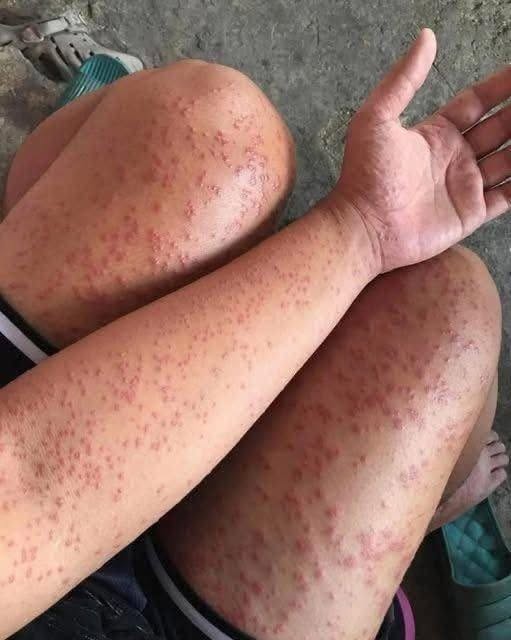
- Sudden hives, redness, itching, or widespread rash
- Swelling of the lips, tongue, face, or throat
- Difficulty breathing or shortness of breath
- Wheezing or noisy breathing
- Tightness in the throat or difficulty swallowing
- Hoarse or suddenly altered voice
- Dizziness, weakness, confusion, or fainting
- Rapid heartbeat or signs of falling blood pressure
- Repeated vomiting, severe abdominal cramps, or diarrhea after exposure to a possible allergen
Importantly, anaphylaxis can occur without a skin rash, so the absence of hives doesn’t rule it out.
Common Triggers
A severe allergic reaction can be triggered by many substances. Common causes include certain foods—particularly peanuts, tree nuts, shellfish, fish, milk, eggs, and some other foods—as well as medications, insect stings, and latex.
Sometimes the trigger isn’t immediately obvious.
A person can also develop a serious reaction to something they have previously encountered without experiencing anaphylaxis.
Rash Alone vs. Rash With Breathing Problems
This distinction is important.
A small localized rash without other symptoms may have many explanations and isn’t automatically an emergency.
However, breathing difficulty, throat swelling, collapse, or other serious symptoms occurring during a suspected allergic reaction require emergency treatment.
Don’t wait to see whether the reaction disappears on its own.
What to Do Immediately
If anaphylaxis is suspected, use an epinephrine (adrenaline) auto-injector immediately if one has been prescribed and is available, following its instructions.
Then contact emergency medical services.
Epinephrine is the first-line emergency treatment for anaphylaxis. Antihistamines may help some skin symptoms, but they are not a substitute for epinephrine because they don’t rapidly treat dangerous airway swelling or cardiovascular problems.
The person should still receive emergency medical evaluation even if they improve after epinephrine, because symptoms can sometimes return.
Don’t Rely on Home Remedies
A severe allergic reaction isn’t something to treat with herbal tea, cold showers, supplements, or other home remedies.
Likewise, waiting for an antihistamine to “kick in” when someone is having trouble breathing can dangerously delay appropriate treatment.
When breathing or circulation is affected, the priority is emergency medical care.
Preparing If You Have a Known Severe Allergy
People who have previously experienced anaphylaxis or have been identified as being at significant risk may be advised by their healthcare professional to carry epinephrine.
They should understand how and when to use it, make sure it hasn’t expired, and ensure family members or caregivers know where it is kept.
A clinician or allergy specialist can also help identify potential triggers and develop an individualized emergency action plan.
When a Rash Needs Medical Attention Even Without Breathing Trouble
Not every serious rash is an allergic reaction.
Seek prompt medical advice for a rapidly spreading or painful rash, extensive blistering or peeling, rash accompanied by significant fever or illness, involvement of the mouth or eyes, or a rash that begins after starting a new medication.
These patterns can occasionally indicate conditions requiring urgent treatment.
The Bottom Line
A rash by itself doesn’t necessarily signal something dangerous.
But a sudden allergic reaction accompanied by trouble breathing, throat or tongue swelling, faintness, collapse, or other severe symptoms should be treated as a medical emergency.
Recognize the signs, use prescribed epinephrine promptly when appropriate, and seek emergency medical assistance.
With anaphylaxis, acting quickly matters far more than trying to determine the exact trigger in the moment.
More Blog
- Drinking Water on an Empty Stomach — What Science Actually Supports (No Hype, Just Facts)
- Waking Up Between 3 and 5 AM? It Might Be Your Soul Trying to Talk to You
- What a “Bleach” Patch on Your Underwear Really Means — And Why It’s Actually a Good Sign
- This Drink May Weaken Your Bones From The Inside — But Everyone Drinks It Anyway