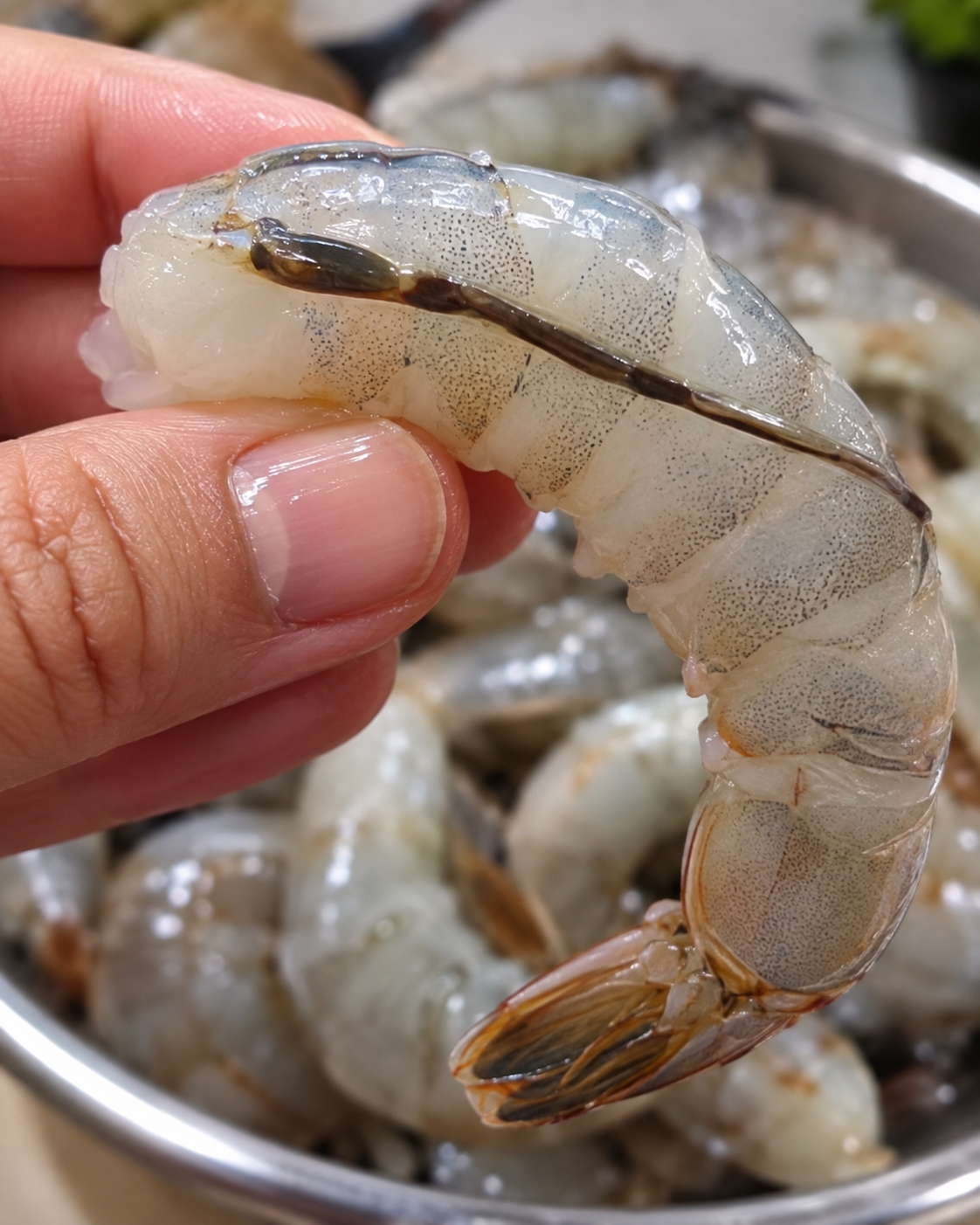
How To Prepare Shrimp and Why You Shouldn’t Eat That ‘Black Vein’ becomes much easier once you understand what that dark line actually is. Many people call it a vein, but it is not a blood vessel. The dark line running along the back of a shrimp is its intestinal tract. Depending on what the shrimp consumed before harvest, the tract may contain digestive material, sand, or grit.
That sounds unpleasant, but accidentally eating the dark line usually does not make properly handled and cooked shrimp unsafe. Still, removing it can improve appearance and may prevent an occasional gritty bite. Proper handling, refrigeration, and thorough cooking matter much more for food safety.
I remember preparing a large batch of raw shrimp and wondering why some had a very noticeable dark line while others seemed completely clean. At first, I assumed every shrimp needed complicated cleaning. Once I learned what the line actually was, the process became much simpler. A shallow cut down the back exposed it, and the tip of a small knife lifted it out easily. More importantly, I learned that cleaning shrimp and safely handling raw seafood are two different things. Removing the intestinal tract improves presentation, while keeping shrimp cold, preventing cross-contamination, and cooking it properly handle the more important safety concerns.
What That Black Line in Shrimp Really Is
It Is the Shrimp’s Intestinal Tract
Despite the familiar name “shrimp vein,” the black line along the back is actually part of the shrimp’s digestive system. It can appear dark brown, black, gray, or occasionally almost transparent.
Its appearance can vary because the tract may contain different amounts of material. Therefore, one shrimp might have a prominent dark line while another shrimp from the same package barely shows one.
The line itself does not automatically mean the shrimp has spoiled. Likewise, a visible intestinal tract does not tell you whether the shrimp is fresh.
Spoilage produces other warning signs. For example, shrimp with an unusually strong, sour, or ammonia-like odor should raise concern. Texture and proper storage also matter when evaluating seafood.
The dark tract primarily creates an appearance and texture issue. Since it can contain digestive material or tiny particles of sand, leaving it intact may occasionally produce an unpleasant gritty sensation.
For that reason, many people prefer deveined shrimp, particularly when preparing large shrimp where the tract becomes more noticeable.
However, the tract often becomes difficult to see in very small shrimp. Removing it from dozens of tiny shrimp may provide little practical benefit.
Understanding this distinction makes shrimp preparation much less intimidating. You are not removing a dangerous blood vessel. Instead, you are removing an intestinal tract mainly for cleanliness, appearance, and eating quality.
Why Removing It Can Improve Shrimp
Deveining shrimp creates a cleaner-looking finished dish. This matters particularly when shrimp serves as the main attraction.
Think about grilled shrimp, shrimp cocktail, garlic shrimp, or shrimp served over pasta. Because the shrimp remains clearly visible, a dark line along its back can distract from an otherwise appealing presentation.
Texture provides another reason to remove it. Occasionally, the intestinal tract contains fine grit. That grit can create an unexpected sandy crunch when you bite into the shrimp.
Additionally, some people notice a slightly bitter or unpleasant flavor when the tract contains significant material.
Fortunately, deveining requires very little equipment. A small, sharp paring knife works well. Specialized shrimp deveining tools also work, but they are not necessary for most home kitchens.
Still, removing the tract does not sanitize shrimp. Raw shrimp can carry microorganisms regardless of whether the intestinal tract remains intact.
Therefore, treat raw shrimp carefully. Keep it refrigerated, wash your hands after handling it, and prevent raw shrimp or its juices from contacting ready-to-eat foods.
Also, avoid relying on color alone to determine safe cooking. Proper cooking practices provide a more reliable approach.
How To Clean and Devein Shrimp Correctly
Start With Proper Thawing and Peeling
If you purchased frozen shrimp, thaw it before deveining. The refrigerator provides an easy method. Place the shrimp in a covered container and allow it to thaw while remaining cold.
When you need shrimp more quickly, place it in a leakproof bag and use cold water. Avoid leaving raw shrimp sitting at room temperature for extended periods.
Once thawed, decide whether you want to keep the shell.
For completely peeled shrimp, hold the body gently and pull away the shell segments. The legs normally come away with the shell.
Next, decide whether to remove the tail. Keeping the tail attached can make certain dishes look attractive. However, removing it makes pasta, rice dishes, tacos, and similar meals easier to eat.
You can also devein shrimp while leaving much of the shell intact. This method works particularly well for grilling because the shell can help protect the delicate meat from direct heat.
After peeling, pat the shrimp dry with clean paper towels. Removing surface moisture becomes especially important when you plan to sauté or sear them.
Wet shrimp can release water into a hot pan. Consequently, they may steam instead of developing the light browning that creates extra flavor.
Remove the Dark Line Without Damaging the Shrimp
Place the peeled shrimp on a clean cutting surface with its curved back facing upward.
Then, use a small paring knife to make a very shallow slit along the back. You only need to cut deeply enough to expose the intestinal tract.
Look for a thin dark line running lengthwise through the opening.
Next, slide the tip of the knife underneath the tract and gently lift it upward. Once enough appears, pull it away with your fingers or the knife tip.
Sometimes the entire tract comes out in one piece. Other times, it breaks. If that happens, simply remove the remaining sections.
Afterward, clean away any visible residue and pat the shrimp dry.
Avoid making an unnecessarily deep cut. A shallow opening gives you access to the tract while helping the shrimp maintain its attractive shape.
Interestingly, shrimp also have another line along the underside. Home cooks generally do not remove that structure because it is not the same intestinal tract found along the back.
Once you finish, clean the knife, cutting surface, sink area, and anything else that contacted raw seafood. Then wash your hands thoroughly before touching cooked foods or other ready-to-eat ingredients.
How To Buy, Store, and Cook Shrimp Safely
Fresh and Frozen Shrimp Can Both Work Well
“Fresh” does not automatically mean better when buying shrimp. In many markets, shrimp displayed on ice may have previously been frozen.
Frozen shrimp can actually offer excellent convenience because freezing helps preserve quality during transportation and storage.
Instead of focusing only on the word “fresh,” consider the shrimp’s condition and how the seller handled it.
Shrimp should not have a powerful unpleasant odor. A strong ammonia-like or sour smell can signal deterioration.
If you regularly cook shrimp, individually frozen raw shrimp can make meal preparation especially convenient. You can remove only the amount you need and keep the remainder frozen.
Packages labeled peeled and deveined save even more preparation time. Nevertheless, inspect the shrimp after thawing because small pieces of the tract can occasionally remain.
Keep raw shrimp cold until you are ready to prepare it. Additionally, separate raw seafood from vegetables, sauces, bread, and other foods that will not receive further cooking.
Do not use the same unwashed cutting board or utensils for cooked food after they have touched raw shrimp.
These basic handling habits provide far more meaningful protection than simply removing the dark intestinal tract.
Shrimp Cooks Surprisingly Fast
One of the biggest mistakes beginners make involves cooking shrimp for too long.
Shrimp cooks quickly because each piece is relatively small. Depending on its size and cooking method, it may need only a few minutes.
When sautéing, preheat the pan before adding the shrimp. Arrange the pieces in a relatively even layer rather than piling them together.
As they cook, shrimp generally become opaque and firmer. Their shape also changes.
Overcooked shrimp becomes tight, dry, and rubbery. Therefore, pay close attention once cooking begins instead of walking away from the stove.
Grilling works well for larger shrimp. Skewers can make smaller pieces easier to control on the grill.
Baking offers another convenient method. Arrange shrimp in a single layer so they cook evenly.
Boiling or poaching works particularly well for shrimp cocktail and chilled seafood dishes.
Regardless of the cooking method, safe handling remains important before and after cooking. Use clean utensils for cooked shrimp rather than utensils that held the raw seafood.
Also, refrigerate leftovers promptly instead of leaving cooked seafood sitting at room temperature for long periods.
Nutrition, Common Mistakes, and Who Needs Extra Care
Shrimp Provides Protein and Important Micronutrients
Shrimp offers substantial protein while remaining relatively low in calories and total fat when prepared without heavy breading or rich sauces.
It also supplies several useful micronutrients.
For example, shrimp contains selenium, vitamin B12, iodine, phosphorus, and other nutrients in varying amounts. Selenium contributes to normal antioxidant defenses, while vitamin B12 supports healthy nerve and blood cell function.
Iodine plays an important role in thyroid hormone production. However, individual nutritional requirements differ, so no single food should serve as the sole source of essential nutrients.
Shrimp also contains cholesterol. For many people, overall dietary patterns matter more than focusing on one individual food. However, anyone who has received specific dietary advice because of a medical condition should follow guidance from a qualified healthcare professional.
Preparation also changes the nutritional profile considerably.
Plain grilled, baked, boiled, or sautéed shrimp differs significantly from heavily breaded deep-fried shrimp or shrimp served in a rich cream sauce.
Likewise, sauces and seasoning blends can add substantial sodium.
Therefore, pair shrimp with vegetables, whole grains, beans, or other nutrient-rich foods when building a balanced meal.
Shrimp can provide useful nutrition, but it does not need exaggerated health claims to deserve a place on the menu.
Avoid These Common Shrimp Preparation Mistakes
Overcooking probably causes more disappointing shrimp than almost any other preparation mistake. Since shrimp cooks quickly, even a few unnecessary minutes can dramatically change its texture.
Another common mistake involves cooking wet shrimp in a crowded skillet. Excess moisture prevents effective browning, while overcrowding traps steam.
Instead, dry the shrimp first and give each piece some room.
Improper thawing also creates problems. Leaving frozen seafood on the counter for extended periods exposes it to warmer temperatures. Instead, use the refrigerator or an appropriate cold-water method.
Cross-contamination presents a more serious concern. A cutting board that held raw shrimp should not immediately hold salad ingredients, cooked shrimp, or bread without proper cleaning.
People with shellfish allergies need additional caution. Shrimp can trigger serious allergic reactions, so anyone with a known shellfish allergy should follow medical guidance and avoid accidental exposure.
Pregnant people, older adults, young children, and people with weakened immune systems should also take food safety especially seriously and avoid raw or undercooked seafood.
Finally, do not assume that removing the intestinal tract makes raw shrimp safe to eat. Deveining improves appearance and may remove grit, but proper storage, handling, and cooking remain the critical safety steps.
Frequently Asked Questions
Is the black vein in shrimp actually poop?
The dark line is the shrimp’s intestinal tract, so it can contain digestive material and waste. Its contents can vary, which explains why some shrimp have a very dark line while others have a barely visible one.
Will eating the black vein make you sick?
The intestinal tract itself does not automatically make properly handled and cooked shrimp dangerous. However, it can contain grit and may look or taste unpleasant. Food safety depends much more on proper storage, handling, and cooking.
Do you have to devein every shrimp?
No. Many people skip deveining very small shrimp because the intestinal tract is tiny and difficult to notice. With larger shrimp, removing it usually improves presentation and can prevent gritty texture.
Can I cook frozen shrimp without thawing it first?
Some cooking methods and packaged products allow shrimp to cook from frozen. However, thawing usually makes peeling, deveining, drying, seasoning, and even cooking easier. Follow the package directions when available.
How can I tell when shrimp is cooked?
Cooked shrimp becomes firm and opaque rather than translucent. Because shrimp cooks quickly, monitor it closely and avoid extended cooking that can make it rubbery. When food safety is uncertain, use appropriate temperature guidance rather than relying only on appearance.
Conclusion
How To Prepare Shrimp and Why You Shouldn’t Eat That ‘Black Vein’ comes down to understanding the difference between appearance and food safety.
That dark line along the shrimp’s back is its intestinal tract, not a blood vessel. Removing it can eliminate grit, improve presentation, and make the shrimp more appealing. However, accidentally eating it does not automatically make properly cooked shrimp harmful.
More importantly, handle raw shrimp safely from the moment you bring it home. Keep it cold, thaw it properly, prevent cross-contamination, clean preparation surfaces, and cook it appropriately.
Then avoid overcooking it. Shrimp needs relatively little time to become tender and flavorful.
Once you know these simple techniques, preparing shrimp becomes much less intimidating. A few extra minutes of careful cleaning and handling can give you attractive, tender shrimp that works beautifully in everything from salads and pasta to grilled dishes and simple seafood dinners.
More Blog
- Drinking Water on an Empty Stomach — What Science Actually Supports (No Hype, Just Facts)
- Waking Up Between 3 and 5 AM? It Might Be Your Soul Trying to Talk to You
- What a “Bleach” Patch on Your Underwear Really Means — And Why It’s Actually a Good Sign
- This Drink May Weaken Your Bones From The Inside — But Everyone Drinks It Anyway