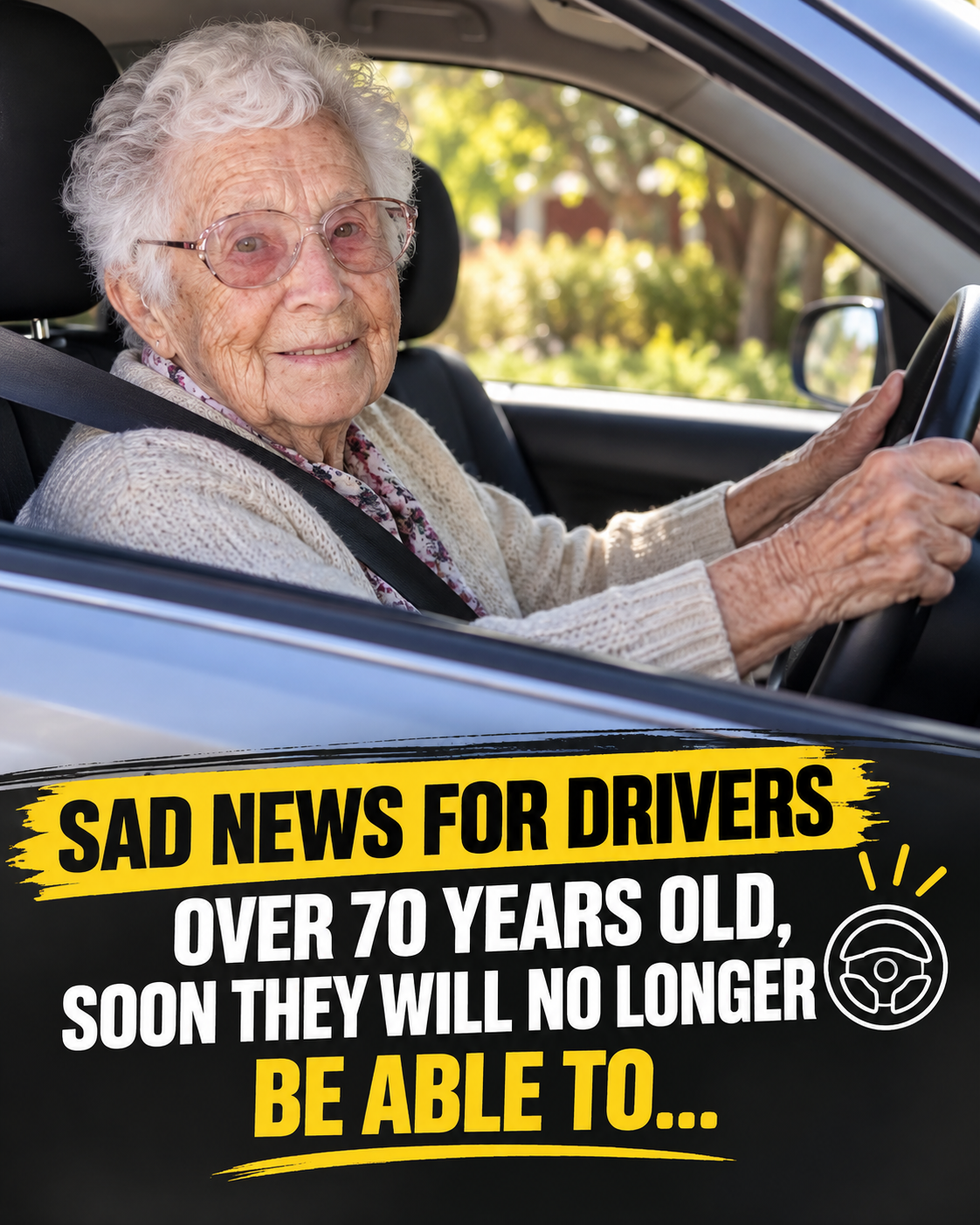
Can People Over 70 Still Drive? For many older adults and their families, that question carries much more emotion than it first appears to. Driving can mean independence, connection, errands without assistance, visits with family, and the freedom to decide where to go and when to leave.
The reassuring answer is that turning 70 does not automatically make someone an unsafe driver. In the United States, there is no nationwide rule requiring everyone to stop driving at 70, 75, 80, or another specific birthday. Instead, licensing requirements vary by state, while safety depends heavily on vision, physical abilities, cognitive function, medical conditions, medications, and actual driving performance.
I once watched an older relative quietly change the way she drove without making a big announcement about it. She stopped driving after dark, chose familiar roads, avoided rush-hour traffic, and scheduled appointments when roads were quieter. At first, I assumed she was losing confidence. However, I eventually realized she was doing something much smarter: she was adapting. She understood that keeping her independence did not require pretending that nothing had changed, and that lesson offers a useful way to think about driving after 70.
Age can bring changes that affect driving, but those changes happen differently for everyone. NHTSA specifically advises that decisions about driving ability should not rely on age alone. Therefore, the better question is not simply, “Can People Over 70 Still Drive?” Instead, ask whether a particular person can currently drive safely and meet the licensing requirements where they live.
Can People Over 70 Still Drive Under Current Rules?
There Is No Universal Age That Automatically Ends Driving
In the United States, reaching age 70 does not automatically cancel a driver’s license. Some people continue driving safely well beyond that age, and NHTSA notes that some drivers remain capable even into their 90s. However, medical conditions, eyesight problems, memory changes, tremors, sleep issues, or other functional changes can make driving harder for some people.
Therefore, Can People Over 70 Still Drive? Yes, provided they remain capable of driving safely and satisfy their jurisdiction’s licensing requirements. Age alone does not tell us enough about an individual’s abilities. One 75-year-old may have excellent vision, quick responses, good mobility, and strong cognitive skills, while another person of the same age may face health conditions that substantially affect driving.
Driving also involves much more than steering a vehicle. A driver must notice pedestrians, read signs, judge distances, monitor several directions, react to unexpected events, and make rapid decisions. Consequently, changes in vision, hearing, reaction time, mobility, or cognition deserve attention when they begin affecting those tasks. NHTSA notes that these abilities can change with age, although the rate and severity vary greatly between individuals.
That distinction matters because families sometimes focus on birthdays rather than behavior. Saying someone is “too old to drive” may overlook the person’s actual abilities. Conversely, saying someone has “always been a good driver” does not guarantee that current medical or functional changes cannot affect safety.
License Renewal Rules Depend on Where You Live
Although there is no nationwide maximum driving age in the United States, many states have special renewal provisions that begin at certain ages. Depending on the state, an older driver may face shorter license periods, required vision screening, or limits on remote renewal. The exact age at which these provisions begin varies significantly.
For example, current IIHS information shows that California requires drivers 70 and older to provide proof of adequate vision at every renewal and limits remote renewal at older ages. Missouri uses a three-year renewal cycle beginning at 70, while Texas uses a two-year cycle beginning at 85. Other states use different ages and requirements, and some do not substantially change the renewal cycle for older drivers.
Therefore, anyone asking Can People Over 70 Still Drive? should check the motor vehicle agency in the state where the person is licensed. A rule from another state may not apply. Requirements can also change, so current official information matters more than advice from friends or an old social-media post.
Licensing agencies may also evaluate individual drivers when concerns arise. Depending on the jurisdiction and circumstances, evaluations can involve vision screening, medical information, knowledge testing, road testing, or other assessments. Some drivers may receive restrictions rather than completely losing driving privileges, such as limitations involving nighttime driving or certain roads.
How Aging Can Affect Safe Driving
Vision, Mobility, and Reaction Time Matter
Vision provides an enormous amount of the information needed behind the wheel. Drivers must read signs, recognize traffic signals, see pedestrians, notice vehicles approaching from the side, and judge distances. Therefore, changes in visual ability can have a direct effect on driving.
Nighttime driving can become particularly challenging. NHTSA identifies age-related changes in physical and visual abilities, including night vision, among factors that can affect driving. Reaction time, hearing, muscle function, and other abilities can also change, although those changes occur at different rates for different people.
Mobility matters as well. A driver needs enough movement to enter and exit the vehicle, operate controls, look around the surrounding environment, and respond quickly when conditions change. Stiffness or reduced range of motion may make tasks such as checking blind spots more difficult.
However, recognizing a limitation does not always mean someone must immediately stop driving. Some people can modify when and where they drive. For example, they may avoid nighttime trips, complicated intersections, severe weather, or heavy traffic. NHTSA encourages older drivers to evaluate changes honestly and adjust their habits when appropriate.
Health Conditions and Medications Can Change Driving Ability
Health deserves equal attention when considering Can People Over 70 Still Drive? Certain medical conditions can affect attention, movement, vision, consciousness, memory, coordination, or reaction time. The diagnosis alone may not determine driving ability, but its functional effects can matter considerably.
Medication can also become important. NHTSA notes that older drivers commonly use prescription medications and that some drugs, alone or in combination, may cause drowsiness or otherwise interfere with driving. Therefore, drivers should discuss medication effects with a doctor or pharmacist rather than assuming a familiar prescription can never affect driving.
A medication change deserves particular attention. Starting a new medicine, changing the dose, or combining several medications can produce effects a person did not experience previously. Labels that warn against driving or operating machinery should be taken seriously.
Regular medical and vision checkups can therefore support safer driving. NHTSA recommends reviewing medications and keeping needed glasses or contact lenses up to date. A clinician can also help determine whether symptoms such as dizziness, sleepiness, weakness, or changes in vision could interfere with driving.
Warning Signs That Driving Ability May Be Changing
Watch What Actually Happens on the Road
A birthday provides less useful information than actual driving behavior. Therefore, families concerned about an older driver should pay attention to repeated patterns rather than assuming age alone proves anything.
NHTSA identifies several behaviors that may deserve attention. These include routinely becoming lost on familiar routes, stopping or slowing at inappropriate times, driving much too slowly for traffic, driving too fast for conditions, or showing unsafe driving behavior. Repeated failures to follow traffic controls or yield properly require particularly serious attention.
New dents or scrapes on a vehicle can also justify a conversation, especially when the driver cannot explain how they happened. Likewise, repeated close calls, difficulty judging gaps, confusion at intersections, or complaints from passengers can provide useful information.
One isolated mistake does not necessarily prove that someone can no longer drive safely. Drivers of every age make errors. However, a developing pattern deserves attention, particularly when several warning signs appear together.
NHTSA emphasizes that no single observation automatically establishes that someone is unsafe. Instead, repeated or combined warning signs can indicate that further action or professional evaluation makes sense.
That approach allows families to focus on evidence rather than fear.
Changes Away From the Car Can Also Matter
Some relevant warning signs appear before a person even starts the engine. Frequent confusion, disorientation, significant coordination problems, unusual agitation, dizziness, falls, or difficulty following instructions can raise questions about whether someone can manage the complex demands of driving.
Again, these signs do not automatically prove that a person must surrender a license. Many symptoms have treatable causes. Medication side effects, vision problems, temporary illness, fatigue, and other factors may contribute.
However, ignoring repeated changes can create unnecessary risk.
Families should approach the conversation with specific observations whenever possible. Instead of saying, “You’re too old to drive,” it may be more productive to discuss a concrete incident, such as repeatedly getting lost on a familiar route or failing to notice a traffic signal.
A professional driving evaluation can sometimes provide more objective information. NHTSA suggests considering evaluation by a driver rehabilitation specialist when questions arise about driving abilities. Such an assessment can identify strengths, limitations, and possible adaptations.
Ultimately, the goal should focus on safe mobility rather than simply keeping or taking away a set of car keys.
Staying Independent While Making Driving Safer
Small Adjustments Can Make Driving Easier
For many people, the answer to Can People Over 70 Still Drive? remains yes, although they may benefit from changing their habits. Adapting does not necessarily represent failure. Instead, it can demonstrate good judgment.
Driving during daylight can help someone who struggles with glare or night vision. Similarly, avoiding rush hour can reduce the number of fast decisions required in dense traffic. Choosing familiar routes may also reduce navigation demands.
Weather matters too. Someone who drives comfortably on a clear morning may reasonably avoid heavy rain, snow, fog, or other difficult conditions. NHTSA recommends planning trips during favorable conditions and considering routes that avoid particularly demanding situations, including unprotected left turns when practical.
A well-maintained vehicle can also help. Clean windshields, working lights, properly adjusted mirrors, good tires, and familiar controls make driving easier for people of every age.
The driver should also avoid distractions. Phones, complicated navigation systems, and unnecessary multitasking can increase the mental workload during a trip.
Most importantly, adaptation should happen before a frightening crash or serious near miss forces the issue.
Planning for Transportation Beyond Driving Protects Independence
Eventually, many people will need to reduce or stop driving, whether because of age-related changes, illness, vision problems, medication effects, or another reason. Planning for that possibility early can make the transition much less disruptive.
Alternative transportation may include family members, friends, public transportation, taxis, rideshare services, community transportation, or volunteer programs. Available options differ widely depending on location. NHTSA recommends exploring transportation alternatives before they become urgently necessary.
That planning matters because driving is usually a means to independence rather than independence itself.
A person wants access to groceries, medical appointments, friends, family, religious services, hobbies, and community activities. If another transportation method still provides that access, giving up some driving does not have to mean giving up an active life.
Families can help by discussing transportation respectfully and early.
They can also recognize that giving up driving may carry emotional consequences. Someone may experience the change as a loss of freedom or privacy, so practical support matters.
The question Can People Over 70 Still Drive? therefore has no universal yes-or-no answer based on age alone. Many can. Some may need restrictions or adaptations, while others may eventually reach a point where another transportation option becomes safer.
Frequently Asked Questions
Can people over 70 still drive legally?
Yes, in the United States there is no nationwide rule automatically ending driving privileges at 70. However, individual states set their own renewal and testing requirements, and many introduce special provisions at various older ages.
Do drivers over 70 have to retake a driving test?
Not automatically nationwide. Requirements vary by state and individual circumstances. Some jurisdictions may require additional evaluation in particular cases, so drivers should check the current rules of their licensing agency.
What warning signs suggest an older person should have their driving evaluated?
Repeatedly getting lost on familiar routes, confusion, inappropriate stopping, unsafe speeds, difficulty following traffic rules, coordination problems, or several other functional changes may justify further evaluation. One isolated sign does not necessarily prove that a driver is unsafe.
Can medication affect an older person’s driving?
Yes. Some medications can cause drowsiness or other effects that interfere with driving, and combinations of medications can also matter. Older adults should review possible driving-related side effects with a doctor or pharmacist, especially after starting or changing medication.
Is age or driving ability more important when deciding whether to stop?
Driving ability is more informative than age alone. NHTSA advises that decisions about driving fitness should not rely solely on a person’s age. Vision, physical function, cognition, health, medication effects, and actual driving behavior provide more useful information.
Conclusion
Can People Over 70 Still Drive? Absolutely, many people can continue driving after 70 when they remain medically and functionally capable and meet the requirements of their licensing jurisdiction. A birthday by itself does not determine whether someone can safely operate a vehicle.
However, safe driving requires honest attention to change.
Vision, mobility, reaction time, cognitive function, medical conditions, and medications can all affect performance. Therefore, regular health care, vision checks, medication reviews, and realistic observation of driving habits become increasingly valuable.
Families should focus on specific behavior rather than stereotypes about older people.
Meanwhile, older drivers can protect their independence by adapting when necessary. Daytime driving, familiar routes, lighter traffic, favorable weather, and professional driving assessments can all play a role.
Eventually, alternative transportation may become the safer option for some people.
That transition does not have to represent the end of independence.
The real goal is not to keep driving for as many years as possible. It is to remain safe, mobile, connected, and independent for as long as possible.
For anyone asking Can People Over 70 Still Drive?, the most useful answer is simple: look beyond the number on the driver’s license and pay attention to the person behind the wheel.
More Blog
- Drinking Water on an Empty Stomach — What Science Actually Supports (No Hype, Just Facts)
- Waking Up Between 3 and 5 AM? It Might Be Your Soul Trying to Talk to You
- What a “Bleach” Patch on Your Underwear Really Means — And Why It’s Actually a Good Sign
- This Drink May Weaken Your Bones From The Inside — But Everyone Drinks It Anyway