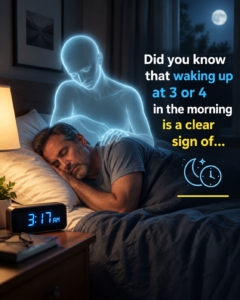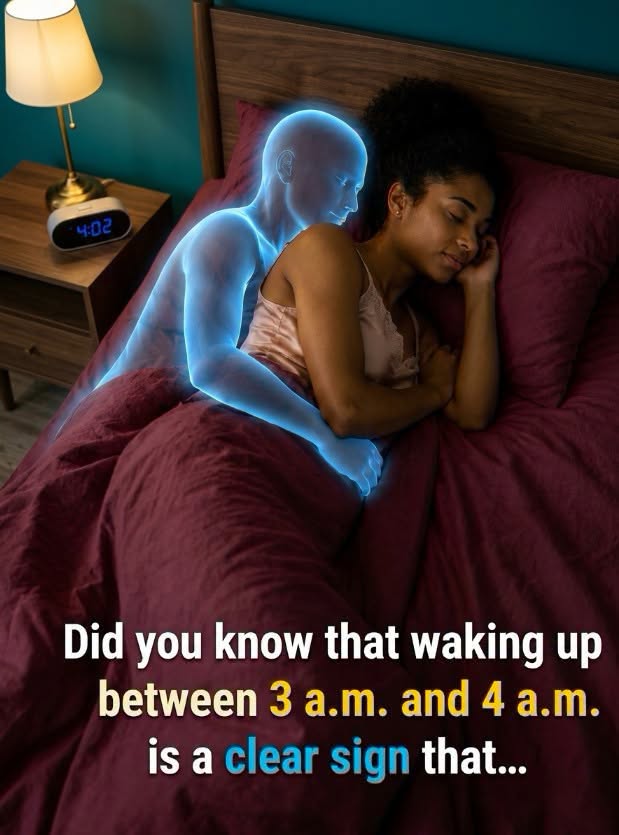
Do You Keep Waking Up Between 3 and 5 A.M.? Here’s What It Could Mean is a question many people ask after noticing the same frustrating sleep pattern night after night. You fall asleep normally, sleep for several hours, and then suddenly find yourself wide awake while the rest of the house remains quiet.
The good news is that waking during this part of the night does not automatically point to anything mysterious or dangerous. Sleep naturally shifts through lighter and deeper stages, and brief awakenings can happen between cycles. However, repeated early-morning waking can also connect with stress, sleep habits, your environment, medications, or certain health conditions. Waking too early and struggling to fall asleep again can also occur with insomnia.
I have had nights when I glanced at the clock and saw almost the exact same time several mornings in a row. At first, the consistency seemed strange. However, I eventually noticed a pattern. The room became warmer before sunrise, I had been drinking coffee later in the afternoon, and once I checked the clock, my mind immediately started planning the next day. Those small factors added up. Changing a few evening habits made those awakenings less disruptive and, just as importantly, stopped me from treating 3 or 4 a.m. like a mysterious signal that something had to be wrong.
Why You May Keep Waking Up Between 3 and 5 A.M.
Your Sleep Cycles Naturally Become Lighter
Sleep does not remain equally deep throughout the night. Instead, your brain moves repeatedly through different sleep stages.
As morning approaches, the structure of sleep changes. You may spend more time in lighter stages, which means noises, movement, temperature changes, or physical sensations can wake you more easily.
Therefore, waking briefly around 3, 4, or 5 a.m. can simply reflect your normal sleep pattern.
You might not even remember many nighttime awakenings. However, you become much more aware of one when you look at the clock, turn on a light, check your phone, or begin thinking.
Your bedtime matters too. For example, someone who goes to sleep around 9 or 10 p.m. has already slept for several hours by 3 or 4 a.m. At that point, lighter sleep can make waking easier.
Age can influence sleep patterns as well. Mayo Clinic notes that sleep often becomes less restful with age, while a person’s internal clock may also shift earlier. Consequently, some adults naturally become sleepy earlier and wake earlier.
The important point is that the clock time itself usually does not provide a diagnosis. Instead, look at the broader pattern.
Ask whether you return to sleep quickly, whether you feel rested during the day, and whether the waking happens occasionally or almost every night.
Your Internal Body Clock May Create a Predictable Pattern
Your body follows a roughly 24-hour rhythm that influences sleep and wakefulness. This internal clock helps determine when you feel sleepy and when your body prepares to become alert.
Therefore, a consistent bedtime can sometimes produce a consistent nighttime waking pattern.
Your schedule can also shift this rhythm. Travel, shift work, changing bedtimes, or irregular morning routines may interfere with normal sleep timing. Mayo Clinic lists disruptions to circadian rhythms as one factor that can contribute to insomnia.
Morning light also plays an important role in your daily rhythm. Meanwhile, staying up late under bright lights or sleeping at dramatically different times each day can make your schedule less stable.
That does not mean everyone should force themselves into exactly the same bedtime. Instead, consistency often matters more than choosing one supposedly perfect hour.
If you wake at 4 a.m. but fall back asleep within a few minutes and feel refreshed in the morning, the awakening may not require any special intervention.
However, if you wake at 4 a.m. and remain awake for an hour or more, the issue deserves more attention.
Keep track of your bedtime, waking time, caffeine intake, exercise, alcohol use, stress level, and how rested you feel. A simple sleep diary can reveal patterns that the clock alone cannot explain. The National Heart, Lung, and Blood Institute also recommends recording insomnia symptoms and sharing them with a healthcare professional when needed.
Stress and Daily Habits Can Disrupt Your Sleep
Stress Can Turn a Brief Awakening Into a Long One
Stress often affects sleep in a very recognizable way.
You may wake briefly for an ordinary reason. However, your mind immediately becomes active.
You think about work. Then, you remember an upcoming bill. Next, you start replaying yesterday’s conversation. Within a few minutes, you feel completely awake.
Mayo Clinic identifies concerns about work, health, money, school, and family as common sources of stress that can contribute to insomnia.
The problem can become self-reinforcing.
You wake up, look at the clock, notice that it is 3:47 a.m., and calculate how many hours remain before your alarm. Then, you worry that you will feel exhausted tomorrow.
That worry increases alertness.
Consequently, falling asleep becomes harder.
The National Heart, Lung, and Blood Institute notes that worrying about getting enough sleep and watching the clock can worsen insomnia.
Therefore, resist repeatedly checking the time if nighttime waking makes you anxious.
You can also use a calm, low-stimulation routine. Keep the lights dim. Avoid scrolling through news or social media. Relax your muscles, breathe naturally, or quietly rest.
If you remain awake for a prolonged period, a healthcare professional may recommend evidence-based approaches for insomnia rather than simply relying on over-the-counter sleep aids.
Mayo Clinic notes that nonprescription sleep aids rarely provide an effective long-term solution for middle-of-the-night insomnia.
Caffeine, Alcohol, and Evening Routines Matter
Your afternoon and evening habits can affect what happens at 3 or 4 a.m.
Caffeine provides an obvious example. Some people can drink coffee after dinner and sleep normally. Others feel the effects many hours later.
The CDC recommends avoiding caffeine in the afternoon or evening as one habit that may support better sleep.
Alcohol can create a more confusing pattern.
It may make you feel sleepy at first. Therefore, it can seem like it helps. However, alcohol can disrupt sleep later in the night and contribute to nighttime waking. Mayo Clinic specifically notes that alcohol can interfere with deeper sleep and lead to waking during the night.
Large meals close to bedtime may also cause discomfort, indigestion, or reflux in some people.
Meanwhile, screens can encourage you to stay mentally engaged when your brain needs a quieter transition into sleep.
Your schedule matters too. Sleeping until noon on weekends and waking at 6 a.m. during the week can make consistency harder.
Fortunately, basic habits can help.
Try to keep bedtime and wake time reasonably consistent. Keep your bedroom cool and quiet. Reduce screen use before bed. Avoid large meals and alcohol near bedtime. Finally, exercise regularly during the day when possible.
These changes do not solve every sleep problem. However, they create conditions that support more stable sleep. The CDC includes these habits among its recommendations for improving sleep.
Your Bedroom and Physical Health Could Also Play a Role
Small Environmental Problems Can Wake You Repeatedly
Sometimes the explanation sits right inside your bedroom.
Light can enter through curtains before sunrise. A neighbor may leave for work at 4 a.m. Your air conditioner may switch off during the night. A pet may jump onto the bed. Your partner may begin snoring in the early morning.
Any of these changes can wake a light sleeper.
Temperature also matters. A room that becomes uncomfortably warm or cold can interrupt sleep. The National Heart, Lung, and Blood Institute lists noise, light, and uncomfortable temperatures among environmental factors that may disturb the sleep-wake cycle.
Therefore, inspect your environment before assuming that a recurring wake-up time carries a deeper meaning.
Dark curtains can reduce early light. Earplugs or steady background noise may help with inconsistent sounds. Comfortable bedding can reduce pressure or overheating.
Electronic devices can cause problems too.
A notification that lasts only a second may still wake you enough to notice the time. Once you reach for your phone, bright light and engaging content can make returning to sleep harder.
Therefore, silence unnecessary alerts before bed.
You should also consider simple physical reasons. For example, drinking a large amount of fluid late in the evening may increase nighttime bathroom trips.
These causes can appear trivial. However, sleep often depends on many small factors working together.
Improving two or three environmental problems may make a bigger difference than searching for one dramatic explanation.
Certain Health Issues Can Cause Repeated Awakenings
Although occasional waking can be normal, repeated disrupted sleep can sometimes connect with a medical condition.
For example, obstructive sleep apnea can interrupt sleep through repeated changes in breathing. Warning signs may include loud snoring, choking, gasping, or pauses in breathing noticed by another person. Mayo Clinic lists snoring, gasping, choking, and breathing pauses among possible symptoms of sleep disorders.
Restless legs syndrome can also make it harder to remain comfortable in bed. Meanwhile, chronic pain, asthma, reflux, diabetes, thyroid problems, and other conditions may interfere with sleep in some people.
Medications can play a role as well. Certain prescription and nonprescription products contain stimulants or have side effects that affect sleep.
In addition, waking too early can sometimes occur with depression, while anxiety can also disrupt sleep. However, one early-morning awakening does not mean you have either condition.
Look at the whole picture instead.
Consider whether your sleep has changed suddenly, whether you feel unusually sleepy during the day, and whether other symptoms accompany the awakenings.
Persistent sleep problems deserve medical attention, especially when they interfere with daily activities or leave you chronically exhausted.
A healthcare professional can review your sleep schedule, medications, symptoms, and health history to determine whether further evaluation makes sense.
What to Do When You Wake Up at 3 or 4 A.M.
Keep the Awakening Calm and Uninteresting
Your response after waking can affect how quickly you return to sleep.
First, avoid treating the awakening like an emergency.
If possible, do not repeatedly check the time. A clock can turn sleep into a countdown.
Instead, remain comfortable and allow your body a chance to become sleepy again.
Keep the room dark or use very dim light if you need to get up. Avoid checking email, watching videos, or reading stressful news.
You can also relax your body gradually.
For example, release tension from your jaw, shoulders, hands, stomach, and legs. Slow breathing or progressive muscle relaxation may help reduce physical tension. Mayo Clinic includes relaxation approaches among strategies that may help with nighttime insomnia.
However, do not force sleep.
Trying aggressively to fall asleep can make you more frustrated.
Instead, focus on resting quietly.
You can also make the following morning easier by keeping your wake-up time relatively consistent rather than sleeping dramatically later whenever possible.
During the day, get normal activity and daylight exposure. Then, avoid excessively long naps that could reduce sleepiness that evening.
Most importantly, judge the problem by its impact rather than one specific clock time.
A brief 4 a.m. awakening that lasts five minutes differs greatly from waking at 3 a.m. every night and remaining awake until morning.
Know When to Talk With a Healthcare Professional
Occasional poor sleep happens to almost everyone.
However, consider speaking with a healthcare professional if you regularly cannot get enough sleep, repeatedly wake for long periods, or feel unrefreshed despite spending enough time in bed.
Mayo Clinic recommends seeking professional help when sleep problems interfere with daily activities. It also advises evaluation when you regularly struggle to get enough sleep, wake without feeling rested, or experience excessive daytime sleepiness.
You should also mention symptoms such as loud habitual snoring, gasping, choking during sleep, observed breathing pauses, unusual nighttime movements, significant mood changes, or severe daytime sleepiness.
A sleep diary can help.
For one or two weeks, record when you go to bed, when you think you fall asleep, nighttime awakenings, your final waking time, naps, caffeine, alcohol, exercise, and daytime tiredness.
That information gives a healthcare professional a clearer picture than simply saying, “I always wake at 4 a.m.”
Most importantly, avoid diagnosing yourself based solely on the hour displayed on the clock.
Waking between 3 and 5 a.m. can have many ordinary explanations. The pattern, duration, accompanying symptoms, and daytime effects provide far more useful information.
Frequently Asked Questions
Is waking up between 3 and 5 a.m. normal?
It can be. People naturally move through different sleep stages during the night, and brief awakenings can occur. The issue becomes more important when you cannot return to sleep, the pattern happens frequently, or you feel tired and impaired during the day.
Why do I wake up at exactly 3 a.m. every night?
A consistent sleep schedule, environmental trigger, stress pattern, bathroom need, medication, alcohol, caffeine, or another factor may create a predictable awakening. The exact time by itself does not identify the cause.
Does waking at 3 a.m. mean my body is releasing stress hormones?
Your body’s biological rhythms change throughout the night, but you cannot determine a hormone problem simply because you wake at 3 a.m. Persistent symptoms require a broader medical assessment rather than conclusions based on one clock time.
Should I stay in bed when I cannot fall back asleep?
Avoid forcing yourself to sleep or repeatedly watching the clock. Keep stimulation low and your environment dark and quiet. If prolonged nighttime waking happens frequently, discuss it with a healthcare professional, especially when it affects your daytime functioning.
When should early-morning waking concern me?
Seek medical guidance when repeated waking prevents adequate sleep, causes significant daytime sleepiness, interferes with work or daily life, or occurs with symptoms such as gasping, choking, breathing pauses, severe snoring, significant mood changes, or other concerning symptoms.
Conclusion
Do You Keep Waking Up Between 3 and 5 A.M.? Here’s What It Could Mean does not have one universal answer. Sometimes, the explanation involves normal sleep cycles and lighter sleep before morning. In other cases, stress, caffeine, alcohol, irregular schedules, bedroom conditions, medications, or health problems may contribute.
Therefore, pay attention to patterns rather than focusing exclusively on the clock.
Start with basic sleep habits. Keep your schedule consistent, make your bedroom quiet and comfortable, limit caffeine later in the day, and avoid letting the clock increase nighttime anxiety.
Then, consider how you feel during the day. If repeated awakenings leave you exhausted, affect daily life, or occur alongside other symptoms, talk with a healthcare professional.
A recurring 3 or 4 a.m. awakening may feel strangely precise. However, the most useful clues usually come from what happens before bedtime, what wakes you, how long you remain awake, and how you feel the next day.
More Blog
- Drinking Water on an Empty Stomach — What Science Actually Supports (No Hype, Just Facts)
- Waking Up Between 3 and 5 AM? It Might Be Your Soul Trying to Talk to You
- What a “Bleach” Patch on Your Underwear Really Means — And Why It’s Actually a Good Sign
- This Drink May Weaken Your Bones From The Inside — But Everyone Drinks It Anyway