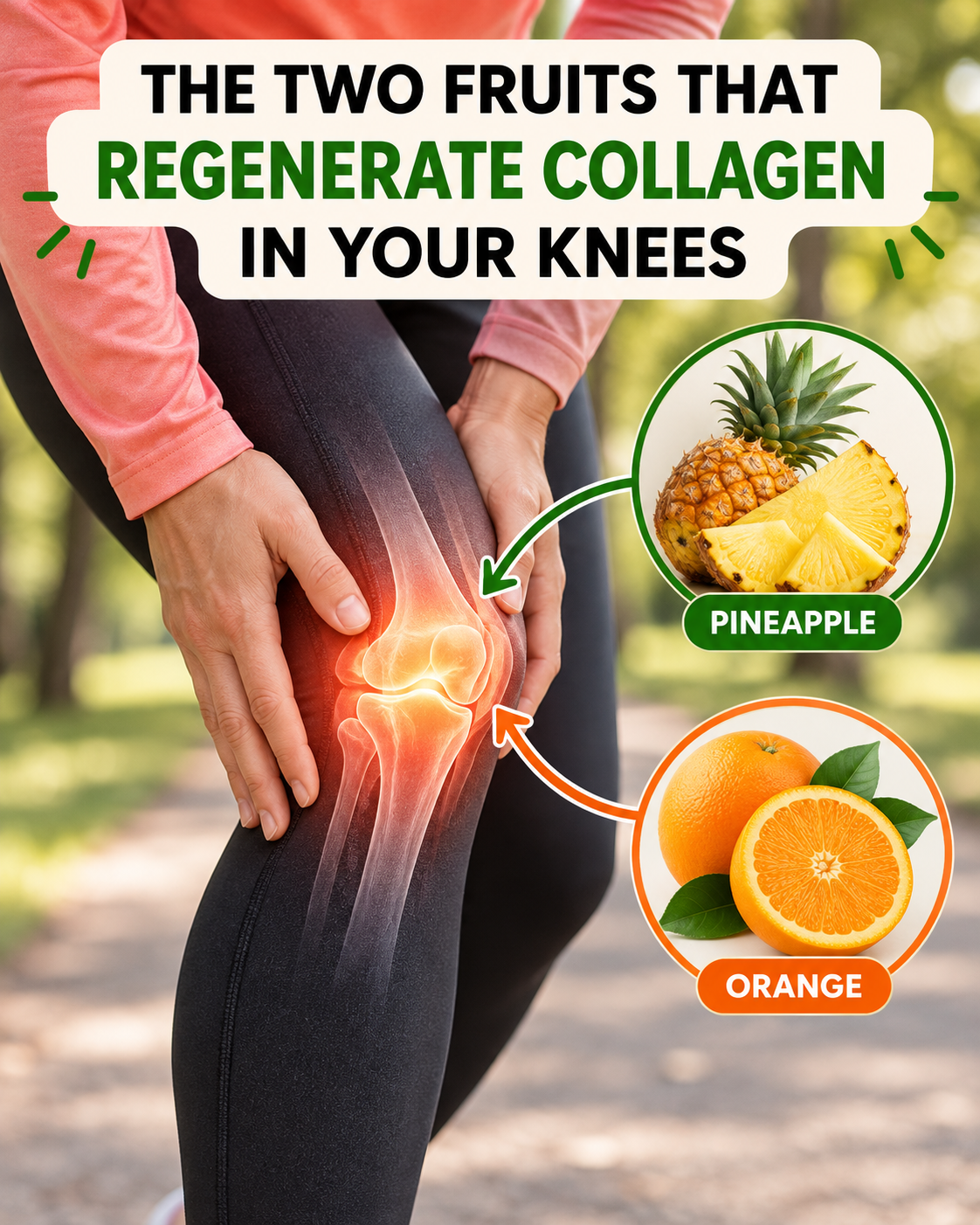
Two Fruits That Support Joint Health and Collagen Production can fit naturally into an everyday diet, especially if you want to give your body the nutrients it needs to maintain connective tissue. No fruit can rebuild worn knee cartilage or “regenerate” a damaged joint overnight. However, certain fruits provide vitamin C, antioxidants, and plant compounds that support normal collagen formation and may help the body manage inflammation.
That distinction matters because collagen plays an important structural role throughout the body. It helps form connective tissues found in skin, tendons, ligaments, bones, and cartilage. Vitamin C, meanwhile, is required for normal collagen biosynthesis, which makes vitamin C-rich foods particularly relevant when discussing joint-supportive nutrition.
I started paying more attention to fruit after noticing how easy it was to focus on supplements while overlooking ordinary food. A bowl of berries or a fresh orange seemed almost too simple to matter. Yet once I looked more closely at the nutrients involved in collagen production and inflammation, those everyday choices made more sense. They were not miracle treatments, but they gave my meals more variety while supporting a broader approach that included movement, balanced nutrition, and maintaining a comfortable body weight.
Among the many fruits worth eating, berries and citrus fruits stand out for different reasons. Berries supply colorful antioxidant compounds such as anthocyanins, while citrus fruits provide generous amounts of vitamin C. Together, they make a practical pair for anyone interested in supporting joint health through food.
Why Nutrition Matters for Joint and Collagen Health
Understanding Collagen and Your Joints
Collagen is one of the major structural proteins in the human body. In joints, it forms part of the framework of cartilage and other connective tissues that help support smooth movement. However, eating collagen or vitamin C does not automatically send new cartilage directly to a sore knee.
Instead, the body breaks food down into nutrients and uses those nutrients where they are needed. Vitamin C plays a particularly important role because the body requires it for collagen biosynthesis. Severe vitamin C deficiency can impair collagen formation and weaken connective tissues, which illustrates just how closely this nutrient connects with normal tissue maintenance.
Therefore, a nutritious diet supports the body’s normal maintenance processes rather than acting like a repair kit for a damaged joint. This difference becomes especially important for people with osteoarthritis. Once cartilage has significant structural damage, fruit alone cannot reverse it.
Still, nutrition remains useful. A balanced diet can help support a healthy body weight, provide antioxidant nutrients, and contribute to overall metabolic health. The Arthritis Foundation notes that whole-food dietary patterns rich in fruits, vegetables, fish, nuts, and beans may help manage inflammation and support people with arthritis.
Why Antioxidants and Inflammation Matter
Inflammation forms part of several types of arthritis, including osteoarthritis. Meanwhile, normal metabolism produces unstable molecules commonly called free radicals, which can contribute to cellular damage when the body’s antioxidant defenses cannot keep up. Fruits and vegetables provide many antioxidant compounds that help counter these processes.
This does not mean antioxidants work like medication. Instead, they contribute to an eating pattern that may support lower overall inflammation. The Arthritis Foundation highlights berries, cherries, citrus fruits, leafy greens, and other colorful produce as useful components of joint-friendly diets.
Weight also matters for joint health, particularly in the knees, hips, and ankles. Carrying additional weight increases mechanical stress on weight-bearing joints, while body fat itself can contribute to inflammatory activity. For that reason, fruit can be especially useful when it replaces highly processed desserts or sugary snacks rather than simply being added on top of them.
Ultimately, Two Fruits That Support Joint Health and Collagen Production work best as part of an overall diet rather than as stand-alone remedies. Regular movement, sufficient protein, good sleep, medical care when needed, and a varied eating pattern all remain important.
Fruit Number One: Berries for Antioxidant Support
Why Berries Stand Out
Strawberries, blueberries, raspberries, and blackberries contain an impressive collection of plant compounds. Many berries provide vitamin C along with anthocyanins, the pigments responsible for red, purple, and blue colors. These compounds have antioxidant properties and have attracted research attention because of their possible role in inflammation.
The Arthritis Foundation identifies berries among particularly useful fruits for people interested in an anti-inflammatory eating pattern. Strawberries, for example, provide vitamin C and several phytochemicals. Blueberries and other deeply colored berries also supply anthocyanins and related polyphenols.
Some observational and preliminary studies have linked berry consumption with lower inflammatory markers or improved arthritis-related outcomes. However, those findings do not prove that berries treat arthritis or rebuild cartilage. Diet studies can be influenced by many other lifestyle factors, and individual responses vary.
Nevertheless, berries remain a valuable food choice because they combine fiber, micronutrients, and phytochemicals in a naturally sweet package. Therefore, even if someone never experiences a noticeable change in joint discomfort, berries still contribute useful nutrients to an overall healthy diet.
Easy Ways to Add More Berries
Fresh berries make an easy snack, although frozen berries work well too. You can add a handful to oatmeal, yogurt, cottage cheese, smoothies, or whole-grain cereal. Frozen berries also offer a convenient option when fresh fruit is expensive or out of season.
For breakfast, try mixing strawberries and blueberries into plain yogurt with chopped walnuts. That combination adds fruit, protein, and healthy fats without requiring much preparation. Likewise, raspberries can add natural sweetness and fiber to oatmeal.
Dessert offers another opportunity. Instead of relying on pastries or candy every evening, serve mixed berries with a small spoonful of yogurt or a sprinkle of cinnamon. This simple switch can reduce the amount of added sugar in your diet while increasing your intake of colorful plant foods.
However, there is no need to force enormous amounts of berries into every meal. Variety matters more. The Arthritis Foundation generally encourages a produce-rich eating pattern rather than depending on one “superfood.”
Fruit Number Two: Citrus for Vitamin C and Collagen Production
How Vitamin C Supports Normal Collagen Formation
Oranges, grapefruit, lemons, limes, and other citrus fruits are widely known for vitamin C. That nutrient does far more than support normal immune function. The National Institutes of Health notes that vitamin C is required for collagen biosynthesis, making it directly relevant to normal connective tissue formation.
Because collagen occurs throughout connective tissues, getting adequate vitamin C matters for the body’s normal maintenance processes. This is why citrus fruits often appear in discussions about joint-supportive nutrition. The Arthritis Foundation specifically notes that citrus fruits provide vitamin C and can form part of a diet aimed at supporting healthy joints.
Still, more vitamin C does not mean faster cartilage growth. Once the body has enough of a nutrient, consuming excessive amounts does not necessarily produce additional benefits. Furthermore, large supplemental doses can create problems for some people, including an increased kidney-stone risk in susceptible individuals.
Food offers a simpler approach. An orange, grapefruit, or other vitamin C-rich fruit can contribute to daily needs while also providing water, fiber, and additional plant compounds.
Practical Ways to Eat Citrus Regularly
Whole citrus fruit usually makes a better everyday choice than heavily sweetened juice. A whole orange provides fiber alongside its juice and pulp, so it tends to be more filling. Likewise, grapefruit sections can work well at breakfast or alongside a salad.
Lemon and lime may be used differently because most people do not eat them whole. Their juice can brighten beans, vegetables, fish, soups, and grain dishes. However, lemon water does not become a special joint treatment simply because it contains citrus.
You can also pair citrus with protein-rich foods. For example, orange segments work well beside Greek yogurt, while lime juice complements beans, chicken, fish, or avocado. Protein supplies amino acids, while vitamin C supports normal collagen synthesis, so a balanced meal provides more comprehensive nutrition than fruit alone.
One caution deserves attention: grapefruit can interact with certain medications. Anyone who takes prescription drugs should follow medication instructions and ask a pharmacist or healthcare professional whether grapefruit is appropriate for them.
Building a Joint-Friendly Diet Beyond Two Fruits
What Else Supports Healthy Joints
Although Two Fruits That Support Joint Health and Collagen Production make a useful starting point, the rest of the diet matters considerably more than any single food. The Arthritis Foundation recommends patterns rich in fruits, vegetables, whole grains, nuts, beans, fish, and healthy fats, while limiting heavily processed foods and excess saturated fat.
Fatty fish such as salmon and sardines provide omega-3 fatty acids. Nuts offer healthy fats, fiber, and minerals. Olive oil contributes monounsaturated fats and plant compounds, while colorful vegetables add additional antioxidants. Together, these foods resemble a Mediterranean-style dietary pattern.
Protein also matters because collagen itself is a protein. Eggs, fish, poultry, beans, lentils, dairy foods, soy foods, and other protein sources supply amino acids the body uses for many tissues. Therefore, fruit should complement protein rather than replace it.
Hydration and physical activity deserve equal attention. Movement helps support muscle strength and mobility around the joints, while maintaining an appropriate body weight can reduce stress on weight-bearing joints. The Arthritis Foundation notes that weight management can be particularly important for osteoarthritis symptoms.
When Food Is Not Enough
Joint discomfort has many possible causes. Osteoarthritis, inflammatory arthritis, injuries, gout, tendon problems, bursitis, and other conditions can produce pain or stiffness. Therefore, persistent symptoms should not automatically be treated as a nutrition problem.
Seek medical advice when joint pain persists, repeatedly interferes with everyday activities, or comes with significant swelling, redness, warmth, weakness, or reduced movement. Sudden severe pain after an injury also deserves appropriate evaluation.
Diet may support treatment, but it should not replace prescribed medication, physical therapy, or other medical care. This becomes especially important with inflammatory forms of arthritis, where controlling disease activity can help protect joints from long-term damage.
Think of fruit as one useful piece of a much larger picture. Berries and citrus fruits can supply nutrients your body needs, but strong joints also depend on movement, muscle strength, healthy weight, injury prevention, and appropriate healthcare.
Frequently Asked Questions
What are the two fruits that support joint health and collagen production?
Berries and citrus fruits make strong choices. Berries provide antioxidants such as anthocyanins and vitamin C, while citrus fruits are particularly valuable sources of vitamin C, which the body requires for normal collagen biosynthesis.
Can fruit rebuild cartilage in the knees?
No evidence shows that eating a particular fruit can directly rebuild worn knee cartilage. Fruit can provide nutrients that support normal connective-tissue maintenance and an anti-inflammatory eating pattern, but it should not be described as a cartilage-regeneration treatment.
Which berries are best for joints?
Strawberries, blueberries, raspberries, and blackberries all provide useful nutrients and antioxidant plant compounds. Rather than choosing only one, eating a variety of colorful berries offers a broader mixture of phytochemicals.
Is orange juice as good as eating an orange?
Orange juice can provide vitamin C, but whole oranges also contain intact fiber and generally offer greater satiety. For everyday use, whole fruit is often the more balanced option, particularly when juice contains added sugar.
How often should I eat these fruits?
They can be included regularly within a varied diet. There is no special dose of berries or citrus proven to repair joints. Instead, focus on consistently eating a variety of fruits and vegetables along with protein, whole grains, healthy fats, and other nutrient-rich foods.
Conclusion
Two Fruits That Support Joint Health and Collagen Production are berries and citrus fruits. Berries contribute antioxidant compounds, including anthocyanins, while citrus fruits provide vitamin C that the body requires for normal collagen formation.
However, neither fruit acts as a miracle treatment.
Berries cannot rebuild worn cartilage, and oranges cannot reverse arthritis. Instead, these foods support the nutritional environment your body needs for normal tissue maintenance while contributing to a broader anti-inflammatory eating pattern.
That makes the everyday approach surprisingly simple. Add berries to breakfast, enjoy whole citrus as a snack, eat enough protein, fill meals with colorful vegetables, choose healthy fats, and remain physically active as your health allows.
Most importantly, treat persistent joint symptoms as a health issue rather than something food alone must solve.
A colorful fruit bowl may not perform miracles, but it can still make a meaningful contribution to a balanced diet that supports healthy joints, normal collagen production, and overall well-being.
More Blog
- Drinking Water on an Empty Stomach — What Science Actually Supports (No Hype, Just Facts)
- Waking Up Between 3 and 5 AM? It Might Be Your Soul Trying to Talk to You
- What a “Bleach” Patch on Your Underwear Really Means — And Why It’s Actually a Good Sign
- This Drink May Weaken Your Bones From The Inside — But Everyone Drinks It Anyway