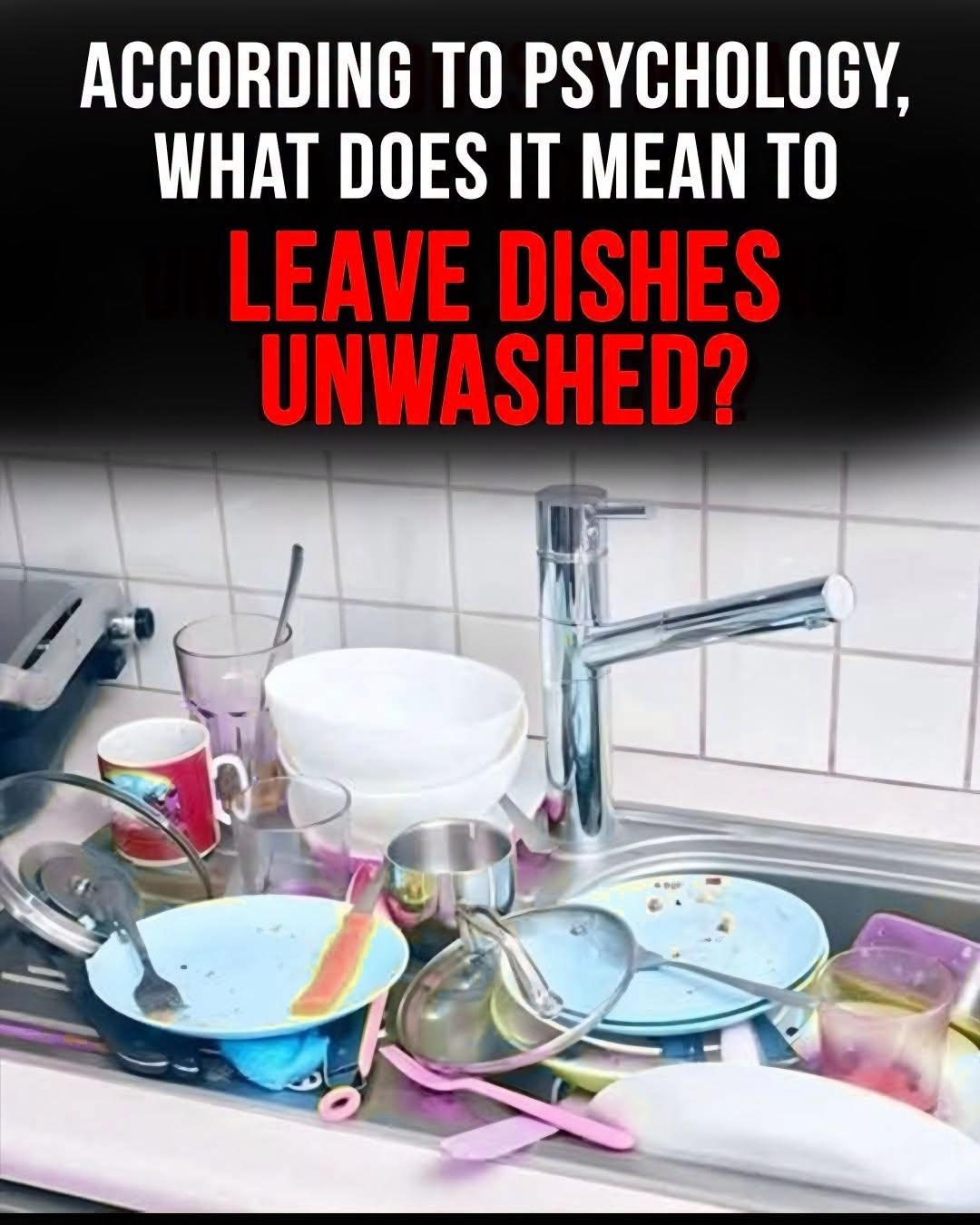
It’s easy to look at a sink full of dirty dishes and assume someone simply didn’t feel like cleaning. However, everyday clutter can sometimes tell a more complicated story. What Your Pile of Dirty Dishes Might Really Be Saying About You may have less to do with laziness and more to do with stress, exhaustion, competing demands, or reduced mental energy.
A messy kitchen alone cannot diagnose anxiety, depression, burnout, or any other mental health condition. Still, changes in ordinary routines can sometimes provide useful clues about how well you’re coping. Therefore, instead of treating an overflowing sink as proof of a personal failing, it may help to consider the circumstances surrounding it.
There have been times when I’ve walked into the kitchen at the end of a demanding day and immediately noticed everything I hadn’t done. A few cups had become plates, pans, and utensils. Although washing them would not have taken forever, starting felt strangely difficult. Eventually, I realized the dishes were not really the main problem. I had simply run out of energy after handling everything else. Once I stopped criticizing myself, the task became easier. I washed a few things, cleared one section of the counter, and continued later. That small change taught me that progress often starts with reducing pressure.
Why Dirty Dishes Can Feel So Overwhelming
Everyday Tasks Still Require Mental Energy
Washing dishes looks simple because the physical actions are familiar. You rinse a plate, apply soap, scrub it, and put it away. However, completing even a familiar chore requires attention, decision-making, initiation, and enough energy to keep going.
When you feel rested, those demands barely register. On the other hand, when work, family responsibilities, financial worries, poor sleep, or other pressures consume your attention, an ordinary chore can suddenly feel much larger.
That difference matters when considering What Your Pile of Dirty Dishes Might Really Be Saying About You. The dishes may not indicate that you stopped caring about cleanliness. Instead, they may show that other demands have temporarily consumed the energy you normally use for household routines.
Stress can also make prioritizing tasks harder. For example, you might know that you should clean the kitchen, answer an important message, prepare for tomorrow, shower, and get some sleep. Because everything seems urgent, deciding where to begin can become another task.
As a result, you may postpone the dishes.
Then another meal adds more plates. Consequently, a manageable chore becomes a larger project. The larger project feels harder to start, so you delay it again.
Recognizing that pattern can help you respond more effectively.
The Mess Can Create a Stress Cycle
Clutter does not affect everyone in the same way. Some people barely notice dishes in the sink, while others find visual disorder distracting or stressful. Therefore, context matters more than the presence of clutter itself.
Still, a growing mess can create an uncomfortable cycle.
First, you feel exhausted and postpone cleaning. Next, the mess becomes larger. Then you see the unfinished task every time you enter the kitchen. Because the task now looks more demanding, you feel even less motivated to tackle it.
Guilt can intensify that cycle. You might tell yourself that you “should have done this already.” However, harsh self-criticism rarely makes a difficult task feel easier.
Instead, separate the practical problem from the judgment attached to it.
The practical problem is straightforward: some dishes need washing.
Everything beyond that deserves closer examination.
Rather than deciding that the mess proves something negative about your character, consider what changed. Perhaps your schedule became unusually demanding. Maybe you have slept poorly. Perhaps several responsibilities arrived at once.
Once you identify the pressure behind the pattern, you can address both the dishes and the circumstances that allowed them to accumulate.
What Your Kitchen Habits May Tell You
A Change in Routine Can Matter More Than the Mess
A single messy evening usually means very little. You may have hosted dinner, worked late, cared for children, traveled, or simply decided that sleep mattered more than cleaning.
Therefore, What Your Pile of Dirty Dishes Might Really Be Saying About You becomes more useful as a question when you notice a significant change from your normal habits.
Suppose you usually clean the kitchen every evening. Then, over several weeks, you begin leaving dishes untouched for days. At the same time, laundry accumulates, unopened mail covers the table, and other routine responsibilities become harder to manage.
That broader change deserves attention.
However, avoid turning one household habit into a diagnosis. Many factors can affect motivation and energy, including temporary stress, physical illness, disrupted sleep, major life changes, demanding schedules, grief, and emotional difficulties.
Instead, treat changing routines as information.
Ask yourself whether you have enough time and energy for your current responsibilities. Also, consider whether tasks that once felt easy now feel unusually difficult. Finally, notice whether the change affects other areas of your daily life.
Those questions provide more meaningful information than the condition of your sink alone.
Look at the Pattern Without Judging Yourself
Shame can make an ordinary problem feel personal.
For instance, “I have dirty dishes” describes a situation. In contrast, “I’m terrible at taking care of things” turns that temporary situation into a judgment about identity.
The first statement gives you something concrete to address. The second can make action harder.
So, when exploring What Your Pile of Dirty Dishes Might Really Be Saying About You, focus on patterns rather than labels.
You might ask: When did keeping up with chores become difficult? What changed around that time? Which responsibilities consume most of my energy? Am I getting enough rest? Have several routines become harder at once?
These questions encourage curiosity.
Moreover, they can reveal practical solutions. If an overloaded schedule causes the problem, simplifying your routine may help. If exhaustion causes it, rest may deserve greater priority. Likewise, if too many household responsibilities fall on one person, sharing tasks more fairly could make a meaningful difference.
Sometimes, however, persistent difficulty with everyday functioning accompanies significant emotional distress. In that situation, talking with a qualified healthcare or mental health professional can provide appropriate support.
How to Break the Dirty-Dish Cycle
Make the First Step Almost Ridiculously Small
When the entire kitchen feels overwhelming, “clean everything” creates an unnecessarily large goal.
Instead, shrink the task.
Wash one plate.
Put away five items.
Empty one section of the sink.
Clean for three minutes.
Although these actions sound insignificant, they remove one of the biggest barriers: starting.
Once you begin, you may naturally continue. However, continuing should remain optional. If you wash three dishes and stop, you still completed three dishes.
This approach changes What Your Pile of Dirty Dishes Might Really Be Saying About You from a question about personal discipline into an opportunity to adjust the size of the task.
You can also divide the job into stages. First, throw away food scraps. Next, stack similar dishes together. Then fill a pan with warm, soapy water. After that, wash only the easiest items.
Each completed stage reduces the visible workload.
Additionally, a timer can create a clear stopping point. Set it for five or ten minutes and work only until it rings. Because you know you do not have to continue indefinitely, beginning may feel easier.
Most importantly, aim for functional rather than perfect.
A usable kitchen matters more than a spotless one.
Reduce Friction Before It Builds Again
After you regain control of the sink, consider changing the system that allowed the mess to become overwhelming.
For example, wash one or two items while waiting for coffee or food to heat. Alternatively, rinse dishes immediately so dried food does not make cleaning harder later.
You can also keep cleaning supplies easy to reach. When the sponge, soap, gloves, and drying towel sit where you need them, you remove several tiny barriers.
If you share your home with other people, clearly divide responsibilities. Vague expectations often lead to frustration. In contrast, specific agreements make household work easier to manage.
Furthermore, reduce the number of dishes available during particularly demanding periods. If every plate gets used before anyone washes one, a large collection can create an intimidating mountain. Keeping fewer everyday dishes in circulation may naturally limit how much can accumulate.
These strategies do not require exceptional discipline.
Instead, they make the desired behavior easier.
That distinction matters because sustainable routines usually work better when they fit your actual energy and schedule rather than an idealized version of your day.
When a Messy Sink Deserves More Attention
Notice Changes Beyond the Kitchen
The answer to What Your Pile of Dirty Dishes Might Really Be Saying About You rarely comes from looking at dishes alone.
Instead, look at the rest of your life.
Are you struggling with several basic routines that you previously handled without much difficulty? Have you withdrawn from activities or people you usually enjoy? Do ordinary responsibilities consistently feel impossible? Has the situation persisted rather than improving after a busy week?
Those broader patterns provide more context.
Importantly, people experience stress and mental health difficulties differently. One person may stop cleaning, while another may keep an immaculate home despite feeling overwhelmed. Therefore, cleanliness cannot reliably measure someone’s psychological well-being.
For that reason, avoid diagnosing yourself or anyone else based on household clutter.
However, persistent changes in daily functioning can provide a reason to check in with yourself.
Start by identifying what you need right now. Perhaps you need sleep, practical assistance, fewer commitments, a conversation with someone you trust, or professional support.
Then choose one realistic action.
You do not need to solve every problem before washing a plate, nor do you need to clean the entire kitchen before addressing your emotional needs. Both can happen gradually.
Turn Cleaning Into Support, Not Punishment
Housework often becomes harder when you frame it as punishment for allowing the house to get messy.
Instead, treat cleaning as a practical way to make your environment easier to use.
For example, washing a mug means you have a clean mug tomorrow morning. Clearing the counter gives you space to prepare food. Emptying the sink makes the next meal easier.
That perspective connects each action to a direct benefit.
Additionally, make the process more comfortable when possible. Play music or a podcast, open a window, or clean while talking with someone. You can also pair the task with another established routine.
However, avoid using cleaning as a test of whether you are “doing well enough.”
Your home will occasionally become messy because life becomes messy.
What matters more is recognizing when ordinary responsibilities consistently exceed your available capacity.
At that point, What Your Pile of Dirty Dishes Might Really Be Saying About You has a surprisingly simple answer: something in your current routine may need attention.
Sometimes you need a better cleaning system. Sometimes you need help. Sometimes you need rest.
The sink cannot tell you which answer applies, but noticing the pattern can encourage you to find out.
Frequently Asked Questions
Does a pile of dirty dishes mean I have depression?
No. Dirty dishes alone cannot indicate or diagnose depression. People postpone cleaning for many reasons, including busy schedules, fatigue, illness, competing responsibilities, and simple preference. However, if persistent difficulty completing everyday activities accompanies significant changes in mood or functioning, consider discussing those changes with a qualified healthcare or mental health professional.
Why do simple chores feel impossible when I’m stressed?
Stress can consume attention and energy. Consequently, tasks that normally feel automatic may require more effort. Breaking chores into very small actions can make starting easier. For example, instead of planning to clean the entire kitchen, begin by washing one cup or clearing one section of the counter.
Can cleaning actually make me feel better?
For some people, completing a manageable household task creates a sense of accomplishment and makes their surroundings feel easier to use. However, cleaning does not replace appropriate treatment for a mental health condition. Think of household organization as one possible form of practical self-care rather than a cure.
How can I start cleaning when the kitchen feels overwhelming?
Choose the smallest visible task. Throw away food scraps, gather cups, rinse five dishes, or work for five minutes. Then decide whether you want to continue. Because small goals reduce the pressure to complete everything at once, they can make starting much more approachable.
Should I worry if household chores suddenly become difficult?
One difficult day usually does not indicate a larger problem. However, pay attention when a significant change persists or affects several areas of daily functioning. If you feel concerned about your emotional or physical well-being, a qualified healthcare professional can help you evaluate what is happening.
Conclusion
What Your Pile of Dirty Dishes Might Really Be Saying About You is ultimately less about dishes and more about context.
Sometimes a messy sink simply means you were busy and decided to clean tomorrow. At other times, repeated difficulty managing ordinary responsibilities may reflect stress, exhaustion, an overloaded schedule, or another challenge that deserves attention.
Either way, judgment rarely helps.
Start with what you can manage. Wash one dish, clear one corner, or spend five minutes restoring order. Then consider whether something beyond the kitchen also needs your attention.
Small actions will not fix every source of stress. However, they can make your immediate environment easier to manage and give you a clear place to begin.
A pile of dishes does not define your character. Instead, it represents an unfinished household task. If it also prompts you to notice that you need rest, practical support, or professional help, that awareness can become far more valuable than a perfectly clean sink.
More Blog
- Drinking Water on an Empty Stomach — What Science Actually Supports (No Hype, Just Facts)
- Waking Up Between 3 and 5 AM? It Might Be Your Soul Trying to Talk to You
- What a “Bleach” Patch on Your Underwear Really Means — And Why It’s Actually a Good Sign
- This Drink May Weaken Your Bones From The Inside — But Everyone Drinks It Anyway