What Really Happens When Bed Bugs Invade Your Home can become a serious concern once unexplained bites, stains, or insects begin appearing around a sleeping area. Bed bugs are small, persistent pests that hide remarkably well, which means an infestation can develop before anyone notices the insects themselves.
Although the thought of bed bugs can feel alarming, understanding their behavior makes the situation easier to manage. Their bites can cause itching and irritation, but reactions vary considerably between people. More importantly, several physical clues around a bed can reveal an infestation even when bites do not appear.
Learning where bed bugs hide, what their bites may look like, and how to respond quickly can help you regain control of your home.
A friend once discovered a few unexplained red marks after returning from a weekend trip. At first, everyone assumed mosquitoes had caused them. However, several days later, tiny dark marks appeared along the mattress seam. A careful inspection eventually revealed insects hiding close to the bed frame. The discovery felt unsettling, especially because the bedroom looked perfectly clean. Still, acting quickly made the situation manageable. Bedding went through a hot wash and dryer cycle, clutter disappeared from the room, and professional help followed. That experience showed how easily bed bugs can go unnoticed and why early warning signs matter.
Understanding What Happens When Bed Bugs Enter a Home
How Bed Bugs Live and Feed
Bed bugs are small, flat insects that survive by feeding on blood. Adults typically have reddish-brown bodies, while younger bed bugs can appear much lighter and may prove harder to see.
Because bed bugs usually become active while people sleep, an infestation can remain hidden for some time. They often stay close to places where people rest for long periods. Therefore, mattresses, box springs, headboards, bed frames, upholstered furniture, and nearby cracks provide convenient hiding places.
Bed bugs do not need a dirty environment to survive. Consequently, discovering them does not mean someone keeps an unclean home. They primarily need access to a host and suitable places to hide.
Their flattened bodies also allow them to squeeze into surprisingly narrow spaces. For example, they may hide around mattress piping, screw holes, furniture joints, baseboards, or behind loose materials near a bed.
Furthermore, bed bugs can travel between locations inside luggage, clothing, furniture, bags, and other belongings. This hitchhiking behavior helps explain why infestations sometimes appear suddenly after travel or after secondhand furniture enters a home.
Understanding What Really Happens When Bed Bugs Invade Your Home therefore starts with recognizing that these pests can remain hidden even in an otherwise tidy bedroom.
Why You May Notice Bites Before Bugs
People frequently become suspicious because of unexplained skin irritation rather than because they actually see a bed bug.
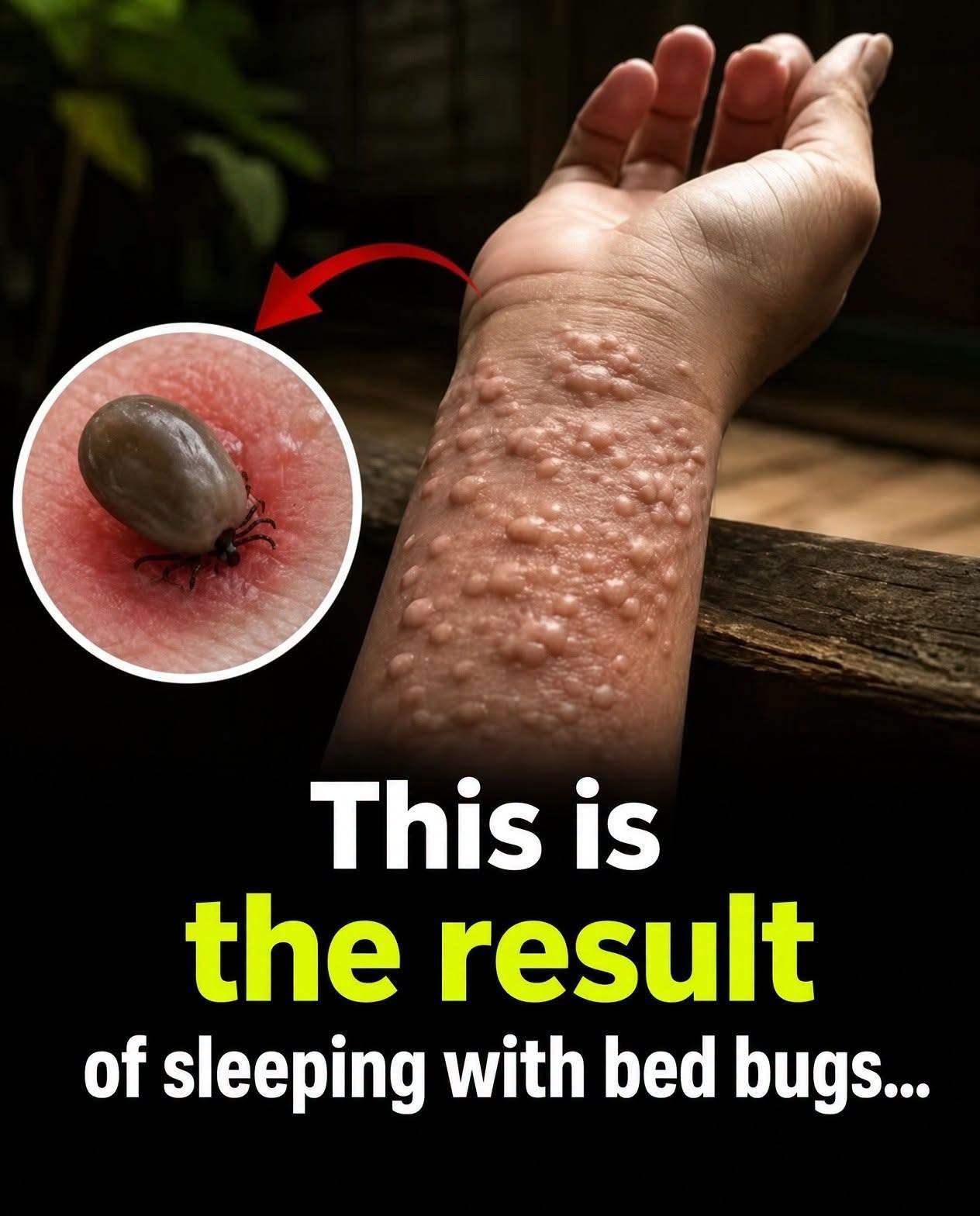
Bites can produce small, itchy, raised areas. Additionally, several bites may appear close together or form a rough line. Areas exposed during sleep, including the arms, shoulders, neck, face, and legs, may develop marks.
However, appearance alone cannot reliably confirm bed bugs. Mosquito bites, flea bites, allergic reactions, and several skin conditions can produce similar symptoms.
Individual reactions also differ significantly. One person may develop noticeable itching and swelling, while another person exposed in the same room may show little or no visible reaction.
For that reason, inspecting the sleeping environment matters more than trying to identify an infestation from skin marks alone.
Bed bug bites generally do not require complicated treatment. Nevertheless, scratching itchy areas can damage the skin and potentially lead to a secondary infection. Keeping affected skin clean and avoiding excessive scratching can therefore help.
Seek medical advice when a skin reaction becomes severe, appears infected, causes significant swelling, or creates other concerning symptoms.
Warning Signs That Can Reveal a Bed Bug Infestation
What to Look for Around Your Mattress
When investigating What Really Happens When Bed Bugs Invade Your Home, the strongest clues often appear around the places where people sleep.
Start by examining mattress seams, piping, labels, and folds. Next, check the box spring, particularly along edges and underneath fabric coverings. Then inspect the bed frame, headboard, nearby furniture, and cracks around the sleeping area.
Live insects provide the clearest evidence. However, you may discover other clues first.
Small reddish or rusty stains can sometimes appear on sheets or mattresses. Meanwhile, tiny dark spots may occur near hiding places. Shed skins can also indicate bed bug activity because growing insects molt as they develop.
You may also discover tiny pale eggs or eggshells in protected cracks, although their size makes them difficult to identify without careful inspection.
Use a bright flashlight and examine narrow spaces slowly. Furthermore, avoid assuming that a quick glance at the top of the mattress provides a complete inspection.
Bed bugs prefer protected spaces. Therefore, check underneath and behind objects rather than concentrating only on visible surfaces.
Finding one suspicious mark does not automatically prove an infestation. Instead, look for several pieces of evidence. If you find live insects or convincing physical signs, professional identification can help confirm the problem.
Why Early Detection Makes a Difference
Early action matters because established infestations become increasingly difficult to control.
A few unnoticed insects can eventually spread beyond the original hiding area. Consequently, they may move into additional furniture, neighboring rooms, or other protected spaces.
Unfortunately, panic can sometimes make the problem harder to manage. Moving bedding, furniture, or belongings through the house without containing them may transport insects to new areas.
Similarly, immediately throwing away a mattress does not necessarily eliminate an infestation. Bed bugs may remain in the frame, furniture, walls, or other nearby hiding locations.
Instead, carefully inspect the room and contain potentially affected belongings. Wash washable fabrics when appropriate, and use a dryer at a sufficiently high temperature for suitable items. Vacuuming can also remove some insects and debris from accessible areas, although vacuuming alone will not usually eliminate an established infestation.
Reducing clutter offers another advantage. Fewer unnecessary objects create fewer hiding places and make inspection and treatment easier.
When evidence continues to appear, contacting an experienced pest-management professional can provide a more systematic approach.
Understanding What Really Happens When Bed Bugs Invade Your Home means recognizing that early detection creates more options and may prevent a relatively contained problem from becoming widespread.
What to Do After Finding Signs of Bed Bugs
Practical Steps You Can Take Immediately
If you suspect bed bugs, avoid carrying loose belongings from the affected bedroom into other areas. Instead, contain items before moving them.
Next, collect washable bedding, sleepwear, and suitable clothing carefully. Transport these items in sealed bags or containers so insects cannot fall off elsewhere.
Heat from a clothes dryer can kill bed bugs when the appropriate temperature and treatment time reach the insects. However, always follow fabric-care instructions and established pest-control guidance.
Afterward, store cleaned items in clean, sealed containers or bags until the infestation comes under control.
Vacuum mattress seams, furniture joints, baseboards, and other accessible areas carefully. Immediately contain and dispose of vacuum contents according to appropriate pest-management guidance.
Additionally, remove unnecessary clutter around the bed. This step does not kill bed bugs directly, but it makes hiding places easier to locate and treat.
Avoid relying on random household chemicals or applying pesticides in ways that their labels do not permit. Misusing insecticides can create unnecessary health risks without solving the infestation.
Instead, use products only according to their labels and consider professional treatment for persistent infestations.
When Professional Treatment Becomes Important
Bed bugs have a reputation for being difficult to eliminate because they hide in small spaces and can survive conditions that might kill less resilient household insects.
As a result, professional pest management often becomes valuable once an infestation has been confirmed.
A trained technician can inspect areas that homeowners may overlook and determine how far the infestation has spread. Moreover, professionals can develop a treatment plan based on the specific property and severity of the problem.
Treatment may require more than one visit. Eggs or insects hidden deep inside protected spaces can survive incomplete treatments, so follow-up inspections often play an important role.
Meanwhile, residents usually need to follow preparation instructions carefully. These instructions might include laundering certain belongings, reducing clutter, moving specific objects, or keeping treated areas accessible.
Do not assume that one quiet night means every bed bug has disappeared. Instead, continue monitoring according to the treatment plan.
What Really Happens When Bed Bugs Invade Your Home can vary depending on how quickly the infestation is discovered. However, a coordinated approach that combines inspection, containment, monitoring, and appropriate treatment provides a much stronger response than isolated home remedies.
Preventing Bed Bugs From Returning
Reduce the Risk While Traveling
Travel provides bed bugs with opportunities to move between buildings because luggage and personal belongings can transport them.
Therefore, inspect sleeping areas when staying away from home. Look around mattress seams, headboards, and nearby furniture for obvious warning signs before unpacking.
Keep luggage organized and avoid unnecessarily spreading clothing across beds or upholstered furniture. Furthermore, inspect luggage after returning home, particularly if you encountered suspicious signs during the trip.
Wash and dry appropriate clothing according to fabric-care instructions. Items that cannot go directly into a washer or dryer may require a different inspection or treatment method.
These precautions cannot guarantee that bed bugs will never enter your home. Nevertheless, they can reduce opportunities for unnoticed hitchhikers to establish themselves.
Travelers should also remember that bed bugs can occur in many types of accommodations. Price or apparent cleanliness alone cannot guarantee that a room has no pests.
Therefore, awareness provides more protection than assumptions.
Be Careful With Furniture and Household Items
Used furniture can offer another route into a home.
Before bringing secondhand beds, couches, upholstered chairs, or similar furniture indoors, inspect seams, joints, folds, cracks, and undersides carefully.
Avoid picking up discarded upholstered furniture when you cannot determine why someone threw it away. Even an attractive piece can hide insects in areas that remain invisible during a quick inspection.
Mattress and box-spring encasements designed for bed bug management can also simplify future inspections when used correctly. Additionally, keeping the area around beds relatively uncluttered makes suspicious activity easier to detect.
Routine awareness matters more than constant worry.
Check unusual stains or unexplained insects instead of ignoring them. Likewise, investigate recurring bites by looking for environmental evidence rather than assuming their cause.
Ultimately, understanding What Really Happens When Bed Bugs Invade Your Home turns an unsettling situation into a practical problem with recognizable warning signs and established management strategies.
Frequently Asked Questions
What do bed bug bites usually look like?
Bed bug bites may appear as itchy, red, raised marks. Several may occur close together or appear in a rough line. However, bites alone cannot reliably identify bed bugs because other insects and skin conditions can cause similar marks. Some people also show little or no visible reaction.
Can bed bugs spread disease?
Bed bugs are primarily considered a nuisance and public-health pest rather than a proven vector of human infectious disease. Their bites can still cause itching, loss of sleep, and allergic reactions in some people. Additionally, repeated scratching can damage skin and contribute to secondary infection.
Does having bed bugs mean a home is dirty?
No. Bed bugs can infest clean and cluttered environments because they seek blood meals and hiding places rather than dirt. However, excessive clutter can provide additional hiding locations and make inspection and treatment more difficult.
Can washing bedding eliminate an infestation?
Laundering and appropriate high-heat drying can help treat suitable fabrics, but washing bedding alone usually cannot eliminate an established infestation. Bed bugs may hide in bed frames, furniture, cracks, baseboards, and other areas that laundry treatment cannot reach.
When should I contact a pest-control professional?
Consider professional help when you find live bed bugs, discover multiple physical signs, experience continuing activity despite basic control measures, or cannot determine how widely the infestation has spread. Professional inspection can help confirm the problem and create an appropriate treatment strategy.
Conclusion
What Really Happens When Bed Bugs Invade Your Home involves more than waking up with an occasional itchy mark. These small insects can hide around mattresses, furniture, bed frames, and narrow cracks while remaining unnoticed for extended periods.
Fortunately, several warning signs can expose their presence. Live insects, dark spotting, rusty stains, shed skins, and recurring evidence around sleeping areas deserve attention.
If you suspect an infestation, inspect carefully, contain affected belongings, reduce clutter, treat washable items appropriately, and avoid spreading objects throughout the home. Most importantly, consider qualified professional pest management when the evidence indicates an established infestation.
Bed bugs can cause considerable frustration and disrupt sleep, but early recognition and a systematic response can make the problem far more manageable. Staying observant while traveling and inspecting secondhand furniture can also reduce future risk.
The goal is not to live in fear of these tiny pests. Instead, know the warning signs, respond promptly, and use proven control methods when a problem appears.
More Blog
- Drinking Water on an Empty Stomach — What Science Actually Supports (No Hype, Just Facts)
- Waking Up Between 3 and 5 AM? It Might Be Your Soul Trying to Talk to You
- What a “Bleach” Patch on Your Underwear Really Means — And Why It’s Actually a Good Sign
- This Drink May Weaken Your Bones From The Inside — But Everyone Drinks It Anyway