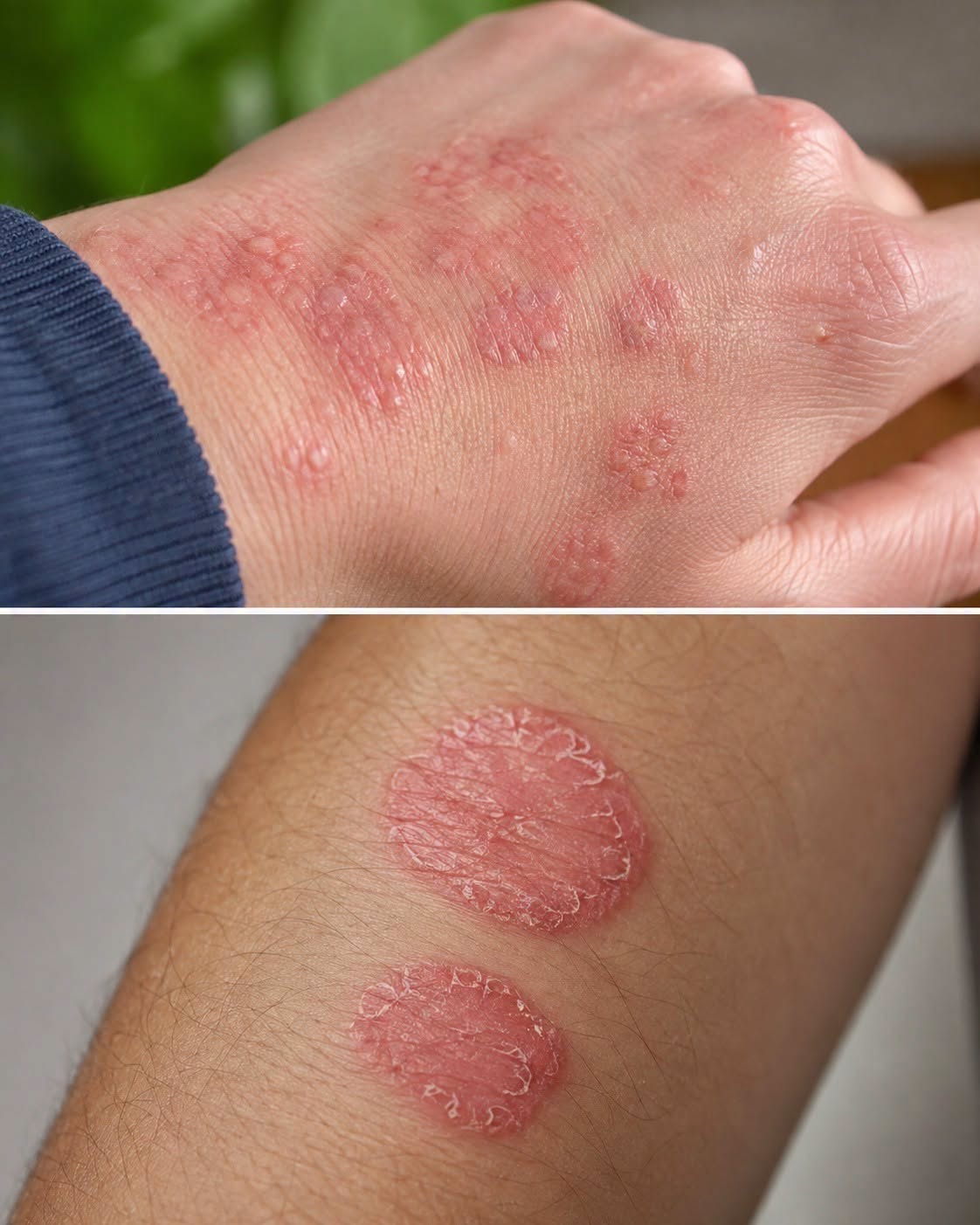
Groin skin irritation can appear as itching, redness, bumps, burning, scaling, tenderness, or a raw feeling in the skin folds. Because the groin naturally stays warmer and more humid than many other parts of the body, sweat, friction, shaving, fungi, bacteria, and skin-care products can all trigger problems there.
Several conditions can look surprisingly similar. For example, an ingrown hair may resemble folliculitis, while jock itch can sometimes be mistaken for contact dermatitis or intertrigo. Therefore, appearance alone does not always reveal the exact cause.
Most mild cases improve with simple measures such as keeping the area clean and dry, avoiding friction, and temporarily stopping shaving or other irritating activities. However, persistent, painful, spreading, or infected-looking rashes deserve medical attention.
The five common possibilities below explain what groin irritation may look like, what can trigger it, and which care strategies generally make sense.
1. Ingrown Hairs
What Ingrown Hairs Look Like
An ingrown hair develops when a hair grows back into the skin instead of emerging normally. These bumps commonly appear after shaving, waxing, or other hair-removal methods.
An ingrown hair may look like a small raised red or darker bump. Sometimes you can see a trapped hair beneath the surface. In other cases, the bump can become inflamed, itchy, tender, or filled with pus.
People with coarse or curly hair may experience ingrown hairs more often because curved hairs can more easily turn back toward the skin after cutting.
Shaving too closely can also increase the risk. In addition, repeated razor strokes, dull blades, and friction from tight clothing may worsen irritation.
The groin and bikini area remain particularly vulnerable because hair removal often combines with sweat and clothing friction.
The NHS advises against picking, squeezing, or scratching ingrown hairs because doing so can damage the skin and increase the chance of infection. It also recommends shaving in the direction of hair growth, avoiding overly close shaving, and using as few razor strokes as possible.
How to Care for Ingrown Hairs
If possible, stop shaving the irritated area until it settles.
When you resume shaving, soften the skin with warm water first and use shaving gel or another suitable lubricant. Then shave in the direction that the hair grows rather than repeatedly going against it.
Gentle exfoliation may help free hairs trapped near the skin’s surface. However, aggressive scrubbing can make inflammation worse, especially on sensitive groin skin.
Do not dig into the skin with tweezers, needles, or fingernails.
If a bump becomes very painful, hot, swollen, or increasingly red, it may have developed an infection. A healthcare professional can assess it and determine whether medication or another treatment is needed. Fever or feeling generally unwell alongside an inflamed ingrown hair also warrants medical attention.
2. Folliculitis
How Folliculitis Differs From Razor Bumps
Folliculitis means inflammation of the hair follicles. It often appears as clusters of small bumps or pimples around individual hairs.
Some bumps develop white or pus-filled centers. Meanwhile, the surrounding skin may itch, burn, feel tender, or become painful.
Bacterial infection can cause folliculitis, with Staphylococcus aureus among the common bacterial causes. However, yeast, fungi, viruses, irritation, and physical damage to hair follicles can also trigger different forms of folliculitis.
Shaving and waxing can damage follicles and increase the risk. Tight clothing that traps sweat and heat can contribute as well.
Another form, sometimes called hot-tub folliculitis, can develop after exposure to inadequately maintained hot tubs or pools.
Because folliculitis and ingrown hairs can look alike, self-diagnosis may not always be reliable.
What to Do About Folliculitis
Mild folliculitis may improve with basic skin care and by avoiding the activity that irritated the follicles.
Keep the area clean, reduce friction, and pause shaving or waxing until the skin improves.
Warm compresses can sometimes relieve discomfort.
However, treatment depends on the cause. Bacterial, fungal, and inflammatory forms do not all respond to the same medication. For example, antibiotics do not treat fungal folliculitis. Mayo Clinic notes that clinicians may use prescription topical or oral treatments depending on the type and severity.
Therefore, avoid automatically applying leftover antibiotic creams or other prescription products without knowing what caused the rash.
Seek medical care if folliculitis becomes widespread, repeatedly returns, fails to improve after roughly a week or two of self-care, or causes increasing pain or redness. Fever, chills, or rapidly worsening redness can indicate a spreading infection and require prompt assessment.
3. Tinea Cruris, Commonly Called Jock Itch
Signs That May Point to a Fungal Rash
Jock itch is a fungal infection of the groin caused by the same general group of fungi responsible for other forms of ringworm.
It commonly affects the groin and upper inner thighs and often causes itching, burning, or a scaly rash.
The rash may develop a more noticeable border and gradually spread outward. Depending on skin tone, the affected area may look red, brown, gray, purple, or otherwise discolored rather than having one universal appearance.
Heat and moisture create conditions in which these fungi thrive. Consequently, sweating, damp clothing, tight garments, and prolonged moisture can contribute.
The fungi that cause ringworm infections can also spread through contaminated personal items and contact with infected skin. Because athlete’s foot and jock itch can come from related fungi, infection may sometimes spread between body areas through hands, towels, or clothing.
The CDC notes that the fungi responsible for ringworm can also cause jock itch and athlete’s foot.
Treating Jock Itch Correctly
Many uncomplicated cases can respond to over-the-counter antifungal medication when used according to the product instructions.
Common antifungal ingredients include clotrimazole and terbinafine.
At the same time, keep the area dry and change out of sweaty clothing promptly. Loose, breathable underwear and clothing can also reduce trapped moisture.
Do not share towels, clothing, or other personal items while you have a suspected fungal infection.
One important caution involves steroid creams.
The CDC specifically advises against using steroid creams on a rash that could be ringworm because steroids can worsen fungal infections and alter their appearance, which can make diagnosis more difficult.
Therefore, if you cannot tell whether a groin rash is fungal, avoid treating it blindly with steroid cream alone.
See a healthcare professional if the rash spreads, repeatedly returns, becomes severe, or fails to improve with appropriate antifungal treatment.
4. Contact Dermatitis
When Soap, Detergent, or Fabric Triggers the Problem
Not every groin rash comes from an infection.
Contact dermatitis develops when the skin reacts to an irritant or allergen. In the groin, possible triggers can include scented soaps, body washes, laundry detergents, fabric dyes, fragrances, wipes, lotions, deodorizing products, adhesives, latex, or chemicals used in hair-removal products.
Sweat and friction can make irritated skin more sensitive.
Symptoms may include itching, redness or discoloration, burning, dryness, flaking, swelling, or small blisters.
The pattern sometimes offers a clue. For example, irritation that appears shortly after switching laundry products or applying a new scented product may point toward contact dermatitis.
However, fungal infections and other rashes can resemble contact dermatitis. Therefore, repeated self-treatment without improvement should prompt a professional evaluation.
How to Calm Irritated Skin
The most important step involves identifying and avoiding the suspected trigger.
Switching to fragrance-free cleansers and laundry products may help if scented products seem responsible. Loose clothing can also reduce friction while the skin heals.
Cool compresses can soothe itching and inflammation. The American Academy of Dermatology recommends avoiding scratching because scratching can further irritate the skin and potentially contribute to infection.
Although over-the-counter hydrocortisone can help some forms of contact dermatitis, groin skin is sensitive, and steroids can worsen undiagnosed fungal infections. Therefore, use extra caution when the diagnosis remains uncertain.
If the rash persists, keeps returning, or follows exposure to a particular material, a dermatologist can help identify whether allergic contact dermatitis may be involved.
5. Intertrigo
Why Skin Folds Become Irritated
Intertrigo occurs when skin surfaces rub against one another in areas where heat and moisture become trapped.
The groin represents one of the common locations.
Unlike jock itch, intertrigo itself does not start as a fungal infection. Instead, friction, warmth, and moisture damage and inflame the skin. However, damaged skin can later develop a secondary fungal or bacterial infection.
Intertrigo may appear red or otherwise discolored, raw, tender, moist, or irritated.
Some people experience burning or stinging.
When secondary infection develops, the rash may become more painful, develop odor or drainage, or show other changes.
Frequent sweating and hot, humid weather can increase the chance of developing intertrigo. Tight clothing and repeated skin-to-skin rubbing can worsen it.
Keeping Intertrigo Under Control
The primary goal for uncomplicated intertrigo involves reducing moisture and friction.
After bathing or sweating, dry skin folds carefully. Pat rather than rub irritated skin.
Loose, breathable clothing helps air circulate.
Cleveland Clinic also recommends keeping affected skin clean, cool, and dry. Barrier products containing ingredients such as zinc oxide or petrolatum may help reduce friction in uncomplicated cases.
However, once infection develops, treatment depends on whether fungi or bacteria are involved.
That distinction matters because antifungal products and antibacterial treatments do different jobs.
If a rash looks infected, repeatedly returns, develops open skin, or becomes increasingly painful, a healthcare professional can examine it and determine whether testing or prescription treatment is appropriate.
Everyday Ways to Reduce Groin Irritation
Many groin skin problems become easier to prevent when you reduce the combination of moisture, friction, and irritation.
Wash gently after heavy sweating and dry the area thoroughly. However, avoid harsh scrubbing because excessive cleansing can damage the skin barrier.
Change sweaty underwear or workout clothing instead of allowing damp fabric to remain against the skin for hours.
Choose clothing that allows airflow whenever possible. Tight clothing can trap sweat and repeatedly rub against irritated skin.
If you shave, use a clean, sharp razor and lubricate the skin properly. Shave with the direction of hair growth and avoid repeated passes over the same spot.
Avoid sharing razors and towels.
Likewise, introduce new soaps, lotions, fragrances, or hair-removal products cautiously if your skin tends to react easily.
Finally, resist the urge to scratch, squeeze, or repeatedly inspect irritated bumps. Those actions can damage the skin and increase inflammation.
When Groin Irritation Needs Medical Attention
Many mild rashes improve with basic care. However, some symptoms deserve professional evaluation rather than continued home treatment.
Arrange medical care if the problem persists for roughly one to two weeks despite sensible self-care, repeatedly returns, or continues spreading.
Seek care sooner if you notice significant swelling, increasing pain, pus, open sores, rapidly expanding redness, or unusual drainage.
Fever, chills, or feeling generally unwell alongside a worsening skin infection requires prompt medical attention. Mayo Clinic lists sudden increases in redness or pain, fever, chills, and malaise among warning signs of spreading folliculitis-related infection.
You should also seek medical advice when you cannot distinguish among fungal infection, dermatitis, folliculitis, or another condition.
The treatments can differ substantially.
For example, a steroid may calm dermatitis but can worsen ringworm. Likewise, antibiotics will not treat a fungal rash.
A correct diagnosis therefore matters more than simply applying whichever cream happens to be available.
Frequently Asked Questions
What is the most common cause of groin irritation?
There is no single cause. Friction, sweating, shaving, fungal infection, irritated hair follicles, contact dermatitis, and intertrigo can all produce groin symptoms.
How can I tell jock itch from an ingrown hair?
An ingrown hair usually causes one or several localized bumps around hair follicles, often after hair removal. Jock itch more often produces an itchy, spreading, scaly patch. However, appearances vary, so seek professional advice when the diagnosis remains unclear.
Should I use hydrocortisone on a groin rash?
Not automatically. Hydrocortisone can help some inflammatory rashes, but steroid creams can worsen ringworm infections. The CDC advises avoiding steroid creams when a rash may be ringworm.
Is groin folliculitis contagious?
It depends on the cause. Folliculitis has several possible causes, including bacteria, fungi, irritation, and shaving damage. Therefore, a clinician may need to determine the cause before you can know whether transmission poses a concern.
When should I worry about bumps in the groin?
Seek medical evaluation for bumps that become increasingly painful, hot, swollen, pus-filled, widespread, recurrent, or associated with fever or feeling unwell.
Conclusion
Groin skin irritation can result from several different conditions, and many of them look similar at first.
Ingrown hairs frequently follow shaving or waxing. Folliculitis affects inflamed hair follicles and may result from infection or irritation. Jock itch comes from a fungal infection, while contact dermatitis develops after exposure to irritating or allergenic substances. Intertrigo develops when heat, moisture, and friction inflame skin folds.
Because those conditions require different approaches, avoid assuming that every itchy groin rash needs the same cream.
Instead, keep the area clean and dry, reduce friction, pause irritating hair-removal practices, and avoid picking or scratching affected skin.
Most importantly, seek professional care when symptoms persist, spread, become painful, show signs of infection, or occur with fever or other systemic symptoms.
Focus Keyword: Signs of Groin Skin Irritation
SEO Title: Signs of Groin Skin Irritation: 5 Common Causes and What to Do
Meta Description: Signs of Groin Skin Irritation include itching, bumps, redness, scaling, and burning. Learn 5 common causes and when to seek medical care.
Expert SEO Title: Signs of Groin Skin Irritation: 5 Essential Causes Explained
More Blog
- Drinking Water on an Empty Stomach — What Science Actually Supports (No Hype, Just Facts)
- Waking Up Between 3 and 5 AM? It Might Be Your Soul Trying to Talk to You
- What a “Bleach” Patch on Your Underwear Really Means — And Why It’s Actually a Good Sign
- This Drink May Weaken Your Bones From The Inside — But Everyone Drinks It Anyway