Finding an unexpected bump on your skin can be concerning. Whether it appears on your hands, feet, face, or around your nails, a wart often raises questions about what it is, why it appeared, and whether it needs treatment.
The good news is that most warts are harmless. They are extremely common and affect millions of people worldwide. While they can be annoying, embarrassing, or occasionally painful, they are rarely dangerous. Understanding the different types of warts can help you recognize them early and choose the most appropriate treatment.
This comprehensive guide explains the six most common types of warts, their symptoms, treatment options, effective home remedies, and warning signs that indicate you should consult a healthcare professional.
What Exactly Is a Wart?
A wart is a small skin growth caused by the Human Papillomavirus (HPV). This virus enters the skin through tiny cuts, scratches, or breaks in the skin’s surface.
Once inside, HPV triggers rapid growth of skin cells, leading to the rough, raised bumps known as warts.
Although there are more than 100 strains of HPV, only certain strains cause common skin warts. The strains responsible for skin warts are different from those associated with serious health conditions.
Warts can spread through:
- Direct skin-to-skin contact
- Sharing towels or personal items
- Walking barefoot in public showers or pools
- Picking or scratching existing warts
While anyone can develop warts, they are particularly common among children, teenagers, and people with weakened immune systems.
1. Common Warts (Verruca Vulgaris)
Where They Appear
Common warts typically develop on:
- Fingers
- Hands
- Around fingernails
- Knuckles
What They Look Like
These warts usually appear as:
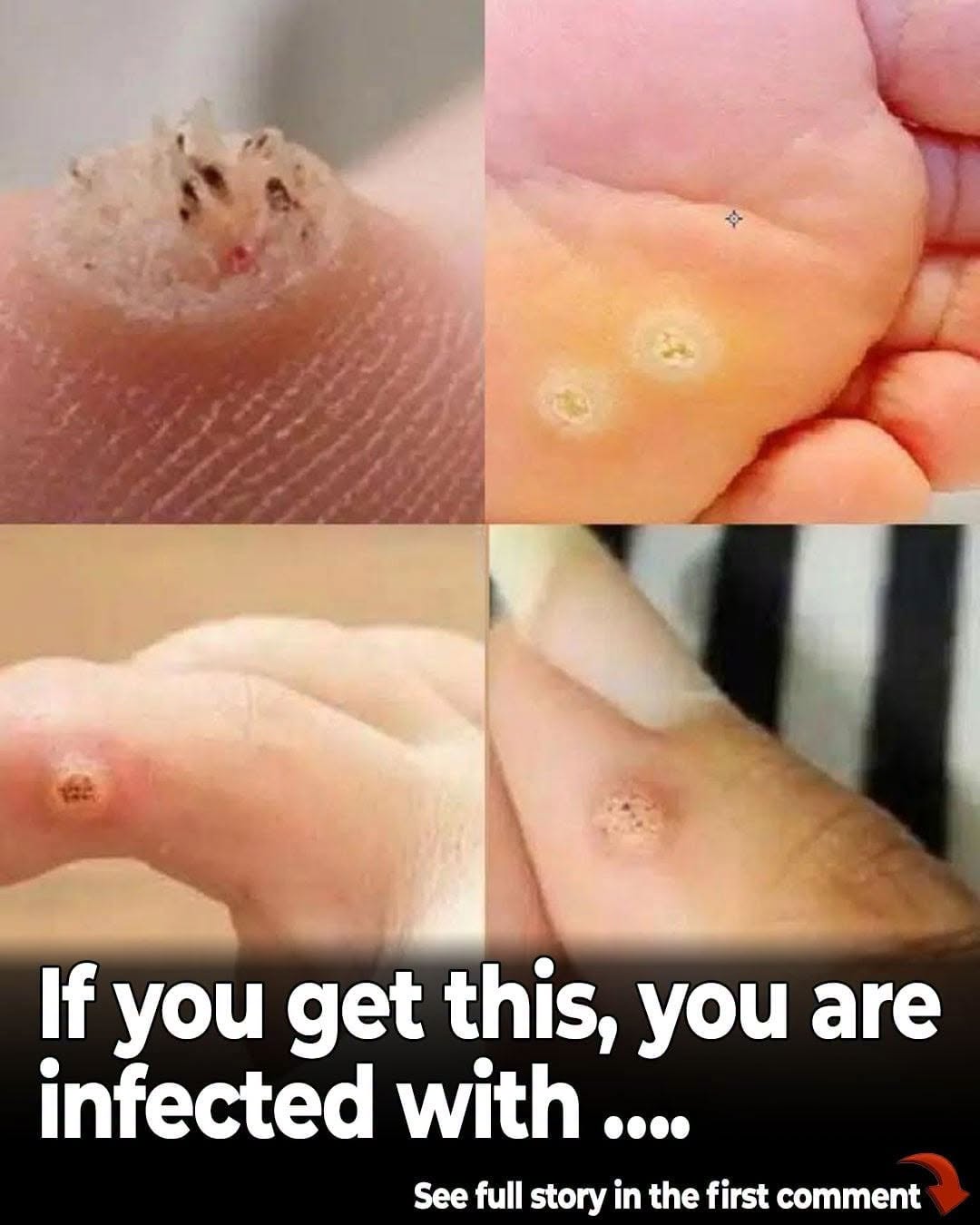
- Rough, raised bumps
- Round or irregular shapes
- Flesh-colored, white, gray, or slightly brown
- Tiny black dots within the wart
Many people mistakenly believe the black dots are “wart seeds.” In reality, they are tiny clotted blood vessels.
Symptoms
Common warts are generally painless but may become tender if located on pressure points or around nails.
Treatment
Most common warts respond well to:
- Salicylic acid treatments
- Cryotherapy (freezing)
- Duct tape therapy
- Laser treatment for stubborn cases
2. Plantar Warts
Where They Appear
Plantar warts develop on the soles of the feet.
What Makes Them Different?
Unlike other warts that grow outward, plantar warts are pushed inward by body weight and pressure from walking.
Symptoms
People often experience:
- Pain while walking
- Feeling like a pebble is stuck in the shoe
- Thickened skin over the wart
- Small black dots in the center
Risk Factors
You may be more likely to develop plantar warts if you:
- Walk barefoot in public locker rooms
- Use communal showers
- Frequently visit swimming pools
Treatment Options
Effective treatments include:
- Salicylic acid patches
- Cryotherapy
- Prescription-strength medications
- Laser removal
- Minor surgical procedures
3. Flat Warts
Where They Appear
Flat warts commonly occur on:
- Face
- Forehead
- Arms
- Hands
- Legs
Appearance
Flat warts are:
- Smaller than common warts
- Smooth and flat-topped
- Slightly raised
- Flesh-colored, yellowish, or brown
Unique Characteristics
Unlike other wart types, flat warts often appear in clusters. A person may develop dozens or even hundreds of them simultaneously.
Symptoms
Flat warts are usually painless but may cause cosmetic concerns due to their visibility.
Treatment
Treatment options include:
- Topical retinoids
- Salicylic acid
- Cryotherapy
- Immune-stimulating creams
4. Filiform Warts
Where They Appear
Filiform warts often develop around:
- Eyelids
- Lips
- Nose
- Neck
- Chin
Appearance
These warts look distinctly different from other types.
They are:
- Long and narrow
- Thread-like
- Finger-like projections
- Flesh-colored
Symptoms
Filiform warts generally do not hurt but may become irritated from shaving, rubbing, or clothing.
Treatment
Because they often occur on the face, professional removal is usually recommended.
Common treatments include:
- Cryotherapy
- Electrosurgery
- Laser treatment
- Surgical trimming by a dermatologist
5. Periungual Warts
Where They Appear
Periungual warts grow:
- Around fingernails
- Under nails
- Around toenails
Symptoms
These warts can cause:
- Nail deformities
- Nail lifting
- Tenderness
- Difficulty trimming nails
Why They Matter
Periungual warts are often difficult to treat because they develop close to the nail matrix, the area responsible for nail growth.
Without treatment, they may permanently affect nail appearance.
Treatment Options
Doctors often recommend:
- Salicylic acid
- Cryotherapy
- Laser therapy
- Combination treatments
6. Mosaic Warts
Where They Appear
Mosaic warts typically form on:
- Soles of the feet
- Palms of the hands
Appearance
Rather than appearing alone, mosaic warts grow as clusters of multiple tiny warts grouped closely together.
The result resembles a mosaic tile pattern.
Symptoms
These warts may:
- Cause discomfort while walking
- Become difficult to treat
- Spread across larger areas
Treatment
Treatment often requires persistence and may include:
- Salicylic acid
- Cryotherapy
- Prescription medications
- Professional removal procedures
Effective Home Remedies for Warts
1. Salicylic Acid
Salicylic acid remains the gold standard for home wart treatment.
How to use it:
- Soak the wart in warm water for 10 minutes.
- Dry thoroughly.
- Apply salicylic acid.
- Allow it to dry completely.
- Repeat daily.
Success often requires several weeks of consistent use.
2. Duct Tape Method
This popular remedy may help stimulate the body’s immune response.
Instructions:
- Cover the wart with duct tape.
- Leave in place for six days.
- Remove tape.
- Soak the wart.
- Gently file away dead skin.
- Repeat the process.
Many people report improvement after several weeks.
3. Apple Cider Vinegar
Apple cider vinegar contains acetic acid, which may gradually destroy wart tissue.
How to use:
- Dilute vinegar slightly if you have sensitive skin.
- Apply with a cotton ball.
- Secure with a bandage overnight.
- Repeat daily.
Stop immediately if severe irritation occurs.
4. Garlic
Garlic contains antiviral compounds that may help combat HPV.
Crush fresh garlic and apply a small amount to the wart before covering it with a bandage.
Medical Treatments for Stubborn Warts
If home remedies fail, medical treatments may be necessary.
Cryotherapy
Liquid nitrogen freezes the wart.
The treated area usually blisters and falls off within one to two weeks.
Electrosurgery
A healthcare provider burns away wart tissue using an electric current.
Laser Therapy
Laser treatment targets blood vessels supplying the wart, causing it to die and eventually disappear.
Immunotherapy
Some treatments stimulate the immune system to attack HPV directly.
When You Should See a Doctor
Seek medical advice if:
- The growth bleeds frequently
- The wart changes color
- It becomes extremely painful
- Home treatment fails after several months
- You have diabetes
- You have poor circulation
- The wart appears on the face or genital area
- You are uncertain whether it is actually a wart
Not every skin growth is a wart. Certain skin cancers and benign skin conditions can resemble warts.
How to Prevent Warts
Reduce your risk by following these simple tips:
- Avoid picking at warts
- Wash hands frequently
- Keep skin moisturized and healthy
- Wear sandals in public showers
- Avoid sharing towels
- Keep cuts and scrapes clean and covered
- Strengthen your immune system through healthy lifestyle habits
Frequently Asked Questions
Are warts contagious?
Yes. Warts can spread through direct contact and contaminated surfaces.
Can warts go away on their own?
Many warts disappear naturally as the immune system clears the virus. This process may take months or even years.
Are warts dangerous?
Most warts are harmless. However, unusual skin growths should always be evaluated if there is any uncertainty.
Why do warts return after treatment?
The visible wart may disappear while the virus remains in surrounding skin, allowing recurrence.
Can adults get warts?
Absolutely. Although children develop them more often, adults can get warts at any age.
Final Thoughts
Warts are one of the most common skin conditions worldwide. While they can be frustrating, they are usually harmless and treatable. Understanding the different types of warts allows you to identify them more accurately and choose the best treatment option.
Whether you prefer a simple home remedy like salicylic acid or require professional treatment from a dermatologist, most warts can be successfully managed with patience and consistency.
The most important rule is simple: if a skin growth changes, bleeds, becomes painful, or looks unusual, seek medical advice. Early evaluation provides peace of mind and ensures that any underlying condition receives proper attention.
Your skin tells a story about your health. Paying attention to it is one of the smartest forms of self-care.
More Blog
- Drinking Water on an Empty Stomach — What Science Actually Supports (No Hype, Just Facts)
- Waking Up Between 3 and 5 AM? It Might Be Your Soul Trying to Talk to You
- What a “Bleach” Patch on Your Underwear Really Means — And Why It’s Actually a Good Sign
- This Drink May Weaken Your Bones From The Inside — But Everyone Drinks It Anyway