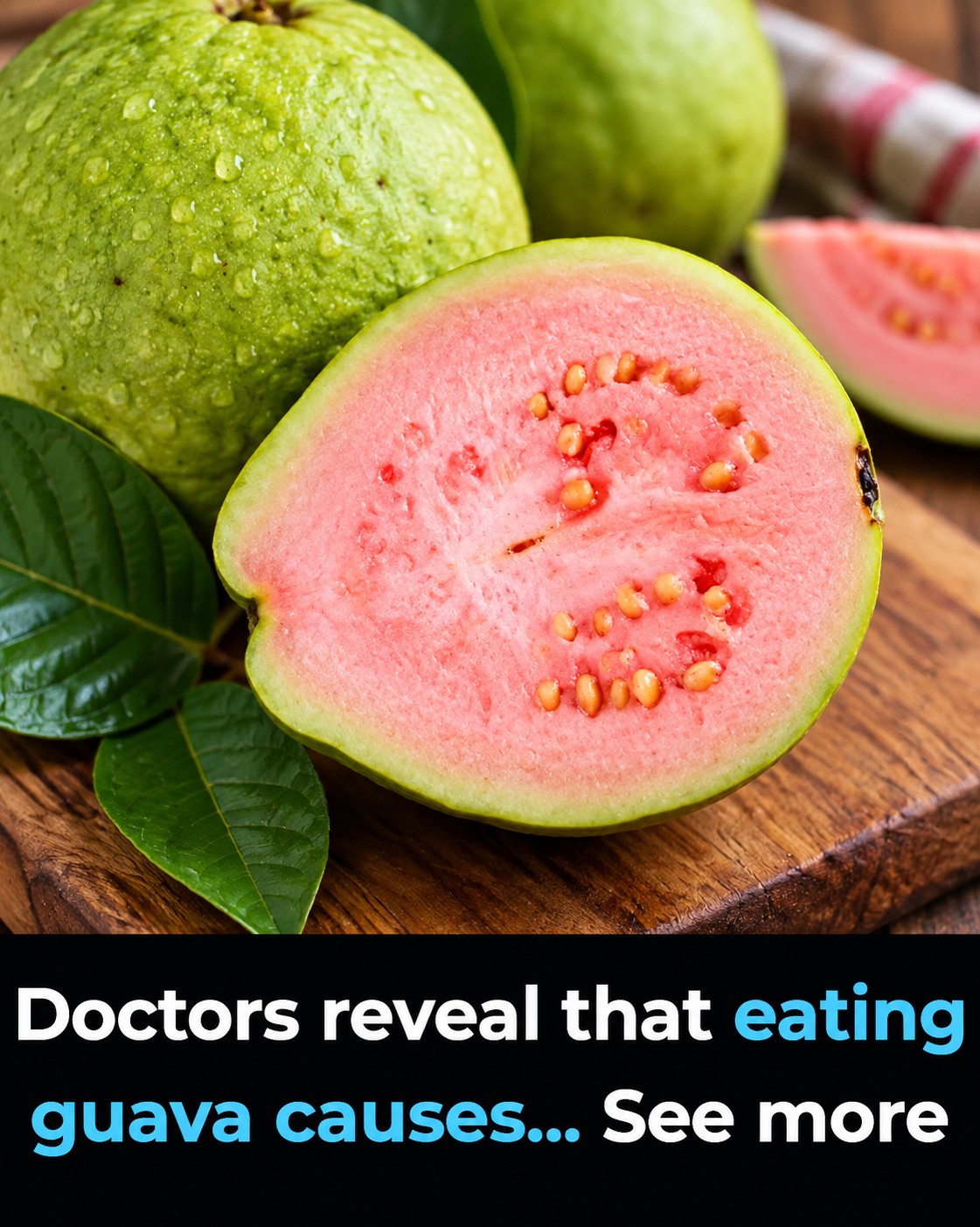
Guava Is Packed With Nutrients — But Here’s What You Should Know Before Eating More because this tropical fruit offers much more than a sweet flavor and fragrant aroma. Guava provides vitamin C, fiber, potassium, folate, and a range of plant compounds in a relatively small serving.
For most people, fresh guava can fit comfortably into a balanced diet. However, eating more does not always mean getting more benefits. Portion size, digestive tolerance, medical conditions, and preparation methods can all change how guava affects the body.
I started paying more attention to guava after seeing it appear more often at local markets and grocery stores. At first, I treated it like an occasional tropical fruit, but its versatility surprised me. I could slice it for a snack, add it to yogurt, or blend it into a smoothie without turning it into a sugary drink. What stood out most was how filling it felt compared with many fruit juices. The natural fiber made a noticeable difference. That simple experience also reinforced an important idea: whole fruit and fruit drinks may come from the same ingredient, but the body does not necessarily respond to them in the same way.
Guava deserves attention, but it should not be treated like a miracle food. Its real value comes from how easily it can add nutrients, fiber, and variety to an everyday eating pattern.
Why Guava Is Considered Such a Nutrient-Dense Fruit
Vitamin C Is One of Guava’s Biggest Strengths
Guava stands out for its impressive vitamin C content.
Vitamin C plays several important roles in the body. It supports normal immune function, contributes to collagen production, and helps protect cells from oxidative stress.
Collagen matters because the body uses it in skin, connective tissues, blood vessels, cartilage, and other structures. Therefore, getting enough vitamin C supports normal maintenance and repair.
Vitamin C also helps the body absorb non-heme iron, which comes from plant foods. For example, eating guava alongside beans, lentils, leafy greens, or other plant-based iron sources may support better iron absorption.
That does not mean eating several guavas will suddenly “boost” immunity in a dramatic way.
The immune system depends on many factors, including overall nutrition, sleep, physical activity, vaccination when appropriate, age, stress, and existing health conditions.
Still, guava can contribute meaningfully to vitamin C intake.
The fruit also provides several antioxidant plant compounds. These compounds help explain why guava frequently appears in discussions about nutrient-rich fruits.
However, isolated nutrients rarely tell the whole story.
Fresh guava works best as part of a varied diet that also includes vegetables, whole grains, legumes, nuts, seeds, and other fruits.
Variety provides a wider range of nutrients than repeatedly eating large amounts of just one food.
Therefore, guava deserves a place in a healthy diet because of its nutrient profile, not because it promises instant or dramatic health changes.
Fiber, Potassium, and Folate Add Even More Value
Guava offers more than vitamin C.
It also provides dietary fiber, which plays an important role in digestive health. Fiber helps support normal bowel movements and can make meals and snacks more satisfying.
Additionally, fiber slows digestion compared with foods that contain mostly refined sugars.
This slower digestion can influence how quickly carbohydrates reach the bloodstream.
Guava also contains potassium.
Potassium helps support normal muscle and nerve function. It also plays an important role in fluid balance and blood pressure regulation.
Many whole fruits and vegetables provide potassium, so guava can contribute to overall intake.
Folate represents another useful nutrient in guava. The body needs folate for normal cell division and DNA production.
This nutrient becomes especially important during periods of rapid growth, including pregnancy.
However, no single fruit should serve as the only source of these nutrients.
Guava contributes to a balanced intake, but it works best alongside other whole foods.
The fruit also contains naturally occurring carbohydrates and sugars.
That does not make it unhealthy.
Instead, it means people who monitor carbohydrate intake should consider the portion they eat, especially if they have diabetes or another condition that affects glucose management.
Ultimately, guava offers a useful combination of fiber, vitamins, minerals, and plant compounds in one naturally sweet food.
How Guava May Affect Digestion and Blood Sugar
Fiber Can Support Digestion but May Cause Discomfort in Large Amounts
Guava contains a meaningful amount of dietary fiber.
For many people, that provides a benefit. Fiber helps move material through the digestive tract and supports regular bowel movements.
It can also contribute to a healthy gut environment because certain fibers feed beneficial intestinal bacteria.
However, suddenly eating large amounts of high-fiber foods can create problems.
Someone who usually eats relatively little fiber may experience gas, bloating, abdominal pressure, or changes in bowel movements after eating a large amount of guava.
This reaction does not automatically mean guava is unhealthy.
Instead, the digestive system may need time to adjust.
Increasing fiber gradually usually offers a more comfortable approach.
For example, someone new to guava might begin with a modest portion rather than several whole fruits at once.
Drinking enough water also matters when increasing fiber intake.
Some people may find the seeds uncomfortable as well. Guava seeds are generally edible, but their firm texture can bother people with certain digestive sensitivities.
There is no nutritional requirement to eat every seed.
If the seeds cause discomfort, you can choose softer varieties, scoop out some of the seeds, or eat smaller portions.
People with diagnosed digestive conditions should follow individualized advice from their healthcare professional.
The key point is moderation.
Guava can support digestive health because of its fiber, but overdoing it can produce exactly the opposite experience.
Whole Guava Usually Makes More Sense Than Sugary Guava Drinks
Guava sometimes appears in claims about controlling blood sugar.
The truth requires more nuance.
Whole guava contains fiber, and fiber helps slow digestion. Therefore, whole fruit may produce a more gradual rise in blood glucose than many refined sweets or sugary drinks.
However, guava still contains carbohydrates.
People with diabetes or prediabetes may need to consider portion size, total carbohydrate intake, medications, physical activity, and the rest of the meal.
The preparation method matters as well.
Whole guava keeps most of its natural fiber intact.
Juicing changes that.
When people strain or remove the pulp, they remove much of the fiber. At the same time, drinking juice makes it easy to consume the equivalent of several pieces of fruit quickly.
That can deliver a larger amount of carbohydrate in a shorter period.
Added sugar creates another issue.
Commercial guava drinks, nectars, and flavored beverages may contain substantial amounts of added sugar. Therefore, a sweetened guava drink can have a very different nutritional profile from fresh guava.
Smoothies fall somewhere in between.
If you blend the whole fruit and keep the pulp, more fiber remains. However, large smoothies can still contain several servings of fruit and a substantial amount of carbohydrate.
For that reason, portion awareness remains useful.
Whole fresh guava usually provides the simplest and most balanced option.
When Guava May Require a Little More Caution
Kidney Disease, Diabetes, and Digestive Conditions Can Change the Picture
A food can be nutritious and still require special consideration for some people.
Guava contains potassium, which benefits many healthy adults. However, people with certain stages of kidney disease may need to limit potassium.
When the kidneys cannot remove potassium efficiently, levels can build up in the blood.
Therefore, someone following a low-potassium diet should not assume that eating large amounts of guava is automatically safe simply because fruit is generally considered healthy.
Diabetes also requires individual consideration.
Whole guava can fit into many diabetes-friendly eating patterns, but the amount eaten matters because the fruit contains carbohydrates.
Someone who uses insulin or certain blood glucose-lowering medications may need to match carbohydrate intake with their treatment plan.
Digestive conditions create another consideration.
People with irritable bowel symptoms, inflammatory bowel conditions, or other gastrointestinal problems may react differently to high-fiber foods.
In some cases, the seeds or fiber may worsen symptoms.
Therefore, the best portion can vary widely from person to person.
This does not make guava dangerous.
It simply means that nutrition advice should account for individual health conditions.
A person with no dietary restrictions may comfortably enjoy guava regularly, while someone on a medically prescribed diet may need a smaller serving or a different fruit.
Allergies and Guava Leaf Products Deserve Separate Attention
Guava allergies appear to be uncommon, but they can occur.
Possible symptoms may include itching, hives, swelling, vomiting, wheezing, or difficulty breathing.
Severe allergic reactions require urgent medical attention.
Anyone who notices repeated symptoms after eating guava should stop eating it until they can discuss the reaction with a qualified healthcare professional.
Guava leaves represent a separate topic.
People sometimes use guava leaves in teas, extracts, or traditional preparations. Researchers have studied compounds found in guava leaves, but that research does not make every homemade remedy safe or effective.
The fruit and the leaf should not automatically be treated as interchangeable.
Herbal products can contain concentrated plant compounds, and those compounds may interact with medications or affect certain health conditions.
Therefore, someone who regularly drinks guava leaf tea or uses guava leaf supplements should mention that habit to their healthcare professional, especially if they also take prescription medications.
“Natural” does not guarantee harmlessness.
The safest approach is simple.
Enjoy the fruit as food. Treat concentrated herbal products with more caution.
That distinction helps people get the benefits of guava without assuming that every part of the plant should be used like medicine.
How to Enjoy Guava Without Overdoing It
Simple Preparation Usually Works Best
Fresh guava needs very little preparation.
Wash the fruit thoroughly before cutting or eating it.
Depending on the variety, you can eat the peel, flesh, and seeds. Some varieties have a softer texture, while others feel firmer and crunchier.
Slice guava and eat it on its own for a simple snack.
You can also add it to plain yogurt, oatmeal, fruit salads, or cottage cheese.
Pairing guava with protein or healthy fat can create a more filling snack.
For example, guava with plain yogurt or a small handful of nuts combines fruit carbohydrates with protein and fat.
You can also blend guava into a smoothie while keeping the pulp.
However, avoid automatically adding large amounts of honey, syrup, or sugar.
Guava already provides natural sweetness.
Another simple approach involves adding sliced guava to savory meals.
The fruit can pair well with leafy greens, citrus, avocado, herbs, and mild cheeses.
The goal does not need to involve complicated recipes.
Simple preparation preserves the fruit’s natural flavor and keeps added sugar under control.
Fresh guava also differs greatly from guava candy, sweetened preserves, pastries, and sugary drinks.
Those foods may still contain guava, but their nutritional profile can change dramatically because of added sugar and refined ingredients.
Moderation and Variety Offer the Most Practical Approach
Eating one nutritious fruit every day can sound appealing, but dietary variety provides a wider range of nutrients and plant compounds.
Instead of eating large amounts of guava because you heard it offers health benefits, rotate it with other fruits.
Berries provide different plant compounds.
Citrus fruits offer vitamin C and other nutrients.
Apples contribute fiber and various phytochemicals.
Papaya, kiwi, melon, pears, and other fruits add further variety.
This approach prevents nutrition from becoming overly focused on a single “superfood.”
Moderation also helps reduce digestive discomfort.
A modest serving of guava may provide plenty of vitamin C and fiber without overwhelming the digestive system.
Additionally, balance the fruit with the rest of your diet.
If breakfast already contains several servings of fruit, adding more guava juice may not improve the meal as much as adding protein or whole grains.
Likewise, someone with diabetes may find a smaller portion paired with protein easier to fit into a meal plan.
There is no universal amount of guava that everyone must eat.
Your overall diet, health status, appetite, medications, and activity level all matter.
Guava can certainly be part of a healthy eating pattern, but it does not need to dominate one.
Frequently Asked Questions
Is it safe to eat guava every day?
For many healthy people, eating guava regularly can fit into a balanced diet. However, portion size and variety still matter. People with kidney disease, diabetes, digestive conditions, or food allergies may need individualized guidance.
Can eating too much guava cause stomach problems?
Yes. Because guava contains plenty of fiber, eating a large amount at once may cause gas, bloating, cramping, or changes in bowel movements. Gradually increasing fiber and drinking enough fluids may help reduce discomfort.
Is guava good for people with diabetes?
Whole guava can fit into many diabetes-friendly eating patterns because it contains fiber. However, it still contains carbohydrates, so portion size matters. Individual needs vary, especially for people who use insulin or glucose-lowering medication.
Are guava seeds safe to eat?
For most people, guava seeds are edible. However, some people dislike their texture or find them uncomfortable to digest. You do not need to eat the seeds if they cause discomfort.
Is guava juice as healthy as whole guava?
Usually not. Whole guava provides more intact fiber and tends to be more filling. Juice may contain less fiber and can make it easier to consume a large amount of fruit sugar quickly. Sweetened guava drinks may also contain added sugar.
Conclusion
Guava Is Packed With Nutrients — But Here’s What You Should Know Before Eating More comes down to one simple idea: a healthy food still works best in the right amount and context.
Guava provides vitamin C, fiber, potassium, folate, and a variety of useful plant compounds. Its fiber can support digestion and make the fruit satisfying, while its vitamin C contributes to normal immune function, collagen production, and iron absorption.
However, eating more does not automatically create greater benefits.
Large portions may cause digestive discomfort. People with kidney disease may need to monitor potassium, while people with diabetes may need to consider carbohydrate portions. Guava leaf products also deserve more caution than the fruit itself because concentrated herbal preparations can affect the body differently.
For most people, fresh whole guava offers the simplest choice.
Eat it on its own, add it to yogurt or oatmeal, include it in fruit salads, or blend it while keeping the pulp. At the same time, limit heavily sweetened guava drinks and desserts if your goal is to get the most nutritional value from the fruit.
Guava does not need dramatic promises to be worthwhile. Its combination of flavor, fiber, vitamins, minerals, and versatility already makes it a valuable addition to a varied and balanced diet.
More Blog
- Drinking Water on an Empty Stomach — What Science Actually Supports (No Hype, Just Facts)
- Waking Up Between 3 and 5 AM? It Might Be Your Soul Trying to Talk to You
- What a “Bleach” Patch on Your Underwear Really Means — And Why It’s Actually a Good Sign
- This Drink May Weaken Your Bones From The Inside — But Everyone Drinks It Anyway