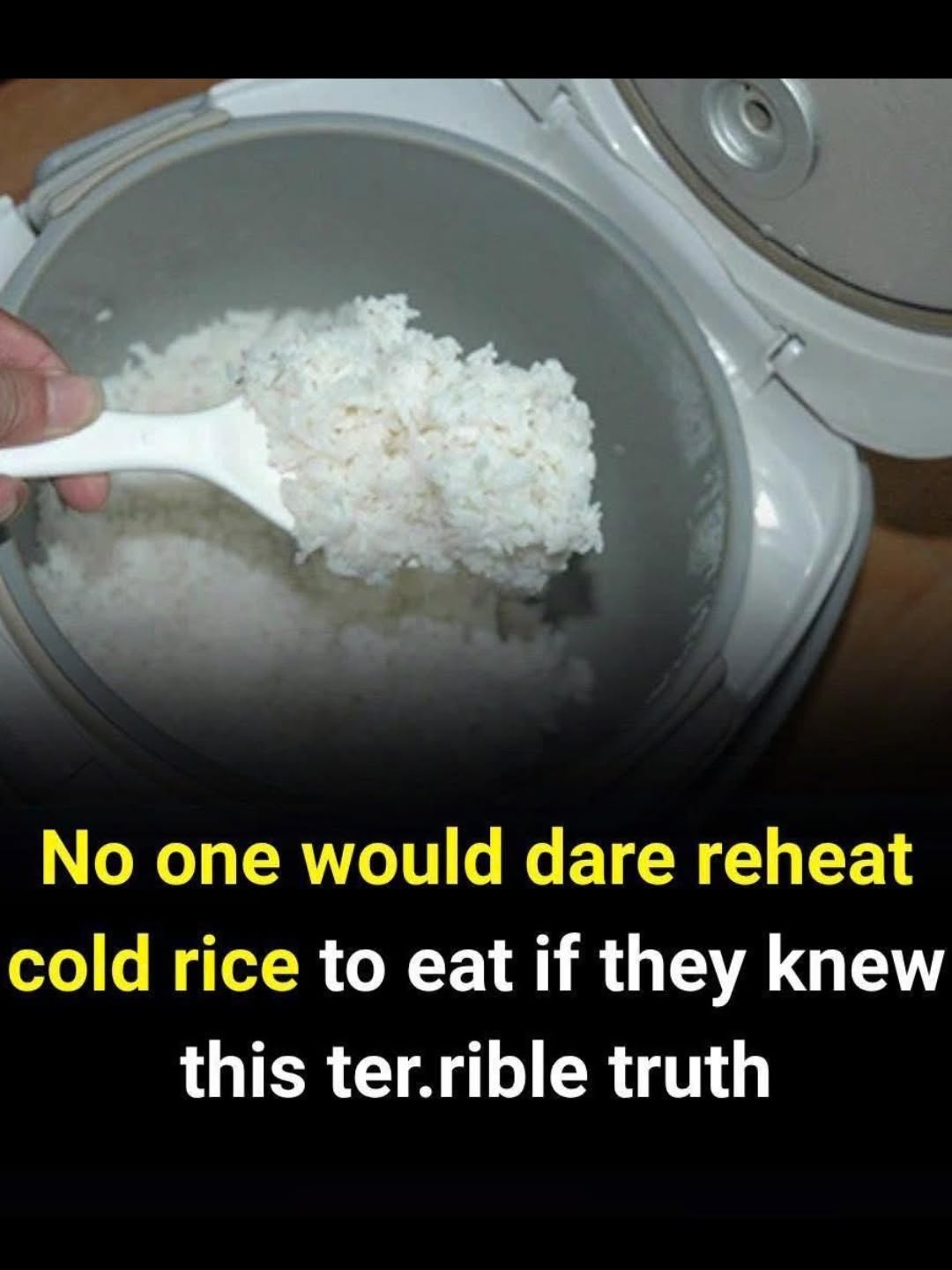
Everyone Needs to Pay Attention When Reheating Cold Rice because the biggest food-safety risk often starts before the rice ever reaches the microwave or skillet. Cooked rice can contain spores of Bacillus cereus, a bacterium associated with foodborne illness. Cooking can kill many bacteria, yet its spores may survive. If cooked rice then sits too long at unsafe temperatures, those spores can grow and some strains can produce toxins.
Fortunately, leftover rice can still make an excellent quick meal when you cool, refrigerate, store, and reheat it correctly. The process does not require special equipment. Instead, you need prompt refrigeration, a covered container, clean utensils, and thorough reheating.
Cold rice works beautifully in fried rice, grain bowls, soups, casseroles, or as a simple side. However, reheating does not undo unsafe storage. Therefore, the key question is not simply whether your rice becomes hot again. You also need to know how long it sat out before refrigeration and how long you stored it afterward.
I learned to pay much closer attention to leftover rice after preparing a large pot for dinner and leaving the extra portion on the counter while I cleaned the kitchen. I had always assumed that reheating it thoroughly the next day would solve any problem. Later, I learned that rice requires the same careful time and temperature control as other perishable leftovers. Since then, I divide extra rice into shallow containers soon after the meal, refrigerate it promptly, and reheat only the amount I plan to eat. The routine takes almost no extra effort, yet it makes leftover rice easier to use and gives me much more confidence about serving it.
Why Reheating Cold Rice Requires Extra Attention
Everyone Needs to Pay Attention When Reheating Cold Rice because rice presents a slightly different problem from foods that simply become contaminated after cooking. Bacillus cereus can exist as spores in raw rice, and those spores can survive normal cooking temperatures. FDA materials identify boiled and fried rice among foods that have been linked to B. cereus food poisoning.
That fact does not mean rice is inherently dangerous. Instead, temperature control determines much of the risk.
Bacillus Cereus Can Survive the Cooking Process
Bacillus cereus commonly occurs in soil and can appear in many raw and processed foods. Its spores tolerate conditions that kill many ordinary bacterial cells. Therefore, boiling rice does not guarantee that every spore disappears.
Problems can begin after cooking if rice stays warm or at room temperature for too long. Under favorable conditions, surviving spores can germinate and bacteria can multiply.
Some strains can also produce cereulide, a toxin associated with vomiting-type B. cereus illness. Importantly, FDA information notes that this preformed toxin resists heat. Therefore, reheating improperly stored rice may kill some bacterial cells without necessarily eliminating toxin that has already formed.
That distinction explains why the safest approach starts with storage rather than reheating.
Everyone Needs to Pay Attention When Reheating Cold Rice because a microwave cannot reverse several hours of poor temperature control.
Instead, refrigerate leftovers promptly. USDA guidance recommends refrigerating perishable leftovers within two hours, or within one hour when the surrounding temperature exceeds 90°F. Food left out beyond those limits should be discarded.
Therefore, do not leave a pot of cooked rice sitting on the counter all evening simply because you plan to heat it again tomorrow.
Smell and Appearance Cannot Confirm Safety
Rice can look completely normal even when unsafe handling has allowed bacteria to grow.
You may not see discoloration, mold, or another obvious warning sign. Likewise, the rice may smell perfectly ordinary.
Therefore, rely on time and temperature rather than your senses alone.
If you cannot remember how long cooked rice remained unrefrigerated, taking a cautious approach makes more sense than tasting it to decide.
Never taste questionable food as a safety test.
Everyone Needs to Pay Attention When Reheating Cold Rice because foodborne illness does not always announce itself through bad smells or visible spoilage.
A simple habit can eliminate much of the guesswork: put leftover rice into the refrigerator soon after serving the meal.
Use clean containers and mark the date when necessary. This method becomes particularly useful when several leftovers accumulate in the refrigerator at once.
USDA guidance generally recommends using safely refrigerated leftovers within three to four days.
If you know you will not use the rice within that period, freezing provides a practical alternative.
How to Cool and Store Cooked Rice Safely
Everyone Needs to Pay Attention When Reheating Cold Rice, but proper cooling makes the later reheating step much safer and easier.
Large quantities of hot food cool more slowly than smaller portions. Therefore, dividing leftover rice into manageable containers helps it move through warmer temperatures more quickly.
You do not need to leave rice on the counter until it reaches room temperature before refrigeration.
Refrigerate Leftovers Promptly
After serving dinner, transfer extra rice into clean storage containers rather than leaving the entire pot out for several hours.
Shallow containers work especially well because they spread the rice into a thinner layer.
Then, refrigerate the rice within the recommended two-hour window. When temperatures exceed 90°F, reduce that limit to one hour.
This rule becomes particularly important during outdoor meals, picnics, summer gatherings, and hot kitchen conditions.
Everyone Needs to Pay Attention When Reheating Cold Rice because delaying refrigeration gives surviving microorganisms more time to grow.
Avoid repeatedly taking one large container of rice out of the refrigerator, serving some, and returning it again. Instead, remove only the portion you need.
Also, use clean serving utensils. Cross-contamination can introduce additional bacteria to cooked food after preparation.
Store rice tightly covered once it has cooled sufficiently in the refrigerator.
A sealed container also protects the rice from drying out and absorbing strong odors from nearby foods.
Finally, write the storage date on the lid if you tend to forget when you cooked it.
These small habits require very little effort, yet they simplify food-safety decisions later.
Freeze Rice When You Cannot Use It Quickly
Freezing provides a useful option when you cook large batches.
Portion the rice into freezer-safe containers or bags so you can thaw only what you need.
Flattening bags of rice can save freezer space and help portions freeze and thaw efficiently.
When you want to use frozen rice, thaw it safely in the refrigerator or reheat it directly using a suitable cooking method.
USDA identifies the refrigerator, cold water, and microwave as safe ways to thaw leftovers. If you thaw leftovers in a microwave, continue heating them until they reach 165°F.
Everyone Needs to Pay Attention When Reheating Cold Rice even when the rice has been frozen because the final reheating temperature still matters.
Freezing pauses bacterial growth, but it does not sterilize food.
Therefore, handle thawed rice as you would any other perishable leftover.
Avoid thawing rice on the counter for extended periods.
Instead, plan ahead and move the container to the refrigerator the night before, or use a microwave when you need a faster option.
Once thawed, use clean utensils and keep the rice refrigerated until you are ready to heat it.
How to Reheat Cold Rice Safely
Everyone Needs to Pay Attention When Reheating Cold Rice because reheating should bring leftovers to a safe temperature throughout, not simply make the surface warm.
USDA recommends reheating leftovers to an internal temperature of at least 165°F.
A food thermometer gives you the most reliable confirmation.
Reheat Rice in the Microwave
The microwave offers the fastest method.
Place the cold rice in a microwave-safe bowl. Break up large clumps with a fork so heat can distribute more evenly.
Add a small splash of water to help restore moisture.
Then, cover the bowl loosely with a microwave-safe lid or plate.
Heat the rice in intervals, stirring between each interval.
Stirring matters because microwaves can create hot and cold spots.
USDA specifically recommends covering and stirring or rotating leftovers during microwave reheating so the food heats more evenly.
Continue heating until the rice reaches at least 165°F throughout.
Check more than one location, particularly when reheating a large portion.
Everyone Needs to Pay Attention When Reheating Cold Rice because a steaming edge does not guarantee that the center has reached the same temperature.
After heating, allow a short standing period so heat can continue distributing through the food.
Then, serve immediately.
Do not repeatedly warm and cool the same container throughout the day. Portioning only what you need provides a simpler approach.
Reheat Rice on the Stove or in a Skillet
The stovetop works especially well when you want better texture.
Place the rice in a saucepan or skillet and add a small amount of water, broth, or another appropriate liquid.
Cover the pan and heat over medium-low to medium heat.
Stir frequently so the bottom does not burn and the heat reaches the center.
Continue cooking until the rice becomes piping hot and reaches at least 165°F.
For fried rice, heat the skillet thoroughly and cook the cold rice with your chosen vegetables, protein, and seasonings.
However, starting with cold rice does not eliminate food-safety requirements. The rice still needs to have been refrigerated correctly before you use it.
Everyone Needs to Pay Attention When Reheating Cold Rice because frying unsafe rice does not turn it back into safely stored food.
USDA also advises against using slow cookers, steam tables, or chafing dishes to reheat leftovers because food can remain in the temperature danger zone for too long.
Use the stovetop, oven, or microwave instead.
Common Rice Safety Mistakes and Better Habits
Everyone Needs to Pay Attention When Reheating Cold Rice because several common kitchen habits can increase risk without seeming unusual.
The good news is that each mistake has a straightforward alternative.
You do not need to become anxious about leftovers. Instead, build a few automatic habits into meal cleanup.
Do Not Leave Cooked Rice Out Overnight
Leaving rice on the stove or countertop until the next morning creates unnecessary risk.
Even if the room feels cool, it usually does not maintain proper refrigeration temperatures.
Therefore, refrigerate leftovers promptly.
If rice has already remained unrefrigerated beyond recommended limits, reheating should not become the rescue plan. Discarding it provides the safer choice.
Everyone Needs to Pay Attention When Reheating Cold Rice because heat-stable toxin may remain even after reheating in situations where toxin has already formed.
Another common mistake involves assuming that rice cookers make cooked rice safe indefinitely.
A rice cooker can keep rice hot when it maintains an appropriate holding temperature. However, once the rice cools into unsafe temperature ranges, ordinary time-and-temperature rules apply.
Similarly, do not place a large pot of warm rice on the counter for several hours because you believe hot food must cool completely before refrigeration.
Divide the rice into smaller portions and refrigerate it promptly.
Finally, avoid storing forgotten rice for a week and then trying to judge it by smell.
Follow the three-to-four-day refrigerator guideline for leftovers instead.
Build an Easy Leftover Rice Routine
A reliable routine removes uncertainty.
After dinner, decide immediately whether you will keep the remaining rice.
If yes, divide it into shallow containers.
Refrigerate those containers promptly.
Write the date on the lid when helpful.
Then, plan to use the rice within three to four days or freeze it for longer storage.
When you want a serving, remove only the amount you plan to eat.
Heat that portion thoroughly to 165°F and serve it immediately.
Everyone Needs to Pay Attention When Reheating Cold Rice, yet these steps quickly become second nature.
You can also intentionally cook extra rice for future meals as long as you cool and store it properly.
Cold refrigerated rice works particularly well for fried rice because the grains become firmer after chilling.
Therefore, good food-safety habits can actually make meal preparation more convenient.
Cook once, store correctly, and transform the leftovers into a completely different meal the next day.
Frequently Asked Questions
Can I safely eat rice the next day?
Yes, when you cooled and refrigerated the rice promptly after cooking. Store it properly in the refrigerator and use leftovers within the recommended storage period. When reheating, bring the rice to at least 165°F throughout.
Why can reheated rice cause food poisoning?
Raw rice can carry Bacillus cereus spores that survive cooking. If cooked rice remains at unsafe temperatures long enough, bacteria can grow and some strains can produce toxins. Reheating cannot reliably correct every problem caused by improper storage, particularly when heat-resistant toxin has already formed.
How long can cooked rice stay at room temperature?
USDA guidance recommends refrigerating perishable leftovers within two hours, or within one hour when temperatures exceed 90°F. Discard food that remains out beyond those limits.
What temperature should reheated rice reach?
Reheated leftovers should reach at least 165°F throughout. Use a food thermometer when possible, and check more than one spot because microwave heating can create uneven temperatures.
Can I freeze leftover rice?
Yes. Freezing properly handled rice offers a convenient way to store portions you will not use within a few days. Thaw leftovers safely in the refrigerator, cold water, or microwave. When microwave-thawing leftovers, continue heating them to 165°F.
Conclusion
Everyone Needs to Pay Attention When Reheating Cold Rice because safe leftovers begin with proper storage, not with the final blast of heat.
Cooked rice can contain surviving Bacillus cereus spores. If rice stays unrefrigerated for too long, bacteria can multiply and some strains can produce toxin. Therefore, simply reheating questionable rice does not guarantee safety.
Fortunately, the safer routine remains simple.
Refrigerate leftover rice within two hours, or within one hour during very hot conditions. Store it properly, use refrigerated leftovers within three to four days, and freeze extra portions when you need longer storage.
When reheating, use a microwave, stovetop, or oven and bring the rice to at least 165°F throughout. Stir microwave portions so they heat evenly, and check several areas whenever possible.
With those habits in place, leftover rice can remain one of the most convenient ingredients in your kitchen. Use it for fried rice, bowls, soups, or simple sides without unnecessary worry.
The key is straightforward: cool it promptly, refrigerate it correctly, store it for a reasonable period, and reheat it thoroughly.
WP Recipe Maker JSON Import
{
  "title": "Safe Reheated Leftover Rice",
  "summary": "A simple method for reheating properly refrigerated leftover rice until hot and evenly heated throughout.",
  "notes": "Only reheat rice that was refrigerated promptly after cooking. USDA recommends refrigerating perishable leftovers within 2 hours, or within 1 hour when temperatures exceed 90°F. Reheat leftovers to an internal temperature of at least 165°F. Discard rice that was left at room temperature beyond safe limits.",
  "ingredients_flat": [
    { "amount": "2", "unit": "cups", "name": "properly refrigerated cooked rice" },
    { "amount": "2", "unit": "tbsp", "name": "water" }
  ],
  "instructions_flat": [
    {
      "name": "Step 1",
      "text": "Remove only the amount of properly refrigerated rice that you plan to serve.",
      "summary": "",
      "image_url": ""
    },
    {
      "name": "Step 2",
      "text": "Place the rice in a microwave-safe bowl and break apart large clumps with a fork.",
      "summary": "",
      "image_url": ""
    },
    {
      "name": "Step 3",
      "text": "Sprinkle the water evenly over the rice to help restore moisture.",
      "summary": "",
      "image_url": ""
    },
    {
      "name": "Step 4",
      "text": "Cover the bowl loosely with a microwave-safe lid or plate.",
      "summary": "",
      "image_url": ""
    },
    {
      "name": "Step 5",
      "text": "Microwave in short intervals, stirring thoroughly between intervals so the rice heats evenly.",
      "summary": "",
      "image_url": ""
    },
    {
      "name": "Step 6",
      "text": "Continue heating until the rice reaches an internal temperature of at least 165°F throughout.",
      "summary": "",
      "image_url": ""
    },
    {
      "name": "Step 7",
      "text": "Allow the rice to stand briefly after reheating, then serve immediately.",
      "summary": "",
      "image_url": ""
    }
  ],
  "equipment": [
    { "name": "Microwave-safe bowl", "notes": "" },
    { "name": "Microwave-safe lid or plate", "notes": "" },
    { "name": "Fork or spoon", "notes": "" },
    { "name": "Food thermometer", "notes": "" },
    { "name": "Microwave", "notes": "" }
  ],
  "nutrition": {
    "calories": "205 kcal",
    "carbohydrates": "45 g",
    "protein": "4 g",
    "fat": "0.4 g",
    "saturated_fat": "0.1 g",
    "polyunsaturated_fat": "0.1 g",
    "monounsaturated_fat": "0.1 g",
    "trans_fat": "0 g",
    "cholesterol": "0 mg",
    "sodium": "2 mg",
    "potassium": "55 mg",
    "fiber": "1 g",
    "sugar": "0.1 g",
    "vitamin_a": "0 IU",
    "vitamin_c": "0 mg",
    "calcium": "16 mg",
    "iron": "2 mg"
  },
  "tags": {
    "course": ["Side Dish"],
    "cuisine": ["American"],
    "keyword": ["Everyone Needs to Pay Attention When Reheating Cold Rice", "reheating cold rice", "leftover rice safety", "how to reheat rice safely", "Bacillus cereus rice"]
  }
}
SEO Output
Focus Keyword
Everyone Needs to Pay Attention When Reheating Cold Rice
SEO Title
Everyone Needs to Pay Attention When Reheating Cold Rice Safely
Meta Description
Everyone Needs to Pay Attention When Reheating Cold Rice. Learn safe cooling, storage, and reheating steps to reduce food poisoning risk.
Expert SEO Title
Everyone Needs to Pay Attention When Reheating Cold Rice: 7 Essential Rules
Midjourney Prompt
Realistic food photography of freshly reheated white rice steaming in a clean ceramic bowl beside a sealed glass container of chilled leftover rice, food thermometer visible near the bowl, subtle microwave and refrigerator context in a bright modern home kitchen, clean hygienic surfaces, realistic individual rice grains, warm natural window light, educational food safety atmosphere without warning symbols or text, uncluttered neutral background, vertical composition, generous negative space at the top for text overlay, polished Pinterest food and kitchen safety photography –v 6 –ar 2:3
More Blog
- Drinking Water on an Empty Stomach — What Science Actually Supports (No Hype, Just Facts)
- Waking Up Between 3 and 5 AM? It Might Be Your Soul Trying to Talk to You
- What a “Bleach” Patch on Your Underwear Really Means — And Why It’s Actually a Good Sign
- This Drink May Weaken Your Bones From The Inside — But Everyone Drinks It Anyway