What Really Happens When Bed Bugs Invade Your Home? The Warning Signs You Should Never Ignore becomes an important question the moment mysterious bites, dark mattress spots, or sleepless nights begin appearing. Bed bugs are small, reddish-brown insects that feed on blood, usually while people sleep. Although they do not spread disease to humans, they can cause itching, anxiety, sleep problems, and significant disruption inside the home.
Many infestations go unnoticed at first because bed bugs hide extremely well. They can squeeze into mattress seams, box springs, bed frames, headboards, furniture joints, cracks, and other narrow spaces near sleeping areas. Consequently, people may see skin irritation before they ever spot a live insect.
Bed bug bites also affect people differently. One person may develop obvious itchy bumps while another person in the same bed shows no visible reaction at all. That variability means bites alone cannot confirm an infestation, so homeowners need to look for physical evidence around the sleeping area.
I remember hearing about a family who first blamed a new laundry detergent when itchy marks began appearing after sleep. They changed soaps, washed the bedding, and still woke up uncomfortable. Only after inspecting the mattress seams carefully did they notice tiny dark spots and shed skins near the headboard. The experience showed how easily people can overlook the real warning signs when they focus only on the bites. Once you understand what bed bugs leave behind, however, an infestation becomes much easier to recognize and address.
What Really Happens When Bed Bugs Enter a Home
How Bed Bugs Feed, Hide, and Spread
Bed bugs belong to the Cimex group of insects and survive by feeding on blood. They usually become active at night, although hunger and opportunity can affect when they feed. Adult bed bugs have flat bodies and a reddish-brown appearance, and the CDC notes that they can range from about 1 to 7 millimeters in size.
After feeding, bed bugs typically retreat to protected hiding places. They often stay close to beds because that gives them reliable access to sleeping hosts. Common locations include mattress seams, box springs, headboards, bed frames, bedside furniture, cracks, and crevices.
Bed bugs do not fly, but they spread effectively by hitchhiking. They can travel on luggage, clothing, bedding, boxes, and furniture, which explains why infestations can move between hotels, homes, apartments, dormitories, and other places where people sleep.
Importantly, having bed bugs does not mean a home is dirty. The CDC states that cleanliness does not determine whether bed bugs are present. A spotless hotel room or well-maintained home can still develop an infestation if the insects arrive on personal belongings or furniture.
That ability to hide and travel makes early detection especially valuable. The sooner someone identifies an infestation, the easier it generally becomes to limit its spread and begin an effective control plan.
What Bed Bug Bites Can Do to Your Skin
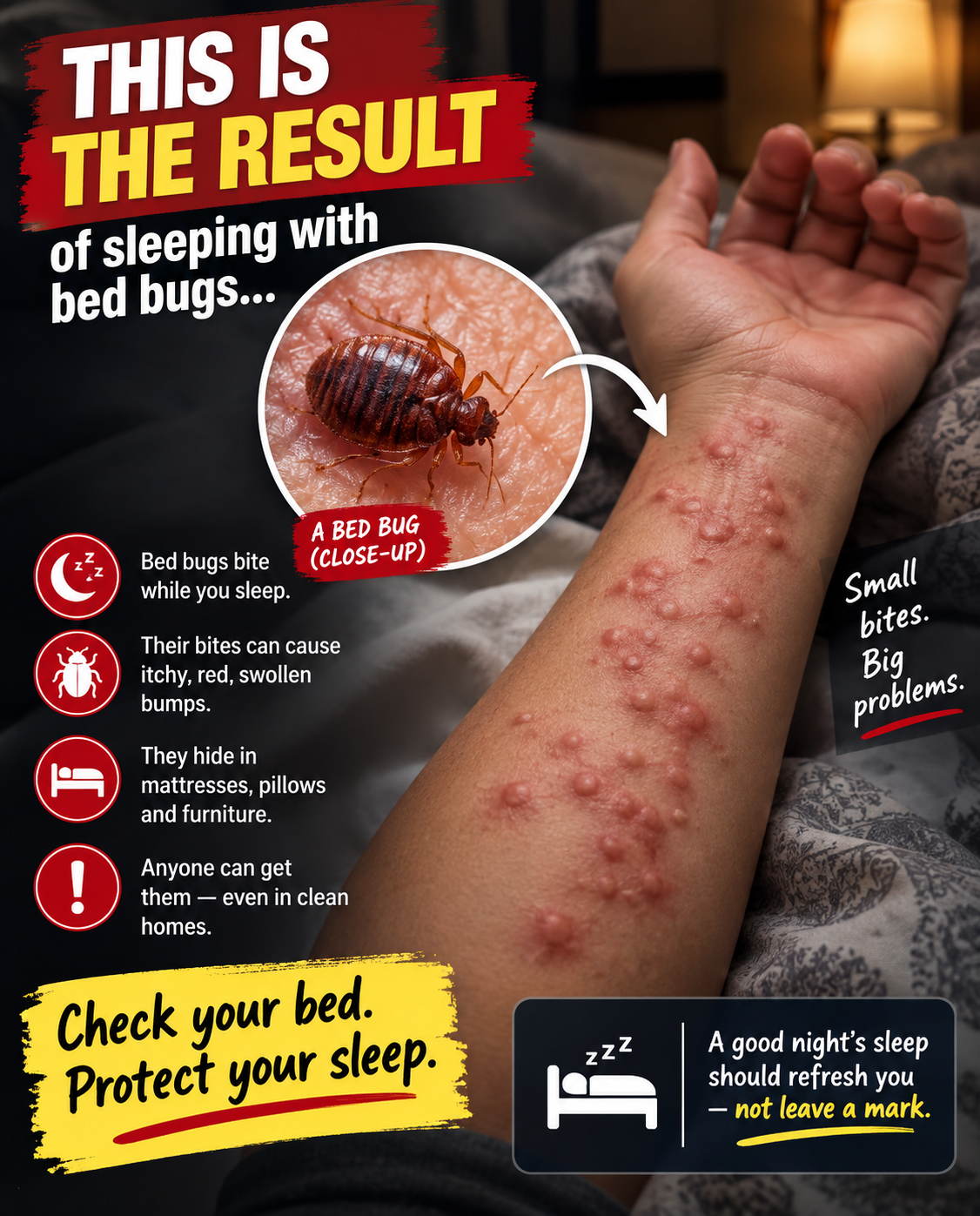
Bed bug bites often resemble bites from mosquitoes or fleas. They may appear as red, slightly swollen, itchy marks, and they can develop randomly or in a line. However, some people show no visible signs after being bitten.
The reaction may not appear immediately. According to the CDC, bite marks can take from one to several days to become noticeable, and in some people they may take even longer. This delay can make it difficult to connect the skin reaction with the location where the bites occurred.
Itching often creates the biggest physical problem. Repeated scratching can damage the skin and may lead to a secondary skin infection. In rare cases, people can also experience stronger allergic reactions that may require medical attention.
However, bed bugs are not known to spread diseases to humans. That distinction matters because the appearance of multiple bites can look alarming. The main concerns usually involve itching, skin irritation, loss of sleep, allergic reactions, and the emotional burden of living with an infestation.
Because other insects and skin conditions can create similar-looking marks, people should avoid diagnosing bed bugs based on bites alone. Physical evidence inside the sleeping area provides stronger confirmation.
The Warning Signs of a Bed Bug Infestation
What to Look for Around Mattresses and Furniture
The most reliable warning signs often appear around the places where people sleep. The EPA recommends checking for rusty or reddish stains on sheets and mattresses, which can occur when bed bugs get crushed. Tiny dark spots can also appear from bed bug waste and may bleed into fabric like ink.
Shed skins offer another clue. Young bed bugs molt as they grow, leaving pale exoskeletons behind. Eggs and eggshells can also appear in hiding places, although their tiny size makes them difficult to notice without careful inspection.
Look closely along mattress piping, seams, and tags. Then inspect the box spring, bed frame, headboard, nearby furniture, and cracks around the bed. These areas provide narrow protected spaces where bed bugs can remain hidden during the day.
You may also find live insects. Adult bed bugs have a flat oval shape and a reddish-brown color, while younger bugs can look smaller and lighter. Spotting even one possible bed bug deserves further investigation.
A flashlight can make inspection easier. However, if you find an insect and feel uncertain about its identity, collect a sample safely and have a pest professional or local extension expert identify it before beginning treatment. The EPA specifically recommends confirming the pest rather than guessing.
Why Bites Alone Can Be Misleading
Many people first suspect bed bugs after waking with itchy marks. However, the CDC emphasizes that bites can look similar to those caused by mosquitoes or fleas. Some people also fail to react visibly, which means two people exposed to the same infestation can look completely different.
This variability can create confusion. A person with numerous red bumps may assume a severe infestation exists, while another person may see no bites and incorrectly conclude that the home is clear. Neither assumption provides reliable proof.
Instead, combine skin symptoms with environmental evidence. Look for stains, dark spots, eggs, cast skins, and live insects. The stronger the physical evidence, the easier it becomes to identify the true problem.
You should also consider timing. Bed bugs usually feed around sleeping areas, so recurring skin irritation after spending the night in a particular room can raise suspicion. Still, only a proper inspection can establish whether bed bugs are actually present.
If the skin reaction becomes severe, swollen, infected, or difficult to manage, contact a healthcare professional. Likewise, seek medical care if you suspect an allergic reaction. The CDC specifically advises speaking with a healthcare provider when a significant allergic reaction occurs.
How to Get Rid of Bed Bugs Safely
Why Bed Bug Control Can Be Difficult
Bed bug infestations rarely disappear after a single cleaning. These insects hide in extremely small spaces and can survive for long periods without feeding. The EPA notes that successful control can take weeks or months depending on the size of the infestation and the conditions inside the home.
For that reason, effective control usually requires a structured approach. The EPA recommends integrated pest management, which combines multiple techniques rather than depending on one product or treatment. This approach can include cleaning, heat, monitoring, sealing hiding places, and properly selected pesticides when necessary.
Reducing clutter helps because clutter creates more hiding places. Thorough vacuuming can remove visible insects and debris, while sealing cracks and crevices can reduce potential harborages. If you vacuum an infested area, seal and dispose of the vacuum contents carefully.
Laundry management also matters. The EPA states that a household dryer on high heat for 30 minutes can kill bed bugs and their eggs on items that tolerate the treatment. Washing alone may not always be sufficient. Clean items should then stay protected from reinfestation.
Professional pest management often provides the most practical solution for established infestations. Bed bugs can resist treatment, and neighboring units may also require inspection in apartment buildings or other shared housing.
Treatments and Mistakes to Avoid
Desperation can lead people toward unsafe bed bug remedies. The EPA warns against dangerous or illegal control methods and stresses that misuse of pesticides can create greater health risks than the insects themselves.
If you use pesticides, choose products registered for bed bug control and follow every label instruction. Never assume that applying more pesticide will work faster. Excessive or incorrect use can expose people and pets to unnecessary hazards.
Foggers, often called bug bombs, deserve particular caution. The EPA states that they should not serve as the only control method because the pesticide may not reach the cracks and crevices where bed bugs hide. Improper use can also create health, fire, or explosion risks.
Do not spread potentially infested belongings throughout the home while cleaning. Moving items from room to room can carry bed bugs into previously unaffected spaces. Instead, bag items before transport and treat them systematically.
Finally, avoid throwing away everything immediately. Mattresses and furniture do not always require disposal if treatment can eliminate the infestation. A qualified pest professional can help determine what can be safely treated and what truly needs removal.
Patience plays a major role. Bed bug control often requires follow-up inspections and repeated treatment because eggs can hatch after an initial cleanup.
How to Prevent Bed Bugs From Coming Back
Protecting Your Home and Belongings
Prevention starts with understanding how bed bugs travel. They frequently hitchhike on furniture, luggage, clothing, bedding, and boxes. Therefore, inspecting items before they enter the home can lower the chance of an accidental introduction.
Check secondhand beds, couches, and upholstered furniture carefully before bringing them indoors. Examine seams, folds, joints, and hidden surfaces for live insects, dark spotting, shed skins, or eggs. The EPA specifically recommends inspecting used furniture before bringing it home.
Mattress and box-spring encasements can also reduce hiding places and make future inspections easier. Light-colored protective covers may help you notice insects or spotting more quickly. Choose durable encasements designed to resist tearing.
Reducing clutter offers another practical advantage. Fewer piles, boxes, and unused objects leave bed bugs with fewer protected places to hide. Frequent vacuuming can also help remove insects that recently entered the home.
People who live in multi-unit housing should report confirmed infestations promptly. Bed bugs can move between units, so coordinated inspection and treatment may become necessary.
Preventing Bed Bugs While Traveling
Travel creates one of the most common opportunities for bed bugs to hitchhike home. When you enter a hotel or other temporary lodging, inspect the sleeping area before fully unpacking. Check mattress seams, the headboard, and nearby furniture for suspicious spotting or insects.
Keep luggage away from the bed while you inspect. Using a luggage rack can reduce contact with floors and upholstered surfaces, although you should inspect the rack itself as well. The EPA specifically recommends checking hotel luggage racks for signs of bed bugs.
When you return home, inspect your belongings instead of immediately placing your suitcase on the bed. Clothing and other dryer-safe items can benefit from heat treatment if you suspect possible exposure.
Shared laundry facilities also require care. The EPA recommends transporting potentially infested items in sealed bags and placing clean clothing directly into a clean bag after drying.
Most importantly, do not panic if you find a suspicious insect during a trip. Isolate your belongings, document what you found, notify the property, and take precautions before bringing luggage into your living space.
Bed bugs are excellent travelers, but simple habits can substantially reduce the chance that they travel home with you.
Frequently Asked Questions
Do bed bugs spread diseases?
Bed bugs are not known to transmit diseases to people. However, their bites can cause itching, sleep disruption, anxiety, and occasional allergic reactions. Excessive scratching may also damage the skin and contribute to secondary infections.
What do bed bug bites look like?
Bed bug bites may appear as small, red, slightly swollen marks that itch. They can occur randomly or in a line, but some people develop no visible reaction. Because mosquito, flea, and other bites can look similar, bite appearance alone cannot confirm bed bugs.
What are the clearest signs of bed bugs?
Look for live insects, rusty or reddish stains on bedding, dark fecal spots, pale shed skins, eggs, and eggshells. Inspect mattress seams, box springs, bed frames, headboards, and nearby cracks carefully.
Can washing clothes kill bed bugs?
Washing may help, but the EPA notes that washing alone might not eliminate all bed bugs and eggs. For dryer-safe items, high heat in a household dryer for about 30 minutes can kill both bugs and eggs.
Should I hire a professional exterminator?
Professional pest management can be especially useful for established or persistent infestations because bed bugs are difficult to eliminate completely. The EPA describes professional treatment as a good option in many cases and recommends a comprehensive approach rather than relying on a single product.
Conclusion
What Really Happens When Bed Bugs Invade Your Home? The Warning Signs You Should Never Ignore comes down to more than a few itchy bites. Bed bugs can disturb sleep, trigger skin reactions, create anxiety, and spread through belongings if an infestation goes unnoticed.
Fortunately, they leave recognizable clues. Dark spots, rusty stains, shed skins, eggs, and live insects around mattress seams and furniture can help confirm what bites alone cannot. Early detection gives homeowners a better chance to limit the infestation before it spreads farther.
Once bed bugs appear, use a careful and coordinated treatment plan. Heat, vacuuming, clutter reduction, monitoring, sealing hiding places, and appropriate pest-control methods can all play a role. Severe infestations often benefit from professional help.
Most importantly, avoid dangerous shortcuts. Overusing pesticides, depending entirely on foggers, or spreading infested belongings throughout the home can make the problem worse. Safe bed bug control requires patience and a methodical approach.
Bed bugs may be tiny, but recognizing the warning signs early can protect your sleep, comfort, and peace of mind. With the right information and a prompt response, even a frustrating infestation can be brought under control.
More Blog
- Drinking Water on an Empty Stomach — What Science Actually Supports (No Hype, Just Facts)
- Waking Up Between 3 and 5 AM? It Might Be Your Soul Trying to Talk to You
- What a “Bleach” Patch on Your Underwear Really Means — And Why It’s Actually a Good Sign
- This Drink May Weaken Your Bones From The Inside — But Everyone Drinks It Anyway