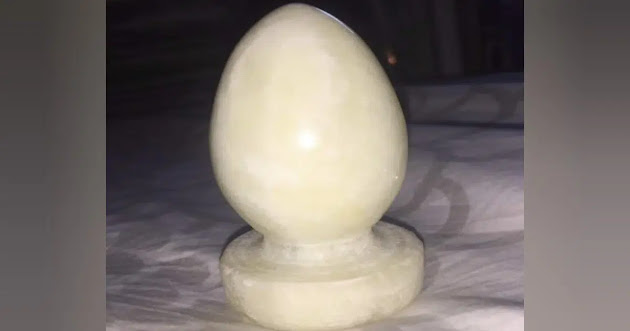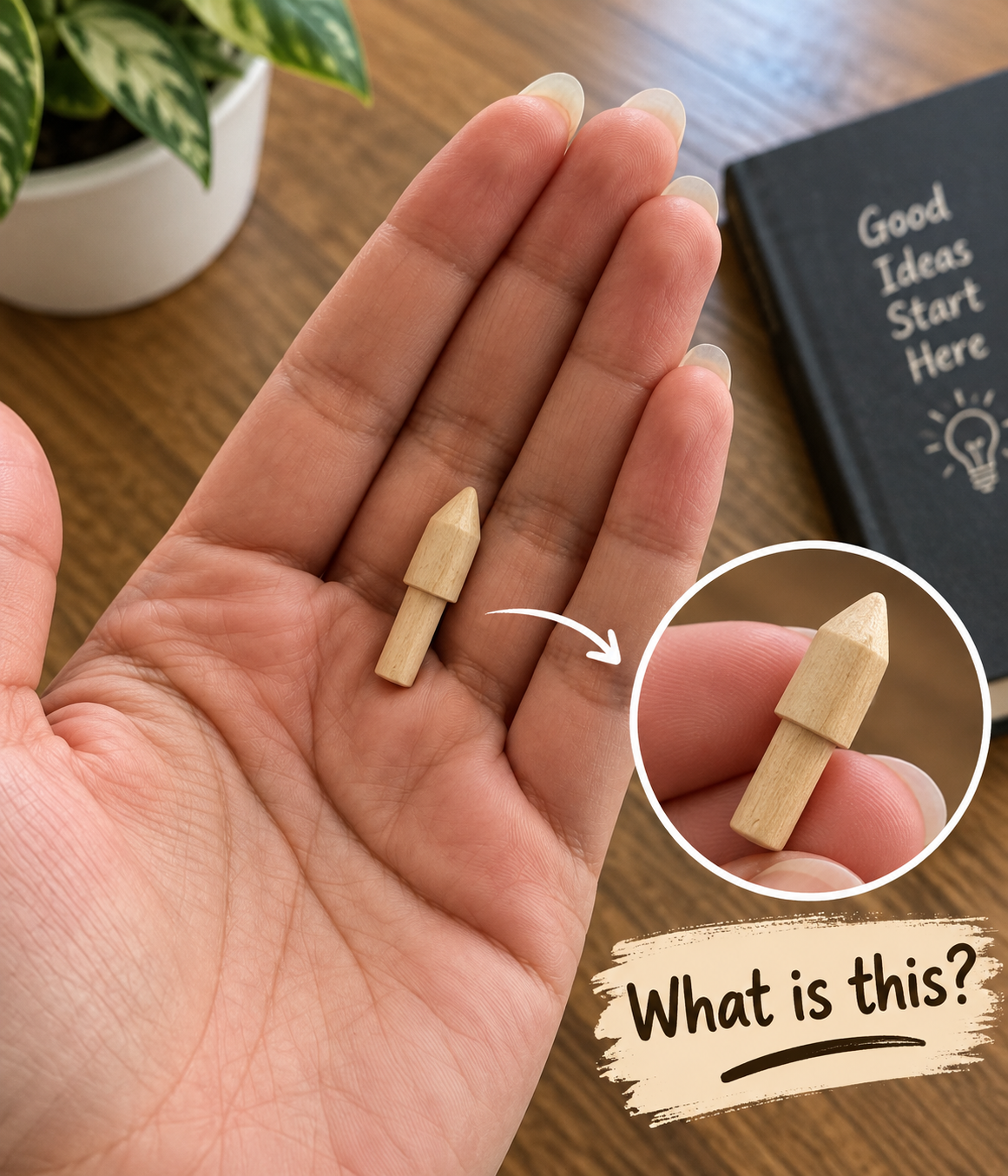
Does anyone know what this is? This is the question someone might immediately ask after finding a small, dark, unfamiliar object tucked inside a pants pocket. At first glance, it could resemble a dried seed, a tiny piece of wood, a compressed herb, or something that accidentally found its way into the laundry.
One possible explanation is surprisingly interesting: the object may be an agarwood incense pellet, sometimes associated with oud incense. Agarwood has played an important role in fragrance, incense, and cultural traditions for centuries. However, appearance alone cannot confirm whether an unidentified pellet contains genuine agarwood, so its material would need proper examination before anyone could identify it with certainty.
I can imagine the confusion that comes with discovering something like this while sorting clothes. You pick it up, turn it over, smell it, and still cannot decide what you are looking at. The unusual shape only creates more questions, especially when it came from someone else’s pocket. Then you discover that similar-looking objects can belong to the world of traditional incense and natural fragrance. Suddenly, something that looked completely ordinary becomes much more interesting, although confirming exactly what it contains still requires more than a photograph.
What an Agarwood Incense Pellet Actually Is
Understanding Agarwood and Oud
Agarwood comes from trees in the Aquilaria genus and certain related trees. Under particular conditions, these trees can develop dark, aromatic resin within their wood. That resinous material produces the distinctive fragrance that people commonly associate with agarwood or oud.
The valuable material does not simply appear in every tree in equal amounts. Instead, resin formation occurs as part of the tree’s response to damage and biological processes. Consequently, resin-rich wood can differ dramatically in appearance, fragrance, quality, and value.
People have treasured agarwood across parts of Asia and the Middle East for generations. They have burned the aromatic wood as incense, incorporated oud into perfumery, and used agarwood in religious and cultural practices. Therefore, the material carries significance far beyond its pleasant smell.
The words “agarwood” and “oud” sometimes appear interchangeably in everyday conversation, although products sold under those names can vary widely. Some contain natural agarwood, while others may combine wood powder, binders, fragrance oils, or additional aromatic materials. For that reason, a small pellet should not automatically be described as pure agarwood simply because it smells woody.
How Agarwood Incense Pellets Are Made
Manufacturers can turn aromatic wood powder into convenient incense forms, including cones, sticks, tablets, beads, and pellets. A pellet offers a compact way to store and use powdered incense material. Depending on the product, manufacturers may combine the powder with natural binders or other ingredients that help maintain its shape.
When appropriately heated or burned according to the product’s directions, agarwood-based incense can release a complex fragrance. People often describe the aroma with woody, sweet, earthy, smoky, balsamic, or spicy characteristics. However, the exact scent changes according to the source material, resin content, processing method, and additional ingredients.
Higher-quality agarwood products can offer noticeably layered aromas rather than a simple, uniform fragrance. As the material warms, different aromatic compounds can become more noticeable. Consequently, enthusiasts often appreciate agarwood slowly instead of treating it like an ordinary room fragrance.
Still, shape provides little evidence of quality. A dark pellet could contain expensive resin-rich agarwood, inexpensive aromatic powder, another type of incense, or something unrelated to agarwood altogether. Therefore, packaging, provenance, fragrance, and specialist examination offer much better clues than appearance by itself.
Why Someone Might Carry an Agarwood Incense Pellet
Fragrance, Convenience, and Personal Use
If the mysterious object really is an agarwood incense pellet, carrying it in a pocket would not necessarily be unusual. Small aromatic objects travel easily in pockets, purses, cases, and bags. Someone who enjoys traditional fragrances might carry one simply because they appreciate its scent.
Some agarwood products release a detectable aroma even before heating. Therefore, a person might occasionally smell the material directly or keep it near personal belongings. The scent can also transfer subtly to a container, fabric, drawer, or storage space.
However, people should distinguish enjoyment from medical claims. Many individuals describe aromatic rituals as relaxing, comforting, or useful for creating a peaceful atmosphere. That personal experience does not prove that agarwood treats stress, anxiety, or any medical condition.
Practical storage also matters. Loose incense can crumble, stain clothing, absorb moisture, or become contaminated when carried directly in a pocket. A small protective container generally makes more sense, especially when the material has significant value.
If someone discovers an unidentified pellet in clothing, they should avoid burning, tasting, or otherwise using it until they know what it contains. Many unrelated materials can look similar, and appearance cannot establish whether an unknown substance is safe to heat or handle extensively.
Cultural and Spiritual Reasons for Carrying Agarwood
Agarwood holds deep cultural importance in several regions. People have historically used it in religious ceremonies, prayer, meditation, hospitality, and traditional fragrance practices. Its distinctive aroma can therefore carry personal meaning beyond its monetary value.
For some people, a piece of agarwood may serve as a treasured personal possession. Others may associate its fragrance with family traditions, important occasions, spiritual practices, or places they remember. Consequently, carrying a small aromatic item can become a meaningful habit.
Collectors may also keep pieces of agarwood because they appreciate different fragrance profiles. Much like enthusiasts who compare teas, coffees, perfumes, or woods, agarwood collectors can become interested in subtle differences between specimens. Origin, resin development, age, processing, and storage can all affect the experience.
Nevertheless, not every dark aromatic object carries spiritual significance. A pellet found in someone’s pocket may simply be incense they purchased and forgot to remove. The circumstances alone cannot reveal why the owner carried it.
That uncertainty makes direct identification important. Rather than constructing an elaborate explanation from a mysterious object, checking its packaging or asking the owner usually provides the simplest answer.
How to Tell Whether It Could Be Genuine Agarwood
Appearance, Texture, and Aroma
Agarwood often contains darker resinous areas, which can make high-resin material appear significantly darker than ordinary pale wood. However, color varies considerably. Genuine agarwood does not have one universal shade that instantly proves authenticity.
Fragrance offers another clue. Natural agarwood can produce a complex aroma with woody, sweet, earthy, leathery, smoky, or spicy characteristics. Different specimens can smell remarkably different, which makes simple descriptions such as “sweet wood” inadequate for authentication.
Texture and surface appearance can provide additional information, particularly when examining natural wood. Resin-rich areas may look different from the surrounding fibers. However, compressed incense pellets complicate the process because grinding and forming the material can hide the original structure.
Furthermore, manufacturers can add oils and fragrances to inexpensive wood powders. A strong oud-like scent therefore does not prove that a pellet contains premium natural agarwood. Synthetic fragrance materials can imitate parts of the characteristic aroma.
For these reasons, photographs and home tests rarely establish authenticity with confidence. An experienced agarwood dealer or specialist can examine the material more effectively, particularly when its origin or value matters.
Why Authentic Agarwood Can Be Expensive
Agarwood’s reputation for high prices comes largely from the difficulty of producing high-quality resinous wood and the strong demand for exceptional material. Not every suitable tree develops the same quantity or quality of aromatic resin. As a result, premium specimens can become scarce and valuable.
Quality also varies enormously. The broad category includes everything from relatively affordable incense products to rare collector-grade wood. Therefore, seeing the word “agarwood” on a product does not automatically mean someone possesses an exceptionally expensive object.
Origin can influence price as well. Collectors and fragrance specialists may value material differently according to species, geographic source, resin characteristics, aroma, and provenance. Meanwhile, processed products introduce additional variables such as purity and added ingredients.
International conservation rules also matter because overharvesting has threatened wild agarwood-producing trees. Trade in Aquilaria species receives international regulation under CITES, which aims to control cross-border commerce in protected wildlife and plant materials.
Consumers should therefore buy agarwood products from reputable, transparent sellers. Responsible sourcing protects both buyers and vulnerable tree populations while reducing the chance of paying premium prices for inaccurately labeled material.
What to Do If You Find an Unidentified Pellet
Avoid Assuming What the Object Contains
The most important lesson from a mysterious pocket discovery is simple: do not identify an unknown object solely from a similar-looking photograph. Seeds, compressed incense, wood products, resins, herbal preparations, food items, and many manufactured materials can share similar shapes and colors.
If you think the item might be incense, smell it cautiously without placing it directly against your nose. A noticeable woody fragrance may support that possibility, but it still cannot prove the exact ingredients. Likewise, an odorless object does not automatically rule out an aromatic product.
Do not taste an unidentified pellet. Additionally, avoid burning it simply to see what happens. Heating an unknown material could release irritating or potentially harmful fumes, especially if the object contains synthetic chemicals, coatings, plastics, or another substance entirely.
Instead, look for contextual clues. Check whether a wrapper, container, receipt, or similar object exists nearby. If the item came from another person’s pocket, asking that person what it is offers the fastest and safest identification method.
Once you know the product name or manufacturer, you can investigate its ingredients and intended use. That approach provides far more reliable information than guessing from appearance.
How to Store and Use Confirmed Agarwood Incense
If you confirm that the object is commercially produced agarwood incense, follow the manufacturer’s directions. Different incense forms require different heating methods, so instructions intended for a stick may not apply to a pellet or compressed tablet.
Store the product somewhere dry and clean. A sealed container can help protect aromatic material from excessive moisture, contamination, and unwanted odors. It can also prevent small pieces from disappearing into clothing pockets or getting damaged.
When burning incense, use a stable, heat-resistant incense burner designed for the purpose. Keep combustible materials away from the heat source, maintain ventilation, and never leave burning or heated incense unattended. Additionally, keep hot incense away from children and pets.
People who experience respiratory irritation should approach smoke-producing products carefully. Even natural incense creates smoke and airborne compounds during combustion. “Natural” does not automatically mean harmless for every person or every environment.
Ultimately, a confirmed agarwood incense pellet can be an interesting aromatic product with a long cultural history. However, responsible use begins with confirming what the object actually is.
Frequently Asked Questions
What is an agarwood incense pellet?
An agarwood incense pellet is a small compressed incense product that may contain powdered agarwood or an agarwood-based aromatic mixture. Manufacturers create pellets in compact forms that make incense easier to store and use. Ingredients and quality can vary substantially between products.
Can you identify pure agarwood from a photograph?
No photograph can reliably establish purity or authenticity by itself. Color, shape, texture, and apparent resin may provide clues, but other woods and manufactured incense can look similar. Reliable authentication requires information about the product’s source and, in valuable cases, specialist examination.
What does agarwood smell like?
People commonly describe agarwood as woody, rich, sweet, earthy, smoky, balsamic, or subtly spicy. However, natural agarwood can produce highly complex fragrance profiles. Species, origin, resin content, age, processing, and heating method can all influence the aroma.
Why is agarwood so valuable?
High-quality agarwood can command substantial prices because resin-rich material takes time to develop and remains relatively scarce. Demand from perfumery, incense traditions, religious practices, and collectors can further increase its value. However, not every agarwood product is rare or expensive.
Is it safe to burn a mysterious pellet found in a pocket?
You should not burn any unidentified object. Although it might resemble incense, appearance cannot tell you what chemicals or materials it contains. Confirm the object’s identity and intended use before heating or burning it.
Conclusion
Does anyone know what this is? This is an intriguing question when a strange dark pellet suddenly appears in a clothing pocket. One possibility is an agarwood incense pellet, a compact aromatic product associated with one of the world’s most historically valued fragrant woods.
Agarwood has earned a remarkable reputation because of its complex fragrance, cultural importance, rarity, and use in traditional incense and perfumery. Some people carry small aromatic products for their scent, while others value agarwood because of cultural, spiritual, or collecting traditions.
However, an important distinction separates possibility from certainty. A small brown or black object cannot be confirmed as pure, high-quality agarwood simply from its appearance. Even a pleasant oud-like fragrance cannot establish authenticity because manufacturers can add fragrance oils to other materials.
Therefore, anyone who discovers a mysterious object should identify it before burning, tasting, or using it. Packaging, purchase information, the owner’s explanation, and professional examination can provide much stronger evidence.
If the object ultimately proves to be genuine agarwood incense, then an ordinary laundry discovery may indeed reveal something with a fascinating history. What initially looks like an insignificant piece of compressed material can connect to centuries of fragrance traditions, craftsmanship, trade, and cultural appreciation.
More Blog
- Drinking Water on an Empty Stomach — What Science Actually Supports (No Hype, Just Facts)
- Waking Up Between 3 and 5 AM? It Might Be Your Soul Trying to Talk to You
- What a “Bleach” Patch on Your Underwear Really Means — And Why It’s Actually a Good Sign
- This Drink May Weaken Your Bones From The Inside — But Everyone Drinks It Anyway