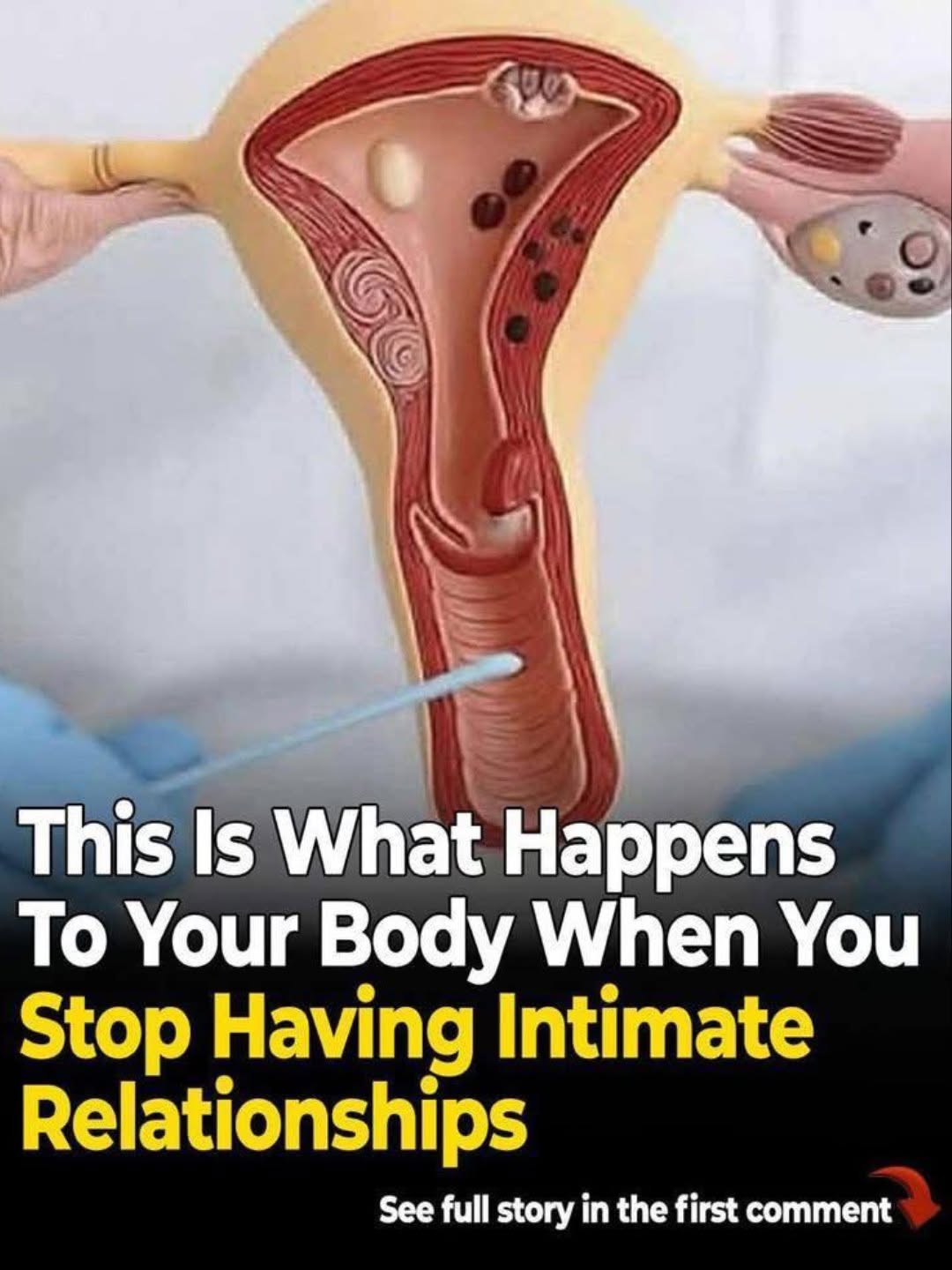
What Happens to Your Body When Intimacy Fades With Age involves much more than changes in sexual activity. Intimacy can include affection, companionship, conversation, holding hands, hugging, emotional openness, and the feeling that another person truly understands you.
Aging can change relationships in many ways. Retirement may reshape daily routines. Health problems can affect energy and mobility. Menopause or erectile difficulties can influence sexual comfort. Meanwhile, bereavement, caregiving, divorce, or living far from family can reduce everyday closeness.
However, reduced sexual activity does not automatically damage the body, and there is no required amount of physical intimacy that every older adult needs. Some people feel completely fulfilled without sex. What appears to matter greatly for health and well-being is whether someone feels connected, supported, and satisfied with the relationships they value. The National Institute on Aging distinguishes intimacy from sexual activity and notes that intimacy can exist with or without a physical component.
I once watched an older couple in my neighborhood change the way they showed affection after health problems made their old routines difficult. They no longer went dancing, yet they sat outside together every evening, held hands during walks, shared coffee in the morning, and talked constantly. What struck me was how little their closeness depended on grand gestures. Their relationship simply adapted. That experience changed how I thought about aging and intimacy. Physical abilities may change, but connection can take many forms. Sometimes a conversation, a reassuring touch, shared laughter, or simply knowing someone will sit beside you provides the closeness that matters most.
Understanding What Happens to Your Body When Intimacy Fades With Age
Aging Changes Intimacy, but It Does Not End It
One of the biggest misconceptions about aging suggests that older adults naturally stop wanting affection, sexuality, or romantic connection. In reality, people vary enormously.
Some older adults remain sexually active for decades. Others lose interest in sex but continue to value cuddling, kissing, companionship, and emotional closeness. Still others prefer little or no romantic intimacy and feel completely content.
Research also shows substantial variation among older adults. One study involving adults between ages 60 and 82 found that age correlated with lower average sexual activity and fewer sexual thoughts, yet intimacy showed much smaller age differences. In addition, almost one-third of older participants reported more sexual activity and sexual thoughts than the average younger participant in the comparison group.
Therefore, What Happens to Your Body When Intimacy Fades With Age depends partly on what intimacy means to you.
Normal physical aging can influence sexual experiences. For example, vaginal tissues may become thinner and less naturally lubricated after menopause. Erections may take longer to develop or become less firm, while erectile dysfunction becomes more common with age. Chronic illnesses, pain, medications, stress, and body-image concerns can also affect desire and comfort.
However, these changes do not mean intimacy must disappear. Instead, many people redefine it.
Connection may shift toward touching, talking, affectionate routines, massage, kissing, shared activities, or simply spending uninterrupted time together.
Intimacy and Loneliness Are Not the Same Thing
When discussing What Happens to Your Body When Intimacy Fades With Age, it helps to separate three different experiences: reduced sexual activity, reduced intimacy, and loneliness.
They are not interchangeable.
A person can live alone and feel socially fulfilled. Likewise, someone can sleep beside a partner every night and still feel emotionally lonely.
The National Institute on Aging defines loneliness as the distressing feeling of being alone or disconnected. Social isolation, meanwhile, means having relatively few social contacts or regular interactions. Someone can experience one without the other.
This distinction matters because research on health risks focuses strongly on persistent loneliness and social isolation rather than simply on how frequently someone has sex or receives physical affection.
Therefore, losing sexual intimacy does not automatically cause illness.
However, when fading intimacy also brings emotional isolation, loss of companionship, or chronic loneliness, health may suffer. Studies associate loneliness and social isolation with higher risks of depression, cardiovascular problems, cognitive decline, and other health concerns.
Consequently, the most useful question may not be, “Am I getting enough intimacy?”
Instead, ask, “Do I feel connected, cared for, and emotionally supported?”
That question leaves room for many forms of healthy connection, whether they involve a spouse, partner, family members, friends, neighbors, community groups, or close companions.
How Reduced Connection Can Affect the Mind and Body
Stress, Mood, and Emotional Well-Being
What Happens to Your Body When Intimacy Fades With Age becomes especially important when reduced intimacy creates chronic loneliness.
Human beings rely heavily on social connection. Supportive relationships can provide reassurance during stressful periods, encourage healthy habits, and create a sense of belonging.
However, chronic loneliness can place the body under ongoing psychological stress. The National Institute on Aging notes that emotional pain associated with loneliness can activate stress responses. Prolonged loneliness has also been associated with inflammation and altered immune function.
Mood can change as well.
Someone who loses a spouse, experiences relationship difficulties, becomes less mobile, or loses regular social contact may feel sadness, anxiety, frustration, or emptiness. These feelings deserve attention rather than dismissal as an inevitable part of growing older.
In fact, depression is not a normal part of aging. The National Institute on Aging specifically warns against treating persistent loneliness, sadness, or depression as unavoidable consequences of getting older.
Therefore, What Happens to Your Body When Intimacy Fades With Age should never become a message that everyone must pursue romance or sexual activity to remain healthy.
Instead, emotional connection matters.
A weekly lunch with a friend, daily phone calls with family, volunteering, joining a walking group, participating in a faith or community organization, caring for a pet, or spending time with neighbors can all provide meaningful social engagement.
For someone in a partnership, small affectionate habits can matter too. Holding hands, sharing a meal without distractions, sitting close together, talking openly, or offering gentle physical affection can reinforce emotional closeness without requiring sexual activity.
Sleep, Daily Habits, and Physical Health
People sometimes claim that a lack of intimacy directly causes insomnia, weak immunity, heart disease, or hormonal problems. The reality is more complicated.
Researchers generally cannot reduce these outcomes to one behavior.
However, persistent loneliness and social isolation can interact with everyday habits that influence health. The National Institute on Aging notes that socially isolated or lonely adults may exercise less, sleep poorly, smoke, or drink too much alcohol. These behaviors can then contribute to broader health risks.
Therefore, What Happens to Your Body When Intimacy Fades With Age may involve indirect pathways.
For example, losing a longtime partner can disrupt bedtime routines, mealtimes, exercise habits, social calendars, and motivation. Someone who previously walked every morning with a spouse might become less active after bereavement.
Likewise, someone who feels chronically lonely may stay awake worrying or become less motivated to prepare healthy meals.
These patterns can gradually affect well-being.
Still, companionship alone cannot guarantee good sleep or physical health. Sleep apnea, medications, chronic pain, menopause symptoms, urinary problems, anxiety, depression, and many other conditions can disrupt sleep in older adults.
Therefore, persistent sleep problems deserve proper evaluation rather than being blamed exclusively on lack of intimacy.
The same principle applies to other physical symptoms.
If you notice unexplained fatigue, major mood changes, reduced appetite, persistent pain, sexual dysfunction, or significant sleep disruption, discuss those concerns with a healthcare professional.
Connection can support health, but it cannot replace medical care.
Physical Intimacy and Sexual Changes With Age
What Menopause and Other Body Changes Can Affect
For many women, What Happens to Your Body When Intimacy Fades With Age intersects with menopause.
During and after menopause, lower estrogen levels can affect vaginal tissue. The vaginal walls may become thinner and less flexible, while natural lubrication may decrease. Consequently, penetrative sexual activity can become uncomfortable or painful for some people.
However, avoiding sexual activity does not cause menopause or create these hormonal changes. Aging and hormonal transitions drive the underlying changes.
That distinction matters.
Someone should never feel pressured into sexual activity because of claims that the body “needs” sex to prevent aging.
Instead, people who want sexual activity but experience dryness or discomfort have options. Water-based lubricants can make sexual activity more comfortable, while vaginal moisturizers may help with ongoing dryness. Healthcare professionals can also discuss prescription treatments when symptoms become persistent.
Desire can change as well. Some people notice lower sexual interest during or after menopause, while others experience little change or even greater interest.
Relationships, stress, medication, sleep, health conditions, and emotional well-being can all influence desire.
Therefore, couples benefit from avoiding assumptions.
Instead of expecting intimacy to work exactly as it did decades earlier, partners can discuss comfort, preferences, boundaries, and different forms of affection.
Physical closeness can evolve without disappearing.
Changes in Erections, Desire, and Sexual Function
Men also experience age-related changes that may affect intimacy.
Erectile dysfunction becomes more common with age. However, frequent erectile problems should not automatically be dismissed as “just getting older.” Health conditions, medications, cardiovascular issues, diabetes, stress, and other factors can contribute.
Therefore, anyone experiencing persistent erectile difficulties should consider discussing them with a healthcare professional.
Testosterone levels can also change with age, but symptoms vary considerably. Furthermore, testosterone treatment does not suit everyone and can cause significant side effects or interact with other medical treatments. The National Institute on Aging recommends discussing testing and treatment with a healthcare provider rather than relying on supplements marketed for sexual performance.
What Happens to Your Body When Intimacy Fades With Age also involves psychological factors.
Worrying about sexual performance can reduce relaxation and make intimacy more difficult. Likewise, embarrassment about body changes can cause someone to avoid affectionate contact altogether.
Open communication often helps.
Instead of treating penetration or orgasm as the only meaningful forms of intimacy, couples can broaden their definition. Touching, kissing, cuddling, massage, conversation, humor, shared memories, and affectionate routines can all maintain closeness.
Some older adults may also decide that sexual intimacy no longer matters to them. That choice can be completely healthy when it reflects genuine preference rather than untreated pain, depression, relationship conflict, or fear.
Rebuilding Connection at Any Age
Small Forms of Connection Can Matter Deeply
What Happens to Your Body When Intimacy Fades With Age does not have to end with loss. Connection can grow again, even when circumstances change dramatically.
Start by thinking broadly about intimacy.
You might call a close friend every evening. You might sit beside your partner while watching a favorite program. Perhaps you cook with a family member, join a weekly group, volunteer, attend community events, or walk regularly with a neighbor.
These interactions may appear ordinary, yet they build belonging.
The National Institute on Aging recommends regular phone or video conversations, community involvement, volunteering, and activities with people who share similar interests as practical ways to reduce isolation.
For couples, rebuilding closeness can start without focusing on sex.
Try spending uninterrupted time together. Hold hands while walking. Sit beside each other rather than across the room. Share memories. Ask questions that go beyond household tasks.
Furthermore, speak openly about physical comfort.
One partner may fear rejection while the other quietly worries about pain, erectile difficulties, fatigue, or changing desire. Without conversation, both people can mistakenly interpret the other’s behavior as emotional withdrawal.
Therefore, gentle honesty can remove unnecessary tension.
People who have lost a spouse or partner can also create meaningful new connections without replacing the relationship they lost. Friendship, family, companionship, volunteering, clubs, faith communities, and shared-interest groups can restore regular human contact.
There is no age limit on forming meaningful relationships.
When Professional Support Makes Sense
Sometimes What Happens to Your Body When Intimacy Fades With Age involves problems that cannot be solved simply by spending more time together.
Persistent pain during sexual activity deserves medical attention. So does frequent erectile dysfunction. Likewise, major changes in mood, severe loneliness, ongoing sleep disturbance, or loss of interest in everyday activities may need professional evaluation.
A primary-care clinician can review medications, hormonal changes, chronic illnesses, sexual concerns, and other physical factors.
Meanwhile, a qualified therapist can help individuals or couples work through grief, communication problems, relationship changes, body-image concerns, anxiety, or differences in sexual desire.
For older adults who feel isolated, practical obstacles may require attention as well.
Loss of driving ability, limited mobility, hearing problems, caregiving responsibilities, or living far from family can make social contact harder. However, community centers, transportation services, senior programs, volunteer organizations, video calls, and local groups can provide alternative routes to connection.
The National Institute on Aging emphasizes that older adults face increased isolation risk after experiences such as losing friends or family, developing mobility problems, or experiencing sensory changes.
Therefore, addressing loneliness often requires practical solutions rather than simply telling someone to “socialize more.”
Most importantly, connection should remain voluntary and respectful.
Nobody owes physical or sexual intimacy to another person for health reasons. Likewise, people should never feel ashamed if their desire for sex changes.
Healthy intimacy depends on consent, comfort, communication, and mutual interest at every age.
Frequently Asked Questions
Does a lack of sex make you age faster?
No strong evidence shows that simply having less sex directly accelerates biological aging. What Happens to Your Body When Intimacy Fades With Age depends much more on overall health, relationship satisfaction, emotional well-being, physical activity, sleep, medical conditions, and social connection. Persistent loneliness and social isolation do have meaningful associations with poorer health outcomes, but they are not the same as sexual inactivity.
Is losing interest in intimacy a normal part of aging?
Desire can change with age, but no single pattern applies to everyone. Some older adults remain very interested in sexuality, while others become less interested or prefer nonsexual affection. Health problems, medication, menopause, erectile difficulties, stress, grief, and relationship quality can all influence desire.
Can affection still help when sexual intimacy stops?
Yes. Intimacy can include emotional closeness and many types of nonsexual contact. Holding hands, hugging, cuddling, talking, sharing activities, and offering emotional support can maintain connection even when sexual activity changes or ends.
Why can loneliness become especially important in older age?
Older adults may face retirement, bereavement, reduced mobility, sensory problems, chronic illness, or separation from friends and family. These circumstances can increase the chance of social isolation. Persistent loneliness and isolation have been associated with depression, cardiovascular disease, cognitive decline, and other health problems.
When should changes in intimacy be discussed with a doctor?
Seek medical advice when sexual activity becomes painful, erectile difficulties happen frequently, unexplained symptoms appear, or medication side effects may be involved. Likewise, persistent depression, anxiety, loneliness, or sleep problems deserve attention. Many age-related sexual concerns have treatment options, so discomfort should not simply be accepted without discussion.
Conclusion
What Happens to Your Body When Intimacy Fades With Age cannot be explained by a simple claim that people need a certain amount of sex or physical touch to remain healthy.
Aging changes bodies and relationships differently for everyone. Menopause may affect lubrication and comfort. Erectile difficulties may become more common. Illness, medication, grief, caregiving, and changing relationships can also reshape sexual and emotional closeness.
However, intimacy itself can remain remarkably adaptable.
A person can find connection through affectionate touch, conversation, companionship, friendship, family relationships, community involvement, shared interests, or romantic and sexual relationships.
What deserves particular attention is persistent loneliness and social isolation. Research consistently links those experiences with poorer physical, emotional, and cognitive health outcomes in older adults.
Therefore, What Happens to Your Body When Intimacy Fades With Age is ultimately a story about connection rather than simply sex.
Growing older does not eliminate the human capacity for closeness. Instead, it may invite people to redefine what closeness looks like.
Sometimes connection means holding hands. Sometimes it means intimacy with a longtime partner. Sometimes it means a weekly dinner with friends, a phone call with family, a morning walk with a neighbor, or the comfort of knowing that someone genuinely cares.
The form can change. The value of meaningful connection remains.
SEO Output
Focus Keyword
What Happens to Your Body When Intimacy Fades With Age
SEO Title
What Happens to Your Body When Intimacy Fades With Age — What to Know
Meta Description
What Happens to Your Body When Intimacy Fades With Age and how connection, loneliness, physical changes, and emotional health interact.
Expert SEO Title
What Happens to Your Body When Intimacy Fades With Age: 7 Powerful Truths
Midjourney Prompt
Realistic lifestyle photography illustrating What Happens to Your Body When Intimacy Fades With Age, affectionate older couple in their late sixties sitting closely together on a comfortable sofa, gently holding hands and sharing a quiet meaningful moment, natural expressions, emotional warmth, tasteful nonsexual intimacy, soft morning window light, elegant neutral home interior, subtle signs of mature age, realistic skin texture, calm reassuring mood, clean uncluttered background, professional editorial wellness photography, vertical composition, generous negative space at the top for text overlay suitable for Pinterest pins –v 6 –ar 2:3
More Blog
- Drinking Water on an Empty Stomach — What Science Actually Supports (No Hype, Just Facts)
- Waking Up Between 3 and 5 AM? It Might Be Your Soul Trying to Talk to You
- What a “Bleach” Patch on Your Underwear Really Means — And Why It’s Actually a Good Sign
- This Drink May Weaken Your Bones From The Inside — But Everyone Drinks It Anyway