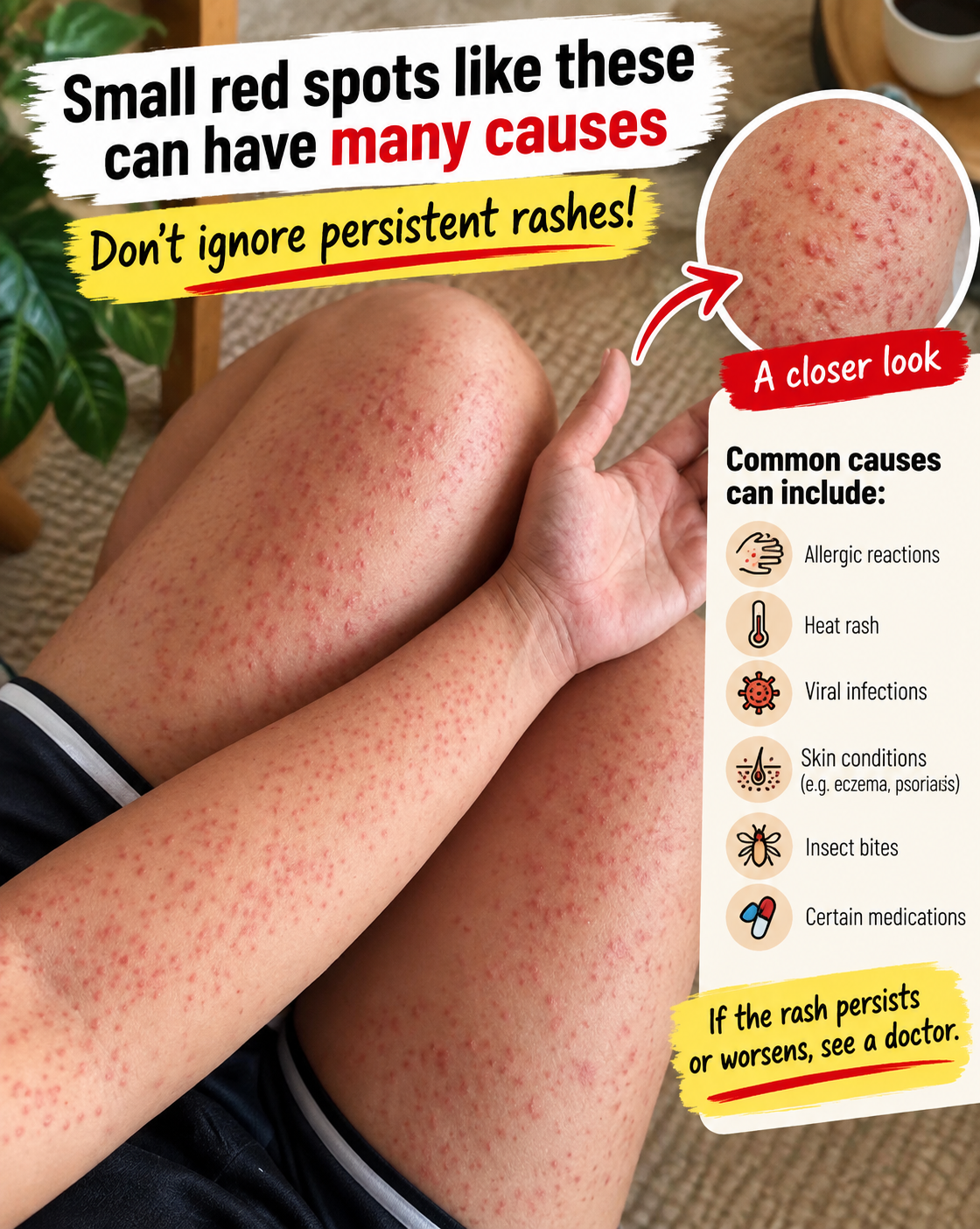
Skin Rash With Breathing Trouble can signal anaphylaxis, a severe allergic reaction that can become life-threatening very quickly. Hives or widespread redness alone may occur with a milder allergic reaction, but breathing difficulty, throat tightness, wheezing, faintness, or swelling of the tongue or face makes the situation far more urgent.
If someone develops a skin rash together with trouble breathing, treat the situation as a potential medical emergency. If an epinephrine auto-injector has been prescribed for that person, current allergy guidance recommends using epinephrine promptly when anaphylaxis is suspected. Emergency medical help should also be sought according to the person’s emergency action plan and local guidance. Epinephrine remains the first-line treatment for anaphylaxis; antihistamines do not replace it.
I once thought of allergic reactions mostly as itchy skin, watery eyes, or sneezing. However, learning how rapidly an allergic reaction can involve several body systems completely changed the way I look at symptoms. A rash can seem like the most obvious problem because you can see it, while changes in breathing or blood pressure may be much more dangerous. That is why knowing a few clear warning signs matters. You do not need to diagnose the exact trigger before recognizing that breathing trouble alongside an allergic reaction deserves immediate attention.
Anaphylaxis can progress rapidly, and symptoms do not always follow the same pattern from one person to another. Therefore, the safest approach is to recognize the emergency signs early, understand what epinephrine does, and avoid relying on treatments that only address part of the reaction.
Why Skin Rash With Breathing Trouble Can Be an Emergency
What Happens During Anaphylaxis
Anaphylaxis is a serious systemic allergic reaction. It can affect the skin, airways, circulation, digestive system, and other parts of the body at the same time. Common triggers include certain foods, medications, insect stings, and latex, although the exact trigger sometimes remains unclear.
During an allergic reaction, the immune system releases chemical mediators that affect tissues throughout the body. Histamine represents one of these substances, but the reaction involves more than histamine alone. These mediators can cause hives, itching, swelling, airway narrowing, and changes in blood vessel tone.
The breathing symptoms can develop for several reasons. Swelling may narrow the upper airway, while bronchospasm can tighten the lower airways and produce wheezing or difficulty moving air. At the same time, blood vessels may dilate and leak fluid into surrounding tissues, which can contribute to dangerously low blood pressure.
That combination explains why Skin Rash With Breathing Trouble should never be dismissed as “just a rash.” The visible skin symptoms may represent only one part of a reaction affecting several organ systems. Clinical guidelines consistently identify prompt epinephrine treatment as central when anaphylaxis develops.
Warning Signs That Need Immediate Attention
Hives often appear as raised, itchy welts that can move from one area of the body to another. Other skin symptoms can include flushing, widespread redness, or swelling. However, anaphylaxis does not always include obvious skin findings, so the absence of a rash does not automatically make a serious reaction impossible.
Breathing-related warning signs include wheezing, shortness of breath, repetitive coughing, throat tightness, a hoarse or changing voice, difficulty swallowing, or a sensation that the throat is closing. Swelling of the tongue or lips can also accompany airway involvement.
Circulatory symptoms may include dizziness, fainting, unusual weakness, confusion, or collapse. Some people also develop abdominal pain, vomiting, or diarrhea during anaphylaxis. Symptoms may evolve over minutes, so someone who appears relatively stable at first can become much sicker.
If Skin Rash With Breathing Trouble develops suddenly after eating a food, taking medication, receiving an insect sting, or encountering another suspected allergen, the combination deserves urgent attention. Do not wait for every possible symptom to appear before acting.
What to Do When Anaphylaxis Is Suspected
Epinephrine Is the First-Line Treatment
Epinephrine, also called adrenaline, is the primary medication used for anaphylaxis. It works on several of the dangerous processes occurring at once: it helps constrict blood vessels, supports blood pressure, reduces airway swelling, and relaxes bronchial smooth muscle to improve airflow.
Current practice guidance recommends giving epinephrine at the first sign of suspected anaphylaxis in someone who has been prescribed an auto-injector and taught how to use it. Intramuscular injection into the outer mid-thigh is the preferred route in emergency treatment.
Use the device exactly as instructed for that specific auto-injector because designs differ. If the person has an anaphylaxis action plan, follow it. Do not delay epinephrine while waiting to see whether an antihistamine works.
Antihistamines may reduce itching or hives, but they act too slowly and do not reliably treat airway obstruction or circulatory collapse. Clinical guidance specifically places epinephrine ahead of antihistamines and other secondary treatments in anaphylaxis.
If symptoms continue or return, additional epinephrine may sometimes be needed according to the person’s emergency plan and professional guidance. Emergency responders can provide oxygen, intravenous fluids, airway management, monitoring, and additional medications when necessary.
Getting Emergency Help and Keeping the Person Safe
A person experiencing Skin Rash With Breathing Trouble should not drive themselves to medical care. Severe allergic reactions can worsen suddenly, causing fainting, airway obstruction, or shock. Use emergency medical services when required by the situation, local guidance, or the person’s emergency plan.
Position also matters. Someone who feels faint or shows signs of low blood pressure is generally kept lying down if they can tolerate it, while a person struggling significantly to breathe may need to remain in the position that allows easiest breathing. Vomiting also changes safe positioning. Emergency dispatchers can provide instructions while help is on the way.
Avoid asking someone with serious breathing difficulty to stand up and walk around unnecessarily. Sudden changes in position during severe anaphylaxis can be dangerous when blood pressure has fallen.
If the suspected allergen can be removed safely, do so. For example, stop administering a medication that appears to have triggered the reaction. However, do not waste critical time trying to identify the trigger before treating anaphylaxis.
A person may improve quickly after epinephrine, but improvement does not mean the original reaction was unimportant. Symptoms can occasionally recur after an initial recovery, so follow the individual’s emergency plan and medical advice regarding observation and further evaluation.
Common Triggers and Why Reactions Can Be Unpredictable
Foods, Medications, Stings, and Other Allergens
Foods represent a major cause of anaphylaxis. Common food allergens include peanuts, tree nuts, shellfish, fish, milk, eggs, wheat, and sesame, although virtually any food can cause an allergic reaction in a susceptible person.
Medications can also trigger severe reactions. Antibiotics and some pain medications are among commonly recognized causes, but many different medicines can be involved. Reactions may occur after tablets, injections, intravenous medicines, or other forms of exposure.
Insect venom represents another important trigger. Bees, wasps, hornets, and related stinging insects can cause anaphylaxis in people with venom allergies. A severe reaction can begin soon after a sting, even if previous stings caused only mild symptoms.
Latex can also cause serious allergy in susceptible people. In other cases, exercise can contribute to anaphylaxis, sometimes in combination with a particular food or medication. Occasionally, clinicians cannot identify a specific trigger even after evaluation.
Because triggers vary so widely, Skin Rash With Breathing Trouble should be assessed according to the symptoms rather than whether the exposure seems “serious enough.” A familiar food or medication can still cause a dangerous reaction in someone who has become sensitized.
Why One Reaction May Differ From the Next
Previous allergy severity does not perfectly predict the next reaction. Someone who experienced only hives previously can potentially develop more serious symptoms during another exposure. Conversely, not every future exposure necessarily produces an identical reaction.
The amount of allergen, route of exposure, exercise, illness, alcohol, medications, asthma, and other individual factors can influence how a reaction unfolds. Therefore, people with known serious allergies should follow the personalized plan provided by their healthcare professional rather than trying to predict severity from past experiences alone.
Asthma deserves particular attention because breathing symptoms from asthma can overlap with anaphylaxis. When a person with known allergy develops sudden respiratory symptoms after an allergen exposure, clinicians consider the possibility of anaphylaxis rather than assuming asthma alone explains the problem.
The timing can also vary. Many reactions begin quickly after exposure, but symptom patterns differ. What matters most is recognizing progression across body systems and acting when serious symptoms develop.
After an episode, an allergist may help identify the likely trigger through the medical history and appropriate testing. The goal is not only to name the allergen but also to reduce future exposure and create a practical emergency plan.
Prevention and Preparedness After a Serious Allergic Reaction
Creating an Anaphylaxis Action Plan
Anyone diagnosed with a serious allergy should know exactly what symptoms require epinephrine and what steps should follow. A written anaphylaxis action plan can make decision-making easier during an emergency, when fear and confusion naturally make it harder to think clearly.
People prescribed epinephrine auto-injectors should know where they are kept and how to use them. Family members, caregivers, teachers, coworkers, or other appropriate people may also benefit from knowing how the device works.
Check the expiration date periodically and replace expired devices according to medical and manufacturer guidance. Store auto-injectors under the recommended conditions and avoid exposing them to extreme heat or cold.
Practice with a trainer device if one is available. Familiarity matters because anaphylaxis is not the ideal moment to read instructions for the first time. Even a few practice sessions can make emergency use feel much more straightforward.
The 2023 anaphylaxis practice parameter emphasizes counseling patients and caregivers to use epinephrine at the first sign of suspected anaphylaxis rather than delaying necessary treatment.
Reducing the Risk of Another Reaction
Once clinicians identify a trigger, avoidance becomes an important part of prevention. For food allergies, that may involve reading ingredient labels carefully, asking questions when eating away from home, and avoiding cross-contact when advised.
Medication allergies should be clearly documented in medical records. Tell healthcare professionals about serious medication reactions before receiving new prescriptions or procedures. However, do not permanently label yourself allergic to a medication based only on an uncertain reaction without discussing it with a clinician, because incorrect allergy labels can also affect future care.
For venom allergy, an allergist may discuss specialized treatment such as venom immunotherapy when appropriate. Other allergies may require different long-term strategies depending on the trigger and severity.
People with both asthma and severe allergies should keep asthma well controlled because respiratory disease can complicate allergic reactions. Regular medical follow-up helps ensure that emergency plans and prescriptions remain appropriate.
Most importantly, preparedness should replace fear. Knowing the warning signs, carrying prescribed medication, and having a clear action plan gives people practical tools. Skin Rash With Breathing Trouble becomes much less confusing when everyone involved already knows what to do.
Frequently Asked Questions
Is a rash with breathing trouble always anaphylaxis?
No. Other medical problems can cause rash and breathing symptoms. However, the combination can indicate anaphylaxis, especially when symptoms appear suddenly after a possible allergen exposure. Because anaphylaxis can progress rapidly, urgent medical assessment matters more than trying to diagnose the exact cause at home.
Can anaphylaxis happen without hives?
Yes. Skin symptoms are common, but anaphylaxis can occur without obvious hives or rash. Serious breathing difficulty, throat swelling, low blood pressure, or other systemic symptoms after a likely allergen exposure can still represent anaphylaxis.
Can I take an antihistamine instead of epinephrine?
Not for suspected anaphylaxis. Antihistamines may help itching and hives, but they do not adequately treat dangerous airway swelling, bronchospasm, or shock. Epinephrine remains the first-line medication for anaphylaxis.
What should I do if I use an epinephrine auto-injector?
Follow the person’s prescribed emergency action plan and the device instructions. Seek emergency assistance as indicated by the situation, local recommendations, and medical guidance. Do not rely on symptom improvement alone if the action plan calls for further assessment.
Can an allergic reaction return after it seems to stop?
Yes. Some people experience recurrence of symptoms after initial improvement, known as a biphasic reaction. This possibility is one reason medical observation may be recommended after significant anaphylaxis, depending on the severity, treatment response, and individual circumstances.
Conclusion
Skin Rash With Breathing Trouble deserves immediate attention because it can signal anaphylaxis, a potentially life-threatening allergic reaction involving more than the skin. Hives may be the most visible symptom, but airway narrowing, throat swelling, wheezing, dizziness, and circulatory problems create the greatest danger.
When anaphylaxis is suspected, epinephrine is the first-line treatment. Antihistamines can help some skin symptoms, but they cannot substitute for epinephrine when breathing or circulation becomes involved. Current allergy guidance emphasizes prompt epinephrine use when suspected anaphylaxis develops.
The most useful preparation happens before an emergency. People with known serious allergies should understand their triggers, carry prescribed epinephrine, know how to use it, and follow a personalized emergency action plan.
Recognizing the warning signs early can turn uncertainty into decisive action. If a rash appears together with breathing difficulty, throat swelling, faintness, or rapidly worsening symptoms, treat the situation seriously and get appropriate emergency help rather than waiting for the reaction to pass on its own.
More Blog
- Drinking Water on an Empty Stomach — What Science Actually Supports (No Hype, Just Facts)
- Waking Up Between 3 and 5 AM? It Might Be Your Soul Trying to Talk to You
- What a “Bleach” Patch on Your Underwear Really Means — And Why It’s Actually a Good Sign
- This Drink May Weaken Your Bones From The Inside — But Everyone Drinks It Anyway