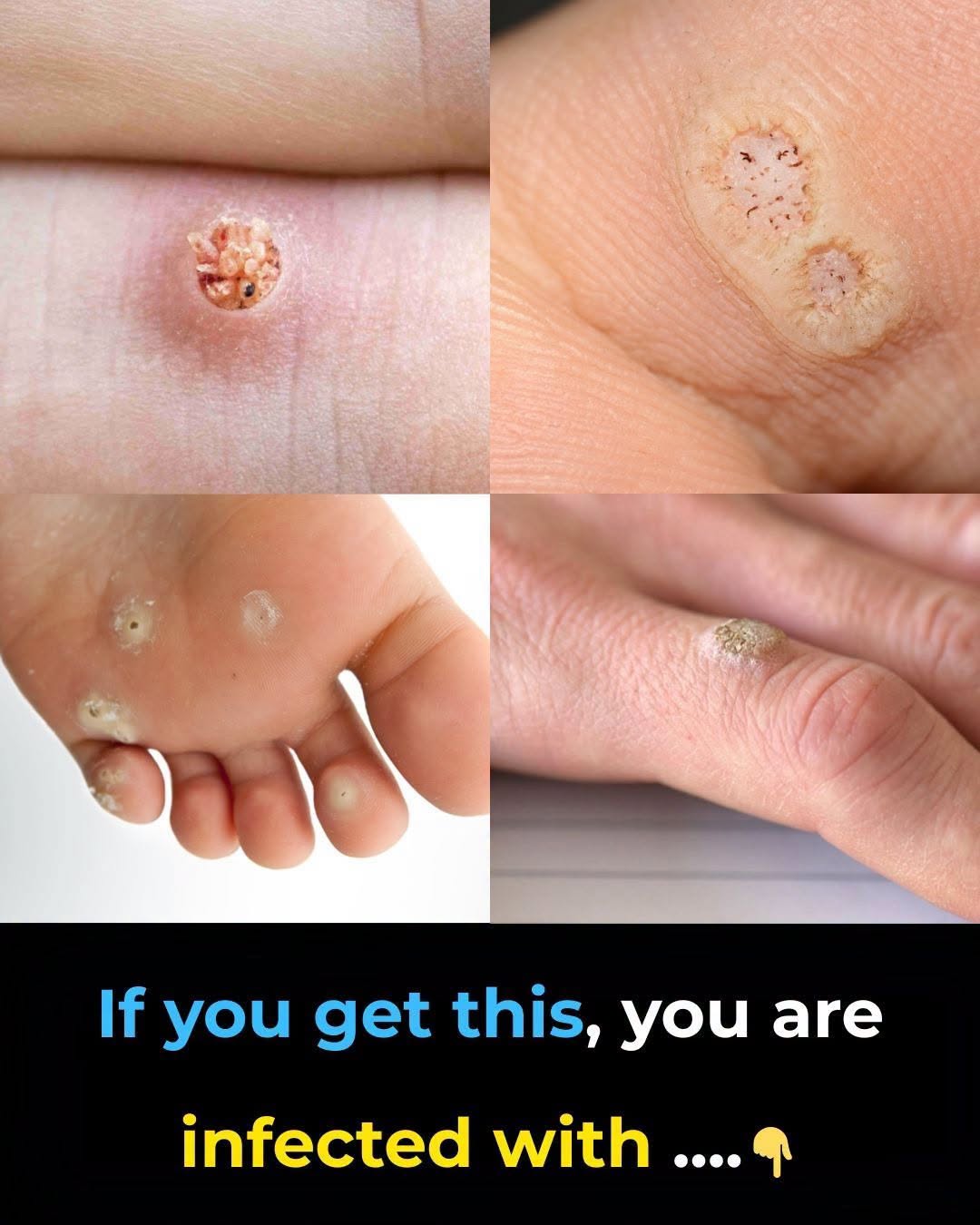
6 Types of Warts (Signs, Symptoms, Home Remedies, and Treatment) can help you understand why these common skin growths look different depending on where they develop. Most true warts result from infection with certain types of human papillomavirus, or HPV. They can appear rough, smooth, flat, raised, or threadlike, and some become uncomfortable because of their location.
Although many warts cause no serious health problems and may eventually disappear without treatment, not every bump that resembles a wart actually is one. Therefore, you should avoid automatically treating an unfamiliar or changing skin growth at home. A dermatologist can often identify a wart by examining it and may perform a biopsy when the diagnosis remains uncertain.
Treatment also depends on location. For example, an over-the-counter approach that may suit a small common wart on a hand does not automatically belong on the face or genital area. Furthermore, people with diabetes, poor circulation, weakened immunity, or uncertainty about a growth should seek professional advice before attempting self-treatment.
I remember noticing a tiny rough bump on a finger after gardening and assuming it would disappear within days. Instead, it remained for weeks, which made me realize how easy it is to treat every unfamiliar skin bump as the same problem. Looking more carefully showed why location, texture, discomfort, and changes over time matter. The experience also reinforced a simple rule: guessing at a skin growth can lead to unnecessary irritation. Since then, I have preferred conservative care and professional advice whenever something looks unusual, appears in a sensitive location, changes noticeably, or refuses to improve after appropriate over-the-counter care.
Understanding the 6 Types of Warts and What Causes Them
How Viral Warts Develop and Spread
HPV includes many virus types, and certain types infect the skin and produce warts. The virus can enter through small breaks in the skin, including cuts and scrapes. Additionally, common warts can spread through skin contact or contaminated shared objects.
However, exposure does not mean that everyone immediately develops a wart. Individual immune responses differ, and a visible growth may take time to develop.
Common warts frequently appear on the hands and fingers. They usually feel rough and raised. You may also notice tiny dark dots inside them. Those dots are small clotted blood vessels rather than seeds.
Plantar warts develop on the soles of the feet. Because walking places pressure on them, they can grow inward beneath thickened skin. Consequently, a plantar wart may feel uncomfortable when you stand or walk.
Flat warts look smoother and flatter than common warts. They can occur on several areas of the body, including the face and legs. Filiform warts, meanwhile, develop thin projections and often occur around facial areas.
These differences matter because location and wart type can affect treatment choices.
A Note About Genital Warts and So-Called Age Warts
Genital warts require special attention because sexually transmitted HPV causes them. They may appear as small skin-colored bumps, flat lesions, or clustered cauliflower-like growths. They can also cause itching, tenderness, or bleeding.
Importantly, the HPV types that commonly cause genital warts differ from the types most strongly associated with cancer. Therefore, the presence of a genital wart does not mean that the wart itself will become cancer. Nevertheless, other genital HPV types can cause cancer, which makes appropriate screening and HPV vaccination important.
See a healthcare professional if you or a partner develops genital bumps or suspected genital warts. Do not use ordinary over-the-counter wart removers on genital tissue.
The sixth category sometimes called an “age wart” needs clarification. The term commonly refers to seborrheic keratosis rather than a true HPV wart. These benign skin growths often develop with age and can appear waxy, scaly, or stuck onto the skin.
Because some skin cancers and other conditions can resemble warts, professional evaluation becomes important when you cannot confidently identify a growth. The American Academy of Dermatology specifically warns that some skin cancers can look wart-like.
Therefore, avoid assuming that a new brown, changing, bleeding, or unusual growth simply represents an age-related wart.
The name may sound harmless, but an accurate diagnosis matters more than the label.
Recognizing Common, Plantar, Flat, and Filiform Warts
Signs and Symptoms to Watch For
Common warts often form rough, rounded or oval bumps. They frequently develop on fingers, around nails, on hands, elbows, or knees. Moreover, small black dots can appear inside the growth because tiny blood vessels have clotted.
Although many common warts do not hurt, repeated friction can irritate them. A wart near a nail may also become particularly bothersome.
Plantar warts look somewhat different because they grow on weight-bearing areas of the feet. They commonly appear on the heel or ball of the foot. Pressure from standing and walking can push them inward beneath a callus. Therefore, they sometimes create the sensation of stepping on a small pebble.
Flat warts usually have smoother surfaces. They also tend to remain smaller and less dramatically raised than common warts. Depending on age and shaving habits, they may appear on the face, beard area, or legs.
Filiform warts have a distinctive shape. Instead of forming a broad rough bump, they develop narrow, projecting growths. Because they frequently occur around facial areas, professional treatment often makes more sense than experimenting with strong acids near sensitive skin.
The appearance of a growth provides clues, but appearance alone cannot always establish a diagnosis.
Therefore, seek professional evaluation when a growth changes rapidly, bleeds, becomes painful, looks like an open sore, or remains uncertain.
When a Wart Needs Professional Attention
Many small warts can safely wait because the immune system may eventually clear them. However, some situations deserve medical evaluation sooner.
See a dermatologist or other qualified healthcare professional if the growth appears on your face or genital area. Additionally, seek help if it changes, hurts, burns, itches, or bleeds. Multiple warts or repeated treatment failure also justify an appointment.
People with diabetes should avoid casually treating foot growths themselves. The same caution applies to people with poor circulation, neuropathy, or weakened immunity. These conditions can increase the consequences of skin injury or complicate treatment.
Uncertainty provides another good reason to schedule an examination.
For example, a corn or callus can resemble a plantar wart. Likewise, other benign growths can resemble common warts. More importantly, certain skin cancers can develop wart-like appearances.
Therefore, do not repeatedly apply destructive treatments to a growth when you do not know what it is.
A dermatologist can usually diagnose a wart visually. However, when a lesion behaves unusually or the diagnosis remains uncertain, the dermatologist may remove a small sample for biopsy.
Children also frequently develop warts, and many resolve naturally. Still, painful, spreading, persistent, or troublesome growths deserve appropriate medical advice.
Understanding the 6 Types of Warts (Signs, Symptoms, Home Remedies, and Treatment) should help you recognize patterns, but it should never replace an examination when a lesion behaves unexpectedly.
Safe Home Care and Evidence-Based Wart Treatment
What You Can Try at Home
For one or a few small, uncomplicated non-genital warts, salicylic acid remains one of the standard over-the-counter treatments. It gradually removes layers of the wart. However, you need patience because improvement usually takes repeated treatment rather than one application.
Follow the product directions carefully.
Dermatologists commonly recommend soaking the wart in warm water first. Afterward, you can gently remove loose dead surface skin with a disposable emery board or pumice stone reserved only for the wart. Then dry the area and apply the salicylic acid according to the package instructions.
Do not use that file or pumice stone elsewhere because doing so could spread the virus.
If the surrounding skin becomes extremely sore or irritated, stop treatment and allow the area to recover. Additionally, discontinue treatment and seek professional advice if significant pain, bleeding, or blistering develops.
Duct tape may also help some common warts, although research results remain mixed. Dermatologists sometimes use occlusion alongside salicylic acid because covering the area can soften the wart.
At-home freezing products provide another option for selected small warts. However, these products do not produce the same freezing treatment that a dermatologist performs in the office. Follow package instructions exactly.
Most importantly, avoid treating facial or genital growths with these methods unless a healthcare professional specifically directs you.
Remedies to Avoid and Medical Treatment Options
Online wart remedies often include apple cider vinegar, aspirin mixtures, essential oils, and other household substances. However, “natural” does not automatically mean gentle or effective.
Concentrated acids and essential oils can irritate or burn skin. Furthermore, damaging healthy tissue around a wart does not guarantee that the wart will disappear.
Therefore, evidence-based over-the-counter wart products provide a more predictable starting point for appropriate common or plantar warts.
If home treatment fails, dermatologists have several additional options.
Cryosurgery freezes the wart with a very cold substance. After treatment, the area may blister or crust before healing. Many patients require more than one session, often spaced several weeks apart.
Dermatologists may also use cantharidin for selected common and plantar warts. Other possibilities include electrosurgery and curettage, surgical removal, prescription medicines, laser therapy, or treatments that stimulate an immune response. The best choice depends on the wart type, location, patient age, health history, and previous treatment response.
Genital warts require a different approach. A clinician may recommend prescription or office-based treatment depending on their size and location. Additionally, HPV vaccination can protect against HPV types responsible for many genital warts and HPV-related cancers.
No single treatment guarantees that every wart disappears permanently. Because HPV can persist in surrounding tissue, warts sometimes recur even after visible removal.
Preventing Warts and Protecting Your Skin
Reducing the Chance of Spreading Warts
Warts can spread from one area of skin to another, so a few everyday habits can reduce unnecessary transmission.
First, avoid picking, scratching, or cutting a wart. Damaged skin can make viral spread easier. Likewise, nail biting may contribute to warts around the fingertips and nails.
Keep personal grooming tools personal. For example, avoid sharing razors, nail tools, or items that repeatedly contact affected skin.
For plantar warts, protect your feet in communal wet environments. Wearing sandals or similar footwear around public pools and locker rooms can reduce exposure.
If you file a wart during salicylic acid treatment, reserve the file or pumice stone for that wart alone and dispose of it appropriately when needed.
Additionally, wash your hands after touching or treating a wart.
Covering a wart may sometimes help limit direct contact, especially when the wart sits on an area that frequently touches other people or shared surfaces.
However, prevention cannot eliminate every possibility of infection. HPV is widespread, and different immune systems respond differently after exposure.
Therefore, focus on sensible hygiene rather than aggressive cleaning or worrying about every surface you touch.
For genital HPV, condoms can lower transmission risk but do not provide complete protection because HPV can infect skin outside the area a condom covers. Vaccination provides another important prevention tool.
Helping Your Skin Heal Safely
Patience matters during wart treatment.
Many people become frustrated when a wart remains after several days. Consequently, they may apply excessive medication, scrape too aggressively, or combine several home remedies.
That approach can injure healthy skin without making treatment work faster.
Instead, follow one appropriate treatment consistently and monitor the skin around the wart.
With salicylic acid, daily application often continues for weeks. Dermatologist-performed cryotherapy may also require repeat visits. Therefore, slow progress does not automatically mean treatment has failed.
Protect irritated skin and stop treatment temporarily when directed if significant soreness develops.
Also remember that removing the visible growth does not instantly eliminate every possibility of recurrence. HPV causes the wart, and the immune system plays an important role in clearing the infection.
If the wart returns repeatedly, spreads rapidly, or stops responding to treatment, schedule an appointment rather than escalating home treatment.
Likewise, seek care when you notice unexpected color changes, persistent bleeding, significant pain, or an unusual growth that does not behave like a typical wart.
The goal should not simply involve removing a bump. Instead, safe treatment starts with identifying the growth correctly and choosing a method appropriate for its location and your health.
That cautious approach reduces unnecessary skin damage while giving treatment the best opportunity to work.
Frequently Asked Questions
What causes the 6 types of warts?
True viral warts develop after certain types of HPV infect the skin. Common, plantar, flat, filiform, and genital warts represent different clinical patterns. However, growths sometimes called “age warts” usually refer to seborrheic keratoses and are not HPV warts. A dermatologist can clarify uncertain growths.
Can warts disappear without treatment?
Yes. Many warts eventually disappear as the immune system controls the infection, although this process can take months or even years. Treatment may remove warts faster or reduce spreading.
What is the best home treatment for a common wart?
For an appropriate small common or plantar wart, over-the-counter salicylic acid has established use. Follow the package instructions carefully and avoid using it on the face or genital area. People with diabetes, neuropathy, or poor circulation should consult a healthcare professional before using it.
Should I use apple cider vinegar on a wart?
Apple cider vinegar can irritate skin, and household vinegar does not provide the controlled dosing of an approved wart medication. Instead, consider an appropriate over-the-counter wart treatment such as salicylic acid after confirming that the growth is suitable for self-treatment.
When should I see a dermatologist about a wart?
Seek medical evaluation for facial or genital warts, uncertain growths, numerous warts, treatment-resistant warts, or growths that hurt, itch, burn, bleed, or change. You should also seek professional guidance if you have diabetes or a weakened immune system.
Conclusion
6 Types of Warts (Signs, Symptoms, Home Remedies, and Treatment) covers several growths that can look surprisingly different despite sharing the everyday “wart” label.
Common warts usually appear rough and raised, particularly on the hands and fingers. Plantar warts develop on the feet and may become uncomfortable under pressure. Flat warts remain smoother and less raised, while filiform warts develop narrow projections. Genital warts result from sexually transmitted HPV and require appropriate medical evaluation.
Meanwhile, so-called age warts deserve special clarification because they generally refer to seborrheic keratoses rather than true HPV warts.
Fortunately, many ordinary warts cause little harm and may eventually resolve. For selected small common or plantar warts, evidence-based home treatments such as salicylic acid may help. Dermatologists can offer cryosurgery and several other treatments when warts persist.
However, safe care starts with the correct diagnosis.
Avoid aggressive household acids or repeated scraping. Moreover, do not self-treat an uncertain growth simply because it resembles a photograph of a wart.
If a growth changes, bleeds, hurts, appears on sensitive skin, or does not respond as expected, have a healthcare professional examine it.
Understanding the differences among warts can help you make better decisions, protect surrounding skin, and recognize when a simple over-the-counter approach is appropriate—and when professional care provides the safer choice.
More Blog
- Drinking Water on an Empty Stomach — What Science Actually Supports (No Hype, Just Facts)
- Waking Up Between 3 and 5 AM? It Might Be Your Soul Trying to Talk to You
- What a “Bleach” Patch on Your Underwear Really Means — And Why It’s Actually a Good Sign
- This Drink May Weaken Your Bones From The Inside — But Everyone Drinks It Anyway