Walk through almost any backyard, vegetable garden, or driveway during the warmer months, and you’re likely to find a small green plant spreading quietly across the ground. Most people don’t give it a second glance. Some pull it out immediately, assuming it’s just another stubborn weed competing with their flowers and vegetables.
That humble plant may actually be purslane (Portulaca oleracea)—one of the most nutritious edible plants found in nature.
For centuries, purslane has been enjoyed in kitchens and valued in traditional herbal practices across many cultures. Today, modern nutritional research has drawn renewed attention to this remarkable plant because of its impressive concentration of vitamins, minerals, antioxidants, fiber, and plant-based omega-3 fatty acids.
Before you remove every patch from your garden, it’s worth learning why so many gardeners now choose to harvest it instead.
The “Weed” That’s Really a Superfood
Purslane grows naturally in warm weather and thrives in sunny locations with well-drained soil. It often appears between garden rows, along sidewalks, near patios, and even in neglected corners of the yard.
Its appearance makes it fairly easy to recognize:
- Thick, smooth reddish stems
- Small, fleshy oval leaves
- Tiny yellow flowers that bloom in sunlight
- A low-growing, spreading habit
Because it stores water in its stems and leaves, purslane remains resilient even during hot, dry summers.
Unlike many weeds that simply compete for space, purslane has become a favorite ingredient in Mediterranean, Middle Eastern, Mexican, Indian, and Asian cuisines.
Why Purslane Is So Nutritious
One reason purslane has attracted scientific interest is its exceptional nutritional profile.
Rich in Omega-3 Fatty Acids
Purslane is unusual among leafy vegetables because it naturally contains alpha-linolenic acid (ALA), a plant-based omega-3 fatty acid.
While fish remain the richest dietary source of omega-3 fats, purslane contains significantly more ALA than many common vegetables.
Loaded with Vitamins
Fresh purslane provides valuable amounts of:
- Vitamin A
- Vitamin C
- Vitamin E
- Several B vitamins
These nutrients help support normal immune function, healthy skin, and overall wellness when included as part of a balanced diet.
Excellent Source of Minerals
Purslane also supplies important minerals including:
- Magnesium
- Potassium
- Calcium
- Iron
Together, these nutrients contribute to normal muscle function, bone health, and many other everyday processes within the body.
Naturally High in Antioxidants
The colorful stems and succulent leaves contain antioxidants such as:
- Beta-carotene
- Glutathione
- Melatonin
- Flavonoids
These natural compounds help protect plant cells and contribute to the nutritional value of the vegetable.
Health Benefits of Including Purslane in Your Diet
While purslane should never be viewed as a miracle cure, incorporating it into a varied diet offers several nutritional advantages.
Many people enjoy it because it:
- Adds dietary fiber
- Supports hydration due to its high water content
- Provides important vitamins and minerals
- Contains beneficial plant compounds
- Offers a refreshing, slightly tangy flavor
As with any food, moderation and variety remain the keys to healthy eating.
Identifying Purslane Correctly
Correct identification is essential before eating any wild plant.
True purslane has:
- Smooth, fleshy leaves
- Thick succulent stems
- No milky sap
- Small yellow flowers
- A crisp texture
If you’re ever uncertain, avoid harvesting until you’ve positively identified the plant.
Beware of Spurge
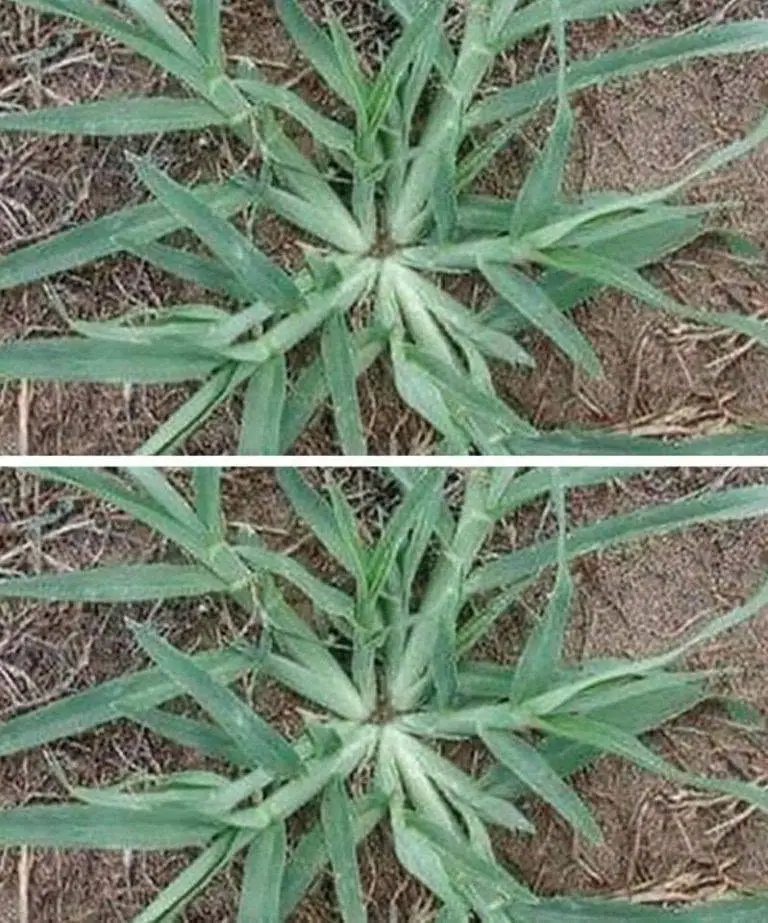
One plant commonly confused with purslane is spurge.
Although they may appear similar from a distance, spurge should not be eaten.
Purslane
- Thick succulent stems
- Smooth shiny leaves
- No white sap
- Safe when correctly identified
Spurge
- Thin stems
- Small leaves
- Produces white milky sap when broken
- Can irritate skin and should not be consumed
Checking for milky sap is one of the easiest ways to distinguish the two.
Harvesting Purslane Safely
If purslane grows naturally in your yard, make sure it hasn’t been exposed to herbicides, pesticides, or roadside pollution before harvesting.
The best time to harvest is during the morning when the leaves are crisp and hydrated.
Using clean scissors, trim the upper portions of the stems while leaving the roots intact. Healthy plants often continue producing new growth throughout the season.
How to Clean Purslane
Because purslane grows close to the ground, washing it thoroughly is important.
- Remove damaged stems.
- Rinse under cool running water.
- Soak briefly in a bowl of clean water.
- Rinse again.
- Dry using paper towels or a salad spinner.
Proper cleaning removes soil and grit before eating.
Delicious Ways to Enjoy Purslane
Purslane has a refreshing, slightly lemony taste with a pleasant crunch.
It works well in many recipes.
Fresh Salads
Mix purslane with:
- Cucumbers
- Tomatoes
- Red onion
- Feta cheese
- Olive oil
- Lemon juice
Smoothies
Blend a handful with:
- Spinach
- Pineapple
- Banana
- Apple
- Yogurt
Soups
Add chopped purslane during the final few minutes of cooking for extra texture and nutrition.
Stir-Fries
Its succulent leaves hold up surprisingly well when lightly sautéed with garlic and olive oil.
Simple Garlic Purslane Recipe
Ingredients
- 2 cups fresh purslane
- 2 tablespoons olive oil
- 2 cloves garlic, minced
- Salt
- Black pepper
- Fresh lemon juice
Instructions
Heat olive oil over medium heat.
Cook garlic for about one minute.
Add the purslane and stir gently until slightly wilted.
Season with salt and pepper.
Finish with a squeeze of fresh lemon before serving.
It’s an easy side dish that pairs beautifully with grilled chicken, fish, rice, or roasted vegetables.
Can You Grow Purslane Intentionally?
Absolutely.
Many gardeners now cultivate purslane instead of treating it as a weed.
It grows well in:
- Raised beds
- Containers
- Herb gardens
- Sunny borders
Because it tolerates heat and drought, purslane requires very little maintenance.
Regular harvesting encourages fresh new growth throughout the season.
Frequently Asked Questions
Is purslane safe to eat?
Yes, when correctly identified and harvested from clean locations, purslane is widely consumed as an edible vegetable in many parts of the world.
Can I eat it raw?
Yes. Young stems and leaves are commonly enjoyed raw in salads or sandwiches.
Does purslane taste like spinach?
Not exactly. It has a crisp texture with a mild, slightly tangy, lemon-like flavor.
Why does it grow everywhere?
Purslane produces many tiny seeds and thrives in warm weather, making it one of the easiest wild edible plants to spread naturally.
Should everyone eat purslane?
People with kidney stone concerns or those following medically prescribed diets should consult a healthcare professional before making significant dietary changes, as purslane contains oxalates.
Final Thoughts
Sometimes nature surprises us by hiding remarkable treasures in ordinary places.
Purslane is a perfect example. What many gardeners see as an unwanted weed is actually a nutritious edible plant that has nourished communities for generations. Rich in vitamins, minerals, antioxidants, fiber, and plant-based omega-3 fatty acids, it has earned its reputation as one of nature’s most overlooked superfoods.
The next time you notice this low-growing succulent in your garden, don’t rush to pull it out. Take a closer look, identify it carefully, and consider giving it a place on your dinner table instead of your compost pile.
A little knowledge can transform an overlooked weed into one of the healthiest ingredients growing right outside your door.
More Blog
- Drinking Water on an Empty Stomach — What Science Actually Supports (No Hype, Just Facts)
- Waking Up Between 3 and 5 AM? It Might Be Your Soul Trying to Talk to You
- What a “Bleach” Patch on Your Underwear Really Means — And Why It’s Actually a Good Sign
- This Drink May Weaken Your Bones From The Inside — But Everyone Drinks It Anyway