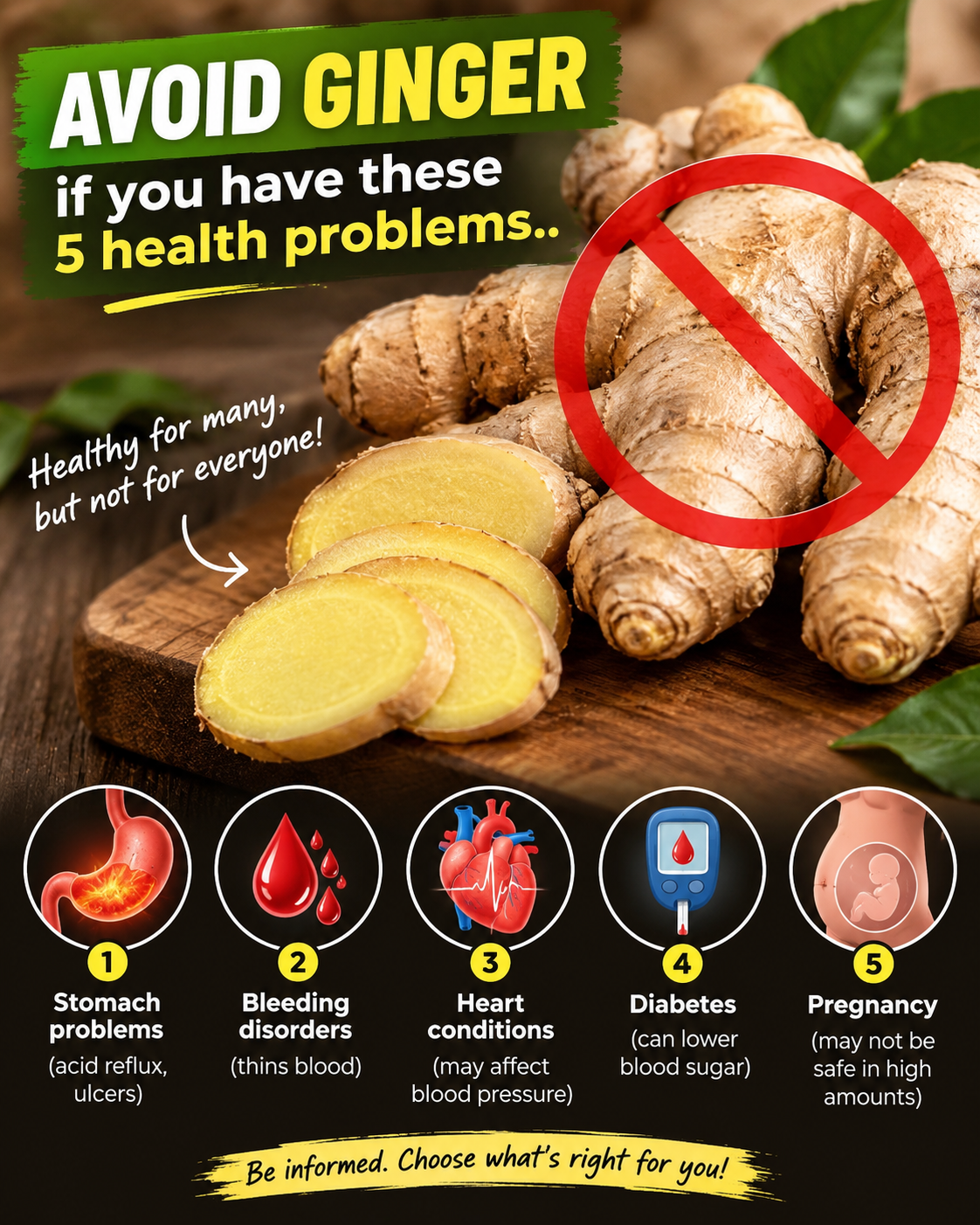
Love Ginger? Think Twice If You Have Any of These 5 Health Conditions because ginger can affect the body in ways that matter when certain medical issues or medications are involved. Ginger is widely used in cooking, tea, supplements, and traditional remedies. Many people enjoy it for its strong flavor and its reputation for helping with nausea, digestion, and inflammation.
For most healthy adults, normal culinary amounts of ginger can fit into a balanced diet. However, large amounts, concentrated supplements, and frequent medicinal use may deserve more caution. That becomes especially important if you take prescription medication or have a condition that affects bleeding, blood pressure, blood sugar, pregnancy, or the gallbladder.
I started thinking differently about ginger after noticing how easy it was to consume much more than a typical food serving. A few slices in a stir-fry felt completely different from a strong ginger shot, several cups of concentrated tea, or a supplement. That distinction matters. Foods often become more powerful when people consume them in concentrated forms, and that can change how they interact with medications or existing health problems. Ginger can still be useful and enjoyable, but more is not always better. Understanding when caution makes sense helps you use it more wisely.
How Ginger Can Affect the Body
Ginger Contains Active Plant Compounds
Ginger contains naturally occurring compounds such as gingerols and shogaols. These substances contribute to ginger’s distinctive spicy flavor and many of the biological effects researchers have studied.
Ginger may influence digestion, inflammation, nausea, blood clotting, blood pressure, and blood glucose. However, the size of these effects can vary greatly depending on the amount consumed, the form of ginger, and the individual’s health.
Fresh ginger used in cooking generally provides a much smaller amount than concentrated extracts or supplements.
That difference matters.
Someone who adds a teaspoon of grated ginger to dinner may receive a very different dose than someone who takes capsules every day.
Because of this, broad statements such as “ginger is always safe” or “ginger is dangerous” oversimplify the issue.
For most people, culinary ginger causes no major problem.
However, people with certain health conditions may need to pay attention to larger or more concentrated amounts.
The same applies to medication interactions.
Natural compounds can still affect the body strongly enough to matter when combined with prescription drugs.
Therefore, the safest approach is to look at the whole picture rather than treating ginger as either a miracle remedy or something everyone should avoid.
Food Amounts and Supplements Are Not the Same
One of the most important distinctions involves dose.
Ginger appears in many forms, including fresh root, dried powder, tea, juice, shots, candy, extracts, and capsules.
These forms can deliver very different amounts.
A small amount in soup or stir-fry usually counts as ordinary food use.
By contrast, concentrated supplements may provide much higher doses in a single serving.
Strong ginger shots can also deliver a large amount quickly.
That difference may become important for people taking medication.
For example, someone on a blood thinner may tolerate normal food amounts without difficulty but still need medical advice before taking a concentrated supplement.
Similarly, someone managing diabetes may eat ginger in meals without noticing a problem but may respond differently to regular high-dose supplementation.
This does not mean supplements are always unsafe.
It simply means concentrated products deserve more caution.
Reading labels also matters because supplements can vary widely in dose and composition.
Additionally, herbal products may contain other ingredients that change their effects.
For that reason, anyone with a chronic condition or regular medication use should treat ginger supplements more seriously than ordinary culinary ginger.
Five Health Conditions That May Require Extra Caution
Bleeding Disorders, Low Blood Pressure, and Diabetes
The first three concerns involve systems that ginger may influence.
People with bleeding disorders should use caution with high amounts of ginger because ginger may affect platelet activity and blood clotting.
That concern becomes more important for people taking anticoagulant or antiplatelet medications.
Examples may include medications prescribed after certain heart conditions, blood clots, strokes, or surgeries.
Normal food amounts may not cause a problem for everyone, but concentrated supplements could potentially increase bleeding risk in some individuals.
Low blood pressure creates another consideration.
Some research suggests ginger may modestly affect blood pressure.
For someone whose blood pressure already runs low, large amounts could theoretically contribute to dizziness or weakness, especially when combined with blood pressure medication.
Diabetes adds a third issue.
Ginger has been studied for possible effects on blood glucose.
That may sound beneficial, but people taking insulin or glucose-lowering medication can face problems if blood sugar falls too low.
Therefore, someone with diabetes should not increase concentrated ginger intake dramatically without considering medication and glucose monitoring.
The key point is not that ginger automatically causes dangerous changes.
Instead, the concern involves possible additive effects when a person already has a condition or takes medication that influences the same system.
Pregnancy and Gallbladder Problems Also Deserve Attention
Pregnancy often brings ginger into the conversation because many people use it to manage nausea.
Small amounts of ginger have been studied for pregnancy-related nausea, and many pregnant people use ginger-containing foods or beverages.
However, pregnancy is also a time when supplement use deserves extra care.
High-dose products or frequent concentrated use may not be appropriate for everyone.
Individual factors such as bleeding risk, medications, pregnancy complications, and timing can all matter.
Therefore, pregnant people should discuss regular high-dose ginger or supplements with their healthcare professional.
Gallbladder disease creates a different concern.
Ginger may influence digestive activity and bile flow.
That has led to caution around concentrated ginger use in people with gallstones or other gallbladder problems.
Someone with known gallstones who experiences pain after meals should not assume ginger supplements will help digestion.
In some cases, digestive stimulation could worsen symptoms.
Again, ordinary food amounts and concentrated products should not automatically be treated the same way.
A small amount of ginger in a meal may be very different from a daily high-dose supplement.
Anyone with gallstones, recurrent right-sided abdominal pain, or known gallbladder disease should seek individualized medical guidance before using concentrated ginger products regularly.
Medication Interactions and Warning Signs to Watch For
Ginger May Add to the Effects of Certain Medications
Medication interactions deserve more attention than many people realize.
A natural product can still influence the same body systems targeted by prescription drugs.
For example, anticoagulant medications reduce the blood’s ability to form clots.
If high-dose ginger also affects platelet activity, combining the two may create a stronger effect than intended.
The same principle applies to blood pressure medication.
If medication lowers blood pressure and large amounts of ginger also have a mild blood pressure-lowering effect, some people may experience lightheadedness or weakness.
Diabetes medications create another possible overlap.
If ginger contributes to lower blood glucose while medication does the same thing, the combined effect may increase the risk of hypoglycemia in susceptible individuals.
Symptoms of low blood sugar may include sweating, shakiness, confusion, hunger, weakness, or dizziness.
However, not every person experiences the same interaction.
Dose, medication type, age, kidney and liver function, diet, and other health conditions all matter.
Therefore, people should avoid making medication changes based on ginger use alone.
Do not stop prescribed medication because you started drinking ginger tea or taking a supplement.
Instead, discuss regular concentrated ginger use with a pharmacist, doctor, or other qualified healthcare professional who can evaluate the specific medication combination.
Know When Symptoms Need Medical Attention
Most people tolerate ginger well, but side effects can occur.
Common problems may include heartburn, stomach irritation, burping, or abdominal discomfort.
These effects often become more noticeable with larger amounts.
However, some symptoms deserve more attention.
Unusual bruising, frequent nosebleeds, black or bloody stools, or bleeding that does not stop could indicate a more serious problem and should not be ignored.
Persistent dizziness or fainting may point to low blood pressure or another medical issue.
People with diabetes should pay attention to symptoms of hypoglycemia, especially after changing supplement use.
Pregnant people should seek medical advice for severe or persistent symptoms rather than relying only on ginger or other home remedies.
Gallbladder symptoms may include severe pain in the upper right abdomen, pain after fatty meals, nausea, or vomiting.
Sudden severe symptoms require prompt evaluation.
Allergic reactions are uncommon but possible.
Swelling, hives, difficulty breathing, or throat tightness require urgent medical attention.
The broader lesson is simple.
Ginger may cause mild digestive effects, but significant symptoms should not be explained away simply because the product is natural.
How to Use Ginger More Safely
Culinary Ginger Is Usually the Simplest Choice
For most healthy adults, using ginger in ordinary food amounts offers an easy way to enjoy its flavor without consuming highly concentrated doses.
Fresh ginger works well in soups, stir-fries, curries, sauces, marinades, and rice dishes.
You can also add a few thin slices to hot water for a mild beverage.
Ground ginger works well in baking, oatmeal, and some savory recipes.
The key is moderation.
You do not need large amounts to get strong flavor.
This approach also makes it easier to keep ginger within the context of normal food rather than treating it as a medication.
If you enjoy ginger tea, pay attention to how strong you make it and how often you drink it.
A lightly infused tea differs from a highly concentrated brew consumed several times each day.
Ginger candy and sweetened ginger drinks deserve separate consideration because they may contain substantial added sugar.
That matters especially for people managing blood glucose.
Likewise, ginger shots may contain large amounts of ginger along with fruit juice or sweeteners.
Therefore, check labels rather than assuming every ginger product offers the same nutritional profile.
Simple food use usually gives you the most control over dose and ingredients.
Supplements Require More Thought
Ginger supplements can deliver far more concentrated amounts than a typical serving of food.
For healthy adults, that still does not automatically make them unsafe.
However, people with chronic health conditions should approach supplements more carefully.
Anyone taking blood thinners, blood pressure drugs, diabetes medications, or multiple prescription medications should review supplement use with a healthcare professional.
Pregnant people should do the same before using high-dose ginger products regularly.
People awaiting surgery should also tell their medical team about supplements because some products can affect bleeding or other aspects of care.
Always check the label for the amount per serving.
Do not assume two brands provide the same dose.
Additionally, avoid taking more than the label suggests simply because ginger comes from a plant.
More is not necessarily more effective.
If you notice new symptoms after starting a supplement, stop and consider whether the product could be contributing.
Most importantly, do not use ginger supplements as a replacement for prescribed treatment.
Ginger can complement food and, in some situations, may have useful effects. However, it cannot replace individualized medical care.
Frequently Asked Questions
Should people on blood thinners avoid ginger completely?
Not necessarily. Small culinary amounts may be acceptable for many people, but concentrated supplements or large daily amounts deserve more caution. Anyone taking anticoagulant or antiplatelet medication should ask their healthcare professional about regular high-dose ginger use.
Can ginger make blood pressure too low?
Ginger may have a modest effect on blood pressure in some people. Someone who already has low blood pressure or takes blood pressure medication may be more sensitive to large amounts or concentrated supplements.
Is ginger safe for people with diabetes?
Ginger can often fit into a diabetes-friendly diet. However, concentrated ginger may affect blood glucose. People taking insulin or other glucose-lowering medication should monitor carefully and discuss supplement use with their healthcare team.
Can pregnant people drink ginger tea?
Many pregnant people use ginger for nausea, but strength and amount matter. Mild food-based use may be different from concentrated supplements. Pregnant people should discuss regular high-dose use with their healthcare professional, especially if they have pregnancy complications or take medication.
Is ginger bad for gallstones?
Ginger may affect digestive activity and bile flow, so people with gallstones or gallbladder disease should be cautious with concentrated ginger products. Anyone with recurring gallbladder symptoms should get individualized medical advice.
Conclusion
Love Ginger? Think Twice If You Have Any of These 5 Health Conditions does not mean ginger suddenly becomes an unhealthy food.
For most healthy adults, ordinary amounts used in cooking can remain a flavorful part of a balanced diet.
However, bleeding disorders, low blood pressure, diabetes treated with medication, pregnancy, and gallbladder problems can all make concentrated ginger use more complicated.
The biggest difference often comes down to dose.
A few slices of ginger in dinner do not equal a high-dose supplement, strong extract, or concentrated shot.
That distinction matters because larger amounts may interact with medications or affect systems such as blood clotting, blood pressure, blood glucose, digestion, and bile flow.
Therefore, moderation offers the simplest approach.
Use ginger as food, pay attention to how your body responds, and take concentrated supplements more seriously.
If you have a chronic health condition or take prescription medication, discuss regular high-dose ginger use with a qualified healthcare professional rather than assuming that “natural” automatically means risk-free.
Ginger can still be a useful and enjoyable ingredient. The goal is not to fear it, but to use it with enough awareness to match your individual health needs.
More Blog
- Drinking Water on an Empty Stomach — What Science Actually Supports (No Hype, Just Facts)
- Waking Up Between 3 and 5 AM? It Might Be Your Soul Trying to Talk to You
- What a “Bleach” Patch on Your Underwear Really Means — And Why It’s Actually a Good Sign
- This Drink May Weaken Your Bones From The Inside — But Everyone Drinks It Anyway