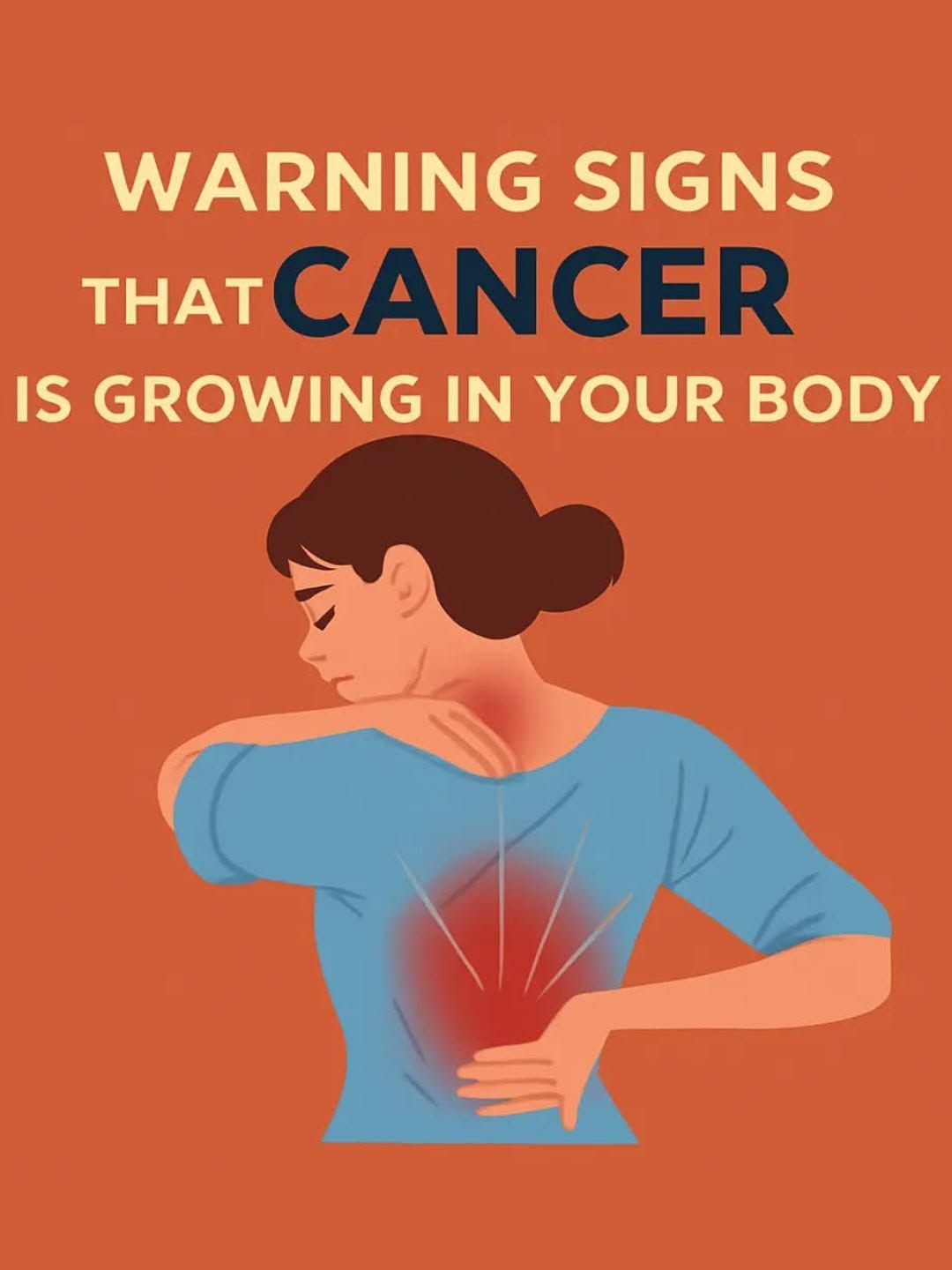
5 Warning Signs of Cancer Developing in the Body can help you recognize changes that deserve medical attention, but no single symptom can diagnose cancer. Many of the same changes occur with infections, hormonal conditions, digestive problems, stress, medication effects, and other noncancerous conditions.
Still, knowing what is unusual for your body matters. Persistent unexplained weight changes, severe fatigue, a new lump, unusual bleeding, and lasting changes in the skin or normal body functions can sometimes appear with cancer. The American Cancer Society and National Cancer Institute both advise discussing persistent, unexplained, or worsening changes with a healthcare professional rather than waiting for severe pain or other dramatic symptoms.
That distinction matters. 5 Warning Signs of Cancer Developing in the Body should serve as reasons to pay attention, not reasons to assume the worst.
Early evaluation can identify many ordinary and treatable conditions. If cancer does turn out to be the cause, timely diagnosis can also help guide treatment.
I once knew someone who kept dismissing several weeks of unusual tiredness because work had become demanding. Eventually, she scheduled a routine appointment instead of continuing to guess about the cause. Her doctor found a noncancerous medical problem that needed treatment, and her energy gradually returned. The experience stayed with me because it showed how easily people can either ignore symptoms or become frightened by them. Neither extreme helps much. Paying attention, documenting changes, and seeking professional evaluation created a clearer answer. Since then, I have viewed unexplained symptoms as information worth investigating rather than proof that something serious must already be wrong.
Understanding the First Signs Your Body May Be Sending
1. Unexplained Weight Loss or Major Weight Change
Among the 5 Warning Signs of Cancer Developing in the Body, unexplained weight loss often receives considerable attention.
The key word is unexplained.
Weight naturally changes when you alter your diet, become more active, experience major stress, recover from illness, or change medications. However, losing a noticeable amount of weight without trying deserves attention, especially when the change continues.
The American Cancer Society lists unexplained weight loss or gain of about 10 pounds or more among possible cancer-related changes. However, the organization also stresses that most symptoms associated with cancer can result from other conditions.
Several noncancerous issues can cause weight loss. These include thyroid disorders, digestive conditions, diabetes, depression, chronic infections, medication side effects, and changes in appetite.
Therefore, the scale alone cannot tell you what is happening.
Instead, consider the complete pattern.
Are you eating normally?
Has your appetite changed?
Do you feel full unusually quickly?
Have swallowing, digestion, or bowel habits changed?
Are you losing muscle strength?
Has the change continued for several weeks?
These details can help a healthcare professional determine which tests, if any, make sense.
Avoid waiting for a specific number on the scale if the change feels significant or continues without explanation.
At the same time, do not assume that unexplained weight loss means cancer. It represents one possible signal among many.
The purpose of recognizing 5 Warning Signs of Cancer Developing in the Body is to notice patterns and seek appropriate evaluation rather than diagnose yourself.
2. Persistent Fatigue That Rest Does Not Resolve
Everyone feels tired sometimes.
A poor night of sleep, stressful week, demanding job, illness, travel, or intense exercise can leave you exhausted. Usually, however, ordinary fatigue improves after rest or after the cause passes.
Persistent fatigue feels different.
You may sleep for a normal amount of time yet still wake feeling drained. Regular activities may suddenly demand much more effort. Concentration can become difficult, and you may feel physically or mentally depleted.
The National Cancer Institute notes that severe, lasting fatigue can occur with cancer, although many other health problems also cause it. The American Cancer Society similarly lists extreme tiredness that does not improve with rest among possible symptoms worth discussing with a healthcare provider.
Cancer can sometimes contribute to fatigue through inflammation, altered metabolism, blood loss, or anemia. Some blood cancers can also interfere with normal blood-cell production. However, those explanations represent only part of the picture.
Far more common causes can include iron deficiency, sleep disorders, thyroid disease, depression, infections, medication effects, vitamin deficiencies, and chronic medical conditions.
Consequently, fatigue requires context.
Pay attention when exhaustion lasts for weeks, keeps worsening, interferes with daily life, or appears alongside other unexplained changes.
Do not simply push through severe fatigue indefinitely because you assume everyone feels tired.
Likewise, do not interpret every tired day as one of the 5 Warning Signs of Cancer Developing in the Body.
Duration, severity, associated symptoms, and changes from your normal energy level matter much more.
Physical Changes That Deserve a Closer Look
3. A New Lump, Swelling, or Unusual Thickening
A lump often creates immediate anxiety because many people strongly associate lumps with cancer.
However, many lumps are benign.
Cysts, swollen lymph nodes, lipomas, inflammation, injuries, hormonal changes, and infections can all create noticeable masses.
Even so, a new or persistent lump deserves proper assessment.
The National Cancer Institute includes swelling or lumps in areas such as the neck, underarm, abdomen, and groin among possible cancer symptoms. The American Cancer Society also advises getting unexplained swelling or lumps evaluated, particularly when they persist or change.
Location alone cannot determine whether a lump is concerning.
Instead, healthcare professionals consider several features, including size, firmness, mobility, tenderness, duration, and whether the area changes over time.
For example, lymph nodes can enlarge during an infection and later return to normal.
A harmless fatty lump may remain stable for years.
Other masses may need imaging or additional examination.
Therefore, avoid repeatedly pressing, squeezing, or trying to diagnose the area yourself.
Instead, note when you first noticed it and whether it has grown or changed.
Breast lumps also deserve individualized evaluation because breast tissue naturally changes across hormonal cycles, age, pregnancy, and other life stages.
Similarly, a lump under the skin does not automatically indicate a tumor.
Among the 5 Warning Signs of Cancer Developing in the Body, lumps deserve attention because they are visible or touchable changes that can sometimes provide an early reason to investigate.
However, proper diagnosis depends on medical evaluation rather than appearance alone.
If a lump persists, enlarges, feels unusual, or concerns you, schedule an examination.
4. Unusual Bleeding or Unexplained Bruising
Unusual bleeding represents another important category among the 5 Warning Signs of Cancer Developing in the Body.
Examples can include blood in the urine, blood in the stool, unexpected vaginal bleeding, coughing up blood, vomiting blood, or unexplained bruising.
However, these symptoms have many possible causes.
Hemorrhoids can cause rectal bleeding.
Urinary tract infections and kidney stones can cause blood in the urine.
Hormonal changes can alter menstrual bleeding.
Certain medications can increase bruising.
Dental problems can cause bleeding from the mouth.
Therefore, the presence of blood does not tell you the cause by itself.
Still, unexplained bleeding should not be repeatedly ignored.
The National Cancer Institute lists bleeding or bruising without a known reason among symptoms that warrant attention. The American Cancer Society also includes blood in the stool, blood in the urine, unusual bleeding, and unexplained bruising among possible signs associated with cancer and other medical conditions.
Look at the entire pattern.
Did the bleeding happen once or repeatedly?
Is the amount increasing?
Does it accompany pain?
Have bowel or bladder habits changed?
Are you taking medicines that affect clotting?
Have you recently had an injury or procedure?
Sharing those details can help a healthcare professional determine the next step.
Seek urgent medical care for heavy bleeding, vomiting blood, coughing up significant blood, black tarry stools accompanied by weakness, or symptoms such as fainting, severe dizziness, chest pain, or shortness of breath.
Recognizing this item among the 5 Warning Signs of Cancer Developing in the Body means taking unexplained bleeding seriously without assuming cancer automatically caused it.
Changes in Skin and Everyday Body Functions
5. Persistent Skin Changes or Sores That Do Not Heal
Skin provides one of the easiest places to notice changes because you can often see them directly.
A new mole, changing mole, unexplained growth, persistent sore, or unusual area of skin deserves attention when it continues or evolves.
The American Cancer Society lists new or changing skin spots and sores that do not heal among possible warning signs. It also notes that skin cancers can appear in different ways, including scaly patches, unusual bumps, bleeding areas, or sores that heal and then return.
Again, many skin changes are harmless.
Moles can remain benign throughout life.
Rashes can come from allergies, irritation, medications, infections, eczema, and countless other causes.
Minor wounds sometimes heal slowly because of diabetes, poor circulation, repeated friction, or other health issues.
However, change over time matters.
Pay particular attention to a spot that grows, repeatedly bleeds, changes shape or color, develops an unusual surface, or fails to heal.
Take a clear photo with the date when you first notice a questionable area. Then compare it later rather than relying only on memory.
A dermatologist or other healthcare professional can examine suspicious areas more accurately.
Skin changes also illustrate why 5 Warning Signs of Cancer Developing in the Body should never become a home diagnostic checklist.
Two spots can look similar to an untrained eye while having completely different causes.
Therefore, observation provides the starting point, while professional assessment provides the appropriate next step.
Persistent Changes in Bowel, Bladder, Cough, or Swallowing Patterns
Although this guide focuses on 5 Warning Signs of Cancer Developing in the Body, persistent changes in normal body functions also deserve mention because cancer symptoms vary widely depending on where a problem develops.
The National Cancer Institute includes lasting bowel changes, bladder changes, cough or hoarseness that does not resolve, and persistent swallowing or digestive difficulties among symptoms that can sometimes accompany cancer.
Most of these symptoms still have noncancerous explanations.
Constipation can follow dietary changes or medications.
Diarrhea may result from an infection.
Frequent urination can occur with diabetes or urinary problems.
A cough may linger after a respiratory infection.
Heartburn can cause swallowing discomfort.
However, a persistent change from your normal pattern deserves attention.
For example, talk with a healthcare professional if a cough continues for weeks without improving, especially if you also develop breathing difficulty, unexplained weight loss, or blood.
Likewise, get evaluated when bowel or bladder changes persist without an obvious explanation.
Difficulty swallowing that continues or worsens also deserves assessment.
The same principle applies throughout the 5 Warning Signs of Cancer Developing in the Body.
Do not focus only on whether a symptom can occur with cancer.
Instead, ask whether it represents a significant, unexplained, persistent, or worsening change from your usual health.
That approach reduces unnecessary panic while still encouraging timely care.
How to Respond to Symptoms Without Panic
When You Should Schedule a Medical Appointment
Knowing the 5 Warning Signs of Cancer Developing in the Body becomes useful only when you understand what to do next.
The National Cancer Institute advises seeing a healthcare professional when concerning symptoms persist for a couple of weeks or fail to improve. It also warns against waiting for pain, since some cancers do not cause pain early on.
You should also consider an appointment sooner when a change feels significant.
Examples include a rapidly enlarging lump, unexplained bleeding, major weight loss, persistent severe fatigue, or a changing skin lesion.
Prepare for the visit by documenting what you have noticed.
Write down when the symptom began.
Note how often it happens.
Record whether anything improves or worsens it.
List other symptoms that appeared around the same time.
Bring an updated medication list.
Also mention relevant family medical history when appropriate.
These details give your healthcare professional more information than a vague statement such as “I haven’t felt right.”
Depending on the situation, the evaluation may include a physical examination, blood tests, imaging, screening tests, or referral to a specialist.
Sometimes the investigation finds a very ordinary cause.
Other times, it identifies something that needs prompt treatment.
Either outcome makes evaluation worthwhile.
The important point is that 5 Warning Signs of Cancer Developing in the Body cannot tell you whether you have cancer.
They can only help you recognize changes that justify professional attention.
Screening Still Matters When You Feel Completely Well
Symptoms represent only one part of cancer detection.
Some cancers can develop without obvious symptoms during their earlier stages.
Therefore, feeling well does not replace age- and risk-appropriate screening.
The American Cancer Society notes that screening can sometimes identify cancers before symptoms appear.
Recommended screening depends on several factors, including age, sex, personal history, family history, smoking history, and other risk factors.
For example, healthcare professionals may recommend screening for colorectal, breast, cervical, or lung cancer in appropriate groups.
However, the correct screening schedule varies by individual.
Discuss your personal screening needs during routine healthcare visits instead of relying on a universal schedule found online.
Also remember that screening tests serve people without symptoms.
If you already have a concerning symptom, tell your healthcare professional directly rather than assuming a routine screening test will investigate it properly.
This distinction matters.
For example, regular screening does not mean you should ignore a new lump, unexplained bleeding, or a persistent change because your previous test looked normal.
Likewise, experiencing one of the 5 Warning Signs of Cancer Developing in the Body does not necessarily mean that a screening test is the correct next test.
A clinician can determine which evaluation fits the specific symptom.
The most balanced strategy combines awareness of bodily changes with routine preventive care.
Frequently Asked Questions
Do these 5 warning signs mean I have cancer?
No. The 5 Warning Signs of Cancer Developing in the Body can occur with cancer, but they commonly occur with noncancerous conditions as well. Only an appropriate medical evaluation can determine the cause of a persistent or unexplained symptom.
How long should I wait before seeing a doctor about a symptom?
Do not use a rigid waiting period for every symptom. The National Cancer Institute advises medical evaluation for symptoms that last for a couple of weeks without improvement. However, significant bleeding, rapidly worsening symptoms, severe pain, breathing problems, or other urgent changes may need earlier care.
Is unexplained fatigue usually cancer?
No. Fatigue has many common causes, including poor sleep, anemia, infections, thyroid problems, stress, depression, medications, and other conditions. However, persistent severe fatigue that does not improve with rest deserves medical evaluation.
Does a painless lump need to be checked?
A painless lump can still deserve examination, particularly if it persists, grows, or feels unusual. Many painless lumps are benign, but pain alone cannot distinguish a harmless lump from one that needs further evaluation.
Can cancer develop without any warning signs?
Yes. Some cancers cause few or no noticeable symptoms during early stages. That is one reason routine screening matters for people who meet recommended age and risk criteria.
Conclusion
5 Warning Signs of Cancer Developing in the Body include unexplained weight changes, persistent severe fatigue, new or unusual lumps, unexplained bleeding or bruising, and lasting skin or body-function changes.
However, none of these symptoms proves that cancer is present.
In fact, many common and treatable conditions can cause exactly the same changes.
That reality should encourage a balanced response.
Do not panic because one symptom appears. At the same time, do not ignore a significant change simply because it might have a harmless explanation.
Track what is happening.
Notice how long it lasts.
Pay attention to whether it worsens.
Then discuss unexplained or persistent changes with a qualified healthcare professional.
The purpose of understanding 5 Warning Signs of Cancer Developing in the Body is not to make people diagnose themselves. Instead, it is to recognize when the body has changed enough to deserve appropriate attention.
Routine screening also remains important because some cancers can exist before noticeable symptoms appear.
By combining symptom awareness, preventive care, and timely medical evaluation, you can make informed decisions without turning every unexplained change into a reason for fear.
WP Recipe Maker JSON Import
{
  "title": "5 Warning Signs of Cancer Developing in the Body — Don’t Ignore These Subtle Signals",
  "summary": "An educational guide to five possible cancer warning signs, including unexplained weight change, persistent fatigue, new lumps, unusual bleeding, and lasting skin or body-function changes.",
  "notes": "This is an informational health guide rather than a food recipe. These symptoms have many possible noncancerous causes and cannot diagnose cancer. Persistent, unexplained, worsening, or concerning symptoms should be evaluated by an appropriate healthcare professional.",

  "ingredients_flat": [
    { "amount": "1", "unit": "", "name": "awareness of unexplained body changes" },
    { "amount": "1", "unit": "", "name": "record of symptom duration and progression" },
    { "amount": "1", "unit": "", "name": "current medication and health history" },
    { "amount": "1", "unit": "", "name": "professional medical evaluation when appropriate" }
  ],

  "instructions_flat": [
    {
      "name": "Step 1",
      "text": "Notice significant changes from your normal health, including unexplained weight changes, persistent severe fatigue, new lumps, unusual bleeding, or lasting skin changes.",
      "summary": "",
      "image_url": ""
    },
    {
      "name": "Step 2",
      "text": "Record when the change began, how frequently it occurs, whether it is worsening, and any other symptoms that appeared at the same time.",
      "summary": "",
      "image_url": ""
    },
    {
      "name": "Step 3",
      "text": "Avoid assuming that a symptom confirms cancer because infections, hormonal conditions, medications, benign growths, and many other problems can cause similar changes.",
      "summary": "",
      "image_url": ""
    },
    {
      "name": "Step 4",
      "text": "Arrange medical evaluation when a symptom remains unexplained, persists, worsens, or significantly differs from your usual health.",
      "summary": "",
      "image_url": ""
    },
    {
      "name": "Step 5",
      "text": "Continue age- and risk-appropriate preventive screening even when you feel well, following individualized guidance from your healthcare professional.",
      "summary": "",
      "image_url": ""
    }
  ],

  "equipment": [
    { "name": "Calendar or symptom journal", "notes": "" },
    { "name": "Home scale if monitoring weight", "notes": "" },
    { "name": "Camera for documenting visible changes", "notes": "" },
    { "name": "Healthcare professional", "notes": "" }
  ],

  "nutrition": {
    "calories": "0",
    "carbohydrates": "0 g",
    "protein": "0 g",
    "fat": "0 g",
    "saturated_fat": "0 g",
    "polyunsaturated_fat": "0 g",
    "monounsaturated_fat": "0 g",
    "trans_fat": "0 g",
    "cholesterol": "0 mg",
    "sodium": "0 mg",
    "potassium": "0 mg",
    "fiber": "0 g",
    "sugar": "0 g",
    "vitamin_a": "0 IU",
    "vitamin_c": "0 mg",
    "calcium": "0 mg",
    "iron": "0 mg"
  },

  "tags": {
    "course": ["Informational Health Guide"],
    "cuisine": ["Not Applicable"],
    "keyword": ["5 Warning Signs of Cancer Developing in the Body", "cancer warning signs", "possible cancer symptoms", "early cancer symptoms", "persistent unexplained symptoms"]
  }
}
SEO Output
Focus Keyword: 5 Warning Signs of Cancer Developing in the Body
SEO Title: 5 Warning Signs of Cancer Developing in the Body to Know
Meta Description: 5 Warning Signs of Cancer Developing in the Body explains persistent changes that deserve medical attention without causing unnecessary alarm.
Expert SEO Title: 5 Warning Signs of Cancer: Essential Symptoms to Know
Midjourney Prompt: compassionate health awareness concept showing a diverse healthy adult thoughtfully noticing subtle body changes, tasteful medical infographic-inspired composition with symbolic elements for unexplained weight change, fatigue, a small lump, unusual bleeding awareness and changing skin spot, calm clinical environment, realistic professional health photography, no graphic disease imagery, soft natural lighting, trustworthy and reassuring visual tone, vertical composition, clean neutral background, generous negative space near the upper portion for Pinterest text overlay –v 6 –ar 2:3
More Blog
- Drinking Water on an Empty Stomach — What Science Actually Supports (No Hype, Just Facts)
- Waking Up Between 3 and 5 AM? It Might Be Your Soul Trying to Talk to You
- What a “Bleach” Patch on Your Underwear Really Means — And Why It’s Actually a Good Sign
- This Drink May Weaken Your Bones From The Inside — But Everyone Drinks It Anyway