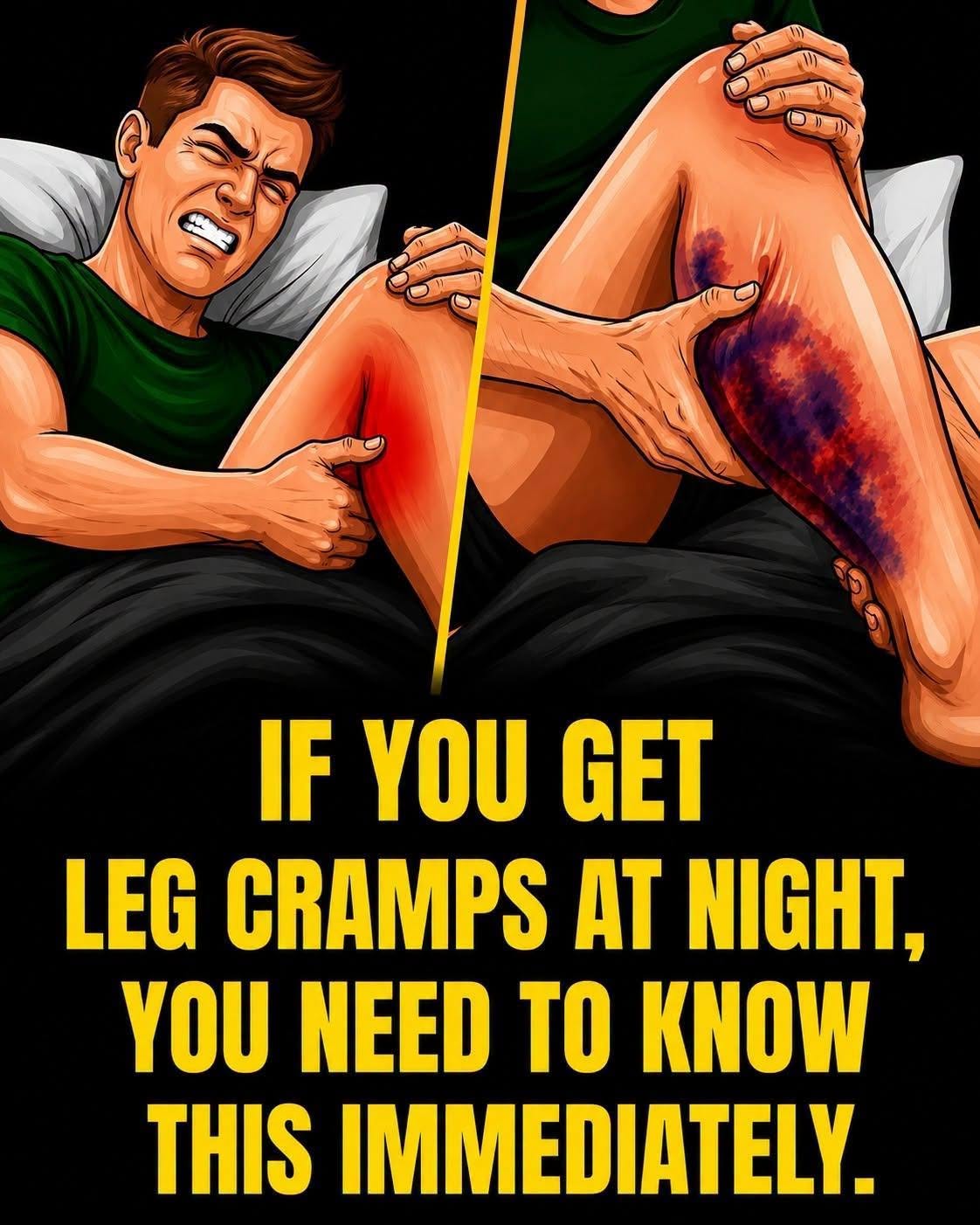
Picture this: It’s 2:00 AM. You’re sleeping peacefully when suddenly, a sharp, powerful pain grabs your calf.
Your muscle tightens into a hard knot. You sit up, reach for your leg, and instinctively try to stretch it while wondering how something so painful could happen out of nowhere.
That familiar experience is often called a “Charley horse,” or more formally, a muscle cramp.
Nighttime leg cramps are especially frustrating because they can interrupt otherwise restful sleep. They become more common with age, but getting older isn’t the only possible explanation. Muscle fatigue, prolonged sitting or standing, dehydration, certain medications, and some underlying medical conditions can all play a role.
The good news is that most occasional nighttime leg cramps are harmless and resolve on their own.
The key is knowing what to do when one strikes, how to reduce the chances of another cramp, and when frequent cramps deserve a conversation with a healthcare professional.
What Exactly Is a Nighttime Leg Cramp?
A nighttime leg cramp is a sudden, involuntary contraction of a muscle.
It most commonly affects the calf, although the feet, thighs, and other leg muscles can also cramp.
During a cramp, the affected muscle may feel extremely tight or hard. The pain can last anywhere from a few seconds to several minutes, and the area may remain tender afterward.
Nighttime cramps are sometimes called nocturnal leg cramps because they occur during sleep or while resting in bed.
They aren’t the same thing as restless legs syndrome, which generally causes an uncomfortable urge to move the legs rather than a sudden, painful muscle contraction.
Why Do These Cramps Happen?
Sometimes, there is no obvious cause.
That can be frustrating, but it is actually quite common.
Researchers believe several factors can contribute to nighttime leg cramps.
1. Muscle Fatigue
Overworking a muscle can make it more likely to cramp.
A long walk, vigorous exercise, standing for many hours, or simply doing more physical activity than you’re accustomed to can leave your muscles tired.
For some people, the effects aren’t felt until they are lying quietly in bed.
2. Staying in One Position
Spending long periods sitting or standing can contribute to muscle stiffness.
Your sleeping position may also play a role. Keeping the toes pointed downward for extended periods can shorten the calf muscles and may make cramping more likely in some people.
3. Dehydration
Being dehydrated can contribute to muscle discomfort and may increase the likelihood of cramping, particularly after heavy sweating or strenuous activity.
But it’s important not to assume that every leg cramp means you are deficient in electrolytes.
Drinking excessive amounts of water or taking large amounts of electrolyte supplements isn’t necessarily helpful and can sometimes be harmful.
4. Certain Medications
Some medications have been associated with muscle cramps.
Examples can include certain diuretics and other medicines that affect fluid or mineral balance.
If your cramps started after beginning a new medication, don’t stop taking it on your own.
Instead, ask your healthcare professional whether the medication could be contributing.
5. Pregnancy and Other Health Conditions
Leg cramps can occur during pregnancy.
They may also be associated with conditions affecting circulation, nerves, muscles, metabolism, or kidney function.
Frequent or severe cramps therefore deserve more attention than an occasional cramp after an unusually active day.
What Should You Do When a Cramp Strikes?
When a Charley horse wakes you up, the goal is simple: gently encourage the muscle to relax.
Step 1: Stop and Breathe
The pain can be startling, especially when you’re suddenly awakened.
Try to stay calm and avoid aggressively forcing the muscle to stretch.
Step 2: Gently Stretch the Calf
If the cramp is in your calf, straighten your leg as comfortably as possible.
Then gently pull your toes toward your face.
Hold the stretch until the muscle begins to relax.
Don’t bounce or force the movement.
Step 3: Try Gentle Massage
Once the strongest part of the cramp begins to release, gently massage the affected muscle.
Slow, comfortable pressure can help the area relax.
Step 4: Stand and Walk Carefully
If you’re able to do so safely, standing up and taking a few slow steps can sometimes help the muscle release.
If you feel dizzy or unsteady, stay seated or lying down rather than risking a fall.
Step 5: Use Warmth
A warm shower, bath, heating pad, or warm towel may feel soothing after the cramp has passed.
If you use a heating pad, avoid falling asleep with it against your skin.
A Gentle Bedtime Routine for Happier Legs
Instead of relying on a single “miracle” drink, think about creating a simple routine that supports overall muscle health.
Drink According to Thirst
Maintain regular hydration throughout the day, especially if you’ve been exercising, sweating heavily, or spending time in hot weather.
You generally don’t need to force large amounts of water immediately before bed.
Too much fluid at night can simply mean more trips to the bathroom.
Stretch Before Bed
A few gentle calf stretches may be worth trying if nighttime cramps are a recurring problem.
Stand facing a wall and place your hands against it.
Step one foot backward, keeping the heel down, and gently bend the front knee.
Hold the stretch comfortably, then switch sides.
Never stretch into sharp pain.
Keep Your Legs Moving During the Day
If you spend hours sitting, get up periodically and walk around.
If you stand for long periods, gentle movement and changing positions can help reduce stiffness.
Regular physical activity can also support overall strength and mobility.
What About Tart Cherry Juice?
Tart cherry juice is sometimes promoted online as a natural solution for muscle cramps.
Tart cherries contain compounds such as anthocyanins and other polyphenols, and research has investigated their potential effects on exercise recovery, inflammation, and sleep.
However, there isn’t strong evidence that tart cherry juice reliably prevents ordinary nighttime leg cramps.
So if you enjoy it, a small serving can be part of your diet, but it shouldn’t be presented as a proven treatment for nocturnal cramps.
Also remember that juice can contain a significant amount of naturally occurring sugar.
What About Magnesium?
Magnesium is important for normal muscle and nerve function, which is why magnesium supplements are frequently recommended online for leg cramps.
But supplementation isn’t automatically the answer.
For many people with ordinary nighttime leg cramps, magnesium supplements have not been shown to provide a dramatic benefit.
Magnesium may be more useful when someone actually has a deficiency or when a healthcare professional recommends supplementation for a specific reason.
High doses can cause diarrhea and other side effects, and people with certain kidney problems need particular caution.
Rather than automatically taking a supplement, discuss persistent cramps with your healthcare professional.
A Food-First Approach to Magnesium
Instead of immediately reaching for a supplement, you can include magnesium-rich foods in a balanced diet.
Good choices include:
- Pumpkin seeds
- Almonds
- Cashews
- Beans
- Lentils
- Spinach and other leafy greens
- Whole grains
- Avocado
These foods provide magnesium along with fiber and other valuable nutrients.
Be Careful With “Electrolyte” Remedies
This is one area where internet advice can become unnecessarily risky.
Adding large amounts of salt, potassium chloride, or cream of tartar to a bedtime drink isn’t something everyone should do.
Potassium and sodium affect the heart and nervous system, and excessive supplementation can be dangerous, particularly for people with kidney disease or those taking certain medications.
If you have been told that your potassium or sodium is low, follow the treatment plan provided by your healthcare professional rather than creating your own electrolyte mixture.
When Should You Talk to a Doctor?
Occasional nighttime cramps are usually not a reason to panic.
However, it’s worth seeking medical advice if your cramps:
- Happen frequently
- Are becoming more severe
- Regularly disturb your sleep
- Continue for a long time
- Are accompanied by significant swelling
- Occur with numbness or weakness
- Affect your ability to walk normally
- Began after starting a new medication
- Occur along with other concerning symptoms
A healthcare professional can review your medications, medical history, activity level, hydration, and other possible causes.
When Leg Pain Needs Urgent Attention
Not every painful leg symptom is a simple muscle cramp.
Seek urgent medical attention for sudden leg swelling, warmth, redness, significant tenderness, or unexplained pain, particularly if it occurs mainly in one leg.
If leg symptoms occur together with chest pain, difficulty breathing, fainting, or coughing up blood, seek emergency medical care.
These symptoms can have causes that require immediate evaluation.
The Simple “Nighttime Muscle Rescue” Routine
If nighttime cramps are becoming a nuisance, try this gentle routine:
1. During the day: Stay reasonably hydrated and keep your legs moving.
2. Before bed: Perform a few gentle calf stretches.
3. When a cramp strikes: Slowly stretch the affected muscle and massage it gently.
4. Afterward: Use warmth if it feels soothing.
5. If cramps keep returning: Write down when they happen, what activities you did that day, and any medications or supplements you’re taking. Bring that information to your healthcare professional.
The Bottom Line
A nighttime Charley horse can be startling and intensely painful, but occasional leg cramps are usually harmless.
They can occur for many reasons, including muscle fatigue, prolonged inactivity, changes in activity, dehydration, certain medications, and other health factors. Sometimes there is no obvious cause at all.
Rather than searching for one magical bedtime elixir, focus on the basics: regular movement, sensible hydration, gentle stretching, and good overall nutrition.
And if the cramps become frequent, severe, or are accompanied by other symptoms, don’t simply assume they’re part of getting older.
Your body is giving you information.
Sometimes that information is simply, “That muscle had a rough day.”
And sometimes it’s worth asking a healthcare professional to take a closer look.
More Blog
- Drinking Water on an Empty Stomach — What Science Actually Supports (No Hype, Just Facts)
- Waking Up Between 3 and 5 AM? It Might Be Your Soul Trying to Talk to You
- What a “Bleach” Patch on Your Underwear Really Means — And Why It’s Actually a Good Sign
- This Drink May Weaken Your Bones From The Inside — But Everyone Drinks It Anyway