The Benefits and Potential Dangers of Eating Tilapia Fish depend largely on how the fish is sourced, prepared, and incorporated into an overall diet. Tilapia remains one of the most widely eaten fish in the world because it has a mild flavor, cooks quickly, and usually costs less than salmon, tuna, or many other seafood choices.
Nutritionally, tilapia provides lean protein along with nutrients such as vitamin B12, selenium, and phosphorus. It also contains less saturated fat than many fatty cuts of meat. However, tilapia does not provide as much omega-3 fat as oily fish such as salmon, sardines, or trout, so eating a variety of seafood remains a better strategy than relying on one species.
Safety concerns around tilapia often focus on farming practices, contamination, and environmental impact. Some of those concerns are legitimate, but online claims frequently overgeneralize by suggesting that all farmed tilapia is unhealthy or dangerous. Current guidance shows that quality varies by farming system, country, certification, and producer rather than simply by whether the fish is farmed.
I used to think of tilapia as little more than an inexpensive white fish. The more I looked into it, the clearer it became that the real question is not whether tilapia is “good” or “bad.” A frozen fillet from a well-managed, traceable farm can be a very different product from fish raised under poorly controlled conditions. The same applies to nutrition. Tilapia provides useful protein, but it does not replace the heart-health advantages of oily fish. That makes the most sensible approach surprisingly simple: choose reputable sources, cook it properly, and include it as one part of a varied seafood diet.
The Nutritional Benefits of Eating Tilapia Fish
Tilapia Is a Lean Source of Protein
One of the clearest benefits of tilapia is its protein content. A typical serving provides a substantial amount of complete protein, which supplies the essential amino acids your body needs for muscle maintenance, tissue repair, enzymes, hormones, and immune function.
Because tilapia is relatively lean, it can work well for people who want a protein-rich meal without large amounts of saturated fat. Baking, grilling, broiling, steaming, or pan-cooking it with a modest amount of oil keeps the meal relatively light.
Protein can also help with satiety. A balanced meal containing tilapia, vegetables, and a high-fiber carbohydrate such as beans, brown rice, or whole grains may feel more satisfying than a highly processed meal with much less protein.
However, the cooking method can change the nutritional picture. Deep-frying tilapia and serving it with salty sauces adds considerably more calories, sodium, and fat. Therefore, the health value depends partly on what you do with the fish after buying it.
Tilapia also offers convenience. Its neutral flavor pairs easily with lemon, garlic, herbs, tomatoes, peppers, and many different spice blends. That flexibility can make it easier for people who do not usually enjoy strong-tasting fish to include seafood more often.
Tilapia Provides Important Micronutrients
The Benefits and Potential Dangers of Eating Tilapia Fish should also consider its vitamins and minerals. Fish in general can provide nutrients such as vitamin B12, selenium, phosphorus, and, depending on the species and serving, vitamin D.
Vitamin B12 supports normal nerve function and helps the body produce red blood cells. Selenium plays a role in antioxidant defense and thyroid function, while phosphorus contributes to bones, teeth, and energy metabolism.
The FDA also emphasizes that fish can provide nutrients such as protein, vitamin B12, vitamin D, selenium, iron, zinc, choline, and omega-3 fats. The exact amounts differ among species, which is one reason dietary guidance encourages variety instead of depending on one fish.
Tilapia contains omega-3 fatty acids, but far less than oily fish such as salmon, sardines, anchovies, or some trout. That does not make tilapia unhealthy. It simply means tilapia should not be marketed as equivalent to high-omega-3 seafood.
A varied approach works best. Someone might eat tilapia one day because it provides affordable lean protein, then choose salmon or sardines another day to obtain more EPA and DHA omega-3 fats.
That pattern allows tilapia to contribute useful nutrition without asking it to provide every benefit associated with seafood.
Potential Dangers and Misconceptions About Tilapia Fish
Farming Conditions Matter More Than the Word “Farmed”
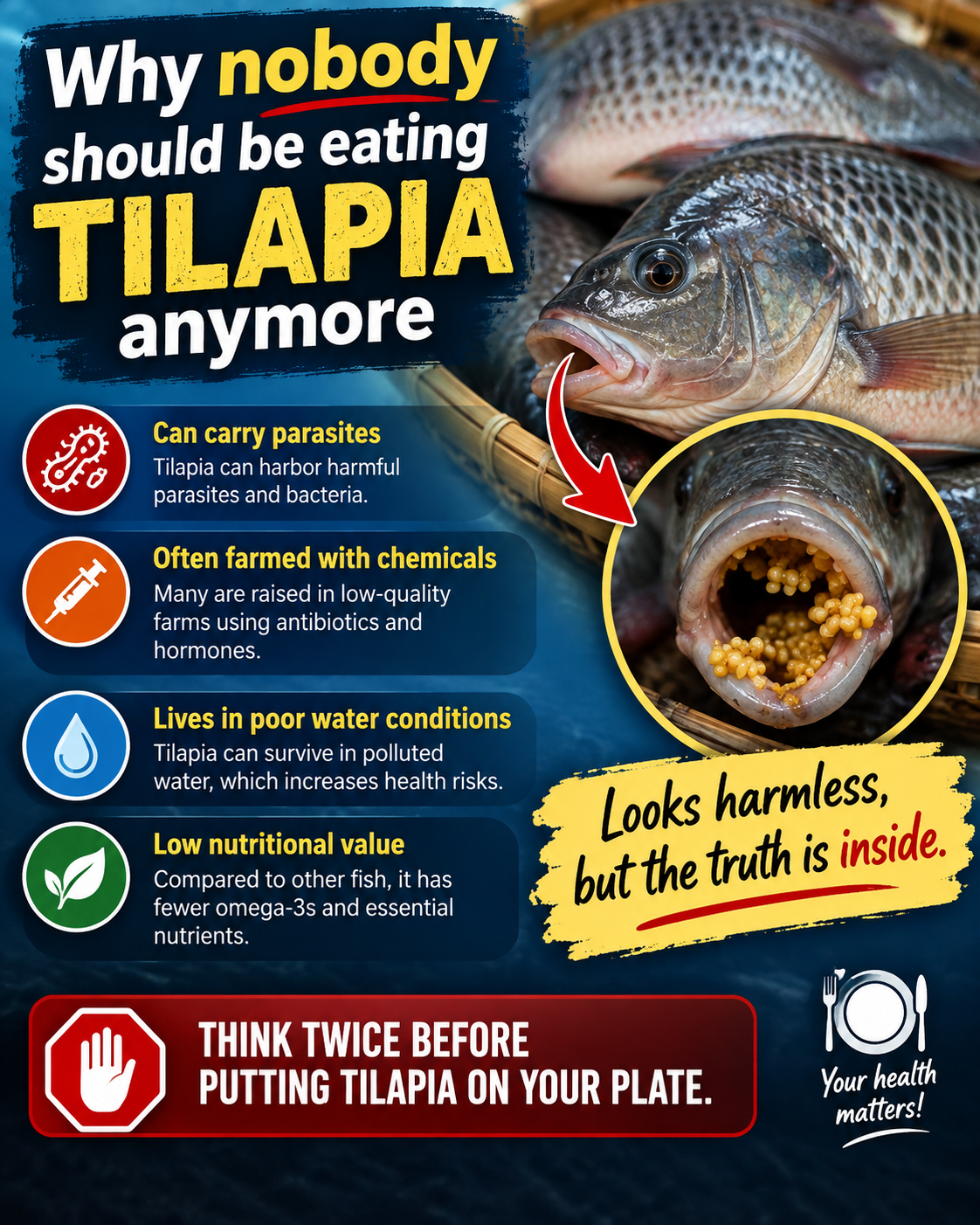
Many alarming articles describe farmed tilapia as inherently dirty or unsafe. That claim oversimplifies a much more complicated industry. Farmed fish can come from highly controlled recirculating systems, well-managed ponds, certified farms, or poorly regulated operations, and those systems do not all carry the same environmental or food-safety profile.
Seafood Watch currently recommends some certified tilapia products and rates tilapia raised in indoor recirculating systems with wastewater treatment as a “Best Choice.” These systems recirculate most of their water and can reduce disease risk, chemical use, and environmental discharge when properly managed.
At the same time, Seafood Watch rates some tilapia sources less favorably because of concerns involving chemicals, disease management, waste, escapes, or environmental impacts. Therefore, origin and production method genuinely matter.
This reality is much more useful than the blanket rule that “wild fish is always better.” Most tilapia available commercially comes from aquaculture, and responsible farming can produce safe, nutritious fish while reducing pressure on some wild fisheries.
Certification can help shoppers identify better-managed products. Programs such as Best Aquaculture Practices and other credible aquaculture certifications evaluate areas such as environmental responsibility, animal health, food safety, and farm management.
When possible, check the package for country of origin, farming information, and certification. That information gives you far more insight than simply looking for the word “farmed.”
Claims About Waste Feed and Contamination Need Context
Some viral stories claim that tilapia farmers routinely feed fish livestock feces and that eating tilapia therefore exposes people directly to dangerous bacteria. These stories often come from reports about specific production practices and then get generalized to the entire global tilapia industry.
Poor sanitation and contaminated water can certainly create food-safety risks in aquaculture, just as poor sanitation can create risks in agriculture, livestock production, or food processing. That is why regulated production, inspection, cold storage, and proper cooking matter.
However, it is misleading to assume that every tilapia fillet on the market comes from unsanitary conditions. Aquaculture systems differ enormously by producer and region. Reputable retailers and certified farms generally operate under food-safety standards designed to control microbial and chemical hazards.
Consumers can further reduce risk by handling raw fish properly. Keep tilapia refrigerated, avoid cross-contamination with ready-to-eat foods, wash hands and utensils after handling raw fish, and cook it thoroughly.
If the fish smells strongly sour, rancid, or ammonia-like, discard it. Fresh tilapia should smell mild rather than sharply unpleasant.
The Benefits and Potential Dangers of Eating Tilapia Fish therefore depend far more on traceability, handling, and farming practices than on sensational claims about one feeding method used somewhere in the supply chain.
Mercury, Omega-3 Fats, and Food Safety
Tilapia Is Considered a Lower-Mercury Choice
Mercury represents an important concern with some seafood, especially for pregnant people, breastfeeding parents, young children, and people who eat fish frequently. Larger predatory fish can accumulate higher levels of methylmercury over their lifetimes.
Tilapia compares favorably in this area. The FDA places tilapia in its “Best Choices” category for lower-mercury seafood. The agency recommends that people who are pregnant or breastfeeding eat 8 to 12 ounces per week from a variety of lower-mercury fish, while children should eat age-appropriate amounts.
That classification makes tilapia a practical choice for people who want fish without choosing species known for higher mercury levels. Other “Best Choices” include salmon, sardines, shrimp, pollock, trout, and several other seafood options.
However, “lower mercury” does not mean that variety stops mattering. Different fish supply different nutrients, and rotating species can help prevent overreliance on any one nutritional profile or source.
People who catch fish themselves should also follow local advisories. Contamination varies by lake, river, and region, so locally caught fish may require different guidance from commercially sold tilapia.
For store-bought tilapia, mercury generally ranks much lower among concerns than sourcing, handling, preparation, and overall dietary balance.
Tilapia Contains Less Omega-3 Than Oily Fish
One criticism of tilapia involves its relatively modest omega-3 content. This point is largely fair, although it often gets exaggerated into the claim that tilapia is nutritionally harmful because it contains more omega-6 than omega-3.
Omega-6 fats are not inherently unhealthy. They are essential fats that the body needs. The more useful question is whether someone regularly eats foods rich in beneficial long-chain omega-3 fats such as EPA and DHA.
Salmon, sardines, Atlantic mackerel, herring, and some trout provide significantly more omega-3 than tilapia. Therefore, people who eat seafood mainly for EPA and DHA should include oily fish rather than relying exclusively on tilapia.
Tilapia still provides protein and other nutrients, so its lower omega-3 level does not cancel out its nutritional value. Think of it as a lean white fish rather than an oily fish.
For example, eating tilapia twice a month and salmon or sardines on other seafood days can provide variety while improving overall omega-3 intake. That strategy makes more nutritional sense than declaring one fish “good” and another “bad.”
The FDA encourages seafood variety for exactly this reason. Different species contribute different nutrients, and an overall eating pattern matters more than any single meal.
How to Choose and Prepare Tilapia More Safely
Look for Traceable and Responsibly Farmed Tilapia
If you want to reduce concerns about The Benefits and Potential Dangers of Eating Tilapia Fish, start with sourcing. Look for products that clearly list where the fish was raised and, when available, the production method.
Current Seafood Watch guidance favors certain certified products and responsibly managed systems. For example, tilapia raised in properly managed indoor recirculating systems receives a strong sustainability rating, while some sources receive lower recommendations because of environmental and management concerns.
Seafood Watch also recommends certain certified tilapia products, including those carrying qualifying Best Aquaculture Practices certification. Certification does not guarantee perfection, but it provides more information than an untraceable product with little sourcing detail.
Do not assume that country of origin alone tells the full story. Farming method, certification, and individual producer practices can all influence sustainability and quality. Recommendations can also change as farming practices improve or new data becomes available.
When buying frozen tilapia, avoid packages with excessive frost, torn packaging, or obvious signs that the product has partially thawed and refrozen. For fresh fish, look for firm flesh and a mild smell.
Once purchased, keep tilapia refrigerated or frozen according to food-safety guidance and cook it within an appropriate time frame.
Cook Tilapia in a Way That Supports a Healthy Diet
Preparation can transform an otherwise lean fish into either a balanced meal or a heavily processed one. Baking, grilling, steaming, air-frying with minimal oil, or pan-searing usually allows the flavor of the fish to remain central.
Season tilapia with lemon, garlic, paprika, herbs, black pepper, or chili instead of relying heavily on salt. Serve it with vegetables, legumes, brown rice, quinoa, or another minimally processed side.
Deep-fried tilapia can still fit occasionally, but breading and frying substantially increase the calorie and fat content. Restaurant versions may also contain large amounts of sodium.
Food safety matters as well. Cook fish thoroughly until it reaches a safe internal temperature and becomes opaque and easy to flake. Avoid allowing raw fish juices to contaminate salad ingredients, cooked foods, utensils, or cutting boards.
People with seafood allergies should obviously avoid tilapia if they have been advised to avoid finfish. Anyone who develops hives, facial swelling, wheezing, difficulty breathing, or other signs of a severe allergic reaction after eating fish needs urgent medical attention.
When sourced responsibly and prepared properly, tilapia does not deserve its reputation as an inherently dangerous fish. It works best as an affordable, lean seafood option within a varied diet.
Frequently Asked Questions
Is tilapia healthy to eat?
Yes, tilapia can be part of a healthy diet. It provides lean protein and several important micronutrients while remaining relatively low in saturated fat. However, it contains less omega-3 than oily fish, so eating a variety of seafood provides broader nutritional benefits.
Is tilapia high in mercury?
No. The FDA includes tilapia on its “Best Choices” list for fish lower in mercury. This makes it one of the seafood choices that can fit into FDA guidance for pregnant or breastfeeding people and children when eaten in recommended amounts.
Is farm-raised tilapia dangerous?
Farm-raised tilapia is not automatically dangerous. Safety and sustainability depend on the farm, production system, sanitation, regulation, and handling. Seafood Watch recommends some certified tilapia and rates properly managed recirculating aquaculture systems highly.
Is tilapia as healthy as salmon?
Both fish can provide useful nutrition, but they have different strengths. Tilapia offers lean protein and usually costs less, while salmon provides substantially more omega-3 fatty acids. Including both can create more variety than choosing only one type of fish.
How can I choose better tilapia?
Look for clear origin information and reputable aquaculture certification when possible. Seafood Watch currently recommends several certified or responsibly managed tilapia sources, while some origins and production methods receive less favorable ratings.
Conclusion
The Benefits and Potential Dangers of Eating Tilapia Fish are more balanced than many alarming internet claims suggest. Tilapia provides high-quality protein, useful vitamins and minerals, relatively little saturated fat, and a mild flavor that makes seafood easier to enjoy for many people.
It also has a significant safety advantage: the FDA categorizes tilapia as a lower-mercury “Best Choice.” That makes it a practical option for families and for people who want to eat seafood regularly while limiting exposure to high-mercury species.
Still, tilapia is not nutritionally identical to salmon or sardines. It contains much less omega-3, so people should include oily fish as well if they want to increase EPA and DHA intake.
Farming practices deserve attention too. Poorly managed aquaculture can create environmental, chemical, or disease concerns, but those problems do not apply equally to every farm. Current Seafood Watch recommendations show that certain certified farms and recirculating aquaculture systems can be responsible choices.
The best approach is therefore straightforward. Buy tilapia from a traceable and reputable source, follow safe storage and cooking practices, prepare it without excessive salt or frying, and rotate it with other seafood.
Tilapia does not need to be either a “superfood” or a fish to fear. When properly sourced and cooked, it can simply be what it has long been for millions of people: an affordable, versatile source of lean protein that fits comfortably into a balanced diet.
More Blog
- Drinking Water on an Empty Stomach — What Science Actually Supports (No Hype, Just Facts)
- Waking Up Between 3 and 5 AM? It Might Be Your Soul Trying to Talk to You
- What a “Bleach” Patch on Your Underwear Really Means — And Why It’s Actually a Good Sign
- This Drink May Weaken Your Bones From The Inside — But Everyone Drinks It Anyway