Slow cookers are one of the most convenient tools in the kitchen. They excel at transforming tough cuts of meat into tender meals, developing rich flavors over time, and allowing busy cooks to prepare dinner with minimal effort.
However, not every ingredient benefits from long, low-temperature cooking. Some foods become mushy, separate, overcook, or create food-safety concerns when left in a slow cooker for hours.
Here are 11 foods that often cause problems in slow cookers, along with better alternatives and techniques for success.
1. Chicken Breast (If Cooked Too Long)
The Problem
Chicken breasts are very lean and can become dry, stringy, or tough during extended cooking.
Unlike fattier cuts, they contain little connective tissue to protect them from overcooking.
Better Options
- Use boneless or bone-in chicken thighs.
- Ensure enough liquid is present.
- Reduce cooking time whenever possible.
If using chicken breasts, check for doneness earlier than the recipe suggests.
2. Milk, Cream, and Sour Cream
The Problem
Dairy products often separate or curdle after prolonged heating.
The result can be a grainy texture and an unappealing appearance.
Better Options
- Add dairy during the last 15–30 minutes of cooking.
- Use full-fat dairy products when possible.
- Stir gently before serving.
Cream cheese and heavy cream typically tolerate slow-cooker conditions better than milk.
3. Delicate Vegetables
Examples
- Zucchini
- Peas
- Spinach
- Asparagus
The Problem
These vegetables cook very quickly and may become overly soft or disintegrate during long cooking periods.
Better Options
Add them during the final 30–60 minutes of cooking.
For recipes requiring long cook times, rely on sturdier vegetables such as:
- Carrots
- Potatoes
- Onions
- Celery
- Turnips
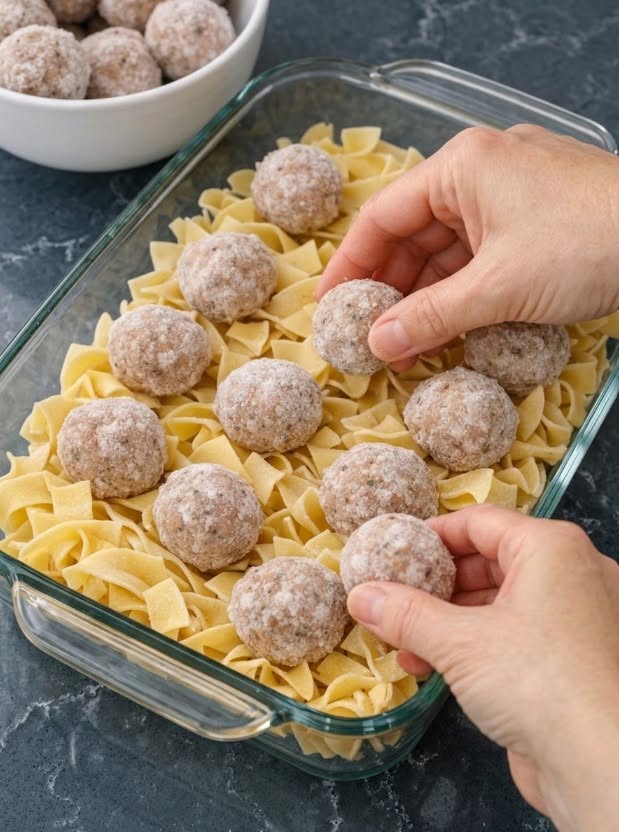
4. Pasta
The Problem
Pasta continues absorbing liquid throughout the cooking process.
After several hours, it may become:
- Mushy
- Gummy
- Overcooked
Better Options
Cook pasta separately and add it just before serving.
If cooking directly in the slow cooker, add it near the end of the cooking cycle and monitor closely.
5. Fresh Herbs
The Problem
Tender herbs lose their flavor and color during extended cooking.
Common examples include:
- Basil
- Parsley
- Cilantro
- Dill
Better Options
Use dried herbs early in the cooking process.
Add fresh herbs immediately before serving for maximum flavor and appearance.
6. Seafood
The Problem
Fish, shrimp, scallops, and similar seafood cook very quickly.
Several hours in a slow cooker can leave them:
- Rubbery
- Dry
- Overcooked
Better Options
Add seafood during the final 15–30 minutes of cooking.
For some recipes, cooking seafood separately may produce better results.
7. Large Amounts of Alcohol
The Problem
Alcohol does not evaporate from a slow cooker as quickly as it does from an uncovered stovetop pot.
As a result, dishes may retain a stronger alcohol flavor than intended.
Better Options
- Reduce wine or beer on the stovetop before adding it.
- Use smaller amounts for flavor enhancement.
This helps concentrate flavor while reducing harsh alcoholic notes.
8. Dry Kidney Beans (Without Pre-Boiling)
The Problem
Raw kidney beans contain naturally occurring lectins, including phytohaemagglutinin.
Slow-cooker temperatures may not reliably destroy these compounds.
Better Options
- Soak kidney beans according to package directions.
- Boil them vigorously before adding them to a slow cooker.
- Use canned beans when convenience is preferred.
This is one of the most important food-safety considerations in slow-cooker cooking.
9. Flour Added Directly at the Beginning
The Problem
Flour can clump, create uneven textures, or fail to incorporate properly when added directly to liquids.
Better Options
Prepare a slurry:
- Mix flour or cornstarch with cold water.
- Stir until smooth.
- Add during the final stages of cooking.
This produces a smoother sauce or gravy.
10. Skin-On Chicken (If You Want Crispy Skin)
The Problem
Slow cookers create a moist environment.
Instead of becoming crisp, chicken skin becomes soft and rubbery.
Better Options
- Remove the skin before cooking.
- Broil the cooked chicken briefly before serving.
This creates a much more appealing texture.
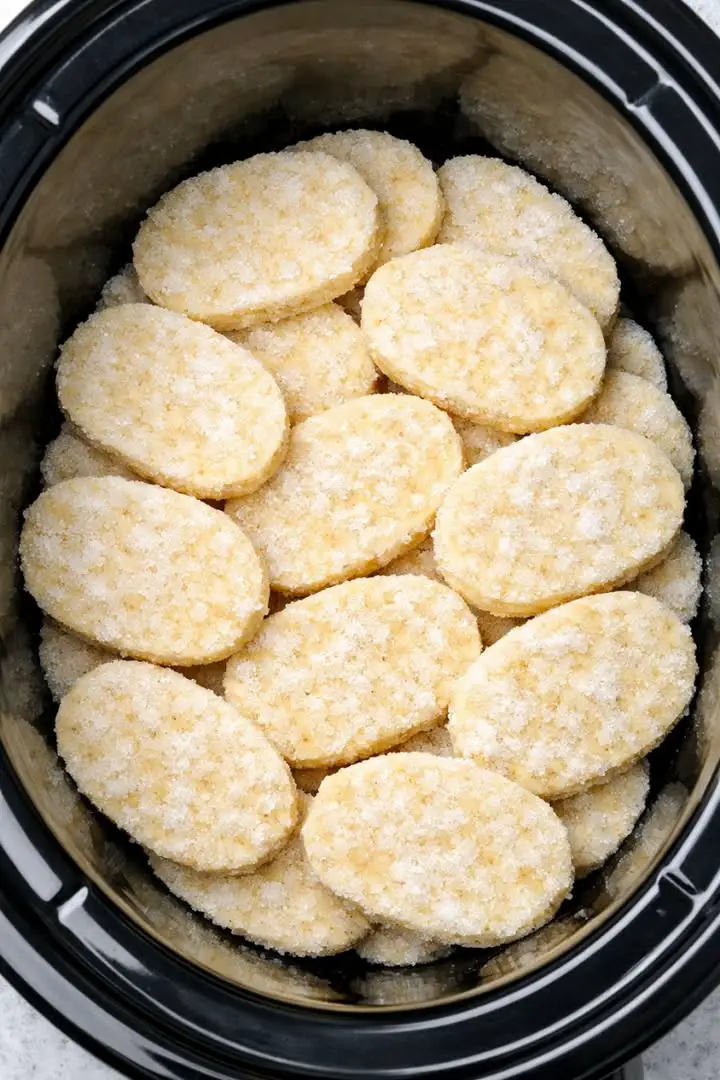
11. Frozen Meat
The Problem
Large frozen cuts may spend too much time warming through temperatures where bacterial growth can occur.
Uneven cooking is another common concern.
Better Options
- Thaw meat in the refrigerator first.
- Use refrigerated meat whenever possible.
Most food-safety organizations recommend thawing before slow cooking.
Tips for Better Slow-Cooker Results
Don’t Overfill
For best performance:
- Fill the cooker at least halfway.
- Avoid exceeding roughly three-quarters capacity.
This promotes even heating.
Keep the Lid Closed
Every time the lid is removed, heat escapes.
Frequent peeking can significantly increase cooking time.
Brown Meat First
While not always required, browning meat beforehand:
- Improves flavor
- Enhances color
- Creates richer sauces
Layer Ingredients Strategically
Place firm vegetables near the bottom where temperatures tend to be highest.
Examples include:
- Potatoes
- Carrots
- Onions
Position meat above them when possible.
Final Thoughts
Slow cookers are excellent for soups, stews, braises, chili, pulled meats, and many one-pot meals. However, understanding which ingredients struggle with prolonged cooking can dramatically improve your results.
Avoiding common mistakes—such as overcooking seafood, adding dairy too early, or cooking dry kidney beans improperly—can mean the difference between a disappointing meal and a delicious one.
Use your slow cooker for what it does best: transforming sturdy ingredients into flavorful, tender dishes with minimal effort.
More Blog
- Drinking Water on an Empty Stomach — What Science Actually Supports (No Hype, Just Facts)
- Waking Up Between 3 and 5 AM? It Might Be Your Soul Trying to Talk to You
- What a “Bleach” Patch on Your Underwear Really Means — And Why It’s Actually a Good Sign
- This Drink May Weaken Your Bones From The Inside — But Everyone Drinks It Anyway