4 Effective Ways to Unclog a Drain Without Harsh Chemicals can help you deal with many common slow-draining sinks, tubs, and showers without immediately reaching for aggressive chemical cleaners. Hair, soap residue, grease, food particles, and everyday buildup often create blockages close enough to the drain opening that simple mechanical methods can remove them.
A slow drain can become frustrating quickly. However, you often have several safer options before calling for stronger products or professional service. Hot water, a plunger, a simple drain snake, and careful trap cleaning can all address different types of clogs.
The key involves matching the method to the problem. For example, hot water can loosen greasy residue, while a drain snake works much better for hair. Meanwhile, a plunger can dislodge a soft blockage through pressure.
I once dealt with a bathroom sink that became slower every week until the water finally sat in the basin for several minutes. At first, I assumed I needed a strong drain cleaner. Instead, I removed the stopper and discovered a thick bundle of hair and soap residue just beneath it. After pulling out the buildup and flushing the drain with hot water, the sink drained normally again. The entire job took less time than a trip to the store. Since then, I always start with the simplest physical solutions before using anything stronger. Often, the clog sits much closer to the surface than expected.
Why 4 Effective Ways to Unclog a Drain Without Harsh Chemicals Work
4 Effective Ways to Unclog a Drain Without Harsh Chemicals work because household clogs usually form from materials that respond to heat, pressure, agitation, or direct removal. Therefore, you do not always need a powerful liquid product to restore normal drainage.
Mechanical methods also give you more control. Instead of pouring something into a pipe and hoping it reaches the blockage, you can target the obstruction directly.
Different Clogs Need Different Solutions
Kitchen sinks often slow down because grease, food residue, and soap accumulate along the pipe walls. Therefore, hot water and dish soap may help soften fresh greasy buildup.
Bathroom sinks and showers present different problems. Hair frequently combines with soap residue and creates fibrous clumps that resist simple flushing. In that case, a drain snake or hair-removal tool usually works better.
A plunger helps when a soft blockage sits farther inside the drain. Repeated pressure changes can shift the obstruction enough to restore flow.
Meanwhile, cleaning the P-trap beneath a sink gives you direct access to debris that settles in the curved section of pipe.
Because each problem develops differently, 4 Effective Ways to Unclog a Drain Without Harsh Chemicals work best when you first consider what probably caused the clog.
If a kitchen sink slowed after greasy cooking, start with hot water and dish soap. However, if a shower drains poorly and you notice hair around the stopper, remove the hair first.
This practical approach saves effort and keeps you from repeatedly trying methods that do not match the blockage.
Mechanical Cleaning Often Solves the Real Problem
Many drain clogs involve solid material.
Hair, bits of food, soap scum, and other debris can physically obstruct the pipe. Therefore, removing that material often solves the issue more completely than simply trying to dissolve it.
A small plastic drain snake can reach several inches into a bathroom drain and pull out hair quickly.
Likewise, removing and cleaning a sink trap can eliminate accumulated debris directly.
That makes 4 Effective Ways to Unclog a Drain Without Harsh Chemicals particularly useful for recurring slow drains.
If the same sink repeatedly slows down, you may have buildup that needs removal rather than temporary loosening.
Mechanical cleaning also lets you see what caused the problem. Once you identify hair, grease, or food debris, you can change everyday habits to reduce future clogs.
As a result, unclogging becomes more than a one-time fix. It also becomes a way to prevent the same problem from returning.
Method 1 and Method 2 for Clearing Common Clogs
The first two methods in 4 Effective Ways to Unclog a Drain Without Harsh Chemicals work best for relatively simple blockages.
Hot water and dish soap target greasy residue, while a plunger uses pressure to shift a clog.
Both methods require minimal equipment and can often provide quick results.
Method 1: Hot Water and Dish Soap
Hot water works especially well for kitchen drains where grease and soap residue have begun narrowing the pipe.
Start by removing as much standing water as possible from the sink.
Then add about 1 tablespoon of liquid dish soap directly into the drain.
Heat several cups of water until very hot. However, avoid pouring boiling water into pipes if you know your plumbing system may not tolerate extreme temperatures.
Slowly pour the hot water down the drain.
The dish soap helps break up greasy residue, while the heat softens the buildup.
Wait several minutes, then run warm tap water.
If the drain improves but still moves slowly, repeat the process once.
This part of 4 Effective Ways to Unclog a Drain Without Harsh Chemicals works best on light grease buildup rather than solid obstructions.
Therefore, do not expect hot water to remove a dense hair clog.
You should also avoid repeatedly pouring boiling water into PVC piping because excessive heat can potentially stress some plumbing connections.
Very hot tap water or hot water below a full rolling boil offers a more cautious approach.
Method 2: Use a Plunger Correctly
A plunger can create powerful pressure changes inside a drain.
For a sink, use a flat-bottomed cup plunger.
First, remove enough standing water so only a small amount remains around the drain. That water helps the plunger create a seal.
Cover any overflow opening with a damp cloth.
Then place the plunger firmly over the drain.
Push down and pull up several times using steady movements.
You do not need extreme force. Instead, focus on maintaining a good seal.
After 10 to 15 plunges, lift the plunger and see whether the water drains faster.
Repeat the process if necessary.
When using 4 Effective Ways to Unclog a Drain Without Harsh Chemicals, plunging often works well after another method loosens the clog.
For example, hot water may soften greasy residue, and the plunger may then shift it farther through the pipe.
However, avoid plunging a drain immediately after adding a commercial chemical cleaner. Splashing could expose you to corrosive liquid.
Method 3 and Method 4 for Stubborn Drain Blockages
Some clogs need direct removal.
That becomes especially true when hair, compacted soap residue, or trapped debris causes the blockage.
The final two techniques in 4 Effective Ways to Unclog a Drain Without Harsh Chemicals address these tougher problems by physically reaching the clog.
Method 3: Use a Drain Snake or Hair Tool
A small drain snake works particularly well for bathroom sinks, tubs, and showers.
Remove the drain stopper if possible.
Then slowly feed the snake into the drain.
Rotate or move the tool gently as you push it deeper.
Once you feel resistance, continue carefully. The tool may have reached the clog.
Pull the snake back out slowly.
Hair and soap residue may come out attached to the tool.
Dispose of the debris in the trash rather than rinsing it back down the drain.
Repeat the process until the tool comes back relatively clean.
Then flush the drain with hot water.
This method often provides one of the most satisfying results among 4 Effective Ways to Unclog a Drain Without Harsh Chemicals because you physically remove the material causing the problem.
However, use gentle pressure. Forcing a rigid object aggressively into plumbing can damage fittings or push the clog deeper.
A flexible plastic hair-removal tool works well for shallow bathroom clogs.
For deeper blockages, a proper hand-operated drain auger offers greater reach.
Method 4: Clean the P-Trap
If a sink remains clogged after plunging and snaking, the blockage may sit inside the P-trap.
The P-trap forms the curved pipe beneath the sink.
Before starting, place a bucket directly underneath it.
Then put on gloves.
If the trap uses hand-tightened slip nuts, loosen them carefully. Otherwise, use suitable pliers without applying excessive force.
Remove the curved section and allow trapped water to drain into the bucket.
Inspect the pipe for hair, grease, food particles, or other debris.
Clean the trap thoroughly with warm soapy water and a small brush.
Then reinstall it, making sure the washers and connections sit correctly.
Run water slowly while checking for leaks.
This final step in 4 Effective Ways to Unclog a Drain Without Harsh Chemicals provides direct access to one of the most common places where debris collects.
However, stop if the plumbing looks corroded, fragile, glued together, or unfamiliar. In that situation, professional help may prevent accidental damage.
Preventing Drain Clogs and Knowing When to Call for Help
4 Effective Ways to Unclog a Drain Without Harsh Chemicals can solve many household drainage problems, but prevention saves even more time.
Simple habits can reduce the amount of grease, hair, soap residue, and food that enters the pipes.
You should also recognize when a slow drain points to a larger plumbing problem.
Easy Habits That Help Prevent Future Clogs
Use a drain screen in kitchen sinks, tubs, and showers.
A screen catches hair, food particles, and other debris before they enter the pipe.
Clean the screen regularly so water continues flowing freely.
In the kitchen, avoid pouring cooking oil or grease into the sink.
Instead, let grease cool and dispose of it appropriately.
Wipe greasy pans with a paper towel before washing them.
This small habit can reduce buildup significantly.
In the bathroom, remove visible hair from the drain after showers.
You can also flush drains periodically with hot tap water.
These preventive steps make 4 Effective Ways to Unclog a Drain Without Harsh Chemicals less necessary over time because fewer blockages form in the first place.
Avoid treating the drain like a general waste chute.
Coffee grounds, fibrous food scraps, large amounts of flour, and grease can all contribute to clogs.
Good disposal habits protect the plumbing far more effectively than frequent drain treatments.
Signs You May Need a Plumber
Some drainage problems go beyond a simple clog.
If several drains in the home slow down at the same time, the problem may involve a larger drain line.
Likewise, gurgling toilets, wastewater backing up into tubs, or sewage odors can indicate a more serious plumbing issue.
In those cases, 4 Effective Ways to Unclog a Drain Without Harsh Chemicals may not address the underlying problem.
Repeated clogs also deserve attention.
If you clear the same drain again and again, something deeper may be restricting flow.
Tree roots, damaged pipes, heavy mineral buildup, or problems with the main drain line may require professional equipment.
You should also call for help if water begins leaking around the trap or pipe connections after maintenance.
Most importantly, stop working if you feel unsure about the plumbing system.
A simple clog should not turn into water damage because of an overtightened fitting or damaged pipe.
Frequently Asked Questions
Can baking soda and vinegar unclog a drain?
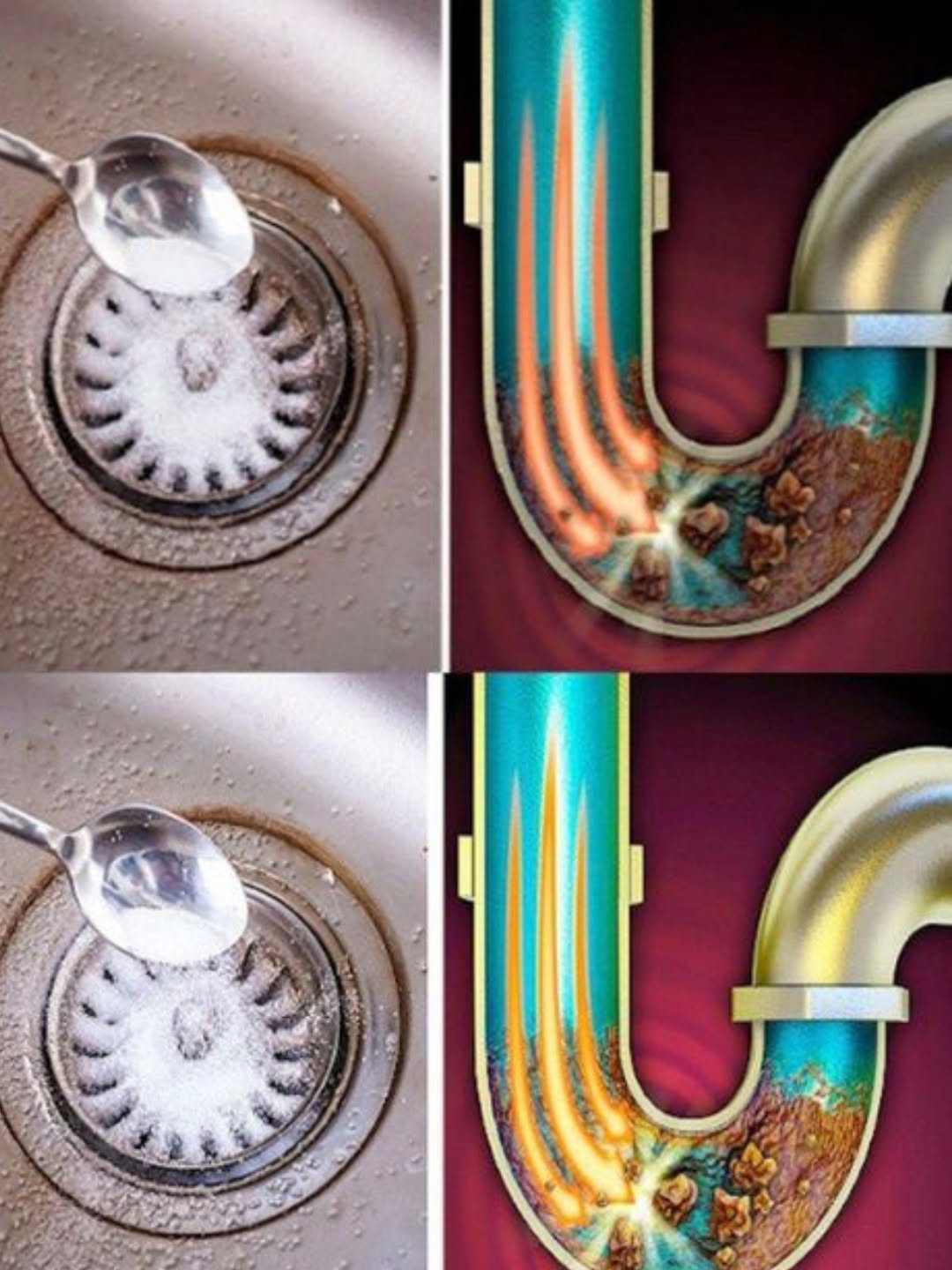
Baking soda and vinegar create a visible fizz, but the reaction does not reliably remove tougher physical clogs such as compacted hair. Mechanical methods such as a plunger or drain snake often work more effectively because they physically loosen or remove the obstruction.
Is boiling water safe for every drain?
No. Extremely hot water may not suit every plumbing system, especially some plastic pipes or older connections. Very hot tap water offers a more cautious option. If you know your plumbing manufacturer’s temperature guidance, follow it.
What works best for a shower clogged with hair?
A drain snake or plastic hair-removal tool usually works best. Hair forms tangled clumps that often need physical removal rather than flushing.
Why does my sink keep clogging after I clear it?
Recurring clogs may indicate buildup deeper in the pipe, a poorly draining trap, grease accumulation, or a larger plumbing issue. If the problem keeps returning, consider professional inspection.
When should I stop trying DIY drain methods?
Stop if multiple drains back up, sewage appears, pipes leak, the blockage does not respond to basic methods, or you feel unsure about removing plumbing components. Those signs justify professional help.
Conclusion
4 Effective Ways to Unclog a Drain Without Harsh Chemicals give you practical options for dealing with many everyday sink, tub, and shower clogs.
Start with the simplest method that matches the likely problem.
Hot water and dish soap can help loosen fresh greasy buildup. Meanwhile, a plunger can shift soft obstructions through pressure.
For hair and compacted debris, a drain snake often works much better.
Finally, cleaning the P-trap gives you direct access to material that may have collected beneath the sink.
The key involves using each method carefully.
Avoid forcing tools into pipes, and never work aggressively around plumbing that looks fragile or damaged.
Likewise, avoid mixing household substances with commercial drain cleaners.
Prevention matters too.
Drain screens, proper grease disposal, regular hair removal, and careful kitchen habits can dramatically reduce the number of clogs that form.
Most importantly, recognize the difference between a simple household blockage and a larger plumbing problem.
If multiple drains slow down, sewage backs up, or the same clog keeps returning, professional help may provide the safest and most effective solution.
Used thoughtfully, 4 Effective Ways to Unclog a Drain Without Harsh Chemicals can restore normal drainage while helping you avoid unnecessary exposure to strong drain-cleaning products.
More Blog
- Drinking Water on an Empty Stomach — What Science Actually Supports (No Hype, Just Facts)
- Waking Up Between 3 and 5 AM? It Might Be Your Soul Trying to Talk to You
- What a “Bleach” Patch on Your Underwear Really Means — And Why It’s Actually a Good Sign
- This Drink May Weaken Your Bones From The Inside — But Everyone Drinks It Anyway