You switch on the bathroom light late at night and suddenly notice a small, silvery insect darting across the floor.
It moves quickly, disappears into a crack, and leaves you wondering whether you should be worried.
You may have just seen a silverfish.
These unusual-looking insects are common household pests, especially in dark, humid, and relatively undisturbed areas. The good news is that silverfish are not generally dangerous to people or pets.
They don’t typically bite, sting, or spread disease.
However, seeing them repeatedly can be a clue that your home has conditions they find attractive—especially excess moisture, clutter, or accessible paper and starch-based materials.
What Is a Silverfish?
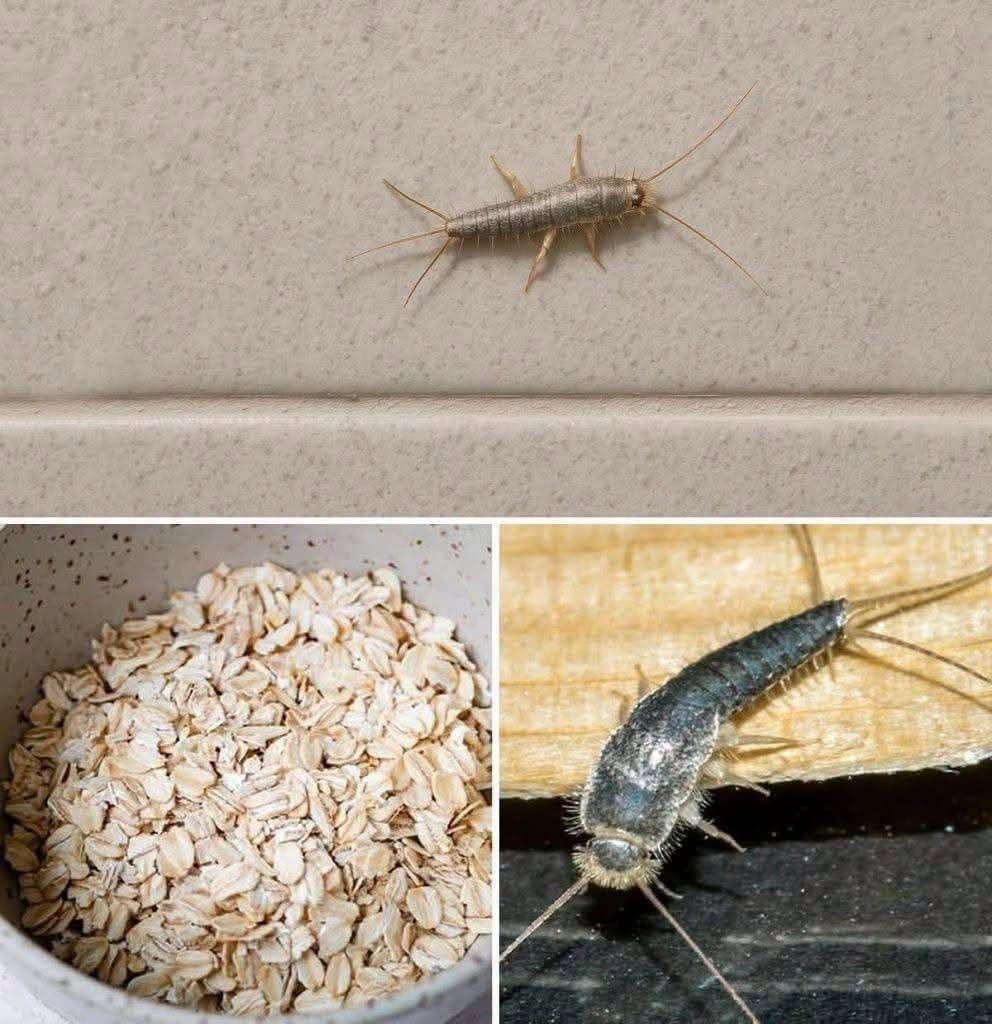
Silverfish are small, wingless insects with long antennae, tapered bodies, and three thin tail-like appendages at the rear.
The common silverfish is known scientifically as Lepisma saccharinum.
They get their name from their:
- Silvery-gray scales
- Fish-like wriggling movement
- Long, tapered body shape
Adults are usually around ½ to ¾ inch long, although size varies.
Their appearance can be startling, but they’re primarily nuisance pests rather than a direct health threat.
Why Are Silverfish in Your House?
Silverfish prefer environments that provide three things:
Moisture, darkness, and food.
That’s why they’re commonly found in:
- Bathrooms
- Basements
- Laundry rooms
- Kitchens
- Closets
- Attics
- Storage rooms
- Under sinks
- Behind appliances
- Around plumbing
- Inside wall voids
They can also hide underneath cardboard boxes, stacks of paper, books, and furniture.
If you’re seeing silverfish repeatedly, the question isn’t only how they got inside.
It’s also:
What is allowing them to stay?
Humidity Is an Important Clue
Silverfish generally do well in humid environments.
Persistent indoor moisture can make bathrooms, basements, and utility areas especially appealing.
Possible causes include:
- Poor ventilation
- Plumbing leaks
- Condensation
- Damp basements
- Roof leaks
- Moist crawl spaces
- High indoor humidity
Finding silverfish doesn’t automatically prove that you have a serious leak.
But repeated sightings can be a good reason to inspect the area for moisture.
Look under sinks, around toilets, behind washing machines, near windows, and along basement walls.
Does One Silverfish Mean an Infestation?
Not necessarily.
Seeing an occasional silverfish doesn’t automatically mean there are hundreds hiding nearby.
One may have wandered in through a crack or been carried inside with cardboard, books, or stored items.
Repeated sightings are more significant.
You may want to investigate further if you’re seeing:
- Several silverfish each week
- Silverfish in multiple rooms
- Groups in storage areas
- Damage to paper or books
- Silverfish during daylight hours
A larger population is more likely when the insects have consistent access to food, moisture, and hiding places.
Why Do Silverfish Usually Appear at Night?
Silverfish are primarily nocturnal.
During daylight hours, they often remain hidden inside cracks, beneath objects, or behind furniture.
At night, they come out to search for food.
That’s why many people first encounter them when they suddenly turn on a light in:
- A bathroom
- Kitchen
- Laundry room
- Basement
- Closet
Silverfish can move surprisingly quickly, which makes them difficult to catch once disturbed.
What Do Silverfish Eat?
Silverfish are attracted to materials containing carbohydrates, starches, and certain proteins.
Inside homes, they may feed on:
- Paper
- Cardboard
- Book bindings
- Wallpaper paste
- Glue
- Some fabrics
- Food crumbs
- Starchy residues
- Dead insects
They can survive on surprisingly small amounts of food.
That means cluttered storage spaces filled with cardboard boxes, papers, and old books can provide both food and shelter.
Can Silverfish Damage Books and Paper?
Yes.
This is one of the main reasons a persistent silverfish population can become a problem.
They may feed on paper, adhesives, and bookbinding materials.
Over time, activity can contribute to:
- Irregular holes
- Scraped surfaces
- Damaged bindings
- Yellowish stains
- Paper deterioration
Libraries, archives, and collections stored in damp conditions can be particularly vulnerable.
If you’ve noticed silverfish around important books or documents, move those materials to a dry environment and investigate the humidity level.
Can Silverfish Damage Clothes?
They can occasionally damage fabrics, particularly when the material contains starch, glue, food residue, or other substances that attract them.
However, holes in clothing aren’t automatically evidence of silverfish.
Clothes moths and carpet beetles are more common causes of certain types of fabric damage.
If you’re finding damaged clothing, proper pest identification is important before choosing a treatment.
Silverfish vs. Firebrats
Silverfish are sometimes confused with firebrats, which are closely related insects.
They look similar, but their preferred environments differ.
Silverfish usually favor cooler, humid areas.
Firebrats prefer warmer locations, such as areas near:
- Furnaces
- Boilers
- Ovens
- Hot-water pipes
- Heating equipment
The location where you find the insect can therefore help with identification.
Are Silverfish Dangerous?
For most households, silverfish are primarily a nuisance.
They aren’t known for:
- Stinging people
- Regularly biting people
- Transmitting diseases in the way mosquitoes or certain other pests can
The bigger concerns are property damage and the environmental conditions supporting the population.
So rather than panicking when you find one, consider it a reason to inspect your home.
Could Silverfish Be Warning You About a Leak?
Possibly—but don’t assume.
Silverfish often prefer moisture, so repeated sightings near plumbing or damp walls may be associated with a leak.
Check for:
- Water stains
- Peeling paint
- Swollen wood
- Damp drywall
- Musty odors
- Persistent condensation
- Visible mold
- Moist cabinets
If you discover water damage, fixing the leak will often do more for long-term pest control than simply killing the insects you can see.
Why Killing Individual Silverfish Isn’t Enough
Removing the silverfish crawling across the floor solves one very small part of the problem.
If the environment still offers humidity, food, and hiding places, additional silverfish can remain.
Long-term control therefore focuses on changing those conditions.
Think of the visible insect as a clue.
The underlying environment is often more important.
How to Reduce Silverfish in Your Home
1. Lower Humidity
Use ventilation, air conditioning, or a dehumidifier where necessary.
Bathrooms and basements deserve special attention.
If possible, keeping indoor relative humidity around 30–50% can make the home less favorable to many moisture-loving pests while also improving general indoor comfort.
2. Repair Leaks
Fix dripping pipes, plumbing leaks, roof problems, and other persistent sources of moisture.
Even a slow leak can create a favorable hiding area behind cabinets or inside walls.
3. Ventilate Bathrooms
Run the exhaust fan while showering and for a period afterward.
Open a window when appropriate.
Drying wet surfaces also helps prevent persistent humidity.
4. Reduce Cardboard and Paper Clutter
Cardboard boxes provide silverfish with both shelter and potential food.
Consider replacing long-term cardboard storage with sealed plastic containers, especially in basements and humid areas.
5. Store Important Documents Carefully
Keep books, photographs, and valuable papers away from damp floors and walls.
Store them in clean, dry areas with good airflow.
6. Vacuum Regularly
Vacuuming along:
- Baseboards
- Under furniture
- Inside closets
- Behind appliances
- Around storage areas
can remove food debris, insects, shed material, and occasionally eggs.
7. Seal Cracks and Gaps
Use appropriate caulk or sealant around:
- Baseboards
- Plumbing penetrations
- Cabinets
- Window frames
- Door frames
- Wall openings
Reducing hiding places can make an infestation harder to maintain.
Do Home Remedies Work?
The internet is full of silverfish remedies involving:
- Essential oils
- Herbs
- Vinegar
- Spices
- Homemade sprays
Some scents may temporarily repel insects, but these approaches shouldn’t be expected to eliminate an established population.
For persistent silverfish, the most effective approach generally combines:
moisture reduction + sanitation + exclusion + targeted pest control when needed.
This strategy is known as integrated pest management.
Do Silverfish Mean You Have Mold?
No.
Silverfish and mold can both thrive under humid conditions, which means they sometimes occur in the same areas.
But seeing silverfish does not automatically mean mold is present.
Look separately for signs such as:
- Visible fungal growth
- Persistent musty odor
- Water damage
- Damp building materials
If you find evidence of moisture, address the source regardless of whether mold is visible.
When Should You Call Pest Control?
Professional assistance may be worthwhile when:
- Silverfish appear frequently
- They’re spreading through multiple rooms
- You’re finding significant damage
- You’ve reduced moisture but sightings continue
- You can’t determine where they’re coming from
- Valuable books, documents, or collections are at risk
A pest-control professional can confirm the species, locate likely hiding areas, and recommend targeted treatment.
A Simple Silverfish Prevention Checklist
✔ Keep bathrooms and basements well ventilated
✔ Repair plumbing and roof leaks promptly
✔ Reduce persistent indoor humidity
✔ Remove unnecessary cardboard clutter
✔ Store books and documents in dry areas
✔ Vacuum dark, undisturbed spaces regularly
✔ Clean food crumbs and spills
✔ Seal cracks around walls and pipes
✔ Inspect storage areas periodically
✔ Seek professional help if the population persists
The Bottom Line
Finding one silverfish isn’t usually an emergency.
These insects aren’t generally dangerous to people or pets, and an occasional sighting doesn’t automatically mean you have an infestation.
But repeated silverfish sightings shouldn’t simply be ignored.
They may be telling you that part of your home is unusually humid, cluttered, or providing plenty of food and shelter.
Instead of focusing only on killing the insect you can see, investigate the environment around it.
Fix moisture problems, improve ventilation, reduce clutter, protect paper goods, and seal potential hiding spaces.
Often, making your home less comfortable for silverfish is the most effective way to encourage them to disappear.
More Blog
- Drinking Water on an Empty Stomach — What Science Actually Supports (No Hype, Just Facts)
- Waking Up Between 3 and 5 AM? It Might Be Your Soul Trying to Talk to You
- What a “Bleach” Patch on Your Underwear Really Means — And Why It’s Actually a Good Sign
- This Drink May Weaken Your Bones From The Inside — But Everyone Drinks It Anyway