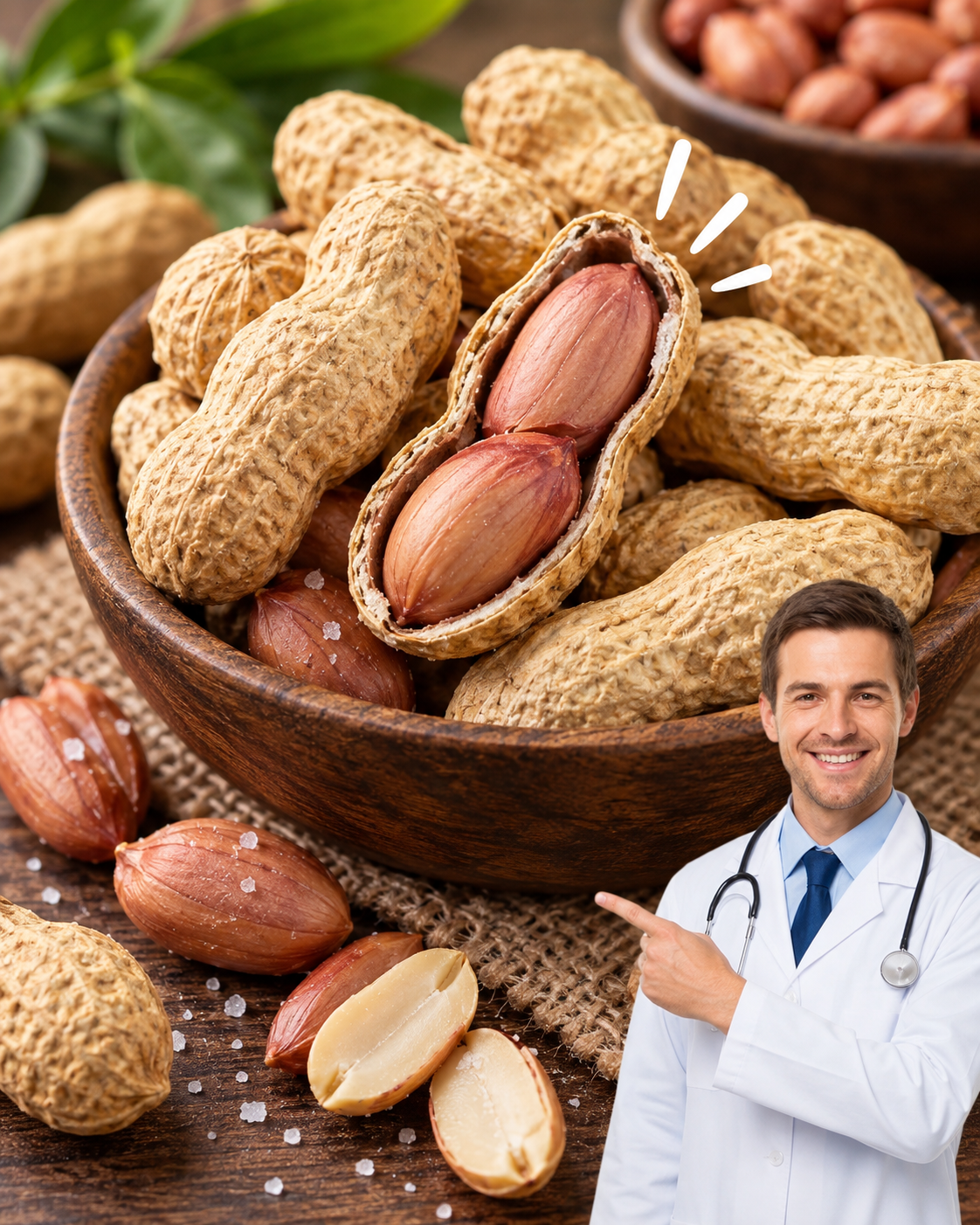
What happens to your body when you eat peanuts depends on portion size, preparation, your overall diet, and whether you have a peanut allergy. For most people, peanuts can be a nutritious food because they provide protein, unsaturated fats, fiber, magnesium, niacin, vitamin E, and several other nutrients.
Although people often call them nuts, peanuts are technically legumes. Nutritionally, however, they behave more like nuts because of their fat, protein, and calorie content.
Eating peanuts regularly may help support fullness, heart health, steady energy, and overall nutrient intake. At the same time, peanuts are calorie-dense, and heavily salted or sweetened versions can add more sodium, sugar, or oil than you may expect.
I used to think of peanuts mainly as a snack you grabbed when you wanted something salty and crunchy. Then I started noticing how different I felt after eating a small handful compared with eating chips or candy. Peanuts seemed to keep me satisfied longer, especially when I paired them with fruit. That made sense once I looked at the mix of protein, fat, and fiber. Still, it also became obvious how easy it was to overeat them straight from a large container. A modest serving felt useful. Mindless snacking could add up quickly.
What Happens to Your Body When You Eat Peanuts for Protein and Healthy Fats
Peanuts Can Help You Feel Full for Longer
Peanuts provide a combination of protein, fat, and fiber.
That mix slows digestion more than a snack made mostly from refined carbohydrates.
As a result, peanuts may help you stay satisfied between meals.
Protein supports many basic functions in the body.
It helps build and repair tissues, supports muscle maintenance, and contributes to enzymes, hormones, and other essential compounds.
Peanuts do not provide as much protein as many animal foods or some legumes by weight, but they still add a meaningful amount.
Their fat content also contributes to fullness.
Most of the fat in peanuts comes from unsaturated fats, including monounsaturated and polyunsaturated fats.
These fats can fit well into a balanced diet, especially when they replace foods high in saturated fat.
Fiber adds another layer.
It helps support digestive health and may make a snack feel more substantial.
Together, protein, fat, and fiber explain why a small handful of peanuts can feel more satisfying than a serving of crackers or candy with a similar calorie count.
However, portions still matter.
Peanuts are energy-dense.
A small serving can provide a lot of calories in a compact amount.
Therefore, eating directly from a large bag or jar can make it easy to consume much more than you planned.
They Provide Lasting Energy Without Being a Quick Sugar Fix
Peanuts do not create energy in a magical way, but they can provide a steadier source of fuel than many sugary snacks.
Because they contain fat, protein, and some carbohydrate, the body digests them more slowly.
That slower digestion may help prevent the rapid rise and fall in hunger that sometimes follows foods high in added sugar.
This can make peanuts useful as part of a snack before a busy afternoon, a long commute, or light activity.
Pairing peanuts with fruit can work especially well.
The fruit provides carbohydrate, water, fiber, and vitamins, while the peanuts add protein and fat.
That creates a more balanced snack.
Peanut butter can offer similar benefits, but check the ingredient list.
Some products contain added sugar, palm oil, or large amounts of salt.
Natural peanut butter with peanuts as the main ingredient keeps things simpler.
Still, no peanut product automatically becomes healthy just because it contains peanuts.
Candy made with peanuts remains candy.
Highly sweetened peanut snacks can add significant sugar.
Therefore, the form matters as much as the food itself.
Peanuts May Support Heart Health When Eaten in Moderation
Unsaturated Fats Can Fit Into a Heart-Friendly Diet
Peanuts contain mostly unsaturated fats.
These fats generally fit better into heart-conscious eating patterns than foods high in saturated or trans fats.
When unsaturated fats replace some saturated fats in the diet, they can support healthier cholesterol patterns.
Peanuts also provide magnesium, niacin, vitamin E, and other nutrients associated with normal cardiovascular function.
However, peanuts should not be viewed as a treatment for high cholesterol or heart disease.
The broader diet still matters much more.
A heart-friendly eating pattern usually includes vegetables, fruit, whole grains, legumes, fish or other nutritious protein sources, and healthy fats.
Peanuts can be one part of that pattern.
Preparation changes the picture.
Unsalted dry-roasted peanuts offer a different nutritional profile from peanuts coated in sugar or heavily salted seasoning.
If you regularly eat salted peanuts, the sodium can add up.
This matters especially for people who need to monitor sodium intake because of blood pressure or other medical concerns.
Therefore, choosing unsalted or lightly salted versions can make regular peanut consumption easier to fit into a heart-conscious diet.
Their Fiber and Plant Compounds Add to the Benefit
Peanuts also contain fiber and naturally occurring plant compounds.
Fiber can support normal cholesterol metabolism and digestive health.
In addition, peanuts contain antioxidants, including compounds such as resveratrol and other polyphenols, although the amounts and biological effects vary.
These compounds contribute to the nutritional value of peanuts, but they should not be exaggerated into miracle claims.
No single antioxidant can protect the heart by itself.
Lifestyle factors work together.
Physical activity, smoking status, sleep, body weight, blood pressure, and overall food choices all influence cardiovascular health.
Still, peanuts can be a useful substitution food.
For example, replacing some cookies, chips, or highly processed snacks with a small serving of peanuts may improve the nutritional quality of your snack routine.
That benefit comes partly from what peanuts provide and partly from what they may replace.
What Peanuts May Do for Your Brain, Metabolism, and Daily Nutrition
Niacin, Vitamin E, and Magnesium Support Normal Body Functions
Peanuts contain niacin, also known as vitamin B3.
Your body uses niacin in energy metabolism and many cellular processes.
Peanuts also provide vitamin E, a fat-soluble antioxidant that helps protect cell membranes from oxidative damage.
Magnesium contributes to nerve function, muscle function, and hundreds of enzyme reactions.
These nutrients support normal body functions, but they do not turn peanuts into a brain-boosting medicine.
Some observational research has linked nut consumption with better long-term health outcomes, including aspects of cognitive health.
However, that does not prove peanuts alone prevent cognitive decline.
People who regularly eat nuts may also have other lifestyle habits that contribute to those outcomes.
Therefore, it is more accurate to say peanuts provide nutrients that the brain and nervous system need rather than claiming they directly improve memory.
A varied diet remains more important.
Leafy greens, fish, whole grains, berries, legumes, and many other foods contribute nutrients that support normal brain function.
Peanuts can complement those foods.
Peanuts Can Fit Into Blood Sugar-Friendly Meals
Peanuts contain relatively little carbohydrate compared with many common snack foods.
Their fat, protein, and fiber can slow digestion when eaten with carbohydrate-containing foods.
That may help moderate the rise in blood sugar after a meal or snack.
For example, pairing peanuts with an apple often creates a different blood sugar response than eating a sugary snack alone.
However, peanuts do not treat diabetes.
People with diabetes should still follow their individualized meal plan, medication schedule, and monitoring routine.
Portion size also matters because peanuts are calorie-dense.
Weight management can influence blood sugar for some people, so eating very large amounts every day may work against personal goals.
Peanut butter can also vary significantly.
Products with added sugar may have a different effect than versions made mostly from peanuts.
Reading labels can help.
Moderation, Allergies, and Preparation Matter
Too Many Peanuts Can Add Calories Quickly
Peanuts pack a lot of energy into a small serving.
That can be helpful when you need a satisfying snack, but it also makes them easy to overeat.
A handful can turn into several handfuls without much thought.
If those extra calories regularly push your intake beyond what your body needs, weight gain may occur over time.
That does not mean peanuts cause weight gain automatically.
In fact, their ability to promote fullness may help some people manage appetite.
The effect depends on total intake.
Portion awareness helps.
Instead of eating directly from a large container, place a serving in a small bowl.
This makes it easier to notice how much you are eating.
Peanuts also appear in many processed foods.
Chocolate-covered peanuts, peanut brittle, flavored peanut snacks, and sweet peanut bars can contain substantial amounts of added sugar or sodium.
Those products are different from plain peanuts.
Therefore, consider the entire food, not just the presence of peanuts.
Peanut Allergy Can Be Serious
Peanut allergy changes the picture completely.
For someone with a confirmed peanut allergy, even a small amount can cause a serious reaction.
Symptoms may include hives, swelling, vomiting, coughing, wheezing, throat tightness, dizziness, or difficulty breathing.
Anaphylaxis requires emergency treatment.
People with diagnosed peanut allergy should follow their medical action plan and avoid peanut exposure as instructed.
Cross-contact also matters.
Foods prepared on shared equipment may contain traces of peanuts even if peanuts are not obvious in the final product.
That is why allergy labeling deserves careful attention.
Someone without a peanut allergy does not need to avoid peanuts because another person is allergic.
However, shared spaces such as schools, workplaces, or households may have specific safety rules.
Respecting those rules protects people at risk.
Frequently Asked Questions
Is it healthy to eat peanuts every day?
For many people, yes. A moderate portion of plain or lightly salted peanuts can fit into a balanced diet. The main concerns involve calorie intake, added sodium, added sugar, and peanut allergy.
Can peanuts help with weight loss?
Peanuts may support fullness because they contain protein, fat, and fiber. However, they are calorie-dense, so portion size matters. They do not cause weight loss on their own.
Are roasted peanuts healthy?
Dry-roasted peanuts can be a nutritious option. Check the label for added salt, sugar, or oils, especially if you eat them often.
Is peanut butter as healthy as whole peanuts?
It can be. Look for peanut butter with peanuts as the main ingredient and little added sugar or oil. Whole peanuts may provide a little more texture and may encourage slower eating.
Are peanuts good for your heart?
Peanuts contain unsaturated fats, fiber, magnesium, and other nutrients that can fit into a heart-friendly diet. However, overall eating patterns and lifestyle habits matter more than any one food.
Conclusion
What happens to your body when you eat peanuts is mostly shaped by their mix of protein, unsaturated fats, fiber, vitamins, minerals, and calories.
They can help you feel full, provide steady energy, and contribute nutrients that support normal heart, muscle, nerve, and metabolic function.
At the same time, peanuts are easy to overeat because they pack a lot of calories into a small serving.
Salted, sweetened, or heavily processed versions can also add more sodium, sugar, or fat than plain peanuts.
For most people, a modest portion can be a practical and nutritious snack.
Pair peanuts with fruit, add them to oatmeal or salads, or choose simple peanut butter for an easy source of protein and healthy fats.
However, anyone with a peanut allergy needs to avoid them and follow appropriate medical guidance.
Peanuts do not need exaggerated claims to be useful.
When eaten in reasonable portions as part of a varied diet, they can be a satisfying food with real nutritional value.
More Blog
- Drinking Water on an Empty Stomach — What Science Actually Supports (No Hype, Just Facts)
- Waking Up Between 3 and 5 AM? It Might Be Your Soul Trying to Talk to You
- What a “Bleach” Patch on Your Underwear Really Means — And Why It’s Actually a Good Sign
- This Drink May Weaken Your Bones From The Inside — But Everyone Drinks It Anyway