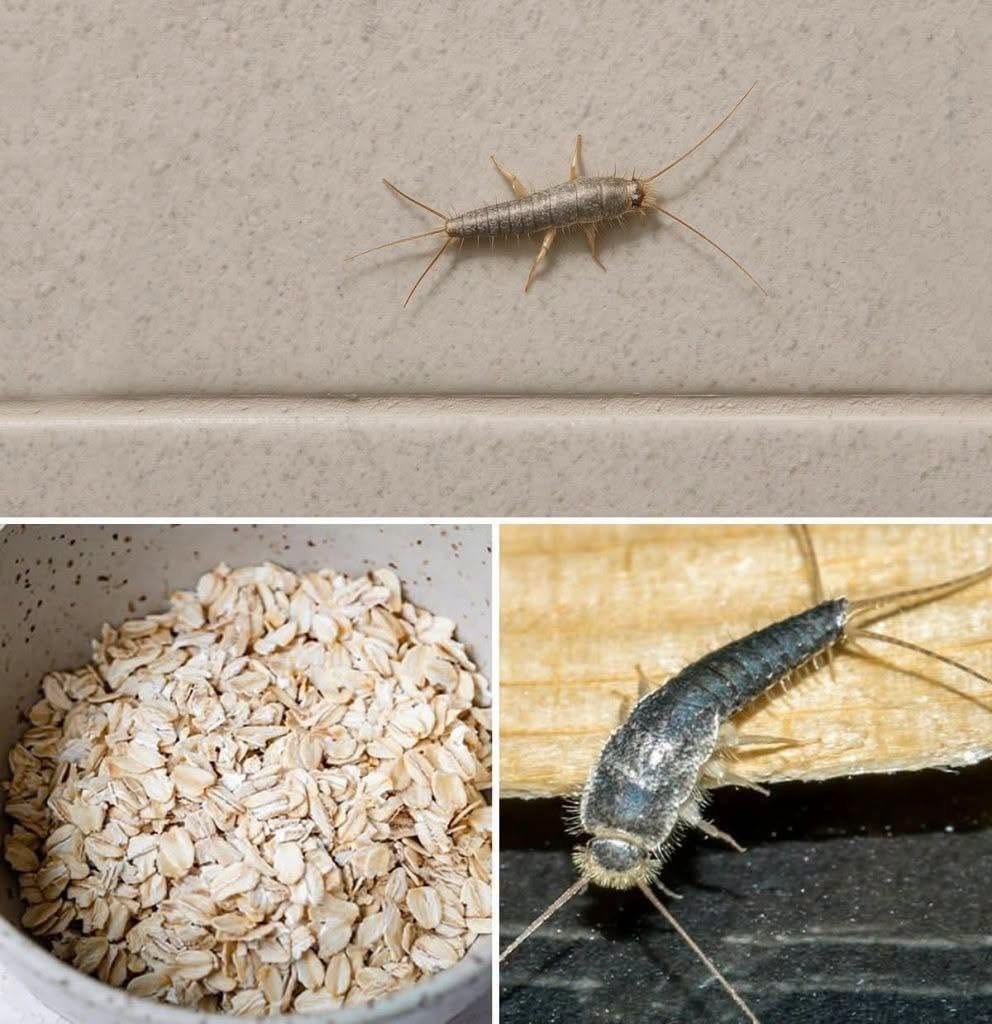
It often happens when the house is quiet.
You get up in the middle of the night for a glass of water or to use the bathroom, flip on the light, and suddenly notice something silver darting across the floor. It moves with surprising speed, disappearing beneath a baseboard or behind a cabinet before you have time to react. For many people, that brief encounter is enough to spark a long list of questions.
What was that?
Is it dangerous?
Does it mean my house is dirty?
Should I be worried about an infestation?
The tiny creature you just saw was probably a silverfish—one of the oldest insects still living on Earth. Although their appearance can be unsettling, silverfish are generally harmless to people. They don’t bite, sting, or spread diseases. However, they can become unwanted houseguests because they feed on paper, glue, fabrics, and other household materials.
Even more importantly, silverfish often appear because your home provides the exact environment they need to survive. Their presence may be a clue that there’s excess moisture, poor ventilation, hidden leaks, or other conditions that deserve attention.
Understanding why silverfish enter homes and how to prevent them is the key to keeping these ancient insects under control.
Meet the Silverfish: An Ancient Survivor
Silverfish may look unusual, but they’re remarkable creatures from a scientific perspective.
They belong to an ancient group of wingless insects that existed long before dinosaurs walked the Earth. Fossil evidence suggests their ancestors have lived on our planet for more than 300 million years.
Unlike many insects that undergo dramatic transformations during their life cycle, silverfish change very little as they grow. Young silverfish resemble tiny adults and continue molting throughout their lives.
Their unique appearance includes:
- Metallic silver-gray scales
- Long antennae
- Flat, carrot-shaped body
- Three long tail-like appendages
- Rapid side-to-side movement
This movement resembles the motion of a swimming fish, which explains how they earned their common name.
Why Are Silverfish Living Inside Your House?
Silverfish aren’t attracted to dirty homes.
Instead, they search for conditions that help them survive.
Three things matter most:
- Moisture
- Food
- Shelter
If your home provides these necessities, silverfish may settle in and begin reproducing.
Moisture Is Their Favorite Feature
Silverfish need humidity to survive.
Dry environments make it difficult for them to live long.
That’s why they’re commonly found in:
- Bathrooms
- Laundry rooms
- Kitchens
- Basements
- Crawl spaces
- Utility closets
Homes with poor ventilation or plumbing leaks create ideal conditions.
Even a slow drip beneath a sink can raise humidity enough to attract them.
Hidden Water Leaks May Be the Real Problem
Sometimes silverfish appear before homeowners realize they have a moisture problem.
Possible hidden sources include:
- Leaking pipes
- Damaged roof flashing
- Window leaks
- Condensation around plumbing
- Poorly ventilated bathrooms
- Damp basements
If you suddenly begin seeing multiple silverfish, checking for hidden moisture can prevent larger problems later.
They Prefer Darkness
Silverfish avoid light whenever possible.
They’re nocturnal insects, meaning they become active after dark.
During daylight hours they hide in protected areas such as:
- Baseboards
- Cracks
- Wall voids
- Behind cabinets
- Under sinks
- Closets
- Storage boxes
Turning on a bathroom light often catches them while they’re searching for food.
What Do Silverfish Eat?
Silverfish have surprisingly unusual diets.
Rather than feeding on humans or pets, they consume materials rich in carbohydrates and starches.
Favorite foods include:
- Paper
- Cardboard
- Wallpaper paste
- Book glue
- Flour
- Rice
- Oats
- Pasta
- Pet food
- Sugar
- Dead insects
- Cotton
- Linen
- Silk
They can even digest cellulose, allowing them to feed on books and stored documents.
Can They Damage Your Home?
Although silverfish don’t destroy houses the way termites do, they can damage valuable belongings over time.
Items commonly affected include:
Books
Silverfish chew through pages and adhesives holding bindings together.
Collectors sometimes discover tiny holes in valuable books after infestations.
Family Photographs
Older photographs stored in humid boxes may develop damage as silverfish feed on gelatin-based coatings and adhesives.
Wallpaper
Many wallpaper adhesives contain starch.
Silverfish may slowly eat the glue, causing wallpaper edges to peel.
Clothing
Natural fibers attract silverfish.
Stored clothing made from:
- Cotton
- Silk
- Linen
- Rayon
may develop small holes if left undisturbed for long periods.
Pantry Foods
Although uncommon, silverfish may contaminate dry foods stored in open packages.
Are Silverfish Dangerous?
Fortunately, silverfish pose very little direct risk to people.
They do not:
- Bite
- Sting
- Carry diseases
- Inject venom
- Spread parasites
However, large infestations may trigger allergies in sensitive individuals because they leave behind:
- Shed scales
- Molted skins
- Tiny droppings
These materials may contribute to indoor allergens.
Why Seeing One Usually Means There Are More
Silverfish are secretive insects.
If you see one during the day, it’s possible many others remain hidden.
Because they reproduce slowly, homeowners often don’t notice them until the population has grown.
Signs of infestation include:
- Tiny holes in paper
- Yellow stains
- Small pepper-like droppings
- Shed silver scales
- Damaged cardboard
- Feeding marks on wallpaper
How Do Silverfish Get Inside?
Their flat bodies allow them to squeeze through remarkably small spaces.
Common entry points include:
- Foundation cracks
- Gaps beneath doors
- Utility pipe openings
- Window frames
- Ventilation ducts
They may also hitchhike indoors inside:
- Cardboard moving boxes
- Used books
- Antique furniture
- Storage bins
How Long Do Silverfish Live?
Unlike many household insects that survive only weeks or months, silverfish have unusually long lifespans.
Many live:
- Three years
- Five years
- Sometimes eight years under ideal conditions
Because females lay eggs continuously throughout life, small populations can slowly become established without homeowners noticing.
Conditions That Encourage Silverfish
Several household conditions make infestations more likely.
These include:
High Humidity
Above 75% humidity provides ideal living conditions.
Poor Ventilation
Bathrooms without exhaust fans often remain damp for hours.
Excess Clutter
Stacks of newspapers, cardboard boxes, and magazines create hiding places.
Stored Paper
Attics and basements filled with old books attract silverfish.
Unsealed Pantry Items
Open flour or cereal boxes provide food sources.
Natural Ways to Reduce Silverfish
Most infestations improve after changing the environment.
Lower Indoor Humidity
Use:
- Dehumidifiers
- Bathroom exhaust fans
- Kitchen ventilation
- Air conditioning
Keeping humidity below 50% makes survival much harder.
Repair Leaks Promptly
Fix:
- Dripping faucets
- Pipe leaks
- Roof leaks
- Appliance leaks
Removing moisture often solves the problem.
Store Food Properly
Transfer dry foods into airtight containers.
Examples include:
- Flour
- Rice
- Pasta
- Oats
- Pet food
Reduce Clutter
Organize storage areas.
Recycle unnecessary:
- Cardboard
- Newspapers
- Magazines
This removes hiding places.
Vacuum Frequently
Vacuuming helps remove:
- Eggs
- Young insects
- Shed skins
- Food debris
Pay special attention to corners and baseboards.
Safe Home Treatments
Homeowners often use several non-chemical methods.
These include:
Sticky Traps
Useful for monitoring infestation size.
Food-Grade Diatomaceous Earth
This natural powder damages the protective outer layer of crawling insects.
It should only be used according to label directions and kept away from areas where dust could be inhaled.
Cedar Products
Cedar blocks or cedar oil may discourage some household insects.
Proper Ventilation
Simply allowing bathrooms to dry after showers often reduces silverfish activity significantly.
When Professional Pest Control Makes Sense
Professional treatment may be appropriate if:
- Silverfish appear daily.
- Home remedies fail.
- Damage becomes noticeable.
- Infestations spread throughout multiple rooms.
- Hidden moisture cannot be located.
Professionals can also identify structural problems contributing to recurring infestations.
Preventing Silverfish in the Future
Long-term prevention focuses on eliminating favorable conditions.
Good habits include:
- Keep humidity below 50%.
- Repair leaks immediately.
- Seal cracks around the home.
- Store paper in dry containers.
- Clean behind appliances regularly.
- Vacuum storage rooms.
- Inspect basements annually.
- Improve ventilation throughout the house.
Most importantly, remember that silverfish thrive where moisture persists.
Frequently Asked Questions
Do silverfish mean my house is dirty?
No.
Silverfish are primarily attracted to moisture and food sources containing starches, not dirt.
Can silverfish climb walls?
Yes.
They easily climb textured walls, wood, cardboard, and many rough surfaces.
Will silverfish crawl into my bed?
It’s uncommon.
They generally remain near humid hiding places and avoid open, dry areas.
Are silverfish active year-round?
Yes.
Indoor populations remain active throughout the year because household temperatures stay relatively stable.
Can they survive without food?
Silverfish are remarkably resilient.
Under certain conditions, they can survive for several months with very little food.
Should I worry after seeing only one?
Not necessarily.
One silverfish doesn’t automatically indicate a major infestation.
However, repeated sightings suggest it’s worth checking for excess moisture or hidden leaks.
Final Thoughts
Although silverfish can be startling when they suddenly appear on a bathroom floor or dash across a basement wall, they’re far less threatening than their unusual appearance suggests. These ancient insects don’t bite, sting, or spread disease, but they do provide an important clue about your home’s environment. Their presence often points to excess humidity, hidden moisture, or undisturbed areas where they can feed and reproduce.
The most effective way to control silverfish isn’t simply killing the insects you see—it’s making your home less inviting to the ones you don’t. Reducing humidity, repairing leaks, improving ventilation, storing food and paper products properly, and keeping clutter under control will eliminate many of the conditions they rely on to survive.
In most cases, silverfish are more of a warning sign than a serious danger. By addressing the moisture issues that attract them, you not only reduce the likelihood of an infestation but also help protect your home from other problems such as mold, mildew, and structural water damage. A single silverfish may not be cause for alarm, but it can serve as a helpful reminder that your home is communicating something worth paying attention to.
More Blog
- Drinking Water on an Empty Stomach — What Science Actually Supports (No Hype, Just Facts)
- Waking Up Between 3 and 5 AM? It Might Be Your Soul Trying to Talk to You
- What a “Bleach” Patch on Your Underwear Really Means — And Why It’s Actually a Good Sign
- This Drink May Weaken Your Bones From The Inside — But Everyone Drinks It Anyway