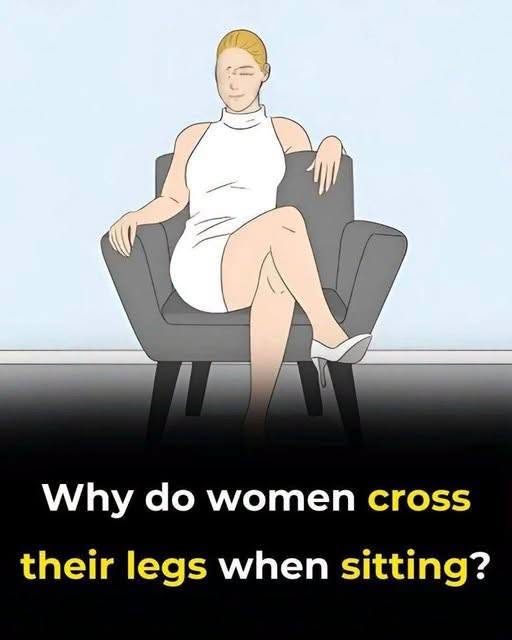
Crossing your legs while sitting is one of the most common sitting positions around the world. Many people do it without thinking, whether they’re at work, relaxing at home, waiting in a doctor’s office, or enjoying a meal with friends. While it often seems like a simple habit, there are several reasons why people naturally adopt this posture.
Body shape, comfort, cultural influences, and even emotions can all affect how someone chooses to sit. Although crossing your legs is generally harmless for most people, staying in any single position for too long can sometimes lead to discomfort.
Let’s explore why so many people cross their legs, what body language experts say about the habit, and how to sit comfortably while protecting your posture.
A Comfortable Position for Many People
One of the biggest reasons people cross their legs is simple—it feels comfortable.
When sitting for extended periods, the body naturally shifts into positions that reduce pressure on the hips and lower back. Crossing one leg over the other may provide additional support and create a more relaxed posture.
For some individuals, especially those with flexible hips, crossing the legs helps distribute body weight more evenly across the chair.
Comfort preferences vary from person to person, so there is no single “correct” sitting position.
Body Structure Can Influence Sitting Habits
Every person’s body is built differently.
Differences in hip shape, leg length, flexibility, muscle strength, and joint mobility all influence preferred sitting positions.
Some research suggests that pelvic structure may contribute to why certain sitting positions feel more natural for some people than others. However, individual comfort and habit usually play a larger role than anatomy alone.
Office chairs, sofas, benches, and car seats also affect how people position themselves throughout the day.
Cultural Expectations and Learned Behavior
Sitting posture is influenced by more than physical comfort.
From childhood, many people receive guidance about how they should sit in different social settings.
In some cultures, crossing the legs is viewed as a sign of politeness or formal posture, while in others different sitting styles are encouraged.
Clothing can also influence sitting habits. People wearing skirts or dresses may naturally choose positions that feel more comfortable or provide additional coverage.
Over time, these learned behaviors become automatic, often continuing into adulthood without conscious thought.
What Body Language Can Suggest
Body language experts often analyze sitting positions, but it’s important to remember that no single posture has one universal meaning.
Crossed legs may sometimes suggest:
- Relaxation
- Comfort
- Confidence
- Attentiveness
- A desire for personal space
However, posture should always be interpreted within the broader context of facial expressions, conversation, tone of voice, and the surrounding environment.
Someone crossing their legs may simply be getting comfortable rather than communicating a specific emotion.
Can Crossing Your Legs Affect Health?
For most healthy adults, occasionally crossing the legs is not harmful.
Problems are more likely to arise from remaining in the same position for long periods rather than from crossing the legs itself.
Possible temporary effects include:
- Mild numbness
- Tingling
- Temporary pressure on nerves
- Muscle stiffness
These sensations usually disappear after changing position and moving around.
Common Myths About Crossing Your Legs
Myth: Crossing your legs causes varicose veins.
Current evidence does not support this claim.
Varicose veins are primarily associated with factors such as genetics, age, pregnancy, prolonged standing, and weakened vein valves.
Myth: Crossing your legs permanently raises blood pressure.
Crossing the legs may cause a small, temporary increase in blood pressure while sitting, but the effect disappears once the legs are uncrossed.
Myth: It’s always bad for your back.
Not necessarily.
Problems usually develop when someone maintains any sitting posture for hours without movement.
Regular posture changes are more important than avoiding one specific position.
Tips for Sitting More Comfortably
Whether you cross your legs or not, healthy sitting habits can improve comfort throughout the day.
Try to:
- Stand up every 30 to 60 minutes.
- Stretch your hips and legs regularly.
- Keep your shoulders relaxed.
- Sit with good lower-back support.
- Alternate sitting positions throughout the day.
- Place both feet on the floor periodically.
- Avoid remaining completely still for long periods.
Movement is one of the best ways to reduce stiffness and improve circulation.
When You Should Pay Attention
Although crossing your legs is generally safe, persistent symptoms deserve medical attention.
Speak with a healthcare professional if you experience:
- Frequent leg numbness
- Ongoing pain
- Significant swelling
- Persistent tingling
- Weakness
- Difficulty walking
These symptoms may be related to underlying circulation, nerve, or musculoskeletal conditions rather than sitting posture alone.
Frequently Asked Questions
Is crossing your legs bad for circulation?
Briefly crossing your legs is unlikely to cause problems for most healthy individuals. Remaining in one position for extended periods is a greater concern than the posture itself.
Why do some people always cross their legs?
Comfort, habit, flexibility, body shape, clothing, and social conditioning all contribute to preferred sitting positions.
Should I avoid crossing my legs during long workdays?
It’s better to alternate positions regularly and stand up often rather than avoiding crossed legs entirely.
Can crossing your legs cause nerve compression?
Remaining in one position for a long time may temporarily compress certain nerves, leading to numbness or tingling that usually improves after changing position.
What is the healthiest sitting position?
The healthiest position is one that supports your spine, allows your feet to rest comfortably, and changes frequently throughout the day.
Final Thoughts
Crossing your legs is one of the most natural sitting habits people develop throughout life. For many, it provides comfort, stability, and relaxation without causing any health concerns.
Rather than worrying about the position itself, focus on maintaining good posture, moving regularly, and listening to your body’s signals. Small changes—such as stretching, standing periodically, and alternating sitting positions—can make a much bigger difference than whether your legs are crossed.
Comfort and movement go hand in hand. By paying attention to both, you can support better posture, improve circulation, and make long periods of sitting more comfortable.
More Blog
- Drinking Water on an Empty Stomach — What Science Actually Supports (No Hype, Just Facts)
- Waking Up Between 3 and 5 AM? It Might Be Your Soul Trying to Talk to You
- What a “Bleach” Patch on Your Underwear Really Means — And Why It’s Actually a Good Sign
- This Drink May Weaken Your Bones From The Inside — But Everyone Drinks It Anyway