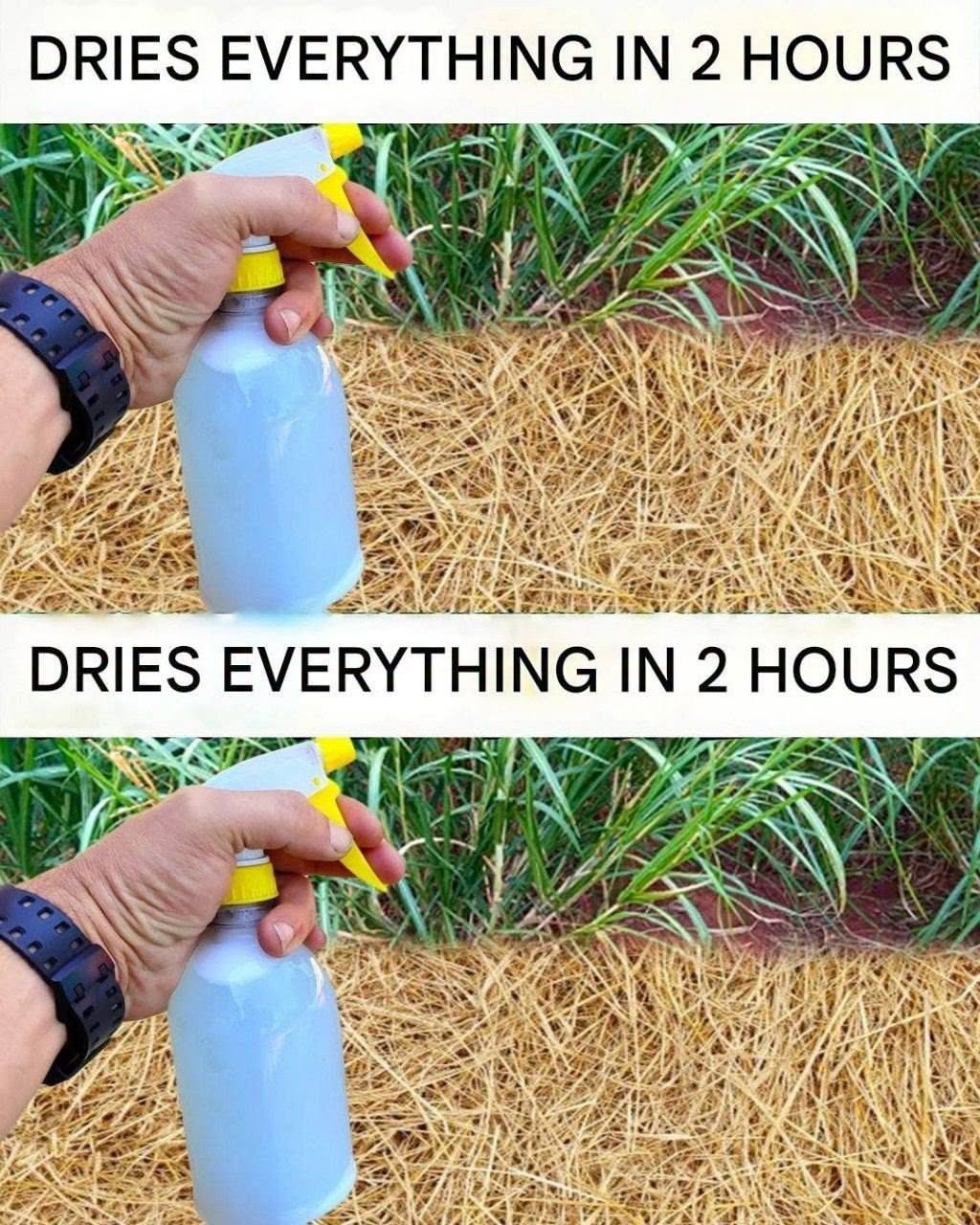
The Gentle Gardener’s Secret offers a practical way to tackle stubborn weeds with a few familiar household ingredients. Instead of reaching immediately for a commercial weed-control product, you can mix a simple vinegar-based spray for weeds growing in driveway cracks, gravel areas, sidewalks, and other places where you do not want vegetation.
However, homemade does not automatically mean harmless. Vinegar can damage any plant it touches, salt can accumulate in soil, and concentrated mixtures can irritate skin and eyes. Therefore, careful application matters. Use this homemade herbicide as a targeted treatment rather than spraying it broadly throughout a lawn, flower bed, or vegetable garden.
The basic mixture combines white vinegar with a small amount of dish soap. For hard surfaces where you want to discourage future plant growth, you can optionally add salt. Because salt can remain in soil and harm desirable plants, leave it out whenever runoff could reach garden soil.
I first tried a homemade weed spray after spending one too many afternoons pulling weeds from the narrow cracks around an old patio. Every rain seemed to bring another crop, and bending down to remove each one had become tedious. I already had vinegar and dish soap in the kitchen, so mixing a small batch seemed worth trying. I sprayed only the unwanted growth on a warm, dry afternoon and checked the area the following day. The leaves had visibly wilted. More importantly, the experience taught me that careful, targeted application worked much better than soaking the entire area.
Why The Gentle Gardener’s Secret Works
Understanding the Simple Ingredients
The Gentle Gardener’s Secret starts with ordinary white vinegar. Household white vinegar usually contains about 5% acetic acid. When vinegar contacts plant foliage, the acid can damage leaf tissue and remove moisture from exposed growth. Consequently, young weeds may wilt relatively quickly after thorough contact.
However, vinegar acts primarily as a contact treatment. It does not reliably travel through every weed and destroy an established root system. Therefore, mature perennial weeds can recover after their leaves die back. You may need to repeat treatment or remove the remaining root manually.
Dish soap serves a different purpose. A small quantity helps the vinegar spread across waxy leaves instead of immediately forming droplets and rolling away. As a result, the liquid makes more consistent contact with the foliage.
Some versions of this homemade herbicide also contain table salt. Salt can make conditions hostile to plant growth. However, that same property creates a significant disadvantage. Salt can remain in soil and affect desirable vegetation later.
For that reason, use the salt version only on places such as cracks in paving where you do not want plants growing. Even there, avoid applying enough solution to create runoff.
Although these ingredients sound familiar, handle the spray responsibly. Keep it away from eyes and skin, do not inhale the mist, and store unused mixture securely away from children and pets.
Where This Homemade Herbicide Works Best
Location makes a major difference.
The Gentle Gardener’s Secret works best when you can target isolated weeds without exposing nearby plants. For example, weeds emerging between paving stones provide an ideal target because you can coat their leaves precisely.
Driveway cracks also work well. Likewise, gravel paths and gaps along concrete edges can provide suitable treatment areas when runoff cannot reach desirable vegetation.
On the other hand, avoid spraying weeds that grow directly beside flowers, shrubs, vegetables, herbs, or grass. Vinegar does not distinguish between a weed and a valued plant. If the spray lands on green foliage, it can cause visible injury.
Wind also matters. Even a light breeze can carry fine droplets onto nearby plants. Therefore, choose a calm day and hold the sprayer close to the target.
Weather plays another role. Apply the mixture when the foliage stays dry long enough for the solution to work. Rain soon after application can wash the mixture away and reduce its effectiveness. Furthermore, runoff can move vinegar or salt toward places you never intended to treat.
Targeted application gives you the greatest control while reducing unnecessary exposure around your yard.
How to Make The Gentle Gardener’s Secret
Ingredients and Equipment
You only need a few supplies to prepare The Gentle Gardener’s Secret.
For a basic batch, combine:
- 1 gallon regular household white vinegar, about 5% acidity
- 1 tablespoon liquid dish soap
- 1 cup table salt, optional and only for hardscape areas where future plant growth is unwanted
You will also need a clean garden sprayer or sturdy spray bottle, a measuring spoon, a measuring cup if you use salt, a funnel, and protective gloves.
For most home applications, start without salt. Vinegar and dish soap provide a simpler contact spray, while omitting salt reduces the possibility of persistent soil problems.
If you decide to add salt, reserve that mixture for pavement cracks, gravel, or similarly isolated areas. Do not apply salted mixtures to vegetable gardens, lawns, flower beds, tree root zones, or locations where runoff enters planted soil.
Additionally, never mix household weed-control ingredients with bleach, ammonia, pesticides, or other cleaning chemicals. Keep the formula simple.
The finished spray will not behave like a selective lawn herbicide. It can injure practically any green foliage it contacts. Therefore, label your sprayer clearly and avoid using the same unwashed container for watering plants or applying foliar products later.
Finally, keep pets and children away while you mix and spray. Allow treated surfaces and foliage to dry before normal activity resumes.
Mixing and Applying the Spray
Pour the white vinegar into a clean garden sprayer. If you choose to use salt for an appropriate hardscape location, add it next and stir or gently agitate the mixture until the salt dissolves as much as possible.
Then add the tablespoon of dish soap.
Add the soap last because vigorous mixing can create excessive foam. Afterward, close the sprayer securely and gently turn it several times to distribute the ingredients.
Next, inspect the area you want to treat. Cover nearby desirable plants or skip weeds that sit too close to plants you want to preserve.
Choose a calm, dry day. Then adjust the nozzle to produce a controlled spray rather than a drifting mist.
Coat the unwanted weed’s leaves until they look evenly wet. However, do not drench the surrounding soil. More solution does not necessarily create better results, and excessive application increases the risk of runoff.
Check the weeds after a day or two. Young annual weeds may show significant browning or wilting. Nevertheless, established weeds can survive because their roots remain alive below the surface.
If green growth returns, repeat a targeted application when conditions permit. Alternatively, pull the weakened weed and remove as much of its root as possible.
Getting Better Results Without Damaging Your Garden
Timing Makes a Difference
The Gentle Gardener’s Secret works most effectively when the spray remains on exposed foliage. Therefore, check the weather before you begin.
Choose a dry period without immediate rain. A calm day also gives you better control over the spray. In addition, visible, actively growing foliage provides a larger surface for contact.
Avoid spraying during windy conditions. Even if you aim carefully, drifting droplets can reach flowers, vegetables, grass, and ornamental plants.
Young weeds generally respond more readily than mature plants. Consequently, treating weeds soon after you notice them can save time later.
Large perennial weeds present a different challenge. Their extensive roots often store enough energy to produce fresh shoots after the exposed leaves die. In that situation, repeated spraying alone may become inefficient.
Instead, consider combining methods. First, weaken the foliage with a carefully targeted treatment. Then remove the root mechanically once the plant becomes easier to handle.
You can also prevent future weed problems by sweeping soil and organic debris from pavement cracks. Seeds need favorable conditions to germinate, so reducing accumulated material can make those cracks less inviting.
Mulch offers another useful strategy in planted areas. Rather than spraying vinegar around valuable plants, apply an appropriate layer of mulch and hand-pull occasional weeds.
A homemade spray works best as one tool within a broader maintenance routine rather than as a universal solution.
Common Mistakes to Avoid
The biggest mistake involves assuming that a homemade product cannot cause damage.
Vinegar can injure desirable vegetation. Therefore, never broadcast The Gentle Gardener’s Secret over a lawn or garden bed. Use it only where you can identify and target unwanted plants.
Adding too much dish soap creates another problem. You only need enough surfactant to help the liquid coat leaves. Extra soap does not automatically improve weed control.
Salt requires even more caution. Repeated salt applications can create poor growing conditions in surrounding soil. Furthermore, water can carry dissolved salt away from the original treatment area.
Avoid treating weeds near streams, ponds, storm drains, or other waterways. Likewise, prevent runoff from entering drainage systems.
Do not substitute stronger industrial or horticultural vinegar without understanding its hazards. Products with much higher concentrations of acetic acid can cause serious skin and eye injuries. Regular household vinegar provides a more appropriate starting point for this simple home mixture.
Finally, do not expect permanent results from one application. Annual seedlings may die after contact treatment, while deep-rooted weeds can return. Therefore, monitor the area and remove surviving roots when practical.
Careful application produces better results than simply using more mixture.
Making The Gentle Gardener’s Secret Part of Routine Yard Care
Prevention Reduces Future Weeds
The Gentle Gardener’s Secret can help control visible weeds, but prevention can dramatically reduce how often you need it.
Start by keeping hard surfaces clean. Dirt, decomposing leaves, grass clippings, and other organic material collect in pavement cracks. Eventually, those materials create tiny pockets where seeds can germinate.
Sweep patios, walkways, and driveways regularly. Additionally, repair larger cracks when practical. Closing the spaces where seeds settle can prevent many weeds before they emerge.
For flower beds and landscaped areas, use methods that protect the soil. Mulch can block light from reaching many weed seeds while helping the soil retain moisture. Meanwhile, regular hand weeding prevents young plants from developing extensive root systems.
Dense, healthy groundcover can also reduce open spaces where opportunistic weeds establish themselves. Likewise, maintaining healthy turf helps limit gaps that weed seedlings can occupy.
When a weed appears, identify the location before choosing a treatment. A weed in a concrete crack presents a very different situation from a weed beside a tomato plant.
Therefore, match the control method to the setting. Use targeted vinegar spray on appropriate hard surfaces, hand-pull weeds close to valuable plants, and use mulch or other physical barriers for prevention.
This balanced approach protects desirable plants while keeping routine maintenance manageable.
Storage, Cleanup, and Responsible Use
Mix only as much of The Gentle Gardener’s Secret as you reasonably expect to use. Small, fresh batches simplify storage and reduce the chance of accidental misuse.
If you keep leftover mixture, label the container clearly. Store it in a secure location away from food, children, and pets. Never transfer it into a beverage container or any bottle that someone could mistake for a drink.
After spraying, wash your hands thoroughly. Additionally, rinse equipment according to its manufacturer’s directions before storing it.
Do not dump leftover salted solution onto soil. Instead, avoid making excessive quantities in the first place. Careful batch sizing offers the easiest solution.
Keep the sprayer dedicated to weed control whenever possible. Even small residues could harm desirable plants during later use.
You should also inspect treated areas before applying another round. If the weeds already show severe wilting, wait and observe them rather than immediately spraying again.
Finally, remember that the goal involves controlling unwanted vegetation with the smallest effective intervention. Precise spraying, mechanical removal, mulch, sweeping, and prevention can work together.
When you use each method in the right place, weed management becomes less frustrating and more predictable.
Frequently Asked Questions
How quickly does The Gentle Gardener’s Secret work?
Visible wilting can sometimes appear within several hours to a day, particularly on young weeds during favorable dry conditions. However, results vary with plant species, maturity, weather, and coverage. Deep-rooted perennial weeds may produce new growth even after their exposed leaves turn brown.
Will homemade vinegar weed spray kill weeds permanently?
Not always. Household vinegar mainly affects the foliage that it contacts. Therefore, established roots may survive underground and produce new shoots. Repeated targeted treatment or physical root removal may provide better long-term control.
Can I use this mixture on my lawn?
No. Vinegar can damage grass along with weeds. The mixture does not selectively recognize unwanted plants. Instead, use appropriate lawn weed-management techniques when weeds grow among healthy grass.
Do I need to add salt?
No. In fact, leaving salt out makes sense for many applications. Salt can persist in soil and damage nearby vegetation. If you use it at all, restrict the salted version to isolated hardscape cracks where you do not want plants to grow and where runoff cannot reach planted areas.
Is homemade weed killer completely non-toxic?
No. Natural or household ingredients still require careful handling. Vinegar can irritate eyes and skin, stronger vinegar can cause more serious injuries, dish soap can affect plants and organisms, and salt can damage soil and vegetation. Keep the spray away from children and pets during application, avoid contact with eyes and skin, and prevent runoff.
Conclusion
The Gentle Gardener’s Secret provides a straightforward option for dealing with unwanted weeds in pavement cracks, gravel areas, and similar spaces. With regular household white vinegar and a small amount of dish soap, you can create a targeted contact spray in minutes.
However, thoughtful application makes the biggest difference. Spray only the unwanted foliage, protect surrounding plants, choose calm and dry weather, and avoid unnecessary runoff. Furthermore, consider skipping salt unless you treat an isolated hardscape area where you truly want to discourage future vegetation.
For stubborn perennial weeds, combine targeted spraying with physical removal. Meanwhile, prevent new growth by sweeping pavement cracks, maintaining healthy planted areas, and using mulch where appropriate.
The Gentle Gardener’s Secret works best when you treat it as one practical tool rather than a cure for every weed problem. With careful use and regular prevention, you can spend less time fighting unwanted growth while protecting the plants and soil you want to keep.
More Blog
- Drinking Water on an Empty Stomach — What Science Actually Supports (No Hype, Just Facts)
- Waking Up Between 3 and 5 AM? It Might Be Your Soul Trying to Talk to You
- What a “Bleach” Patch on Your Underwear Really Means — And Why It’s Actually a Good Sign
- This Drink May Weaken Your Bones From The Inside — But Everyone Drinks It Anyway