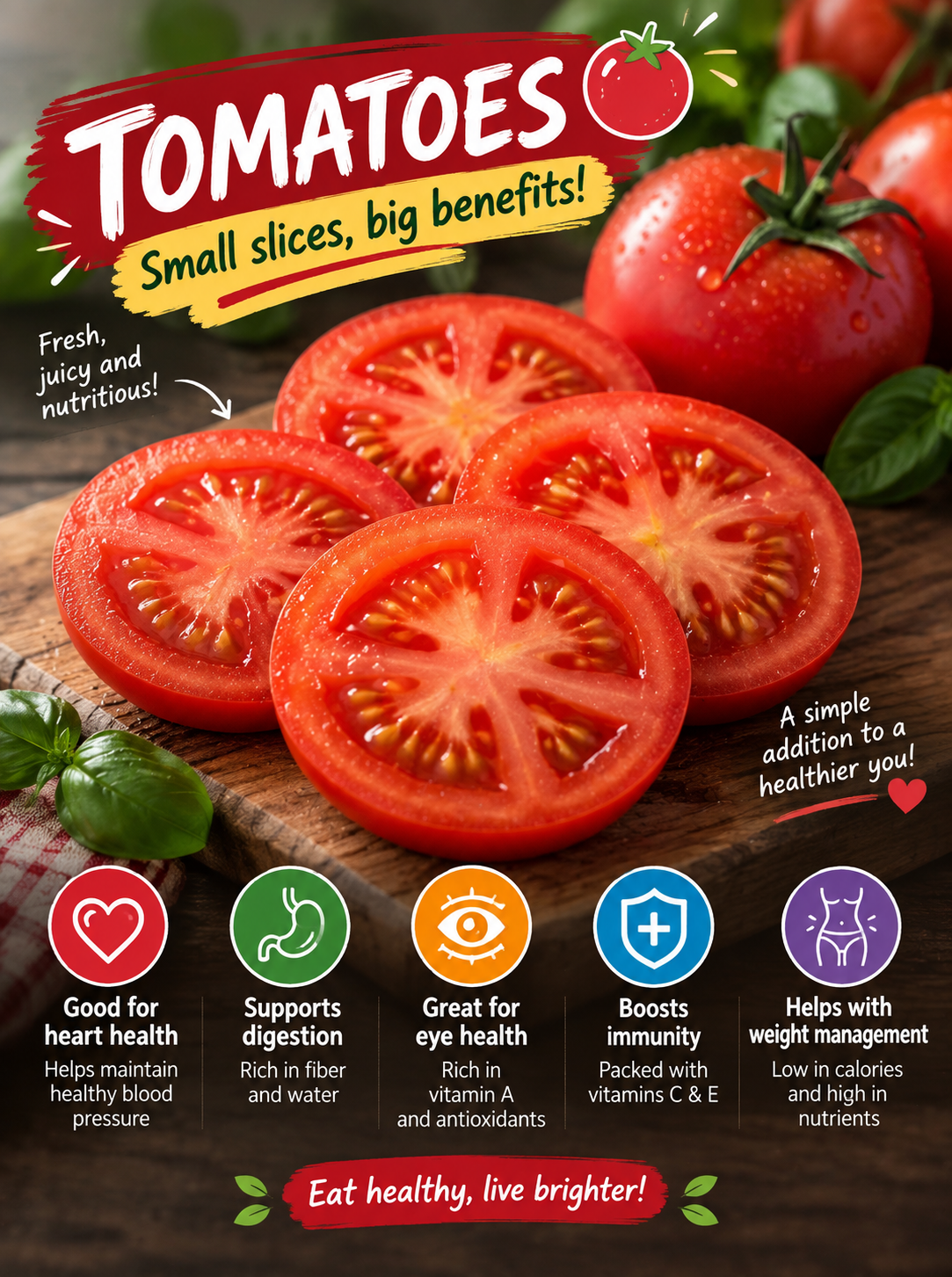
Scientists take a closer look at tomatoes because this familiar food packs an impressive range of nutrients into a simple, low-calorie package. Tomatoes provide vitamin C, potassium, folate, fiber, and several plant compounds. Among those compounds, lycopene attracts the most attention because researchers have studied its antioxidant properties and its possible role in supporting long-term health.
You can eat tomatoes raw, roasted, grilled, blended, or cooked into sauces. Interestingly, preparation changes how your body handles some of their nutrients. Raw tomatoes offer plenty of vitamin C, while cooked tomatoes may make lycopene easier for your body to absorb.
I started paying more attention to tomatoes after realizing how often they appeared in everyday meals. They showed up in sandwiches, salads, pasta sauces, soups, and even simple breakfasts. Yet I had always thought of them mainly as something that added flavor and color. Once I looked more closely at their nutrition, I realized they contribute more than that. A tomato does not work like medicine, and eating one every day will not transform your health overnight. However, regularly including tomatoes alongside other vegetables, fruits, whole grains, and protein-rich foods can add useful nutrients to an overall balanced diet.
Why Scientists Take a Closer Look at Tomatoes and Their Antioxidants
Lycopene Gives Tomatoes More Than Their Red Color
Lycopene gives many tomatoes their deep red color, but it also acts as an antioxidant in the body.
Antioxidants help protect cells from oxidative stress. This process occurs when unstable molecules called free radicals outnumber the body’s antioxidant defenses. Your body naturally produces free radicals during normal metabolism, and environmental factors can also increase exposure.
Therefore, foods containing antioxidant compounds can form a useful part of a nutritious diet.
Tomatoes stand out because they provide a particularly well-known source of lycopene. However, lycopene does not work alone. Tomatoes also contain vitamin C, beta-carotene, and other plant compounds.
Researchers have studied lycopene for possible connections with cardiovascular health and other long-term health outcomes. Still, no single nutrient can guarantee protection from disease.
That distinction matters.
Eating tomatoes can support a nutrient-rich dietary pattern, but tomatoes should not replace medical treatment, regular exercise, sufficient sleep, or other healthy habits.
Preparation also changes lycopene availability.
Cooking breaks down some of the plant structure that surrounds lycopene. As a result, your body may absorb more lycopene from cooked tomato products than from the same amount of raw tomato.
Adding a small amount of dietary fat can also help because lycopene dissolves in fat.
Therefore, a tomato sauce prepared with olive oil offers a different nutritional experience from raw tomato slices. Both can contribute valuable nutrients, but your body processes them somewhat differently.
Raw and Cooked Tomatoes Offer Different Advantages
You do not need to choose between raw and cooked tomatoes.
Both forms can fit into a healthy diet.
Raw tomatoes provide freshness, water, fiber, and heat-sensitive nutrients such as vitamin C. Consequently, adding sliced tomatoes to salads, sandwiches, or grain bowls can increase both flavor and nutritional variety.
Cooked tomatoes offer another benefit.
Heat reduces some vitamin C because this vitamin breaks down during cooking. However, cooking can make lycopene easier to absorb.
This tradeoff shows why dietary variety matters more than searching for one perfect preparation method.
For example, you might eat fresh tomatoes at lunch and use cooked tomato sauce at dinner. Over time, that variety exposes you to different nutrient profiles.
Tomato paste and sauces also contain concentrated tomato solids. Therefore, they may provide substantial amounts of lycopene per serving. However, packaged sauces can contain added sodium or sugar, so checking labels can help when you eat them often.
Meanwhile, fresh tomatoes naturally contain very little sodium.
The healthiest choice depends partly on the rest of your meal.
A homemade tomato sauce served with vegetables, beans, whole-grain pasta, and a source of protein creates a balanced dish. Likewise, fresh tomatoes paired with leafy greens, nuts, beans, or grilled fish can contribute to a satisfying meal.
Scientists take a closer look at tomatoes partly because these foods appear in so many dietary patterns. Their versatility makes them easy to include regularly without relying on supplements or highly processed products.
How Regular Tomato Consumption May Support Heart and Digestive Health
Potassium and Plant Compounds Support a Heart-Friendly Diet
Tomatoes contain potassium, an essential mineral involved in normal muscle and nerve function.
Potassium also plays a role in fluid balance and blood pressure regulation. Diets that include potassium-rich foods can support cardiovascular health, especially when they also limit excessive sodium.
However, one tomato cannot control blood pressure by itself.
Instead, tomatoes work best as part of a broader eating pattern that includes vegetables, fruits, legumes, whole grains, nuts, seeds, and other minimally processed foods.
Tomatoes also contain vitamin C and carotenoids, including lycopene. These nutrients and plant compounds contribute to the overall nutritional value of the fruit.
Research often looks at tomatoes within larger dietary patterns rather than treating them as a cure for heart disease.
That approach makes sense because cardiovascular health depends on many factors.
Physical activity, smoking status, blood pressure, cholesterol levels, genetics, sleep, stress, and overall food choices all matter.
Therefore, replacing highly processed foods with meals built around vegetables such as tomatoes may provide more meaningful benefits than simply adding tomatoes to an otherwise unbalanced diet.
Preparation deserves attention too.
A fresh tomato contains little sodium. However, some canned tomato products, sauces, and soups contain much more.
If you regularly eat packaged tomato products, compare labels and choose lower-sodium options when practical.
You can also rinse certain canned products or make sauces at home to control the amount of salt.
Small choices like these help preserve the nutritional advantages of tomatoes while keeping the entire meal balanced.
Water and Fiber Can Support Digestion
Tomatoes contain a large amount of water.
They also contribute dietary fiber, particularly when you eat the skin and flesh.
Water and fiber both support normal digestive function. Fiber adds bulk to stool, while adequate fluid intake helps keep digestive contents moving comfortably.
However, tomatoes alone do not provide enough fiber to meet daily needs.
Therefore, pair them with other fiber-rich foods.
Beans, lentils, whole grains, vegetables, fruits, nuts, and seeds contribute much larger amounts of dietary fiber. A tomato salad with chickpeas, for example, provides considerably more fiber than tomatoes alone.
The combination matters.
A diet containing a wide range of plant foods supports digestive health more effectively than relying on one particular fruit or vegetable.
Some people also find tomatoes easy to include because they work in both raw and cooked dishes.
You can chop them into salads, simmer them into soups, blend them into sauces, roast them with vegetables, or add them to sandwiches.
That flexibility can make it easier to increase overall vegetable and fruit intake.
Still, tomatoes can cause discomfort for some people.
Their natural acidity may worsen heartburn or reflux symptoms in sensitive individuals. Tomato sauce can sometimes cause more noticeable symptoms because it may be concentrated and combined with other triggers such as garlic, onions, fat, or spicy ingredients.
Therefore, pay attention to your own response.
A food can offer valuable nutrients and still cause discomfort for a particular person. In that case, adjusting portion size, preparation method, or frequency may help.
What Tomatoes May Do for Skin, Eyes, and Everyday Nutrition
Vitamin C and Carotenoids Support Normal Tissue Function
Tomatoes provide vitamin C, an essential nutrient involved in collagen production and normal immune function.
Collagen forms part of the structure of skin, blood vessels, cartilage, and other tissues. Therefore, adequate vitamin C intake helps the body maintain and repair these structures.
However, eating tomatoes does not work like applying a cosmetic treatment.
The effects of nutrition on skin develop as part of your overall dietary pattern. Hydration, sun exposure, sleep, smoking, genetics, and skincare habits also influence how your skin looks and functions.
Tomatoes additionally contain carotenoids.
Lycopene receives most of the attention, but tomatoes can also provide beta-carotene and other related compounds.
Researchers have explored how carotenoid-rich diets relate to skin and eye health. These compounds participate in antioxidant defenses, although eating tomatoes does not replace sunscreen, protective clothing, regular eye care, or medical treatment.
Tomatoes can still make a practical contribution to daily nutrition.
For example, a tomato added to a sandwich provides vitamin C and water with relatively few calories. Roasted tomatoes can add flavor to grain bowls without requiring heavy sauces.
Meanwhile, tomato-based soups can combine easily with beans, vegetables, and whole grains.
These everyday uses matter because sustainable nutrition often depends on foods people actually enjoy eating regularly.
You do not need exotic ingredients to improve your diet.
Simple foods such as tomatoes can contribute meaningful nutrients when you include them consistently alongside many other whole foods.
Tomatoes Add Nutrients Without Many Calories
Tomatoes contain relatively few calories because much of their weight comes from water.
That makes them useful when you want to add volume, flavor, and nutrients to a meal without dramatically increasing its energy content.
However, describing tomatoes as a “weight-loss food” can create the wrong impression.
No food automatically causes fat loss.
Body weight changes depend on long-term energy balance along with many individual factors. These can include activity level, sleep, medications, health conditions, appetite, genetics, and overall eating patterns.
Still, lower-calorie vegetables and fruits can help create satisfying meals.
For instance, adding tomatoes, cucumbers, leafy greens, and peppers to a meal increases volume and texture. When you pair those vegetables with protein and fiber-rich carbohydrates, the meal may feel more filling.
Tomatoes also add strong flavor.
Their natural acidity and savory characteristics can make simple foods taste more interesting. Consequently, they can help you build satisfying meals without depending entirely on calorie-dense sauces.
Preparation still changes the final dish.
Fresh tomatoes contain few calories, but tomato dishes made with large amounts of oil, cheese, cream, or added sugar can become much more energy-dense.
That does not automatically make those dishes unhealthy. However, it shows why you should evaluate the whole meal instead of judging it by the presence of tomatoes.
A balanced approach works best.
Use tomatoes to add flavor, color, moisture, and nutrients while combining them with foods that provide protein, healthy fats, fiber, and other essential nutrients.
When Eating Tomatoes Regularly May Not Feel Right
Acid Reflux and Sensitivities Can Change the Experience
Most people can enjoy tomatoes without problems.
However, some individuals notice heartburn, reflux, or stomach discomfort after eating tomato-based foods.
Tomatoes naturally contain acids. For someone with gastroesophageal reflux disease or frequent heartburn, acidic foods may aggravate symptoms.
The amount matters too.
A few slices of fresh tomato may cause no problem, while a large bowl of concentrated tomato sauce may trigger discomfort.
Other ingredients can complicate the picture.
For example, pizza or pasta sauce may contain garlic, onion, chili, cheese, or substantial amounts of fat. Those ingredients can also trigger symptoms for some people.
Therefore, blaming tomatoes alone may not always explain the reaction.
Keeping track of which foods and portions cause symptoms can help you identify patterns.
You may discover that raw tomatoes feel fine but concentrated sauces do not. Alternatively, you may tolerate small servings better than large ones.
True tomato allergy can also occur, although it is less common than simple digestive discomfort.
Anyone who develops symptoms such as swelling, difficulty breathing, widespread hives, or another severe allergic reaction needs prompt medical attention.
Milder sensitivities still deserve individual consideration.
You do not need to force yourself to eat tomatoes just because they contain useful nutrients. Many other fruits and vegetables provide vitamin C, potassium, fiber, and antioxidants.
A balanced diet always allows room for substitutions.
Some Medical Conditions Require Individual Guidance
Tomatoes contain potassium, which benefits normal body function.
However, people with certain kidney conditions may need to monitor potassium intake carefully.
Healthy kidneys help regulate potassium levels in the blood. When kidney function declines significantly, the body may have difficulty removing excess potassium.
In those situations, medical professionals may recommend individualized dietary limits.
That does not mean tomatoes harm the kidneys in healthy people.
It simply means that nutrition advice changes when someone has a medical condition that affects how the body handles particular nutrients.
The same principle applies to medications and other health concerns.
A person following a medically prescribed diet should rely on guidance tailored to their laboratory results, medications, and overall nutritional needs rather than general advice from social media.
For most people, tomatoes remain an easy and nutritious food.
Still, moderation and variety make sense.
Eating tomatoes every day does not mean you should stop eating other vegetables. Different plant foods provide different nutrients and phytochemicals.
For example, leafy greens provide nutrients that tomatoes contain in smaller amounts. Orange vegetables contribute different carotenoids. Cruciferous vegetables offer another range of plant compounds.
Therefore, use tomatoes as one part of a colorful eating pattern.
The strongest approach does not center on one “superfood.” Instead, it combines many nutritious foods consistently over time.
Frequently Asked Questions
Is it healthy to eat tomatoes every day?
For most people, tomatoes can fit comfortably into a daily diet. They provide vitamin C, potassium, fiber, water, and carotenoids such as lycopene. However, variety remains important, so include other fruits and vegetables as well.
Are cooked tomatoes healthier than raw tomatoes?
Neither form is universally healthier. Raw tomatoes retain more heat-sensitive vitamin C, while cooking can make lycopene easier for your body to absorb. Eating both provides useful variety.
Can tomatoes improve heart health?
Tomatoes can contribute to a heart-friendly eating pattern because they provide potassium, antioxidants, and other nutrients. However, they do not prevent or treat cardiovascular disease on their own.
Can tomatoes help with weight loss?
Tomatoes contain relatively few calories and plenty of water, so they can add volume to meals. However, they do not directly cause weight loss. Overall eating patterns, activity, sleep, and other factors matter much more.
Who should be careful about eating tomatoes?
People who experience reflux or tomato sensitivity may need to limit them. Additionally, some people with kidney conditions must monitor potassium intake. Anyone following a medically restricted diet should use individualized professional guidance.
Conclusion
Scientists take a closer look at tomatoes because this everyday food contains an interesting combination of vitamins, minerals, water, fiber, and plant compounds.
Lycopene gives red tomatoes much of their color and contributes antioxidant activity. Meanwhile, vitamin C supports normal collagen production and immune function, while potassium plays an important role in normal fluid balance, muscle function, and blood pressure regulation.
Tomatoes can also add volume, moisture, and flavor to meals without contributing many calories. However, they work best as part of a varied diet rather than as a miracle food.
Raw and cooked tomatoes both offer advantages. Fresh tomatoes provide vitamin C and crisp texture, while cooked tomato products can make lycopene easier to absorb.
Still, individual needs matter. Tomatoes may aggravate reflux in some people, and certain medical conditions can require closer attention to potassium intake.
For most people, though, tomatoes provide a simple and practical way to add more plant foods to everyday meals. Combine them with vegetables, whole grains, beans, healthy fats, and quality protein sources, and they can become one useful part of a balanced eating pattern.
More Blog
- Drinking Water on an Empty Stomach — What Science Actually Supports (No Hype, Just Facts)
- Waking Up Between 3 and 5 AM? It Might Be Your Soul Trying to Talk to You
- What a “Bleach” Patch on Your Underwear Really Means — And Why It’s Actually a Good Sign
- This Drink May Weaken Your Bones From The Inside — But Everyone Drinks It Anyway