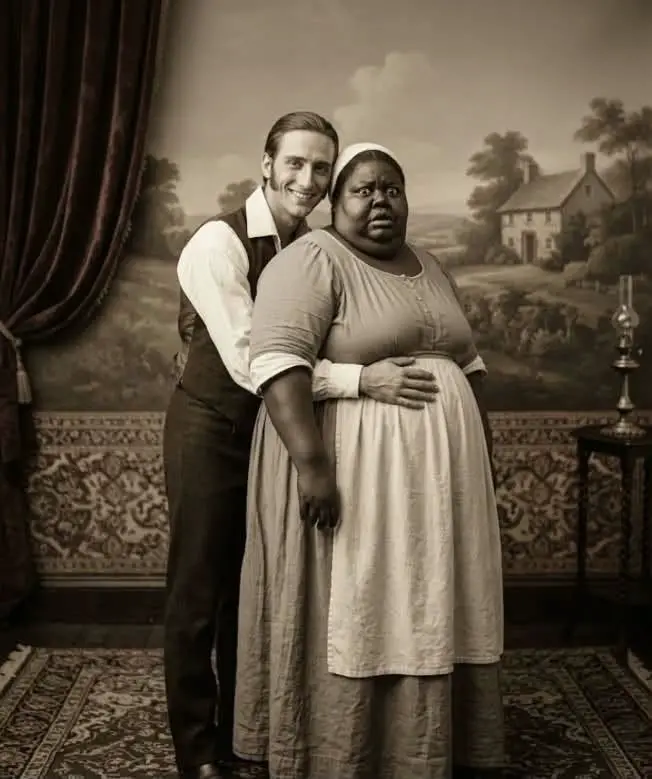
A historical fiction inspired by the final years of slavery in nineteenth-century Brazil.
History often remembers emperors, politicians, and military leaders. Their names appear in textbooks, monuments, and official archives. Yet countless ordinary people—farm workers, healers, mothers, laborers, and dreamers—also shaped history through quiet acts of courage that rarely found their way onto paper.
This story imagines one such woman.
Her name is Benedita.
Whether or not someone exactly like her stood in a Brazilian marketplace in 1887, thousands of women lived lives remarkably similar. They endured unimaginable hardship, survived systems built to deny their humanity, and helped build new communities after slavery ended.
This is their story.
A Valley Built on Coffee and Silence
The hills of Vassouras rolled endlessly beneath the tropical sun.
Rows upon rows of coffee bushes stretched across the landscape, their green leaves shimmering after the morning rain. Elegant plantation houses overlooked the fields from nearby hills, while smoke drifted lazily from workers’ quarters hidden beyond the trees.
To outsiders, the valley appeared prosperous.
Coffee from this region traveled across oceans.
Fortunes were made here.
Grand pianos filled plantation mansions.
Imported crystal decorated dining rooms.
Silk dresses arrived from Europe.
But beneath that wealth stood another reality.
Thousands of enslaved Africans and Afro-Brazilians worked from sunrise until darkness harvesting the beans that enriched others.
Every sack of coffee carried invisible fingerprints.
Every fortune carried invisible scars.
The Woman Nobody Wanted
The morning auction began before the church bells had finished ringing.
Merchants adjusted their hats.
Landowners gathered beneath wide-brimmed umbrellas.
Buyers inspected the people standing quietly on the platform as though examining livestock.
The auctioneer called each name without emotion.
Age.
Strength.
Trade.
Health.
Price.
Nothing more.
When Benedita stepped forward, whispers moved through the crowd.
She no longer possessed the youth buyers preferred.
Her hands were rough from decades of harvesting coffee cherries.
A scar crossed one shoulder.
Her left leg carried a slight limp from an injury years earlier.
To many buyers, she represented declining value.
The auctioneer cleared his throat.
“Forty years old.”
“Experienced plantation worker.”
“Injury to the left leg.”
“Price reduced.”
Silence answered him.
One man offered five mil-réis.
Another reluctantly added two more.
Then nothing.
Benedita remained perfectly still.
She had learned long ago that showing fear only entertained those watching.
Instead, she lifted her chin.
She refused to look at the ground.
She refused to beg.
A Different Kind of Purchase
The silence stretched until footsteps echoed across the square.
A physician known throughout the district approached the platform.
Dr. Antônio Alves wasn’t wealthy enough to own vast plantations.
Instead, he traveled constantly between villages treating anyone who needed medical care.
The wealthy called him eccentric.
The poor simply called him “Doctor.”
Without negotiation, he placed the requested amount on the table.
“I’ll pay the full price.”
The auctioneer counted the coins twice.
Satisfied, he signed the bill of sale and handed it over.
The crowd expected the physician to inspect his purchase.
Instead, he slowly unfolded the document.
He looked at Benedita.
Then, without saying another word, he tore the paper neatly down the middle.
The pieces drifted into the dust.
Gasps spread through the marketplace.
Someone muttered that the doctor had lost his senses.
Others watched in complete silence.
Ownership had just disappeared into the wind.
One Question
Benedita stared at the torn paper.
For years, every decision about her life had belonged to someone else.
Now no one was giving orders.
No one shouted.
No one grabbed her arm.
The absence of commands felt almost frightening.
Finally, she asked quietly,
“What do you want from me?”
Dr. Alves shook his head.
“Nothing.”
She frowned.
“No one gives away money for nothing.”
“I didn’t buy a servant,” he replied.
“I ended a transaction.”
She looked at him for a long moment.
Then she asked another question.
“What does a free woman do?”
The doctor smiled sadly.
“That,” he answered, “is something no one can teach you.”
The First Morning of Freedom
The following sunrise felt strangely familiar.
Birds still sang.
Coffee wagons still rattled along dirt roads.
Workers still hurried toward the plantations.
The world looked exactly the same.
Yet everything had changed.
Benedita no longer woke to the sound of orders.
No overseer waited outside.
No bell dictated every movement.
Instead, she stood outside a modest clinic on the edge of town.
When Dr. Alves opened the door, she spoke before he could.
“I’ve worked my entire life.”
“I don’t know how to stop.”
“I can clean.”
“I can cook.”
“I can carry water.”
“I can help.”
The physician stepped aside.
“Then come inside.”
Not because you owe me anything.”
“But because everyone deserves purpose.”
Learning an Entirely New Life
Freedom was more confusing than Benedita expected.
No one had taught her how to choose.
Every decision—even small ones—felt enormous.
Which road should she take?
When should she eat?
Could she sit whenever she wished?
Could she simply…rest?
The doctor never answered those questions directly.
Instead, he quietly created opportunities.
He showed her where medical supplies were stored.
He taught her how to boil instruments safely.
He explained which herbs reduced fever.
Which leaves soothed burns.
Which teas settled an upset stomach.
At first she only watched.
Then she helped.
Soon villagers noticed something remarkable.
The woman once dismissed as broken possessed extraordinary patience.
Children trusted her.
Older patients relaxed when she entered the room.
Even frightened newcomers found comfort in her calm voice.
She had spent decades surviving pain.
Now she recognized it instantly in others.
The Clinic That Became a Refuge
The clinic stood on the edge of Vassouras where the paved streets gave way to winding dirt roads. It was small, with whitewashed walls, a clay-tiled roof, and a porch shaded by an old mango tree. It lacked the grandeur of the plantation houses, yet it possessed something far more valuable.
It welcomed everyone.
Formerly enslaved workers, poor farmers, widows, orphaned children, traveling merchants, and even plantation laborers arrived seeking help. Some came with broken bones, others with fevers or infected wounds. Many simply needed someone willing to treat them with dignity.
Benedita threw herself into the work.
She scrubbed floors before sunrise.
She boiled linens.
She prepared herbal compresses.
She comforted frightened children while the doctor stitched injuries.
At first, she believed she was simply repaying an impossible kindness.
But Dr. Alves gently corrected her.
“You are not paying a debt,” he told her one evening.
“You are building a future.”
Those words stayed with her.
For the first time in her life, she realized that her labor belonged to her—not to an owner, but to a purpose she had chosen herself.
Learning What Had Been Denied
One rainy afternoon, the doctor placed a small book on the wooden table.
It contained only a few simple lessons.
The alphabet.
Benedita stared at the strange symbols.
“I am too old,” she whispered.
“No,” Dr. Alves replied.
“You were simply never given the chance.”
Every evening after the patients had gone home, they sat together beneath the warm glow of an oil lamp.
A.
B.
C.
She traced each letter with trembling fingers.
At first they looked like meaningless marks.
Then they became sounds.
Soon they became words.
Months later she slowly wrote her own name for the very first time.
Benedita.
She stared at the page for several minutes.
No overseer had written it.
No official had signed it for her.
She had written it herself.
Tears quietly rolled down her cheeks.
“I finally exist,” she whispered.
The doctor smiled.
“You always existed.”
“Now the world can no longer pretend otherwise.”
Respect Earned, Not Given
News traveled quickly through the valley.
People began speaking about the former enslaved woman working beside the physician.
Some approved.
Others mocked.
Plantation owners complained that the doctor was encouraging dangerous ideas.
One wealthy landowner sneered as Benedita walked past.
“A servant pretending to be respectable.”
She stopped.
Years earlier she would have lowered her head.
Not anymore.
She looked directly at him.
“I do not pretend,” she answered calmly.
“I simply refuse to be what you expect.”
The crowd fell silent.
The landowner had no reply.
People remembered that moment for years.
Not because she shouted.
But because she didn’t.
Her quiet confidence carried more power than anger ever could.
The Valley Begins to Change
By early 1888, something remarkable was happening throughout Brazil.
Rumors spread from plantation to plantation.
Some said abolition would happen within weeks.
Others insisted it would never come.
Meanwhile, more enslaved people simply left.
Entire families disappeared overnight.
Workers abandoned coffee fields.
Plantation owners struggled to replace them.
The old system was collapsing long before lawmakers admitted it.
Benedita watched these changes carefully.
She knew freedom on paper meant little without courage in the heart.
One Sunday afternoon she returned to the plantation where she had spent most of her life.
The overseers recognized her immediately.
“So,” one laughed.
“You came crawling back?”
She shook her head.
“I came to speak.”
The workers slowly gathered.
Some still carried baskets.
Others held pruning knives.
Many looked exhausted.
Benedita spoke quietly.
“I cannot tell you what choice to make.”
“But I can tell you this.”
“No one is born to belong to someone else.”
The words spread through the crowd like wind through tall grass.
No speeches.
No shouting.
Just truth.
Walking Away
The following morning something extraordinary happened.
One worker laid his basket on the ground.
Another followed.
Then another.
Soon dozens of tools rested silently between the coffee rows.
No one ran.
No one fought.
They simply began walking.
Families gathered together.
Parents carried children.
Grandparents leaned on walking sticks.
They walked slowly down the dusty road.
Not as fugitives.
Not as property.
But as people determined to choose their own future.
Plantation managers screamed for them to return.
Threats echoed across the valley.
Very few turned around.
Dr. Alves later watched from the clinic porch as the procession passed.
Someone asked whether he intended to stop them.
He answered simply,
“Freedom does not ask permission.”
Freedom on Paper
On May 13, 1888, Brazil officially abolished slavery through the Lei Áurea, or Golden Law.
Church bells rang across towns and villages.
Crowds celebrated.
Newspapers praised the historic decision.
Yet Benedita understood something many politicians did not.
Freedom declared by law was only the beginning.
Formerly enslaved families still needed homes.
Work.
Education.
Medical care.
Protection.
Hope.
Many had nowhere to go.
Others accepted unfair wages simply to survive.
The hardest work had only just begun.
Benedita looked around the crowded clinic.
Children laughed outside beneath the mango tree.
Former plantation workers shared meals together.
Neighbors cared for one another.
She smiled softly.
“This,” she said,
“is where freedom truly begins.”
After Abolition: Building a Community Instead of Simply Surviving
When Brazil officially abolished slavery on May 13, 1888, church bells echoed across the countryside, and newspapers celebrated what they called a new era. For many, it seemed like the struggle had ended.
For Benedita, it had only changed.
Freedom was no longer about escaping chains. It was about learning how to live in a society that had never expected formerly enslaved people to succeed.
Many newly freed families owned nothing but the clothes they wore. They had no homes, no savings, and often no formal education. Plantation owners who had once claimed ownership now offered tiny wages under harsh conditions, hoping desperation would keep workers dependent.
Benedita refused to let hopelessness define the future.
Working alongside Dr. Alves, she helped organize simple but powerful community efforts. Families shared extra food instead of letting neighbors go hungry. Skilled workers repaired each other’s homes without expecting payment. Mothers cared for children together so others could search for work.
Every act of cooperation became another step away from the plantation system.
She often reminded people,
“Freedom grows stronger when people stand together.”
Those words became something of an unofficial motto throughout the small community.
Teaching the Next Generation
Perhaps Benedita’s greatest contribution came after sunset.
Once the day’s work ended, the clinic transformed into something entirely different.
Oil lamps illuminated rough wooden tables.
Children arrived carrying scraps of paper.
Adults came after exhausting days of labor, embarrassed that they had never learned to read.
Benedita welcomed every one of them.
Only a year earlier she herself had struggled to write her own name.
Now she patiently taught others.
She showed them letters before words.
Words before sentences.
Sentences before stories.
Watching elderly men carefully sign their names instead of making an “X” filled her with quiet pride.
She knew literacy offered more than education.
It offered protection.
Contracts could no longer deceive those who could read.
Employers could no longer manipulate workers who understood documents.
Parents could help educate their children.
Knowledge became another form of freedom.
A Voice That Carried Beyond the Valley
As months passed, neighboring towns began inviting Benedita to speak at community gatherings.
She never considered herself an orator.
She spoke plainly.
She spoke honestly.
People listened because every word came from experience.
“I cannot tell you life will be easy,” she once told a gathering of newly freed workers.
“I can only promise that your future belongs to you now.”
She encouraged families to remain united.
She urged parents to educate their children whenever possible.
She reminded young people that dignity could never be purchased, only protected.
Unlike many public figures, Benedita never sought recognition.
After each meeting she quietly returned home, helped prepare meals at the clinic, and resumed caring for patients the following morning.
To her, speeches meant little if they were not followed by action.
Remembering Those Left Behind
Despite her new life, Benedita never forgot those who had not lived long enough to experience freedom.
Some evenings she walked alone to the edge of the abandoned plantation.
The coffee fields looked different now.
The overseers were gone.
The whips had fallen silent.
Only the wind moved through the rows of plants.
She carried no flowers.
No elaborate memorial.
Instead, she simply stood in silence.
She whispered the names of friends who had died in bondage.
Parents separated from children.
Brothers who had disappeared.
Women who had endured unimaginable suffering.
She believed remembering them was an act of justice.
“The world may forget,” she quietly said one evening,
“but I never will.”
The Legacy of Quiet Courage
Years passed.
Children who once learned the alphabet under Benedita’s guidance became teachers, carpenters, nurses, merchants, and community leaders.
Many later admitted that they never would have imagined such futures without her encouragement.
Dr. Alves often joked that people came to the clinic expecting medicine but left with hope.
He knew much of that hope came from Benedita.
She had transformed personal suffering into compassion.
She had converted survival into service.
Without wealth or political influence, she had changed countless lives simply by refusing to believe that her past defined her future.
Visitors who met her later in life often found it difficult to imagine she had once stood on an auction block.
They saw only a woman whose quiet confidence filled every room she entered.
History Often Misses Its Greatest Heroes
Official records rarely mention Benedita.
Government archives recorded laws.
Plantation accounts listed profits.
Newspapers celebrated politicians and members of the royal family.
Ordinary women who rebuilt communities after abolition were seldom considered important enough to document.
Yet history lives in more places than official documents.
It survives in family stories.
In local traditions.
In memories passed from grandparents to grandchildren.
Across Vassouras, elders continued telling the story of the woman who refused to let bitterness consume her.
Not because she became famous.
Because she became indispensable.
She proved that courage is not always loud.
Sometimes courage simply means getting up every morning and helping another person believe tomorrow can be better than yesterday.
(Final Part follows with Benedita’s lasting legacy and conclusion.)
More Blog
- Drinking Water on an Empty Stomach — What Science Actually Supports (No Hype, Just Facts)
- Waking Up Between 3 and 5 AM? It Might Be Your Soul Trying to Talk to You
- What a “Bleach” Patch on Your Underwear Really Means — And Why It’s Actually a Good Sign
- This Drink May Weaken Your Bones From The Inside — But Everyone Drinks It Anyway