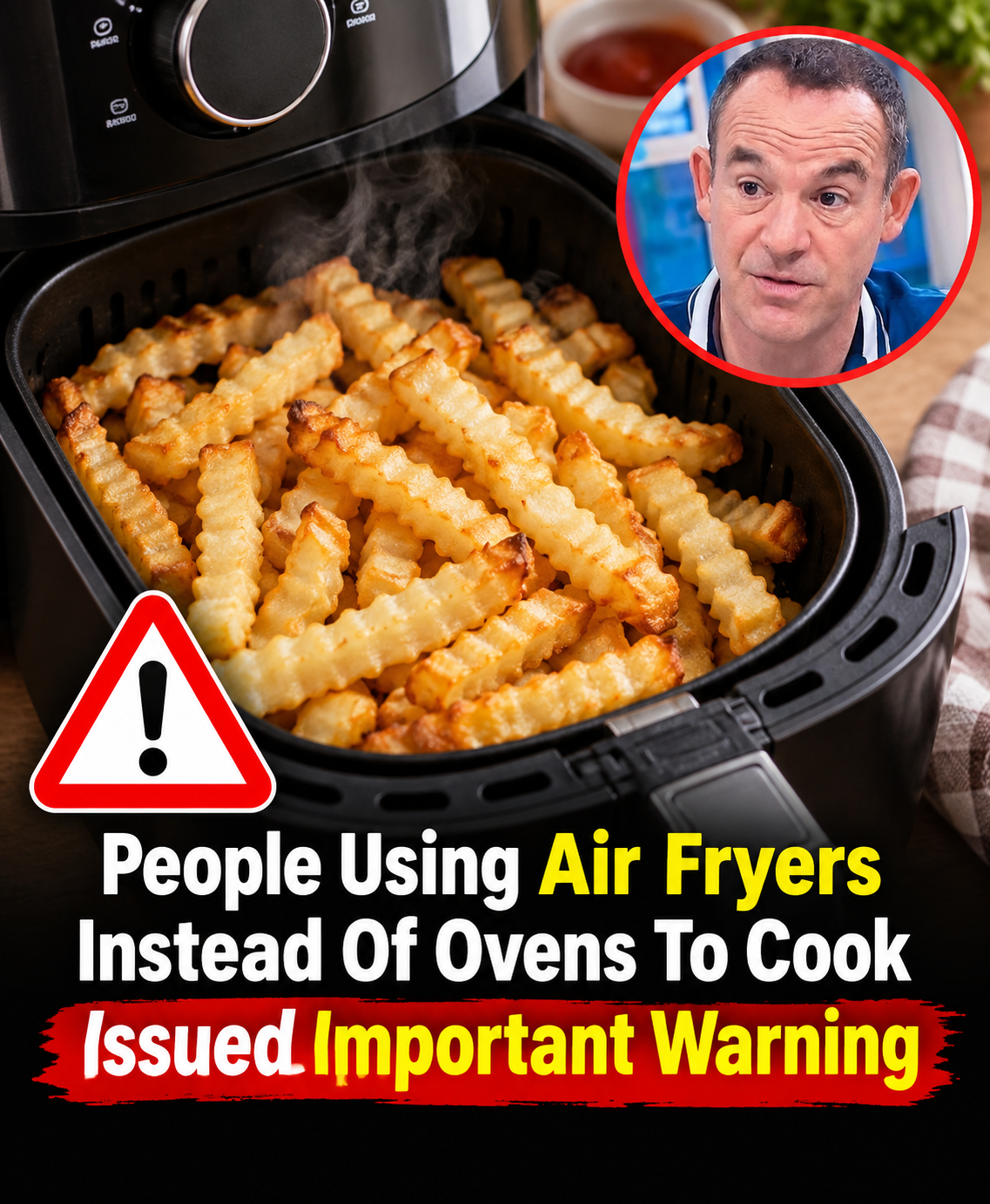
People using air fryers instead of ovens issued an important warning should pay attention to one simple fact: convenience does not remove the need for safe cooking habits. Air fryers can prepare food quickly, use less oil than deep frying, and heat smaller portions efficiently. However, they also produce intense heat, draw significant electrical power, and depend on unrestricted airflow.
Most air fryer problems come from ordinary mistakes rather than the appliance itself. Crowding the basket, blocking ventilation, allowing grease to build up, or using unsuitable containers can all create unnecessary risks. Fortunately, careful setup and regular cleaning can prevent many of these issues.
I started paying more attention to air fryer safety after seeing how casually people sometimes use them. One family member kept an air fryer pushed almost against the wall because it fit neatly beneath a cabinet. Another person routinely filled the basket to the top to save time. Neither habit looked especially dangerous at first. However, once I understood how much hot air these appliances move, the problems became obvious. Air fryers work best when heat can circulate freely both inside and around the machine. A few small changes in placement, cleaning, and cooking habits can make everyday use much safer.
People Using Air Fryers Instead of Ovens Need Proper Ventilation
Heat Needs Space to Escape Safely
Air fryers cook food by moving very hot air rapidly around a relatively small chamber.
That design makes them efficient, but it also means they release heat around the appliance during operation.
Therefore, placement matters.
Pushing an air fryer tightly against a wall, backsplash, curtain, or another appliance can restrict airflow. Heat may then build up around the exterior instead of dispersing normally.
Over time, repeated heat exposure can also damage nearby surfaces.
Cabinets, painted walls, plastic objects, and certain countertop materials may not tolerate constant high temperatures well.
For this reason, users should follow the spacing recommendations in the appliance manual.
Different models have different designs, so there is no single clearance measurement that applies to every air fryer.
Still, a simple rule helps: never assume that an appliance can operate safely just because it physically fits in a tight space.
Give it room.
Also, avoid placing an air fryer directly beneath objects that could react badly to heat or steam.
Some models vent from the rear, while others release hot air from different areas. Therefore, knowing where your specific unit vents can help you position it correctly.
A stable, heat-resistant surface also matters.
Keep the appliance away from the edge of the counter, especially if children or pets are present.
Finally, never cover the air fryer while it operates.
A towel, cloth, decorative cover, or stored object can block ventilation and trap heat.
Overcrowding the Basket Can Cause Uneven Cooking
Air fryers depend on airflow inside the cooking chamber just as much as they depend on airflow outside the appliance.
If you pack too much food into the basket, hot air cannot circulate evenly.
As a result, some pieces may cook quickly while others remain pale or undercooked.
This problem becomes particularly important with raw poultry, meat, and seafood.
Food safety depends on reaching an appropriate internal temperature, not merely on achieving a browned surface.
Therefore, overcrowding can create more than a texture problem.
It can also make it harder to cook food evenly and safely.
Smaller batches usually work better.
Leave enough space for hot air to move between pieces. Shaking or turning food partway through cooking can also improve browning and evenness.
The exact amount you can cook at one time depends on the size and shape of the basket.
However, filling every available space usually defeats the main advantage of the appliance.
An air fryer cooks quickly because air moves around the food.
When that movement stops, performance drops.
Crowding can also cause excess moisture to collect, which may make food steam instead of crisp.
Therefore, if you are cooking for several people, two smaller batches may provide better results than one overloaded batch.
It may take slightly longer overall, but the food generally cooks more evenly.
Cleaning and Electrical Safety Matter More Than Many People Realize
Grease and Food Residue Can Create Smoke and Odors
Air fryers still produce grease, crumbs, and food residue even though they use less oil than traditional frying.
Those residues can collect in the basket, tray, interior surfaces, and areas near the heating element.
If you do not clean them regularly, they may begin to smoke during later cooking sessions.
Burned residue can also create unpleasant odors and affect the flavor of new food.
In more serious cases, heavy grease buildup can increase fire risk.
Therefore, cleaning should form part of normal air fryer use rather than something you do only when the appliance looks dirty.
Allow the unit to cool before cleaning it.
Then remove the basket and other detachable parts according to the manufacturer’s directions.
Wash them thoroughly and make sure they dry before reassembly.
Also, inspect the interior.
Crumbs and splattered grease can sometimes remain in areas that are easy to overlook.
However, do not immerse the main electrical unit in water.
Follow the cleaning instructions for your model because materials and coatings differ.
Some baskets have nonstick surfaces that can become damaged by abrasive cleaners or metal tools.
Gentle cleaning usually protects these surfaces better.
If the air fryer suddenly begins producing more smoke than usual, stop and check for grease buildup, loose food particles, or excessive oil.
Not every smoky cooking session means the appliance has failed.
Sometimes the solution is simply a thorough cleaning.
High-Power Appliances Need Safe Electrical Connections
Air fryers can draw a considerable amount of electricity while heating.
That makes outlet and cord safety especially important.
Plugging an air fryer into an overloaded extension cord or damaged power strip can create unnecessary risk.
Whenever possible, use a properly functioning wall outlet that can safely handle the appliance’s electrical load.
Avoid using a cord with frayed insulation, exposed wires, damaged plugs, or signs of overheating.
A plug or outlet that becomes unusually hot deserves attention.
Likewise, frequent tripping of a breaker can indicate an electrical problem that should not be ignored.
Keep the cord away from hot surfaces as well.
If the cord rests against the air fryer body or another heated appliance, repeated exposure can damage the insulation.
Water also creates an obvious electrical hazard.
Keep plugs, cords, and electrical components dry.
If the air fryer gets wet or behaves unusually, unplug it and inspect the situation before using it again.
Do not attempt improvised repairs on damaged electrical components unless you have the proper expertise.
Modern air fryers include built-in safety features, but those systems cannot compensate for a faulty outlet, damaged cord, or overloaded circuit.
Simple electrical habits make a major difference.
Use the appliance as intended, keep the cord in good condition, and avoid stacking several high-power kitchen appliances on the same outlet or extension setup.
Not Everything Belongs Inside an Air Fryer
Containers and Liners Must Withstand High Heat
Air fryers can reach high temperatures quickly.
Therefore, not every container, paper product, or plastic item belongs inside one.
Using an unsuitable material can lead to melting, smoke, contamination, or fire.
Only use accessories that the manufacturer approves or materials clearly designed for the temperatures involved.
For example, certain oven-safe glass, ceramic, metal, and silicone products may work in some air fryers.
However, size, airflow, and model design still matter.
A container that blocks most of the basket can prevent hot air from circulating properly.
Paper liners require caution too.
Loose parchment paper can lift toward the heating element if food does not weigh it down.
That can create a burning hazard.
Therefore, never place an empty lightweight liner inside the air fryer during preheating unless the manufacturer specifically allows it.
Likewise, ordinary plastic containers can deform or melt under high heat.
Do not assume that a food container is heat-safe simply because it looks sturdy.
Check the material and temperature rating first.
Foil may also require special handling depending on the model.
If the manual warns against covering specific areas or blocking vents, follow those instructions.
Ultimately, the safest approach involves using accessories made for high-temperature cooking and compatible with your exact air fryer.
Convenience should never come from improvising with materials that were not designed for intense heat.
Unattended Cooking Can Turn Small Problems Into Bigger Ones
Air fryers often feel more automatic than stovetop cooking.
You place the food inside, set the timer, and let the machine work.
However, that convenience can encourage people to leave the kitchen completely.
Staying reasonably nearby is a better habit.
Any electrical cooking appliance can develop an unexpected problem.
Food can smoke. Grease can splatter. A liner can shift. An unusual smell can develop. Electrical issues can also occur.
If you remain nearby, you can respond quickly.
That does not mean you need to stand next to the air fryer for the entire cooking cycle.
Instead, avoid leaving the house or becoming so distracted that you would miss obvious warning signs.
Pay attention to unusual sounds, excessive smoke, strong burning odors, or sudden changes in appliance behavior.
If something appears wrong, stop cooking and unplug the unit if it is safe to do so.
Also, do not repeatedly open and close the basket unnecessarily while cooking.
Use the appliance normally and check food when needed.
For households with children, supervision becomes even more important.
The exterior and expelled air can become very hot, even if the handles remain safe to touch.
Keep young children away from the appliance while it operates and while it cools afterward.
Simple awareness can prevent burns and other avoidable accidents.
Air Fryers Can Be Useful, but They Are Not Automatically Healthier
Less Oil Does Not Make Every Food Nutritious
One major reason people buy air fryers involves their ability to create crisp textures with less added oil than deep frying.
That can reduce the amount of cooking fat in some recipes.
However, an air fryer cannot transform a highly processed food into a nutritionally balanced meal.
Frozen fries, breaded snacks, processed meats, and salty appetizers still contain the ingredients listed on their packaging.
Cooking them with less oil may change one part of the nutritional picture, but it does not erase sodium, refined carbohydrates, or other ingredients.
Therefore, the healthiest way to use an air fryer involves food choice as much as cooking method.
Vegetables work especially well in air fryers.
You can also cook fish, poultry, tofu, potatoes, and many other minimally processed foods with relatively little added fat.
Seasoning choices matter too.
Using herbs, spices, citrus, garlic, or other flavorings can reduce the need for excessive salt or heavy sauces.
Still, there is no need to treat fried-style foods as forbidden.
Balance matters more than perfection.
An air fryer can simply become one tool that helps you prepare a wider range of foods conveniently.
The important point is that the appliance itself does not determine whether a meal is healthy.
Ingredients, portion sizes, cooking methods, and the rest of your diet all contribute.
The Best Results Come From Following the Manual
Air fryers differ more than many users realize.
One model may require more ventilation than another. Basket capacity varies. Cooking temperatures and heating systems differ. Some units allow specific accessories that other models do not.
Therefore, general tips can only go so far.
The manufacturer’s manual remains the most useful guide for your specific appliance.
Read the sections on placement, preheating, cleaning, compatible materials, maximum fill levels, and electrical requirements.
Also, pay attention to recalls or safety notices for your model if they occur.
If the appliance develops cracks, damaged wiring, loose components, or repeated overheating, stop treating the issue as normal wear.
Repair or replacement may be necessary.
Good air fryer habits remain simple.
Keep the machine clean. Give it ventilation. Avoid overcrowding. Use proper containers. Keep the cord safe. Stay nearby while cooking.
These habits do not make air fryer use complicated.
Instead, they allow you to benefit from the appliance’s speed and convenience without introducing unnecessary risk.
When used correctly, an air fryer can be a practical addition to the kitchen rather than something to fear.
Frequently Asked Questions
Is it safe to use an air fryer every day?
Yes, many people use air fryers regularly without problems. Safe daily use depends on proper ventilation, cleaning, electrical safety, correct cooking practices, and following the manufacturer’s instructions.
How much space should I leave around an air fryer?
The exact clearance depends on the model. Follow the manufacturer’s recommendation and make sure the vents remain unobstructed. Avoid placing the appliance tightly against walls, curtains, or heat-sensitive objects.
Can overcrowding an air fryer make food unsafe?
It can contribute to uneven cooking. This matters especially with raw meat, poultry, and seafood. Cook in smaller batches when necessary and verify that food reaches an appropriate internal temperature.
Can I put any oven-safe container in an air fryer?
Not automatically. A material may tolerate oven heat but still block airflow or fit poorly inside the basket. Check the air fryer manual and make sure the container is appropriate for the appliance and cooking temperature.
Why does my air fryer suddenly produce smoke?
Grease, crumbs, excess oil, or food residue may be burning inside the unit. Stop cooking if smoke seems excessive, allow the appliance to cool, and inspect and clean it according to the manufacturer’s instructions.
Conclusion
People using air fryers instead of ovens issued an important warning should not interpret that message as a reason to stop using the appliance.
Air fryers can be fast, efficient, versatile, and useful for everyday cooking.
However, they work with intense heat and powerful airflow, so correct use matters.
Give the appliance enough ventilation, avoid overcrowding the basket, and clean away grease and food residue regularly.
Use a safe electrical connection and inspect the cord for damage.
Choose only heat-safe accessories that your particular model allows, and avoid leaving the appliance completely unattended while it operates.
Finally, remember that air frying does not automatically make every food healthy. The ingredients you choose still matter.
With sensible placement, regular maintenance, and attention to the manufacturer’s directions, an air fryer can remain a convenient kitchen tool while keeping unnecessary risks to a minimum.
More Blog
- Drinking Water on an Empty Stomach — What Science Actually Supports (No Hype, Just Facts)
- Waking Up Between 3 and 5 AM? It Might Be Your Soul Trying to Talk to You
- What a “Bleach” Patch on Your Underwear Really Means — And Why It’s Actually a Good Sign
- This Drink May Weaken Your Bones From The Inside — But Everyone Drinks It Anyway