Graduation Celebration Cake turns a simple gathering into something memorable. This soft vanilla layer cake has a moist crumb, rich buttercream, and just enough sweetness to feel special without becoming heavy. Whether you serve it after a college graduation, family reunion, birthday, or another milestone, the cake works beautifully as a centerpiece because you can decorate it as simply or elaborately as you like.
Milestones often remind us how quickly life changes. Years of ordinary mornings, school runs, late-night conversations, small sacrifices, and celebrations can suddenly feel enormous when someone finally reaches a long-awaited goal. A homemade cake fits those occasions particularly well because it represents time, care, and attention. Moreover, this Graduation Celebration Cake uses familiar ingredients and straightforward techniques, so even a beginner can make it confidently.
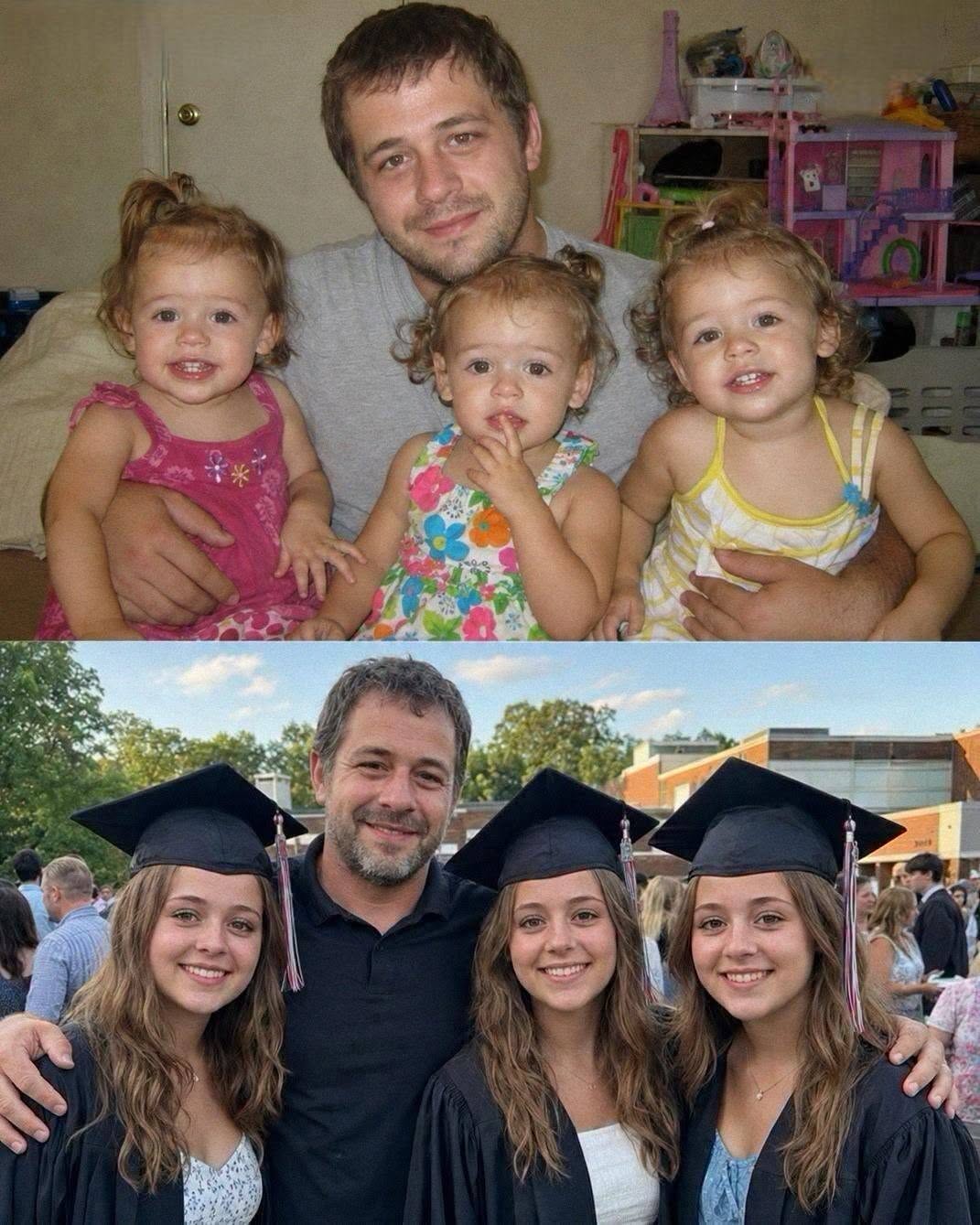
A family I once knew celebrated three sisters graduating together after an uncle had raised them from infancy. He had spent years putting their needs ahead of his own, from school supplies to college applications. At their graduation gathering, they surprised him with photographs documenting their childhood and a heartfelt letter thanking him for always staying. Although the ceremony honored their achievements, the gathering also celebrated the family they had built together. A homemade vanilla cake sat in the middle of the table while everyone shared memories. Since then, I have associated simple celebration cakes with milestones that honor both achievement and the people who helped make it possible.
Building a Soft and Flavorful Graduation Celebration Cake
Choosing Ingredients That Create the Best Texture
A good Graduation Celebration Cake starts with ordinary baking ingredients used in the right proportions. All-purpose flour gives the layers enough structure to stack neatly, while baking powder provides lift. Meanwhile, a small amount of salt balances the sweetness and strengthens the vanilla flavor.
Butter brings richness, but oil also plays an important role. Because vegetable oil remains liquid at room temperature, it helps the cake stay moist even after refrigeration. Therefore, combining butter and oil gives you the best of both worlds: buttery flavor and a tender crumb.
Granulated sugar does more than sweeten the batter. As you cream it with softened butter, the sugar creates tiny air pockets that help the cake rise. Consequently, you should beat the butter and sugar until the mixture looks noticeably lighter and fluffier.
Eggs provide structure, moisture, and richness. Use room-temperature eggs whenever possible because they blend into the batter more evenly. Likewise, room-temperature milk prevents the butter mixture from suddenly becoming cold and curdled.
Vanilla extract gives Graduation Celebration Cake its classic flavor. Since vanilla remains the main flavoring ingredient, choose a good-quality pure vanilla extract whenever you have it.
Finally, sour cream adds moisture and a slight tang that keeps the sweetness balanced. Greek yogurt also works as a substitute if necessary. However, use full-fat yogurt for the richest texture.
Preparing Your Pans and Batter Correctly
Before you begin mixing, heat your oven to 350°F. Then grease two 9-inch round cake pans and line the bottoms with parchment paper. Although greasing alone can work, parchment makes removing tender cake layers much easier.
Next, whisk the flour, baking powder, and salt together. Mixing the dry ingredients first distributes the leavening evenly, which helps both cake layers rise at the same rate.
In a separate large bowl, beat softened butter and sugar for about three minutes. The mixture should look pale and airy. Afterward, add the vegetable oil and continue mixing until everything becomes smooth.
Add the eggs one at a time. Because each egg needs time to combine with the butter mixture, avoid adding all of them at once. Then mix in the vanilla extract and sour cream.
Now add the dry ingredients and milk in alternating additions. Start with about one-third of the flour mixture, followed by half the milk. Continue alternating until you finish with the flour.
Most importantly, stop mixing as soon as the batter becomes smooth. Overmixing develops too much gluten, which can make Graduation Celebration Cake dense rather than tender.
Divide the batter evenly between the prepared pans. If you have a kitchen scale, weigh the filled pans so the layers bake evenly. Otherwise, simply estimate carefully with a spatula.
Bake for about 28 to 32 minutes. The cakes are ready when the centers spring back lightly and a toothpick comes out with only a few moist crumbs.
Baking and Cooling Graduation Celebration Cake Successfully
Getting Even, Moist Cake Layers
Place both cake pans on the center oven rack. Whenever possible, leave a little space between them so hot air can circulate evenly.
Avoid opening the oven during the first 20 minutes. Every time you open the door, heat escapes quickly. As a result, the center of a partially baked cake can sink.
Begin checking the layers around 28 minutes. Because ovens vary, one kitchen may need 28 minutes while another needs 32 or slightly longer. Rather than relying only on time, look for several signs of doneness.
First, the top should look set rather than wet or shiny. Second, the center should spring back when you touch it gently. Finally, insert a toothpick near the center. A few soft crumbs are perfect; wet batter means the cake needs additional baking.
Once the Graduation Celebration Cake layers finish baking, place the pans on a cooling rack for about 10 minutes. This short resting period allows the crumb to firm slightly.
Then run a thin knife around each edge before turning the cakes onto the rack. Peel away the parchment and let the layers cool completely.
Never frost warm cake layers. Warm cake softens buttercream, so the frosting can slide, melt, or soak into the cake. Therefore, give the layers at least an hour to cool.
For easier decorating, you can also wrap the cooled layers and refrigerate them for 30 to 60 minutes. Chilled cake produces fewer crumbs and feels sturdier during assembly.
Making Smooth Vanilla Buttercream
While the cakes cool, prepare a classic vanilla buttercream. Start by beating softened unsalted butter for about three minutes. This first step creates a lighter texture before you add sugar.
Next, add powdered sugar gradually. If you pour all of it into the bowl at once, you will likely create a cloud of sugar around your kitchen. Instead, mix one cup at a time on low speed.
After the sugar becomes incorporated, add vanilla extract and a pinch of salt. Salt may seem unusual in frosting, but it keeps buttercream from tasting overly sweet.
Add heavy cream one tablespoon at a time until the frosting reaches a spreadable consistency. Then beat the buttercream for another two to three minutes on medium-high speed.
The finished frosting should look smooth, fluffy, and easy to spread. If it feels stiff, add another teaspoon of cream. Conversely, if it becomes too soft, add a small amount of powdered sugar.
For Graduation Celebration Cake decorations, reserve some buttercream for piping borders or decorative swirls. You can also tint portions of the frosting with food coloring to match school colors.
However, simple decorating often looks especially elegant. A smooth white cake with piped borders, sprinkles, or fresh berries can look polished without requiring advanced skills.
Assembling and Decorating Graduation Celebration Cake
Creating a Stable Layered Cake
Once the cake layers have completely cooled, inspect their tops. If they have small domes, use a serrated knife to level them carefully. Flat layers make Graduation Celebration Cake easier to stack.
Place the first cake layer on a serving plate or cake board. Then spread about one cup of buttercream across the top.
Keep the frosting slightly thicker around the outside edge. This technique helps support the second layer and prevents the center from compressing too much.
Place the second cake layer on top with its flattest side facing upward. Gently adjust it until the edges line up.
Next, apply a thin layer of buttercream over the entire cake. Bakers often call this a crumb coat because it traps loose crumbs underneath the final frosting.
Refrigerate the cake for about 20 minutes. Once the crumb coat feels firm, spread the remaining buttercream across the top and sides.
An offset spatula makes smoothing easier. However, you can also use the back of a large spoon to create soft decorative swirls. In fact, textured buttercream can look beautiful and eliminates the pressure of achieving perfectly smooth sides.
If you want an especially neat finish, warm a metal cake scraper or spatula under hot water, dry it completely, and glide it gently across the frosting.
Decorating for Graduation and Other Milestones
Graduation Celebration Cake offers plenty of decorating possibilities.
For a traditional graduation theme, use buttercream or sprinkles in school colors. You can pipe a border around the top and bottom edges, then add a short congratulatory message in the center.
Alternatively, keep the design understated. Fresh strawberries, raspberries, blueberries, or edible flowers create an elegant presentation.
Gold or silver sprinkles also add a festive touch. However, use them sparingly so they highlight the cake rather than overwhelm it.
For a family celebration, consider placing printed photos on the table around the cake instead of adding complicated decorations directly to it. That approach creates a personal centerpiece while keeping the cake itself simple.
If several people are graduating, you can pipe individual initials around the top. Likewise, you can place three or more decorative swirls around the border to represent each graduate.
Because Graduation Celebration Cake has a classic vanilla flavor, it pairs easily with different fillings. Strawberry preserves provide a fresh contrast, while lemon curd adds brightness. Chocolate ganache creates a richer variation.
When adding a softer filling, pipe a buttercream border around the edge of the first layer before spreading the filling inside. The border acts like a dam and prevents filling from escaping when you stack the second layer.
Serving, Storing, and Customizing Graduation Celebration Cake
Serving the Cake at Its Best
Graduation Celebration Cake tastes best when you serve it close to room temperature. Butter-based frosting becomes firm in the refrigerator, while room-temperature buttercream feels soft and creamy.
Therefore, if you refrigerate the finished cake, take it out about 30 to 45 minutes before serving.
Use a long, sharp knife to cut clean slices. For especially neat portions, wipe the blade between cuts.
This two-layer 9-inch cake makes approximately 12 generous slices or up to 16 smaller party portions. If you expect a larger crowd, cut thinner slices because the cake feels satisfying and rich.
Serve it with coffee, tea, milk, or fresh berries. Additionally, vanilla ice cream makes an easy pairing for guests who want an extra-indulgent dessert.
If you plan to transport Graduation Celebration Cake, refrigerate it beforehand so the buttercream becomes firm. Place the cake on a sturdy board and keep the vehicle cool. Then allow it to soften slightly before serving.
For an outdoor graduation gathering, keep the cake away from direct sunlight. Buttercream can soften rapidly during warm weather, particularly above 75°F.
Storage and Easy Flavor Variations
Store leftover Graduation Celebration Cake in an airtight container in the refrigerator for up to five days.
However, the cake stays moistest during the first three days. Before eating refrigerated leftovers, let individual slices sit at room temperature for about 15 to 20 minutes.
You can also freeze the unfrosted cake layers. First, cool them completely. Then wrap each layer tightly in plastic wrap followed by aluminum foil. Freeze them for up to three months.
Thaw frozen cake layers overnight in the refrigerator before decorating.
For a chocolate variation, replace ½ cup of the flour with unsweetened cocoa powder and add two tablespoons of extra milk. Meanwhile, for lemon cake, add two tablespoons of fresh lemon zest and replace one tablespoon of milk with lemon juice.
You can also turn Graduation Celebration Cake into cupcakes. Fill lined muffin cups about two-thirds full and bake them for approximately 18 to 22 minutes.
For a berry version, spread strawberry or raspberry preserves between the layers before stacking them.
If you prefer a lighter frosting, replace the buttercream with stabilized whipped cream. However, whipped cream requires refrigeration and becomes less suitable for warm outdoor events.
No matter which variation you choose, keep the foundation simple. A celebration dessert does not need complicated techniques to feel meaningful. Instead, thoughtful preparation and a flavor everyone enjoys often create the most memorable result.
Frequently Asked Questions
Can I make Graduation Celebration Cake ahead of time?
Yes. Bake the layers one or two days before the celebration, wrap them tightly after cooling, and refrigerate them. Then prepare the buttercream and assemble the cake the day before or the morning of your event. Because chilled layers feel firmer, making the cake ahead can actually simplify decorating.
Why did my cake turn out dense?
Overmixing often causes dense cake. After you add the flour, mix only until the ingredients combine. Additionally, measure the flour carefully. Scooping flour directly with a measuring cup can pack in too much, so spoon flour into the cup and level the top instead.
Can I use cake flour instead of all-purpose flour?
Yes. Cake flour produces an even softer crumb. Use about 3 cups plus 2 tablespoons of cake flour instead of 3 cups of all-purpose flour. However, all-purpose flour gives Graduation Celebration Cake enough structure for easy stacking and remains the simplest choice for beginners.
How can I keep the cake moist overnight?
Once the cake cools, wrap the layers tightly so air cannot dry them out. After frosting, store the completed cake in a covered cake container. Buttercream also acts as a barrier that helps keep moisture inside the cake.
Can I change the frosting flavor?
Absolutely. Add lemon zest, almond extract, cocoa powder, melted chocolate, or fruit preserves to create different flavors. However, introduce liquid ingredients gradually so the buttercream remains thick enough to hold the cake layers securely.
Conclusion
Graduation Celebration Cake brings together everything a memorable party dessert needs: a soft vanilla crumb, creamy frosting, simple ingredients, and plenty of decorating possibilities.
More importantly, the recipe feels personal without requiring complicated baking skills. You can use school colors, fresh fruit, photographs, sprinkles, piped decorations, or a simple handwritten message to make it fit the occasion.
Because the cake stores well, you can also prepare much of it ahead of time. That means you can spend less time in the kitchen on the day of the celebration and more time with the people who matter.
Milestones often represent much more than a single ceremony. They reflect years of work, encouragement, patience, and support. Therefore, a homemade Graduation Celebration Cake makes a fitting way to gather everyone around the table and recognize how far they have come.
Whether you prepare it for one graduate, several graduates, or another meaningful family milestone, this cake offers a reliable recipe you can return to whenever life gives you a reason to celebrate.
More Blog
- Drinking Water on an Empty Stomach — What Science Actually Supports (No Hype, Just Facts)
- Waking Up Between 3 and 5 AM? It Might Be Your Soul Trying to Talk to You
- What a “Bleach” Patch on Your Underwear Really Means — And Why It’s Actually a Good Sign
- This Drink May Weaken Your Bones From The Inside — But Everyone Drinks It Anyway