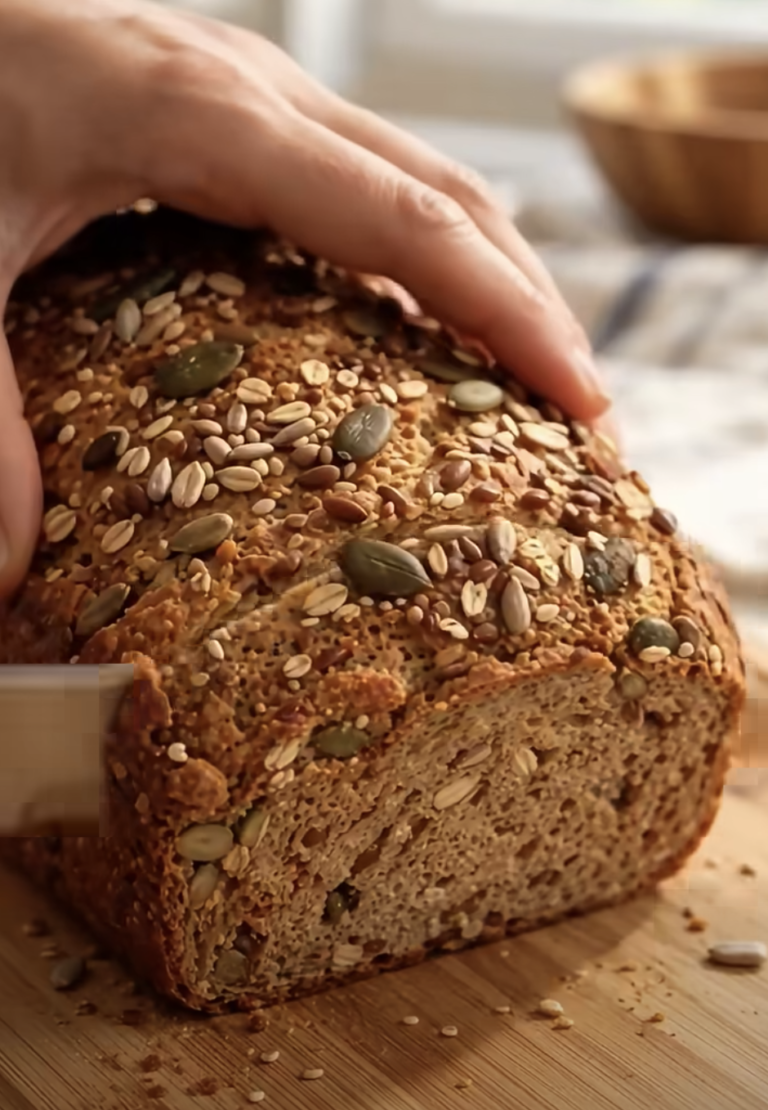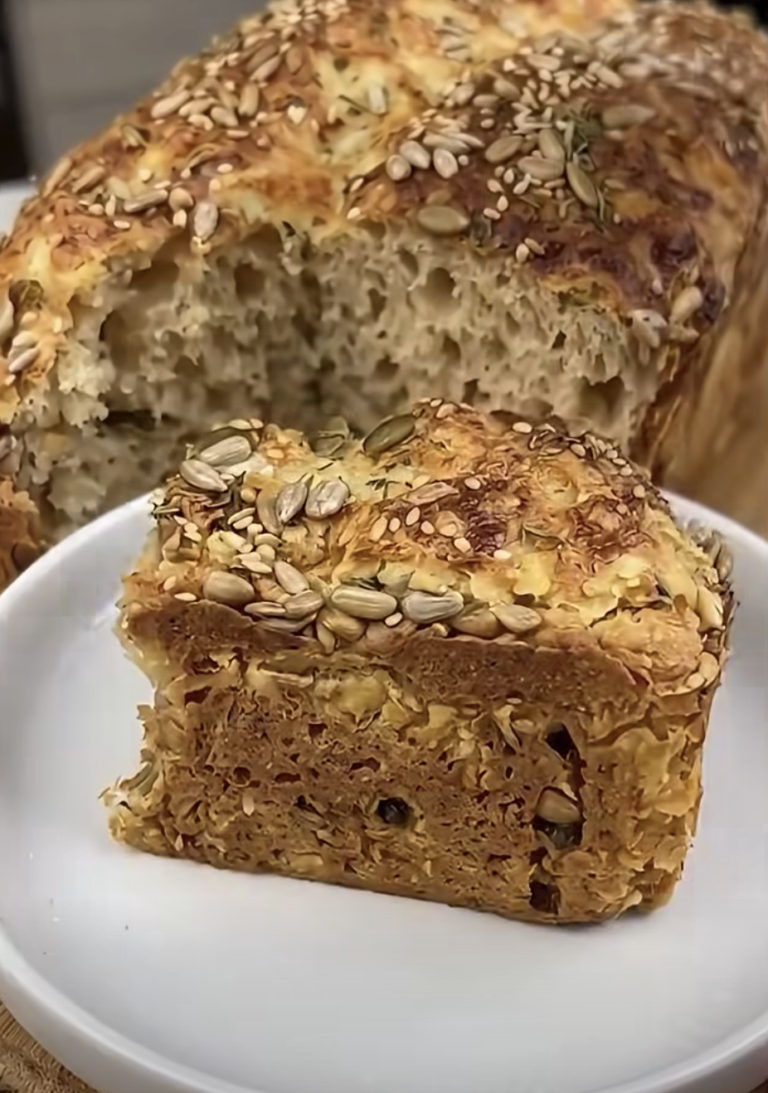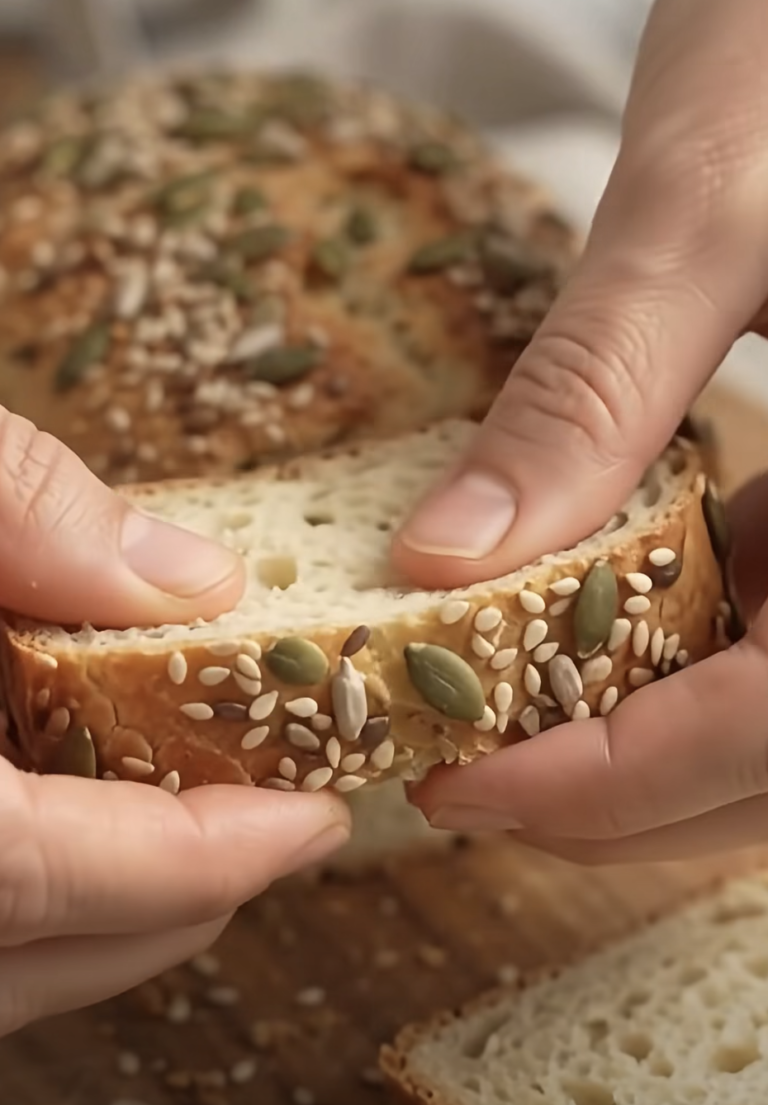
High-Protein Red Lentil Flatbread is a soft, flexible, naturally gluten-free bread alternative that you can make with simple pantry ingredients. You don’t need wheat flour, yeast, eggs, or complicated baking techniques. Instead, you soak red lentils, blend them into a smooth batter, and cook golden flatbreads in a skillet.
These homemade lentil flatbreads have a mild, nutty flavor and a tender texture that works beautifully for wraps, sandwiches, dipping, and serving alongside soups or curries.
High-Protein Red Lentil Flatbread – Easy Gluten-Free Vegan Recipe
Ingredients
Equipment
Method
- Rinse one cup of dry split red lentils thoroughly under cool running water.
- Cover the lentils with approximately three cups of water and soak for two to three hours, or overnight in the refrigerator.
- Discard the soaking water, rinse the softened lentils again, and drain thoroughly.
- Blend the soaked lentils with one cup fresh water, one tablespoon olive oil, salt, garlic powder, onion powder, and black pepper.
- Blend for one to two minutes until completely smooth and pourable. Add one or two tablespoons extra water if necessary.
- Heat a nonstick skillet over medium heat and lightly brush with olive oil.
- Pour approximately half a cup of batter into the skillet and spread into a thin, even circle about six to seven inches across.
- Cook the first side for two to three minutes until the top looks mostly set, the edges lift, and the underside turns golden.
- Flip carefully and cook for another one to two minutes until golden and cooked through. Repeat with the remaining batter.
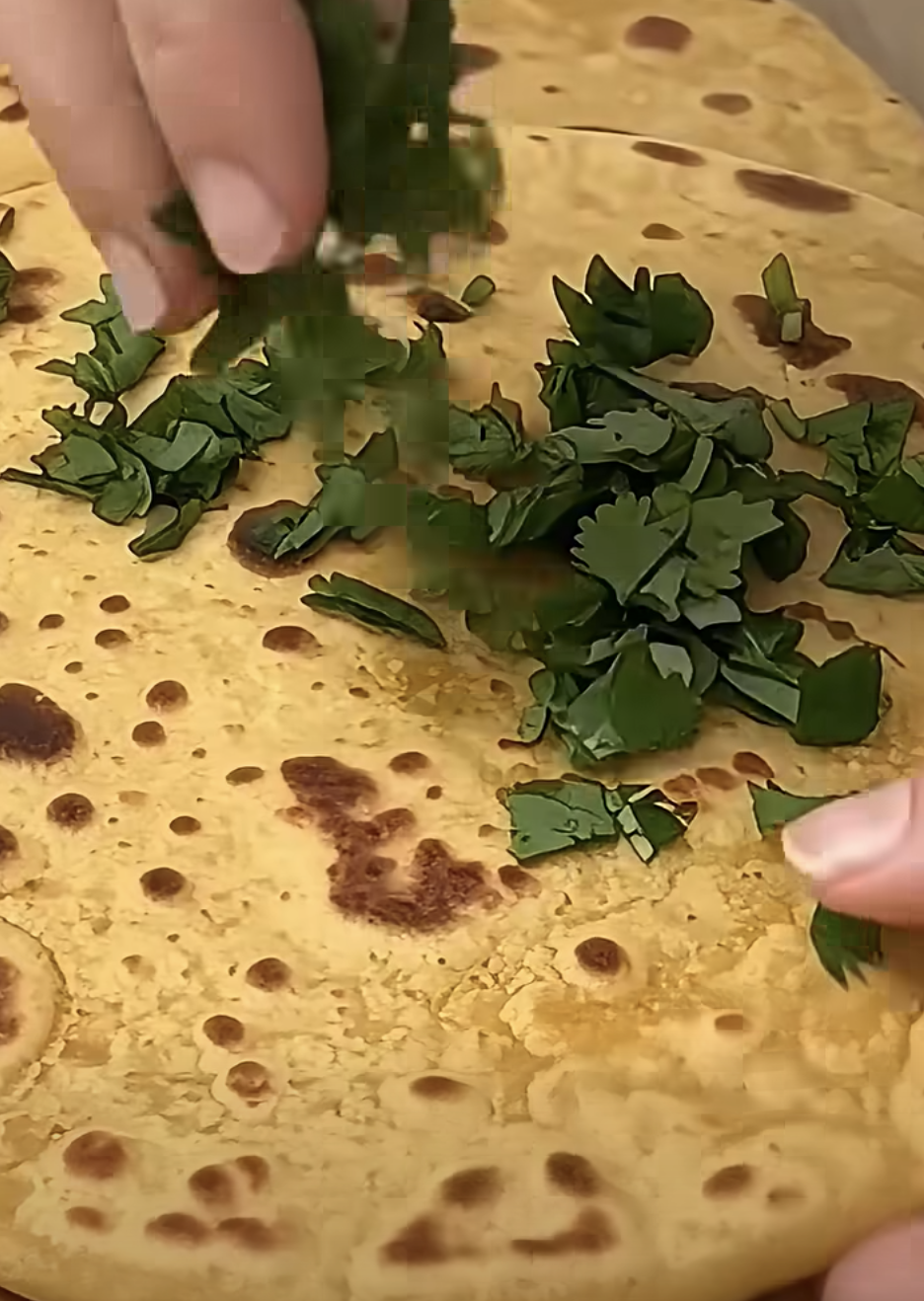
- Stack the cooked flatbreads on a plate and cover with a clean kitchen towel. Garnish with optional herbs or sesame seeds and serve warm.
Notes
Plus, red lentils provide plant-based protein, fiber, and important nutrients. Whether you follow a vegan diet, enjoy gluten-free recipes, or simply want a new way to prepare lentils, this easy recipe offers a delicious option.
I first became interested in red lentil flatbread while looking for an alternative to regular tortillas and sandwich wraps. I wanted something simple enough for everyday meals but hearty enough to hold vegetables, hummus, and other fillings. Red lentils seemed like a practical choice because I already used them in soups and curries. After soaking and blending them, I discovered how easily they turned into a smooth batter. Cooking the batter in a skillet reminded me of making pancakes, although I spread each portion much thinner. I especially enjoyed how the flatbreads stayed soft when I stacked them under a kitchen towel. They quickly became a useful addition to simple lunches.
Why You’ll Love High-Protein Red Lentil Flatbread
A Naturally Gluten-Free and Plant-Based Bread Alternative
One of the biggest advantages of High-Protein Red Lentil Flatbread is its straightforward ingredient list.
Instead of traditional wheat flour, this recipe uses dry split red lentils as its main ingredient.
Once you soak the lentils and blend them with water, they form a smooth batter that cooks into tender flatbreads.
You also need olive oil, salt, and a few optional seasonings.
Unlike traditional bread dough, this batter requires no kneading, rising, or yeast activation.
Additionally, the recipe contains no eggs or dairy products, making it suitable for vegan and plant-based eating patterns.
Because red lentils naturally contain no gluten, the recipe can also work for gluten-free diets.
However, if you have celiac disease, choose lentils that meet gluten-free standards and prevent cross-contact during preparation.
Another benefit involves convenience.
You can prepare the batter in a blender and cook the flatbreads on a stovetop.
Therefore, you don’t need to heat your oven or wait for a loaf to bake.
The finished flatbreads have a mild, earthy flavor that pairs with many different ingredients.
They work especially well with savory spreads, vegetables, legumes, and flavorful sauces.
The Nutritional Benefits of Red Lentils
Red lentils provide several nutrients that make them a useful ingredient for homemade flatbread.
First, they contain plant-based protein.
Protein supports muscle maintenance, tissue repair, and many essential body functions.
Second, red lentils supply dietary fiber, which supports digestive health and helps make meals satisfying.
They also contain folate, iron, magnesium, potassium, and other important nutrients.
Because this recipe uses whole blended lentils rather than refined wheat flour, it retains much of the lentils’ natural fiber and protein.
Olive oil adds a small amount of fat, which contributes flavor and helps create a tender texture.
However, remember that lentils also contain carbohydrates.
Therefore, High-Protein Red Lentil Flatbread isn’t a low-carbohydrate food, even though it contains no wheat flour.
For a balanced meal, pair the flatbread with vegetables, healthy fats, and additional protein sources such as hummus, tofu, or beans.
This combination can create a filling lunch or dinner without requiring complicated preparation.
How to Make High-Protein Red Lentil Flatbread
Soaking and Blending the Lentils Correctly
The first important step involves soaking your red lentils.
Start with one cup of dry split red lentils, approximately 200 grams.
Place them in a fine-mesh strainer and rinse thoroughly under cool running water.
Next, transfer the lentils to a large bowl.
Cover them generously with fresh water and allow them to soak for approximately two to three hours.
During soaking, the lentils absorb water and become softer.
This step makes them easier to blend and helps create a smoother batter.
You can also soak them overnight in the refrigerator if that fits your schedule better.
Once the lentils soften, drain the soaking water completely.
Rinse them again and transfer them to a high-speed blender.
Add one cup of fresh water, one tablespoon of olive oil, and half a teaspoon of salt.
For extra flavor, include garlic powder, onion powder, and black pepper.
Blend for approximately one to two minutes until the mixture becomes smooth and pourable.
The batter should resemble a relatively thin pancake batter.
If it seems too thick to spread, add one tablespoon of water at a time.
However, avoid adding too much liquid, since excessively thin batter may produce fragile flatbreads.
Cooking Golden, Flexible Flatbreads in a Skillet
Once the batter reaches the right consistency, you can begin cooking.
Place a nonstick skillet or griddle over medium heat.
Allow the pan to warm before adding the batter.
Next, brush the cooking surface lightly with olive oil.
Pour approximately half a cup of batter into the center of the pan.
Immediately use the back of a spoon or ladle to spread the batter into a thin circle, approximately six to seven inches across.
Try to maintain an even thickness.
This helps the flatbread cook consistently and prevents thick, undercooked sections.
Let the flatbread cook undisturbed for approximately two to three minutes.
As it cooks, the surface should become less glossy and the edges should begin to release from the pan.
Once the bottom turns golden and the top looks mostly set, carefully slide a spatula underneath.
Flip the flatbread and cook the second side for another one to two minutes.
The bread should feel flexible but fully cooked.
Transfer it to a plate and cover it with a clean kitchen towel.
Repeat with the remaining batter, adding a little oil to the pan when necessary.
The towel helps retain moisture and keeps the finished flatbreads soft.
Tips for Soft, Flexible, and Delicious Lentil Flatbread
How to Prevent Cracking, Sticking, and Uneven Cooking
Although High-Protein Red Lentil Flatbread is beginner-friendly, a few details can influence the finished texture.
One common problem involves batter that is too thick.
If the mixture doesn’t spread easily, the flatbreads may become thick and stiff.
Therefore, add small amounts of water until the batter becomes pourable.
However, avoid making it excessively watery.
Very thin batter may tear when you try to flip it.
Another common issue involves skillet temperature.
If the pan is too hot, the outside may brown before the center cooks.
If the pan is too cool, the flatbread may stick or dry out before developing color.
Medium heat provides a useful starting point.
Also, use a good nonstick skillet, especially when making this recipe for the first time.
Allow the first side to cook until the surface looks mostly set before flipping.
Trying to flip too early can cause tearing.
Finally, keep the cooked flatbreads covered.
Leaving them uncovered for too long allows moisture to escape, which can make them less flexible.
If you plan to use them for wraps, serve them warm or reheat them briefly before folding.
Easy Seasonings and Flavor Variations
The basic High-Protein Red Lentil Flatbread recipe has a mild, earthy flavor.
However, you can customize it with different herbs and spices.
For a Mediterranean-inspired version, add dried oregano, garlic powder, and a little black pepper.
If you enjoy Indian-inspired flavors, try ground cumin, coriander, or turmeric.
For a slightly spicy version, add chili flakes or a small pinch of cayenne pepper.
You can also blend fresh cilantro or parsley into the batter.
These herbs contribute color and a fresh flavor.
Another option involves sprinkling sesame seeds over the flatbread immediately after pouring the batter into the skillet.
Gently press the seeds into the surface so they adhere during cooking.
For a more aromatic variation, add a pinch of smoked paprika.
However, start with small amounts of strong seasonings.
You want the flavors to complement the lentils rather than overpower them.
If you prefer a neutral flatbread, leave out the optional garlic and onion powders.
This simpler version works well with a wider variety of fillings and dips.
Serving Ideas, Storage, and Meal Prep
Delicious Ways to Serve Red Lentil Flatbread
High-Protein Red Lentil Flatbread offers plenty of flexibility for breakfast, lunch, and dinner.
One of the easiest serving ideas involves using it as a wrap.
Spread hummus over the flatbread, then add sliced cucumber, tomatoes, lettuce, and roasted vegetables.
Roll it gently and enjoy it as a quick lunch.
You can also use the flatbreads as a base for avocado toast.
Simply spread mashed avocado over a warm flatbread and finish with lemon juice, salt, and black pepper.
For a heartier meal, fill the bread with tofu scramble, sautéed mushrooms, or seasoned chickpeas.
Another delicious option involves serving the flatbread alongside curry.
Its mild flavor complements lentil curry, chickpea curry, and vegetable curry.
You can also cut the flatbreads into wedges and serve them with hummus, baba ganoush, or another favorite dip.
For a simple dinner, pair them with vegetable soup or a fresh salad.
If you enjoy sandwich-style meals, layer two flatbreads with your favorite fillings.
Because they have a soft, flexible texture, they work best when warm and freshly cooked.
How to Store, Freeze, and Reheat Flatbreads
Proper storage helps maintain the soft texture of homemade lentil flatbreads.
First, allow the cooked flatbreads to cool.
Then stack them with small pieces of parchment paper between each one.
Place the stack in an airtight container or resealable bag.
Store the flatbreads in the refrigerator for approximately three to four days.
For longer storage, freeze them.
Separate each flatbread with parchment paper to prevent sticking.
Next, transfer them to a freezer-safe bag or container.
For the best quality, use frozen flatbreads within approximately three months.
When you’re ready to serve them, reheat them in a skillet over medium-low heat.
You can also warm them briefly in the microwave under a slightly damp paper towel.
Avoid overheating, since excessive heat can dry them out.
For convenient meal preparation, cook a batch ahead of time and refrigerate a few portions for the next several days.
Freeze the remaining flatbreads for later meals.
This makes High-Protein Red Lentil Flatbread a practical option for quick wraps, sandwiches, and side dishes throughout the week.
Ingredients
Yield: 4–5 flatbreads, approximately 6–7 inches wide.
- 1 cup (200 g) dry split red lentils
- 1 cup (240 ml) fresh water, for blending
- 1 tablespoon (15 ml) olive oil, plus approximately 1 teaspoon for greasing the skillet
- ½ teaspoon salt
- ¼ teaspoon garlic powder (optional)
- ¼ teaspoon onion powder (optional)
- ⅛ teaspoon ground black pepper
For soaking:
– 3 cups (720 ml) water, or enough to cover the lentils generously; discard after soaking
Optional toppings and additions:
- 1 tablespoon chopped fresh parsley or cilantro
- ¼ teaspoon chili flakes
- 1 teaspoon sesame seeds
Instructions
1. Rinse the lentils. Place one cup of dry split red lentils in a fine-mesh strainer and rinse thoroughly under cool running water.
2. Soak the lentils. Transfer them to a bowl and cover with approximately three cups of water. Soak for two to three hours, or overnight in the refrigerator.
3. Drain and rinse. Discard the soaking water, rinse the softened lentils again, and drain thoroughly.
4. Blend the batter. Add the soaked lentils, one cup fresh water, one tablespoon olive oil, salt, garlic powder, onion powder, and black pepper to a high-speed blender.
5. Adjust the consistency. Blend for one to two minutes until completely smooth and pourable. If necessary, add one or two tablespoons of extra water, one tablespoon at a time.
6. Heat the skillet. Place a nonstick skillet over medium heat and lightly brush it with olive oil.
7. Pour and spread. Add approximately ½ cup batter to the skillet. Immediately spread it into a thin, even circle about six to seven inches across.
8. Cook the first side. Cook undisturbed for two to three minutes, until the edges begin to lift, the top looks mostly set, and the underside turns golden.
9. Flip and finish. Carefully flip the flatbread and cook for another one to two minutes until golden and cooked through. Repeat with the remaining batter.
10. Keep warm and serve. Stack the cooked flatbreads on a plate and cover them with a clean kitchen towel. Garnish with fresh herbs or sesame seeds if desired, and serve warm.
Recipe at a glance
Prep time
10 minutes
Soaking time
2–3 hours
Cook time
15–25 minutes
Yield
4–5 flatbreads
Estimated nutrition per flatbread (based on 5 flatbreads, including basic seasonings and approximately 1 teaspoon pan oil):
| Nutrient | Amount |
|---|---|
| Calories | 160 kcal |
| Protein | 10 g |
| Carbohydrates | 25 g |
| Fat | 4 g |
| Fiber | 4 g |
| Sugar | 1 g |
Nutrition values are estimates based on dry lentil weight and five equal portions. Actual values vary by ingredient brand, pan oil use, and flatbread size.
Frequently Asked Questions
1. Is High-Protein Red Lentil Flatbread gluten-free?
Yes. Red lentils, water, olive oil, and the basic seasonings naturally contain no gluten. However, if you have celiac disease, choose lentils and seasonings that meet gluten-free standards and prevent cross-contact during preparation.
2. Can I make red lentil flatbread without soaking the lentils?
Soaking helps soften the lentils and creates a smoother batter. Without soaking, the mixture may remain gritty, especially in a less powerful blender. For the best results, soak the lentils for two to three hours before blending.
3. Why does my lentil flatbread break when I fold it?
Flatbreads can crack when the batter is too thick, the bread cooks too long, or the finished pieces lose moisture. Spread the batter evenly, avoid overcooking, and keep the flatbreads covered with a clean kitchen towel. Reheat them gently before folding.
4. Can I use green or brown lentils instead of red lentils?
Red lentils work best because they soften quickly and blend into a smooth batter. Green and brown lentils have different textures and may require longer soaking and different amounts of water. For consistent results, use dry split red lentils.
5. Can I freeze High-Protein Red Lentil Flatbread?
Yes. Allow the flatbreads to cool, place parchment paper between them, and freeze them in an airtight container for up to three months for best quality. Reheat individual pieces in a skillet or microwave until warm and flexible.
Conclusion
High-Protein Red Lentil Flatbread makes homemade gluten-free bread simple, nutritious, and versatile.
With dry red lentils, water, olive oil, and a few seasonings, you can prepare soft, flexible flatbreads without traditional flour, yeast, eggs, or kneading.
The process is straightforward: soak the lentils, blend the batter, cook each flatbread in a skillet, and keep the finished pieces covered until serving.
Plus, the recipe offers endless possibilities for wraps, sandwiches, dipping, and serving alongside your favorite meals.
Whether you follow a plant-based diet or simply want to explore new ways to cook with lentils, this homemade flatbread makes a practical addition to your recipe collection.
Prepare a batch, enjoy a few warm from the skillet, and save the remaining flatbreads for quick meals throughout the week.