Soft & Fluffy No-Knead Milk Bread – Easy Homemade Bread Recipe
Ingredients
Equipment
Method
- In a large mixing bowl, whisk together lukewarm milk, instant yeast, granulated sugar, room-temperature egg, and slightly cooled melted butter.
- Add flour and salt. Stir firmly with a sturdy spoon until no dry flour remains, then continue mixing for another minute until a soft, sticky dough forms.
- Cover the bowl and allow the dough to rise in a warm, draft-free area for 60–90 minutes, or until approximately doubled in size.
- Lightly grease a 9-by-5-inch loaf pan with butter or cooking spray.
- Transfer the dough to a lightly floured surface. Pat into a rectangle, roll into a log, pinch the seam closed, and place seam-side down in the prepared loaf pan.
- Cover loosely and allow the dough to rise for another 30–45 minutes until visibly puffy. Preheat oven to 350°F (175°C).
- Brush the top with optional milk. Bake for 30–40 minutes until golden brown and the center reaches approximately 190–200°F (88–93°C). Cover loosely with aluminum foil if the top browns too quickly.
- Remove the loaf from the oven and brush the hot crust with optional melted butter for a soft, buttery finish.
- Allow the loaf to rest in the pan for 10 minutes, then transfer to a wire cooling rack. Cool for approximately 1 hour, or until the center is no longer warm, before slicing into 10–12 pieces.
Notes
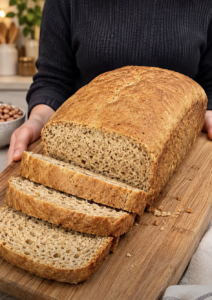
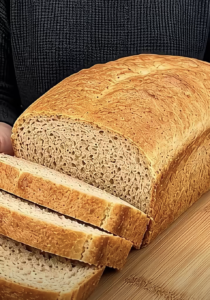
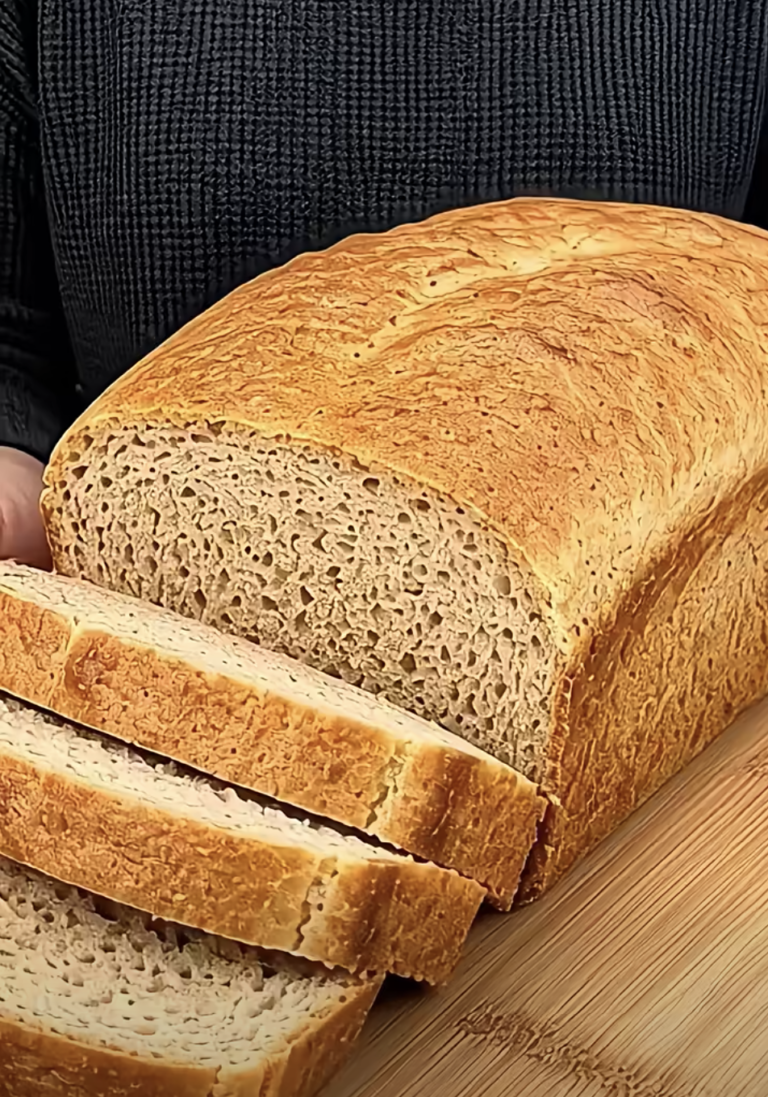
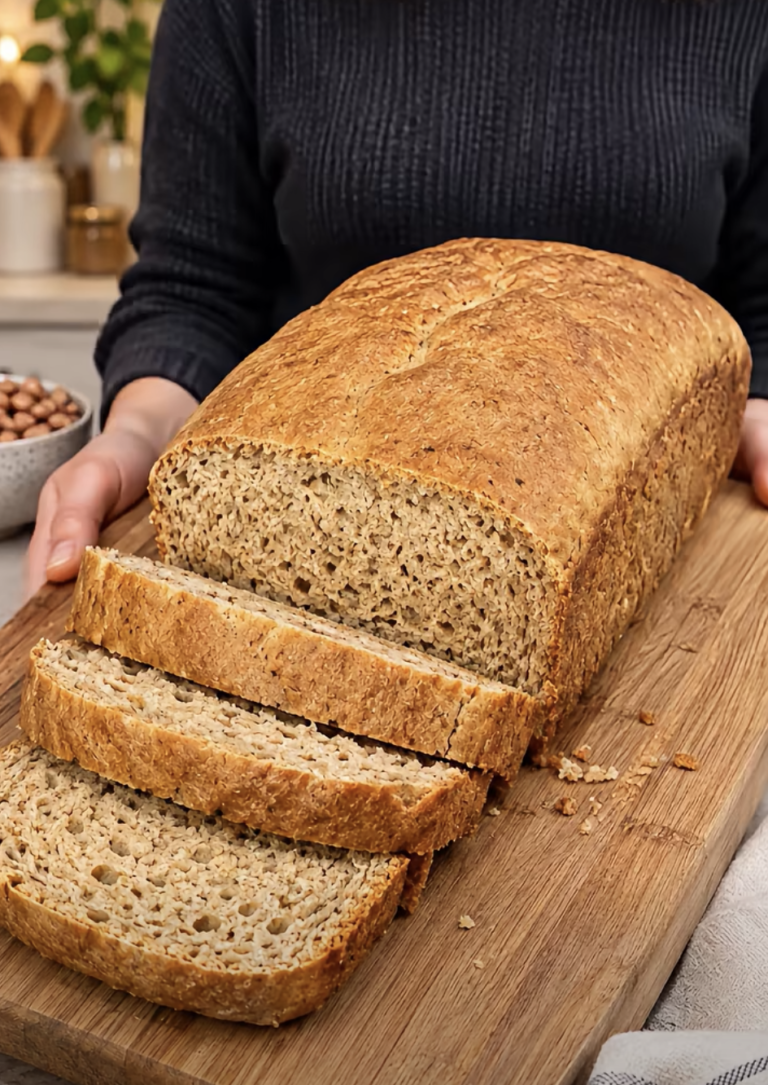
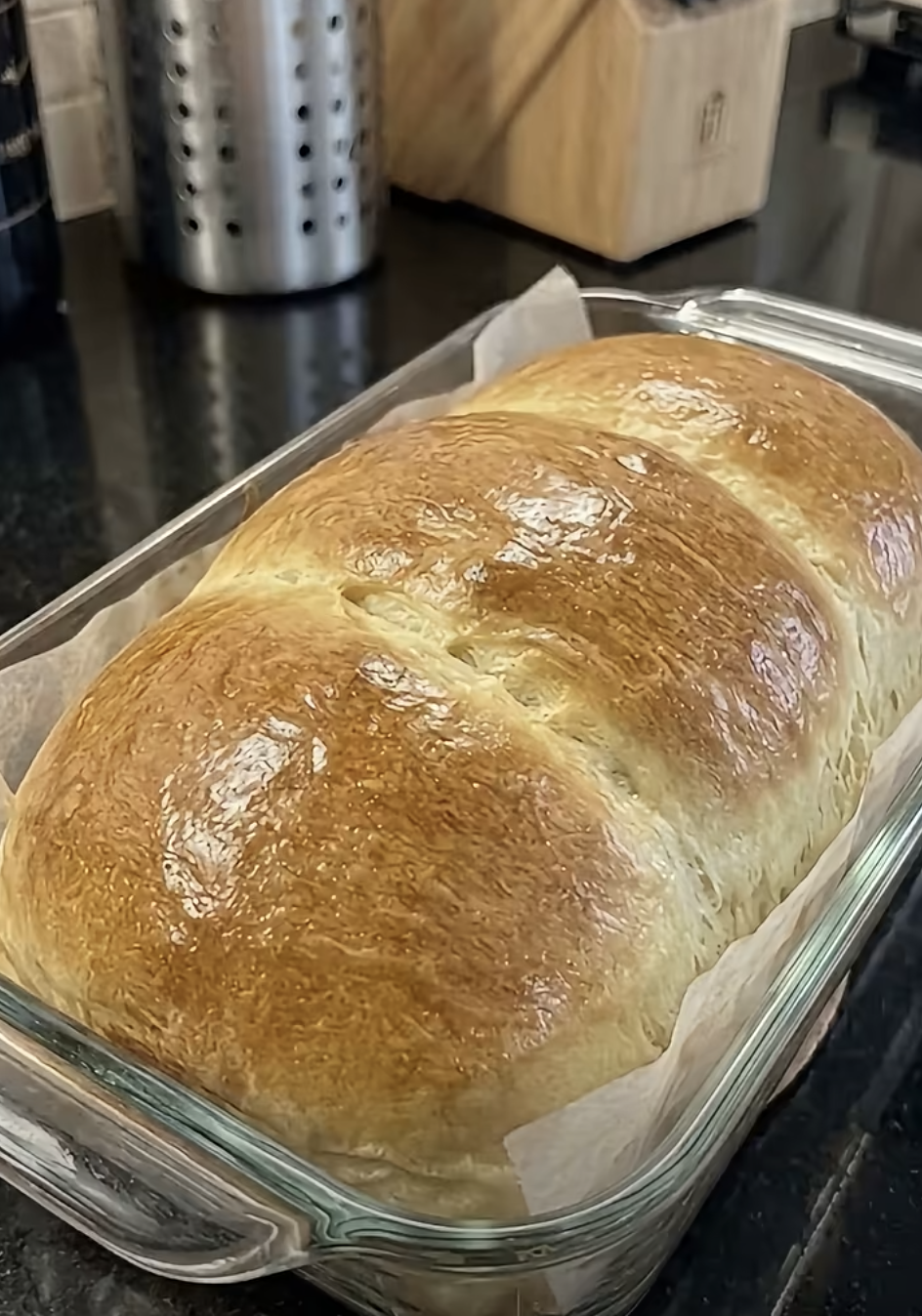
Soft & Fluffy No-Knead Milk Bread is a wonderfully tender homemade loaf with a golden crust, delicate sweetness, and soft, pillowy interior. This easy bread recipe uses everyday ingredients and requires no stand mixer or traditional kneading.
With warm milk, butter, eggs, and a little sugar, you can create a rich, comforting loaf that tastes delicious fresh, toasted, or turned into sandwiches. The dough comes together in one mixing bowl, and the yeast does most of the work during rising.
Unlike complicated bread recipes, this method relies on a soft, sticky dough and two simple rising periods. You only need a sturdy spoon, a loaf pan, and a little patience.
The first time I tried making no-knead milk bread, I wanted something softer than my usual homemade sandwich loaf. I loved the idea of using warm milk and melted butter to create a tender crumb without spending several minutes kneading dough. I mixed everything in a large bowl, covered it, and waited for the dough to rise. At first, the sticky texture surprised me, but it became much easier to handle after resting. When the loaf came out of the oven, the golden top looked beautiful, and the buttery aroma filled the kitchen. After cooling, I sliced a piece and enjoyed it with a little jam. The texture was soft, light, and incredibly comforting.
Whether you’re new to bread baking or simply want an easier way to prepare homemade sandwich bread, Soft & Fluffy No-Knead Milk Bread makes a delicious addition to your kitchen routine.
Recipe at a glance: Prep time: 15 minutes | Rising time: 1 hour 30 minutes to 2 hours 15 minutes | Baking time: 30–40 minutes | Cooling time: approximately 1 hour | Total time: approximately 3 hours 15 minutes to 4 hours, depending on rising and cooling | Yield: 1 loaf, approximately 10–12 slices | Oven temperature: 350°F (175°C).
Why You’ll Love Soft & Fluffy No-Knead Milk Bread
A Tender Homemade Loaf Without Traditional Kneading
One of the best features of Soft & Fluffy No-Knead Milk Bread is its simple preparation.
Traditional bread recipes often require several minutes of kneading to develop gluten. However, this recipe takes a more relaxed approach.
Instead of kneading the dough on a countertop, you mix the ingredients thoroughly with a sturdy spoon.
The dough should look soft and slightly sticky.
As it rests, the flour absorbs moisture and gluten gradually develops.
Meanwhile, the yeast produces gas that creates small air pockets throughout the dough.
This process helps the bread rise and develop a tender interior.
Because the recipe includes milk, eggs, and butter, the finished loaf has a richer texture than basic water-based bread.
Milk contributes moisture and a gentle sweetness.
Eggs help create structure and softness.
Butter adds richness and helps keep the crumb tender.
Together, these ingredients create a loaf that feels light and comforting.
Another advantage is the limited equipment.
You don’t need a stand mixer, dough hook, or bread machine.
A large mixing bowl, spoon, and standard loaf pan are enough.
The method also works well for beginners because it doesn’t require complicated shaping.
Simply pat the risen dough into a rectangle, roll it into a log, and place it in the pan.
Perfect for Breakfast, Toast, and Sandwiches
Soft & Fluffy No-Knead Milk Bread is versatile enough for everyday meals.
Its mild sweetness pairs beautifully with both sweet and savory toppings.
For breakfast, toast a slice and spread it with butter, jam, or honey.
You can also add peanut butter, almond butter, or fresh fruit.
Because the bread has a soft crumb, it makes excellent French toast.
The slices absorb the egg mixture while maintaining enough structure for cooking.
For lunch, use the bread to prepare sandwiches.
Turkey, cheese, lettuce, and tomato create a simple combination.
Alternatively, try egg salad, chicken salad, or grilled cheese.
The tender texture makes the bread especially pleasant for sandwiches that don’t require a thick, crusty loaf.
Another benefit comes from its make-ahead convenience.
Bake the bread when you have a few hours at home, then enjoy the slices over the next several days.
You can also freeze individual portions for later.
The recipe produces approximately 10 to 12 slices, depending on how thickly you cut the loaf.
This makes it practical for a small household or family breakfast.
Understanding the Ingredients for Soft Milk Bread
Flour, Milk, Yeast, and Sugar
The foundation of Soft & Fluffy No-Knead Milk Bread starts with flour, milk, yeast, and sugar.
For this recipe, use three cups of all-purpose flour or bread flour.
All-purpose flour creates a soft, tender loaf.
Bread flour contains more protein and can provide slightly more structure and chew.
Both options work, so choose whichever you prefer.
Measure flour carefully.
Spoon it into the measuring cup and level the top rather than packing it down.
Too much flour can make the bread heavy and dry.
Whole milk adds richness and moisture.
Use one cup of lukewarm milk, ideally around 100–110°F (38–43°C).
The milk should feel comfortably warm rather than hot.
Excessively hot milk can damage the yeast.
Instant yeast provides the lift.
You need two and one-quarter teaspoons, which equals one standard packet.
Because instant yeast mixes directly with other ingredients, you don’t need a separate proofing step.
Granulated sugar contributes gentle sweetness.
Three tablespoons create a lightly sweet loaf without making it taste like dessert.
Sugar also supports yeast activity and encourages browning during baking.
Salt balances the sweetness and improves the overall flavor.
Use one teaspoon.
Although the ingredient list is simple, accurate measurements help create consistent results.
Why Eggs and Butter Make the Bread Extra Soft
Eggs and butter give Soft & Fluffy No-Knead Milk Bread its rich, tender character.
One large egg contributes protein, moisture, and structure.
As the bread bakes, the egg helps the dough set into a sliceable loaf.
For easier mixing, use an egg at room temperature.
Cold eggs can cause melted butter to firm into small pieces when you combine the ingredients.
Butter provides additional richness.
Use three tablespoons of unsalted butter, melted and slightly cooled.
Allow the butter to cool before adding it to the yeast mixture.
Very hot butter may raise the mixture’s temperature too much.
The fat in butter helps soften the bread’s crumb.
It also contributes a pleasant flavor that complements the milk and sugar.
For an optional golden finish, brush the shaped loaf with one tablespoon of milk before baking.
This helps the surface brown.
After baking, you can brush the hot loaf with one tablespoon of melted butter.
The butter softens the crust and adds a delicious finish.
These optional touches make the bread especially appealing for breakfast or serving warm.
However, the loaf still tastes wonderful without them.
For the best results, use fresh ingredients and follow the measurements closely.
How to Make Soft & Fluffy No-Knead Milk Bread
Mixing the Dough and Allowing the First Rise
Making Soft & Fluffy No-Knead Milk Bread begins with a large mixing bowl.
Add one cup of lukewarm whole milk.
Next, add the instant yeast, granulated sugar, room-temperature egg, and slightly cooled melted butter.
Whisk until the ingredients combine.
Then, add the flour and salt.
Use a sturdy spoon or spatula to mix the ingredients.
Continue stirring until no dry flour remains.
Mix firmly for approximately one additional minute.
The dough should become soft, sticky, and cohesive.
Unlike traditional kneadable bread dough, this mixture may cling to the sides of the bowl.
Avoid adding large amounts of extra flour.
The moisture helps create the bread’s tender texture.
Once the dough comes together, cover the bowl with plastic wrap, a reusable cover, or a clean kitchen towel.
Place it in a warm, draft-free area.
Allow the dough to rise for approximately 60 to 90 minutes.
During this time, it should become noticeably larger and approximately double in size.
However, rising times vary depending on room temperature.
A warmer kitchen may encourage faster rising, while a cooler room may require more time.
Watch the dough rather than relying entirely on the clock.
Once the dough looks puffy and expanded, you’re ready to shape it.
Shaping, Baking, and Cooling the Loaf
After the first rise, prepare a 9-by-5-inch loaf pan.
Lightly grease the pan with butter or cooking spray.
Next, transfer the dough onto a lightly floured work surface.
Because the dough is soft, use just enough flour to prevent excessive sticking.
Gently pat the dough into a rectangle.
Then, roll it into a log, starting from one short end.
Pinch the seam closed.
Place the dough seam-side down in the prepared loaf pan.
Cover loosely and allow it to rise for another 30 to 45 minutes.
The dough should become visibly puffy and rise toward the top of the pan.
Meanwhile, preheat the oven to 350°F (175°C).
If desired, gently brush the top with one tablespoon of milk.
Place the loaf on the center oven rack.
Bake for approximately 30 to 40 minutes.
The surface should become golden brown.
For a more reliable doneness check, insert an instant-read thermometer into the center.
The internal temperature should reach approximately 190–200°F (88–93°C).
If the top browns too quickly, loosely cover it with aluminum foil.
Once the loaf finishes baking, remove it from the oven.
Brush the hot crust with optional melted butter.
Allow the bread to rest in the pan for approximately ten minutes.
Then, carefully transfer it to a wire cooling rack.
Let it cool for about one hour, or until the center is no longer warm.
Finally, slice with a serrated bread knife.
Serving Ideas, Storage Tips, and Delicious Variations
Best Ways to Enjoy Homemade Milk Bread
Soft & Fluffy No-Knead Milk Bread tastes delicious in many different ways.
Its tender crumb and lightly sweet flavor make it suitable for breakfast, lunch, and snacks.
One of the simplest serving ideas involves butter and jam.
Toast a slice lightly, spread it with softened butter, and add your favorite fruit preserves.
Strawberry, raspberry, and apricot jams pair particularly well with the mild bread.
You can also use the loaf for French toast.
Cut thick slices, dip them into a mixture of eggs, milk, and cinnamon, and cook them in a lightly buttered skillet.
The result makes a comforting weekend breakfast.
For savory meals, try grilled cheese sandwiches.
The soft bread develops a golden exterior while the cheese melts inside.
Another option is a classic turkey and cheese sandwich.
Add lettuce, tomato, and mustard for a simple lunch.
You can also make breakfast sandwiches with scrambled eggs and cheese.
Because the bread has a delicate crumb, slice it after cooling completely.
A serrated knife helps prevent compression.
If you enjoy toasted bread, use a moderate toaster setting.
Milk bread contains sugar and dairy, so it can brown faster than some basic white breads.
How to Store, Freeze, and Customize Milk Bread
Proper storage helps Soft & Fluffy No-Knead Milk Bread maintain its soft texture.
After baking, allow the loaf to cool completely.
Then, store it in an airtight bread bag or container.
At room temperature, the bread generally stays at its best for approximately two to three days.
Keep it away from direct sunlight and excessive heat.
For longer storage, freeze individual slices.
Place parchment paper between the slices and transfer them to a freezer-safe bag.
For the best quality, use frozen bread within two to three months.
When you’re ready to eat, thaw the slices at room temperature or toast them directly from frozen.
You can also customize the recipe with simple additions.
For a sweeter breakfast loaf, add a little cinnamon to the flour.
Alternatively, sprinkle cinnamon sugar over the rolled dough before shaping.
For a savory variation, add finely chopped herbs or a small amount of grated cheese.
However, avoid adding too many heavy ingredients.
Excess additions can interfere with rising and make the crumb denser.
If you want a more traditional sandwich loaf, follow the original recipe without changes.
Once you become comfortable with the dough, experiment with flavors that suit your preferences.
Ingredients
Yield: 1 loaf, approximately 10–12 slices.
For the dough
- 3 cups all-purpose flour or bread flour, spooned and leveled
- 1 cup whole milk, lukewarm
- 2 1/4 tsp instant yeast (one standard packet)
- 3 tbsp granulated sugar
- 1 tsp salt
- 1 large egg, at room temperature
- 3 tbsp unsalted butter, melted and slightly cooled
Optional finishing ingredients
- 1 tbsp milk, for brushing before baking
- 1 tbsp melted butter, for brushing after baking
- 1 tsp softened butter or cooking spray, for greasing the pan
- 1 tbsp flour, for lightly dusting the work surface
Instructions
- Mix the wet ingredients. In a large mixing bowl, whisk together the lukewarm milk, instant yeast, sugar, egg, and slightly cooled melted butter.
- Add the flour. Add the flour and salt. Stir firmly with a sturdy spoon until no dry flour remains. Continue mixing for another minute until a soft, sticky dough forms.
- Allow the first rise. Cover the bowl and let the dough rise in a warm, draft-free area for 60–90 minutes, or until approximately doubled in size.
- Prepare the loaf pan. Lightly grease a 9-by-5-inch loaf pan with butter or cooking spray.
- Shape the dough. Transfer the dough onto a lightly floured surface. Gently pat it into a rectangle, roll into a log, and pinch the seam closed. Place seam-side down in the pan.
- Allow the second rise. Cover loosely and let the dough rise for 30–45 minutes until visibly puffy. Meanwhile, preheat the oven to 350°F (175°C).
- Bake the bread. Brush the top with optional milk. Bake for 30–40 minutes until golden brown and the center reaches approximately 190–200°F (88–93°C). Cover loosely with foil if the top browns too quickly.
- Butter the crust. Remove the loaf from the oven and brush the hot surface with optional melted butter for a soft, buttery finish.
- Cool and slice. Rest the bread in the pan for ten minutes, then transfer it to a wire rack. Cool for approximately one hour, or until the center is no longer warm, before slicing.
Helpful baking tip: Keep the dough soft and slightly sticky. Adding too much flour can make the finished loaf dry and dense.
Frequently Asked Questions
1. Can I make Soft & Fluffy No-Knead Milk Bread with active dry yeast?
Yes. You can replace the instant yeast with the same amount of active dry yeast. Dissolve the active dry yeast in the lukewarm milk with the sugar and let it stand for approximately five to ten minutes before adding the remaining ingredients. Rising times may vary slightly.
2. Why didn’t my milk bread rise properly?
Several factors can affect rising. Old yeast, overly hot milk, or a cold kitchen may slow or prevent fermentation. Use fresh yeast, keep the milk comfortably warm, and allow the dough to rise until visibly puffy rather than following the timer alone.
3. Can I use bread flour instead of all-purpose flour?
Absolutely. Bread flour contains more protein and generally produces a slightly stronger, chewier crumb. All-purpose flour creates a softer texture. Both work well, although bread flour may absorb a little more liquid.
4. How do I keep homemade milk bread soft?
Avoid adding too much flour, bake until just cooked through, and brush the hot loaf with melted butter if desired. Allow the bread to cool completely before storing it in an airtight container. Freezing extra slices also helps preserve freshness.
5. Can I freeze Soft & Fluffy No-Knead Milk Bread?
Yes. Cool the loaf completely, then slice it into individual portions. Separate the slices with parchment paper and store them in a freezer-safe bag for up to two to three months for the best quality. Toast directly from frozen or thaw before serving.
Conclusion
Soft & Fluffy No-Knead Milk Bread makes homemade bread baking approachable, even if you’ve never worked with yeast dough before.
With simple ingredients like flour, warm milk, eggs, butter, and yeast, you can create a tender, lightly sweet loaf without a stand mixer or traditional kneading.
The two rising periods help the dough develop its soft texture, while the golden crust adds a delicious finishing touch.
Serve the bread fresh with butter and jam, toast it for breakfast, or use it to prepare sandwiches and French toast.
Because the recipe makes approximately 10–12 slices, it also works well for everyday meals and make-ahead preparation.
Whether you’re baking for family, preparing weekend breakfast, or simply enjoying the comfort of homemade bread, Soft & Fluffy No-Knead Milk Bread is a delicious recipe to keep on hand.