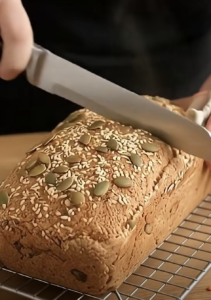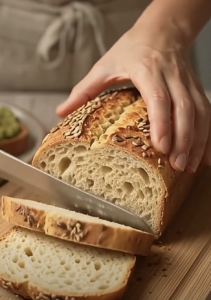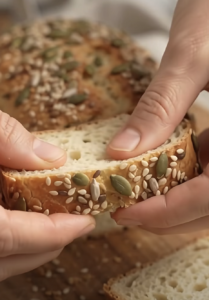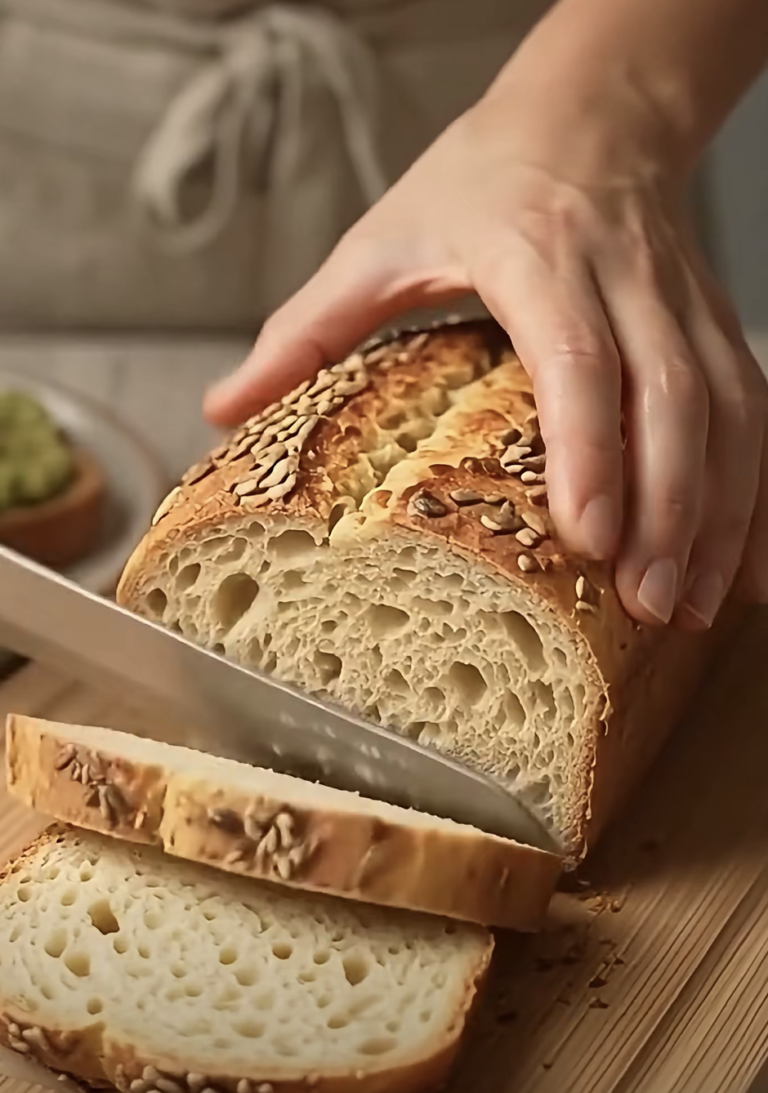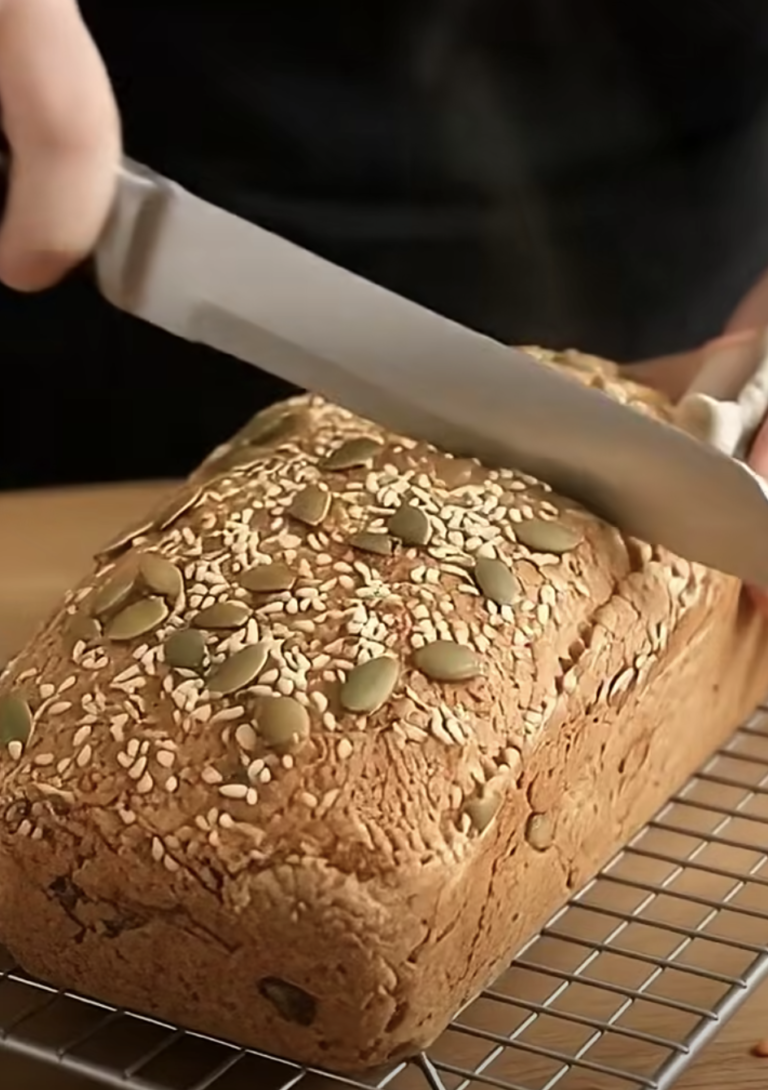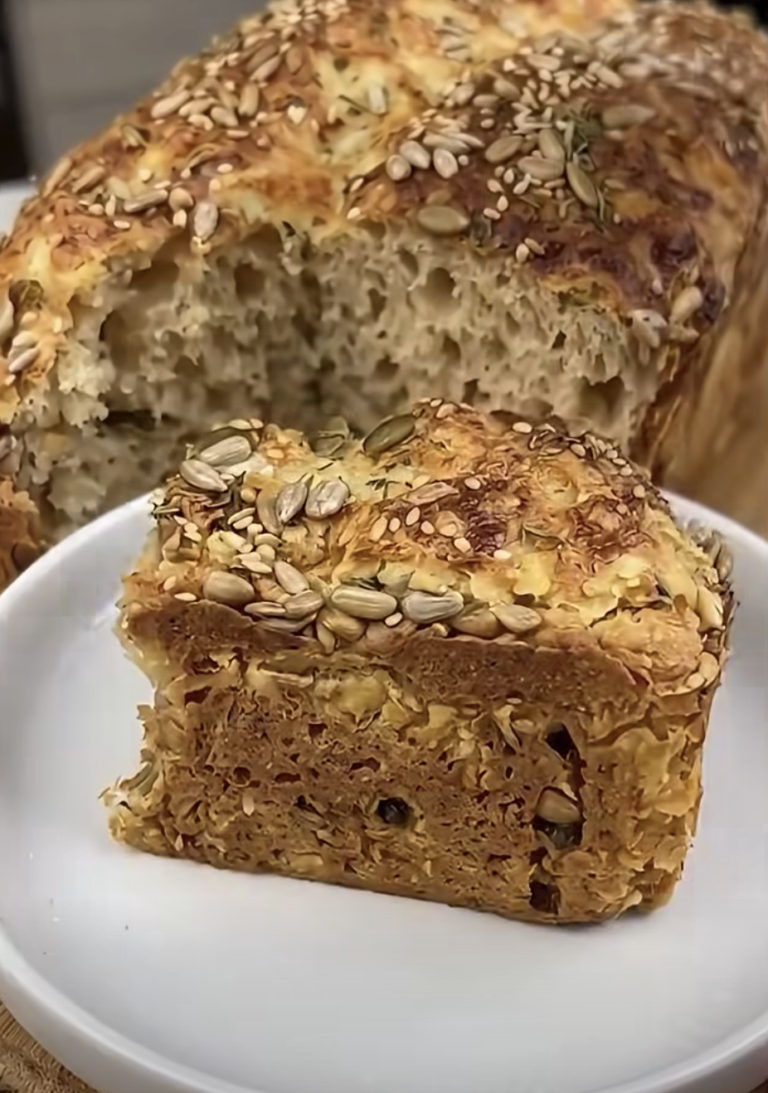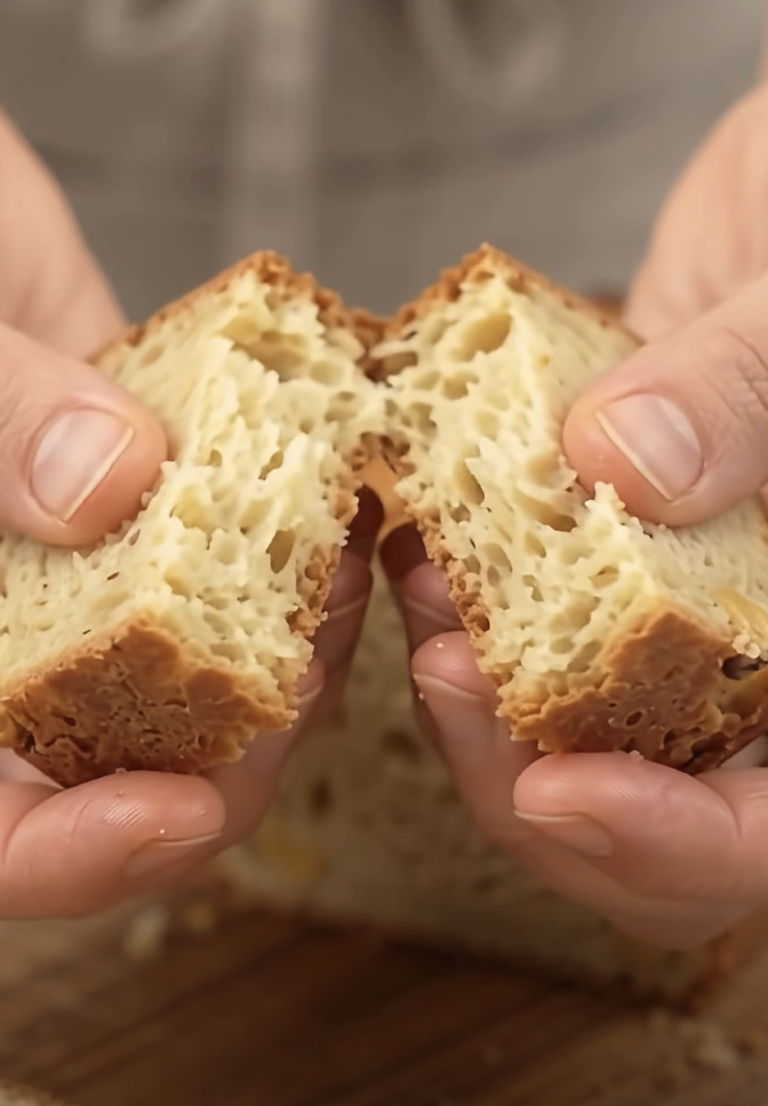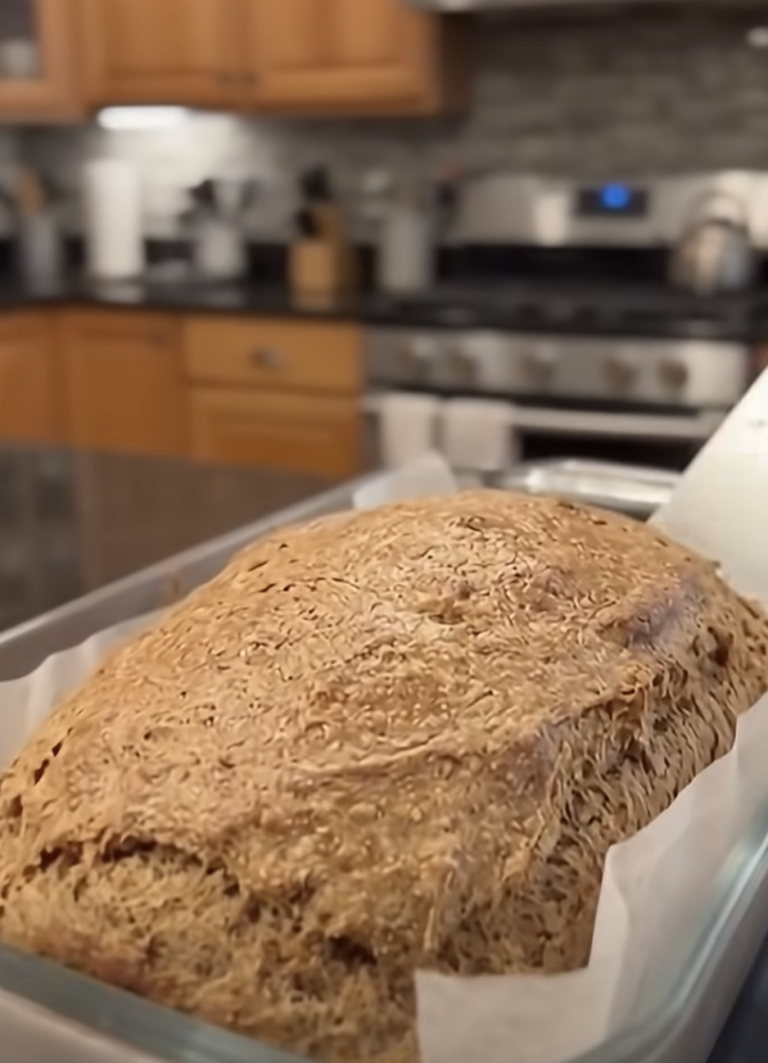
Soft & Buttery Milk Bread brings everything you love about homemade bread into one golden, pillowy loaf. With its tender crumb, delicate sweetness, and rich buttery flavor, this homemade milk bread makes a wonderful choice for breakfast toast, sandwiches, or a warm slice with your favorite spread.
You don’t need professional baking skills or special ingredients to make this recipe. A few everyday pantry staples, including flour, milk, yeast, sugar, eggs, and butter, come together to create beautifully soft bread.
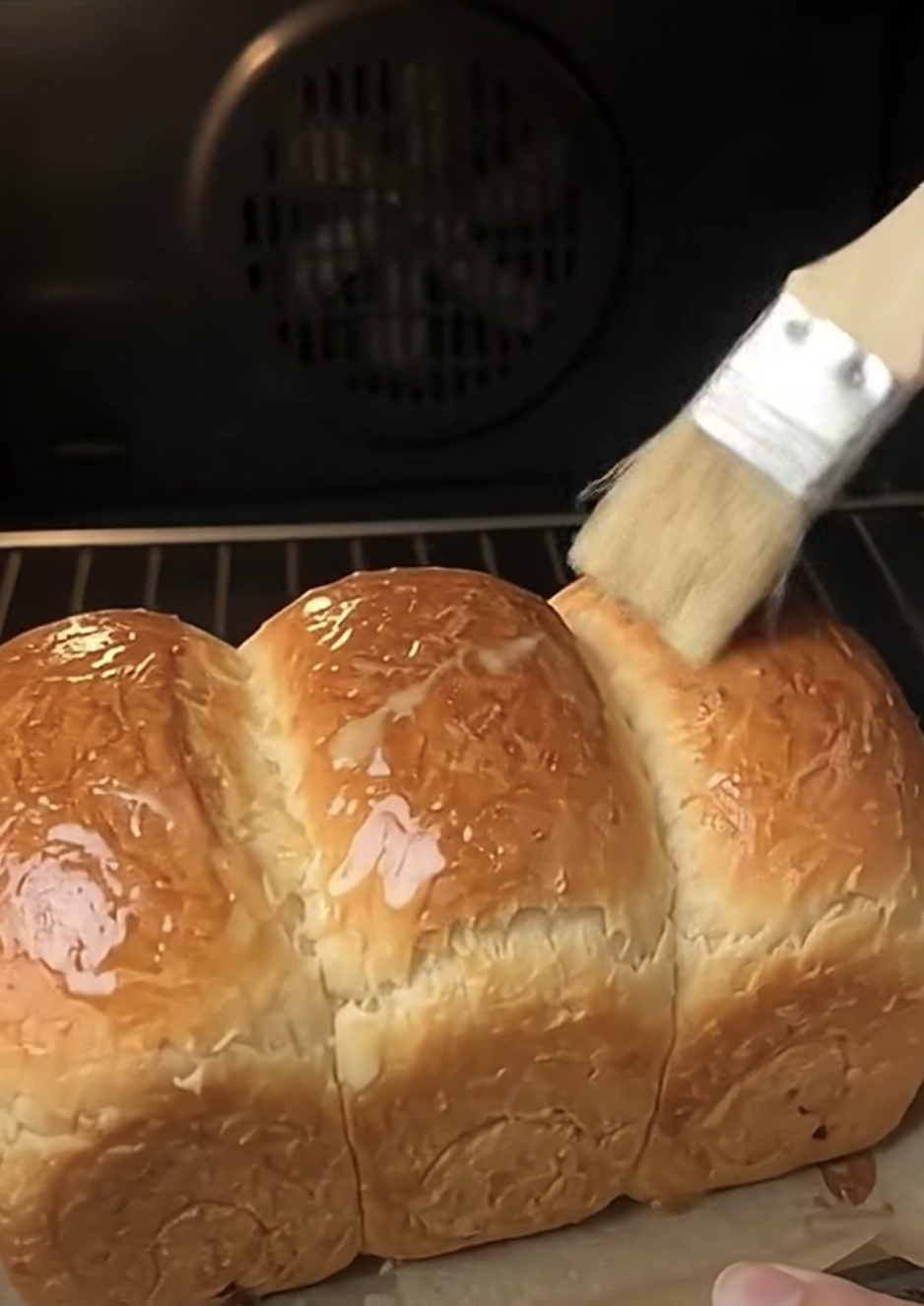
Soft & Buttery Milk Bread – Easy Homemade Fluffy Bread Recipe
Ingredients
Equipment
Method
- Combine warm milk, sugar, and active dry yeast in a large bowl. Let stand for 5–10 minutes until foamy.
- Add the egg, flour, and salt. Mix until a soft, slightly sticky dough forms.
- Gradually incorporate softened butter and knead for approximately 8–10 minutes or until smooth and elastic.
- Transfer dough to a lightly greased bowl, cover, and let rise for 1–1½ hours until approximately doubled.
- Gently deflate the dough, divide into three equal pieces, shape into logs or balls, and arrange side by side in a greased 9 x 5-inch loaf pan.
- Cover loosely and let rise for 30–45 minutes until noticeably puffy.
- Preheat oven to 350°F (175°C) and gently brush the dough with one tablespoon of milk.
- Bake for 25–30 minutes until golden brown and the center reaches approximately 190–195°F (88–91°C).
- Remove from oven and brush with optional melted butter for a softer crust.
- Cool in the pan for 10 minutes, then transfer to a wire rack and cool before slicing.
Notes
Unlike rustic artisan loaves with thick, crunchy crusts, Soft & Buttery Milk Bread has a delicate exterior and a fluffy interior. Plus, a final brushing of melted butter gives the crust an extra-soft finish.
I started making homemade milk bread after wanting a softer alternative to the crusty loaves I usually baked. I loved the smell of fresh bread filling the kitchen, but I wanted something light enough for sandwiches and tender enough to enjoy without toasting. The first time I shaped the dough into three pieces and arranged them in a loaf pan, I enjoyed watching them rise into a beautiful golden loaf. The best part came when I sliced the cooled bread and saw its soft, fluffy interior. Since then, milk bread has become one of my favorite choices for weekend baking and homemade breakfast toast.
Why You’ll Love This Soft & Buttery Milk Bread
What Makes Homemade Milk Bread So Soft and Fluffy?
The secret to Soft & Buttery Milk Bread comes from its combination of milk, butter, eggs, and proper kneading.
Traditional lean bread recipes often rely on flour, water, yeast, and salt. Milk bread, however, includes additional ingredients that enrich the dough and create a softer texture.
Whole milk contributes moisture, milk proteins, and a mild sweetness. It also helps the crust develop a beautiful golden color during baking.
Butter adds richness and tenderness. As you knead the softened butter into the dough, it distributes throughout the mixture and helps create a delicate crumb.
Meanwhile, the egg contributes additional fat, protein, and structure.
Sugar does more than sweeten the bread. It also contributes to browning and helps create the loaf’s characteristic flavor.
Finally, proper kneading develops gluten, which gives the dough the strength to trap gas produced by the yeast.
As the dough rises, these tiny gas pockets expand and create the fluffy interior.
This recipe uses a straightforward enriched dough rather than the tangzhong method that some Japanese-style milk bread recipes use.
Nevertheless, the combination of ingredients and careful preparation creates a wonderfully tender homemade loaf.
Why This Recipe Works for Beginners
One of the biggest advantages of Soft & Buttery Milk Bread is its approachable preparation.
Although the recipe requires two rising periods, the hands-on work remains relatively simple.
First, you activate the yeast in warm milk with sugar.
Next, you combine the remaining ingredients to create a soft dough.
Then, you knead until the dough becomes smooth and elastic.
After the first rise, you divide the dough into three pieces and arrange them in a loaf pan.
The second rise gives the shaped dough time to become puffy before baking.
You don’t need complicated braiding techniques or decorative shaping.
Additionally, you can prepare the dough by hand or use a stand mixer with a dough hook.
The recipe also uses familiar ingredients that you can find in most grocery stores.
Most importantly, the finished bread offers plenty of versatility.
You can enjoy it with butter and jam, turn it into sandwiches, or use slightly older slices for French toast.
Because Soft & Buttery Milk Bread has a mild sweetness, it complements both sweet and savory fillings.
Ingredients and Techniques for Perfect Milk Bread
Choosing the Best Flour, Milk, Yeast, and Butter
The quality and proportions of your ingredients influence the final texture of Soft & Buttery Milk Bread.
For the flour, you can use all-purpose flour or bread flour.
All-purpose flour produces a tender loaf with a slightly softer bite. Bread flour contains more protein, which helps develop a stronger gluten structure and can create a chewier, more elastic crumb.
Both options work well, so choose according to your preferred texture.
Whole milk provides the richest flavor. Its fat content contributes tenderness and moisture, making it particularly suitable for enriched bread dough.
When warming the milk, aim for approximately 100–110°F (38–43°C).
Milk that feels too hot can damage the yeast, while cooler milk may slow its activity.
Active dry yeast helps the dough rise. Check the expiration date before starting, especially if the yeast has spent several months in your pantry.
Use unsalted butter so you can control the amount of salt in the recipe.
For easier mixing, allow the butter to soften at room temperature before incorporating it into the dough.
Finally, use a large egg at room temperature if possible. This helps the ingredients combine more evenly.
How to Knead and Develop a Smooth, Elastic Dough
Kneading plays an important role in creating the fluffy texture of Soft & Buttery Milk Bread.
Once you combine the flour, milk mixture, egg, and salt, the dough may feel slightly sticky.
This is normal for enriched bread dough.
Begin kneading on a lightly floured surface or in a stand mixer fitted with a dough hook.
Gradually incorporate the softened butter rather than adding it all at once.
At first, the dough may feel slippery or loose as the butter mixes in. However, continued kneading helps it become smooth and elastic.
Knead by hand for approximately 8–10 minutes, or longer if necessary. A stand mixer may need a similar amount of time depending on its speed and the dough’s consistency.
Avoid adding too much extra flour.
Excess flour can make the finished bread dry and dense.
Instead, aim for dough that feels soft, slightly tacky, and manageable.
To check gluten development, gently stretch a small piece of dough between your fingers.
If it stretches into a thin membrane before tearing, the dough has developed good elasticity.
This simple windowpane test helps you judge readiness more accurately than timing alone.
How to Shape, Proof, and Bake Milk Bread
Getting the First and Second Rise Just Right
Proper proofing helps Soft & Buttery Milk Bread develop its light, airy structure.
After kneading, shape the dough into a smooth ball and place it in a lightly greased bowl.
Cover the bowl with plastic wrap or a clean kitchen towel.
Then place it in a warm, draft-free location.
Allow the dough to rise for approximately 1–1½ hours, or until it roughly doubles in size.
However, the exact time depends on your room temperature and yeast activity.
A cooler kitchen may require additional time.
Once the dough doubles, gently press it down to release some of the trapped gas.
Transfer it to a clean work surface and divide it into three equal portions.
Shape each piece into a smooth log or ball.
Next, arrange the pieces side by side in a greased 9 x 5-inch loaf pan.
Cover the pan loosely and allow the dough to rise again for approximately 30–45 minutes.
During this second rise, the dough should become noticeably puffy and fill more of the pan.
Avoid rushing this step. Underproofed dough may bake into a dense loaf.
However, don’t allow the dough to rise excessively, since overproofing can weaken its structure.
Baking for a Golden Crust and Tender Interior
Once the dough finishes its second rise, you’re ready to bake.
Preheat your oven to 350°F (175°C).
Before placing the loaf in the oven, gently brush the top with one tablespoon of milk.
This milk wash helps create a lightly golden, attractive crust.
Place the loaf pan on the middle oven rack.
Bake for approximately 25–30 minutes, checking the bread near the end of the recommended time.
The loaf should develop a golden-brown surface and feel firm enough to hold its shape.
For a more reliable doneness check, insert an instant-read thermometer into the center.
Aim for an internal temperature around 190–195°F (88–91°C).
If the crust browns too quickly, loosely cover the loaf with aluminum foil for the remaining baking time.
Once the bread finishes baking, remove it from the oven.
For an extra-soft crust, brush the hot surface with a little melted butter.
Let the loaf rest in the pan for approximately 10 minutes.
Then transfer it to a wire rack.
Although warm bread smells irresistible, allow it to cool before slicing. This helps the crumb set and prevents the interior from becoming compressed.
Serving Ideas, Storage, and Troubleshooting Tips
Delicious Ways to Serve Homemade Milk Bread
Soft & Buttery Milk Bread works beautifully for a wide variety of meals.
For a simple breakfast, toast a slice until lightly golden and spread it with softened butter.
You can also add strawberry jam, honey, or your favorite fruit preserves.
Because the bread has a mild sweetness, it pairs naturally with both sweet and savory toppings.
For lunch, use the slices to make turkey and cheese sandwiches, egg salad sandwiches, or grilled cheese.
The tender texture makes sandwiches particularly enjoyable.
Another delicious option involves turning the bread into French toast.
Dip slightly stale slices into a mixture of eggs, milk, cinnamon, and vanilla. Then cook them in a buttered skillet until golden.
You can also use thick slices for homemade bread pudding.
For a savory breakfast, top toasted milk bread with scrambled eggs or avocado.
Alternatively, serve warm slices alongside soup.
Tomato soup, creamy vegetable soup, and chicken soup all pair nicely with the buttery flavor.
If you want an especially comforting snack, lightly warm a slice and spread it with a little butter.
Simple serving ideas often highlight the bread’s delicate flavor best.
How to Store Milk Bread and Fix Common Problems
Proper storage helps preserve the soft texture of Soft & Buttery Milk Bread.
First, allow the loaf to cool completely.
Then store it in an airtight container or bread bag at room temperature for approximately 2–3 days.
Keep the bread in a cool, dry place away from direct sunlight.
For longer storage, freeze individual slices.
Place parchment paper between the slices and transfer them to a freezer-safe bag.
For the best quality, use frozen bread within approximately three months.
You can toast slices directly from frozen or thaw them at room temperature.
If your bread turns out dense, check whether the yeast was active and whether the dough had enough time to rise.
If the loaf feels dry, you may have added too much flour or baked it longer than necessary.
If the dough fails to rise, the milk may have been too hot, the yeast may have expired, or the kitchen may have been too cold.
Finally, if the crust becomes too dark before the center finishes baking, cover the loaf loosely with foil.
With a little attention to dough texture, proofing, and baking temperature, you can achieve consistent results.
Ingredients
Yield: 1 loaf, approximately 12 slices.
- 3½ cups (440 g) all-purpose flour or bread flour
- 2¼ teaspoons (7 g) active dry yeast, approximately 1 packet
- ¼ cup (50 g) granulated sugar
- 1 teaspoon (6 g) salt
- 1 cup (240 ml) warm whole milk, approximately 100–110°F (38–43°C)
- 1 large egg
- 4 tablespoons (56 g) unsalted butter, softened
- 1 tablespoon (15 ml) milk, for brushing before baking
Optional finishing ingredient:
– 1 tablespoon (14 g) unsalted butter, melted, for brushing the baked loaf
Instructions
1. Activate the yeast. Combine the warm milk, sugar, and active dry yeast in a large mixing bowl. Stir gently and let stand for 5–10 minutes, until foamy.
2. Make the dough. Add the egg, flour, and salt. Mix until the ingredients form a soft, slightly sticky dough.
3. Add the butter and knead. Gradually incorporate the softened butter while kneading. Continue for approximately 8–10 minutes, or until the dough becomes smooth and elastic. Knead longer if needed.
4. Let the dough rise. Place the dough in a lightly greased bowl and cover. Let it rise in a warm place for 1–1½ hours, or until approximately doubled in size.
5. Shape the loaf. Gently deflate the dough and divide it into three equal pieces. Shape each portion into a smooth log or ball. Arrange the pieces side by side in a greased 9 x 5-inch loaf pan.
6. Allow the second rise. Cover the loaf pan loosely and let the dough rise for 30–45 minutes, or until noticeably puffy.
7. Preheat and brush. Preheat your oven to 350°F (175°C). Gently brush the top of the risen dough with one tablespoon of milk.
8. Bake until golden. Bake for 25–30 minutes, or until golden brown and the center reaches approximately 190–195°F (88–91°C). Cover loosely with foil if the crust browns too quickly.
9. Finish with butter. Remove the loaf from the oven and brush the top with optional melted butter for an extra-soft crust.
10. Cool and slice. Let the loaf cool in the pan for 10 minutes. Then transfer it to a wire rack and allow it to cool before slicing.
Recipe at a glance
Prep time
20 minutes
Rise time
About 2 hours
Bake time
25–30 minutes
Yield
1 loaf / 12 slices
Estimated nutrition per slice (without optional finishing butter):
| Nutrient | Amount |
|---|---|
| Calories | 210 kcal |
| Protein | 6 g |
| Carbohydrates | 34 g |
| Total fat | 6 g |
| Saturated fat | 3.5 g |
| Fiber | 1 g |
| Sugar | 5 g |
Nutrition values are estimates based on 12 slices. Actual values vary with flour type, ingredient brands, and slice size.
Frequently Asked Questions
1. What makes Soft & Buttery Milk Bread different from regular bread?
Milk bread contains enriched ingredients such as whole milk, butter, eggs, and sugar. These ingredients create a tender crumb, mild sweetness, and softer crust than many traditional lean bread recipes. The dough also develops a fluffy texture when you knead and proof it properly.
2. Can I use all-purpose flour instead of bread flour?
Yes. Both all-purpose flour and bread flour work well in this recipe. All-purpose flour generally produces a softer, more tender bite, while bread flour can create a slightly chewier and more elastic texture. Use the same weight of flour when substituting.
3. Why didn’t my milk bread rise properly?
Inactive yeast, overly hot milk, insufficient proofing time, or a cold kitchen can prevent proper rising. Check the yeast expiration date and use milk around 100–110°F (38–43°C). Additionally, allow the dough to rise until it roughly doubles rather than relying only on the clock.
4. Can I make Soft & Buttery Milk Bread ahead of time?
Yes. You can prepare the dough, complete the first rise, shape it, and refrigerate it overnight in a covered loaf pan. The next day, allow the dough to become puffy at room temperature before baking. Alternatively, bake the loaf completely and freeze individual slices.
5. How do I keep homemade milk bread soft for longer?
Allow the loaf to cool completely before storing it in an airtight bread bag or container. Keep it at room temperature for approximately 2–3 days. For longer storage, freeze the slices. Avoid refrigerating ordinary milk bread unless necessary, because refrigeration can accelerate staling.
Conclusion
Soft & Buttery Milk Bread combines simple ingredients with traditional bread-making techniques to create a tender, fluffy, golden loaf.
The whole milk, eggs, and butter give the bread its rich flavor, while proper kneading and two rising periods help develop its light, airy texture.
Although the recipe requires a little patience, the preparation remains approachable for beginner bakers.
Plus, the finished loaf offers endless possibilities. Enjoy it warm with butter, toast it for breakfast, prepare sandwiches, or transform leftover slices into French toast.
With its delicate crust and soft interior, this homemade milk bread makes a comforting addition to everyday meals.
Bake a loaf when you have a relaxing afternoon, and enjoy the wonderful aroma of fresh bread filling your kitchen.